
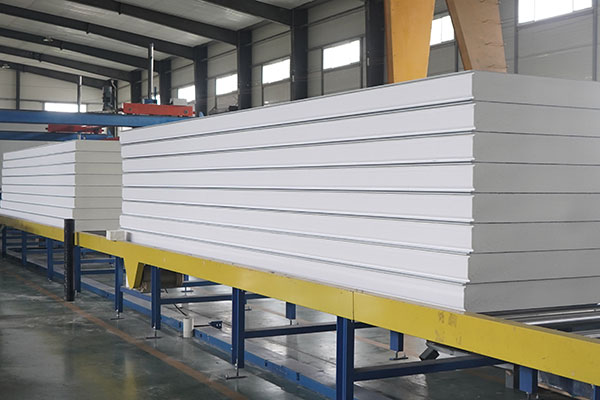
EPS panels play a key role in 2026 projects. They blend good thermal insulation, simple structural support, and quick setup into one package. For buyers who compare items and providers, grasping how these panels operate is the initial move to better choices. Before checking details, uses, or buying sources, it helps to examine what EPS panels mean and their real-world function.
What Are EPS Panels and How Do They Work?
EPS panels, which stand for Expanded Polystyrene panels, form a kind of light sandwich panel. It has a firm foam center between two strong outer sheets. The center comes from expanded polystyrene beads fused as one. This creates a closed-cell build with great insulation traits. People use these panels a lot for their skill in providing thermal savings, firm stability, and low cost in today’s building work.
The insulation skill of EPS panels shows through their thermal conductivity (λ value). A smaller λ value signals stronger insulation. When set against items like polyurethane (PU) and rock wool, EPS gives a fine mix of price and output. PU panels might offer a bit more insulation, yet they cost more and harm the environment further. Rock wool brings better fire safety but increases weight a lot. EPS panels hit the right spot for jobs that want energy savings without cutting into budget.
In building insulation areas, HUASHENG’s EPS foam goods stand out. These goods have strong thermal insulation properties. They cut energy use in structures well. This fits them nicely for green building, where keeping inside comfort and lowering heat or cool needs matter most.
How Are EPS Panels Used in 2026 Construction Projects?
As worldwide building patterns shift to green ways and ready-made parts, EPS panels grow vital in many building tasks. They serve in factory sites, cold storage spots, home housing setups, and pre-made builds. This comes from their flexible nature and simple fitting.
The rising need for green materials pushes EPS-based fixes forward. Ready-made buildings lean on these panels more. They shorten build time while keeping steady quality. By offering a solid heat block, these panels hold steady inside warmth all year. This cuts down on heat or cooling system use. In 2026 jobs that stress green standards like LEED or BREEAM, EPS panels remain a top pick.
What Should You Consider When Choosing EPS Panel Suppliers?
Picking the correct provider matters a great deal to match your job’s goals. The provider’s item quality, skill in tech, and steady service shape job results directly.
Why Product Quality and Performance Standards Matter
Thermal insulation output (λ value) sets how well a panel holds heat or cold. Fire safety levels also count big for safety rules. Top panels go through strength tests for weight support and weather toughness. This makes sure they last long.
Since it started, using Lanzhou’s location perks and factory resources, HUASHENG New Materials set up a fresh smart production line. It brought in top EPS foaming methods and exact check tools. These keep goods at top levels in main signs like even density, press strength, and thermal insulation skills. Such strict steps promise steady batches—a key point for big growth plans.
Why Supplier Experience and Technical Support Are Essential
A provider with real know-how can adjust goods for special job needs, like bent walls or wet spots. Tech advice in plan steps makes sure the right panel picks and fits smoothly.
We give pro tech help and training to aid buyers in the best use of our goods. This kind of aid keeps things smooth from delivery to setup.
For instance, Lanzhou Huasheng New Materials Co., Ltd. offers build advice based on ISO-checked production rules. This brings a worldwide match to all goods lines.
How Do You Compare EPS Panel Specifications for 2026 Project Requirements?
When picking EPS panels, thickness, density, coating kind, and face finishes need to fit your task’s build demands.
How Thickness, Density, and Coating Affect Performance
Wall panels often go from 50mm to 200mm thick based on weather. Roof tasks might need thicker shapes for extra weight hold. Denser centers boost press strength, though they cut thermal skill a touch.
HUASHENG’s flexible panel choices with different coatings (color steel and aluminum zinc) let builders mix looks with work. For example, graphite-changed EPS like S-32 Graphite Polystyrene has λ ≤ 0.032 W/m·K—boosting thermal insulation by more than 25% over normal EPS boards.
How Energy Efficiency Links to Sustainability Goals
EPS adds much to energy-saving build shells by cutting daily energy pull. HUASHENG grasps green growth’s weight and handles its green and social duties well. Their making uses goods that can be recycled, with over 95% waste reuse rates—aiding builders to hit zero-carbon aims by 2026.
Why Is Supply Chain Management Critical in EPS Panel Procurement?
Big providers with automated plants can hold steady even during busy times. With its 300,000-ton phase-II smart factory start, HUASHENG jumps to the world’s top REPS making and research spot. This size locks in a steady supply for world buyers aiming at key building works in 2026. Quality steadiness makes every sent panel match the same build traits over job steps. HUASHENG’s trackable good control system brings quality checks all through the supply path. This way stops mismatches that might harm setup care or build safety.
How Can You Balance Price with Long-Term Value?
Price often leads buying choices, but checking full life value shows how top goods give better returns over the years.
Which Cost Components Affect Pricing?
Costs cover raw items obtained (polystyrene beads), guard coatings like color steel sheets, custom fees for thick or finish changes, move logistics, and rule costs. Choosing unchecked cheap providers risks uneven density hold or weak firestop skills—which might raise fix costs later.
What Long-Term ROI Can You Expect from Premium Panels?
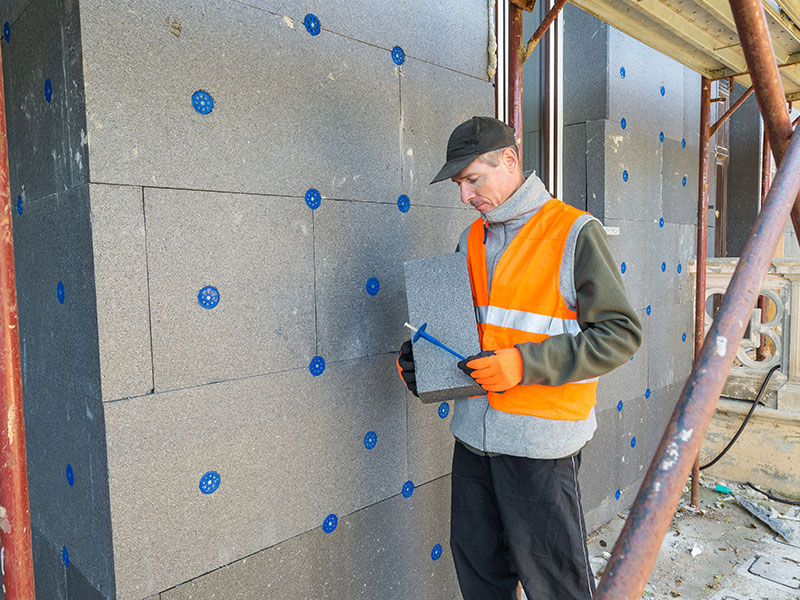
High-skill panels cut HVAC energy use thanks to better heat hold. Lower fixed costs from strong last and insulation skill raise job life. This adds to better full returns. Studies show up to a 14% gain in building energy savings with B1 firestop EPS over old rock wool setups.
You can check new picks like F Material Flame-Retardant Type REPS – Building Material Thermal Insulation. It mixes high foam skill with low thermal flow, perfect for wall systems needing Class B1 fire levels.
What Future Trends Will Influence EPS Panel Selection by 2026?
Auto systems now allow exact bead grow control for even cell builds in each panel sheet. HUASHENG set up a digital twin lab with atom gene stores and step-fake systems. These steps allow real-time watching and making, boosting steadiness while cutting waste via closed reuse paths.
Governments everywhere push low-carbon building with tax breaks or rule perks. Light, reusable items like recycled-EPS mixes fit these rules well. By 2026, it will build a world-top zero-carbon show factory. This hits over 85% carbon cuts over the full work chain. Such promises turn green providers into key allies, not just sellers.
How Can You Build a Long-Term Partnership with a Trusted Supplier?
What Steps Help Establish Reliable Collaboration Frameworks?
Set tech details early—like needed densities (e.g., 18–30 kg/m³), fire-stop levels (B1/B2), or coating types—to skip mid-job shifts. Keep open talk lines via digital job boards or shared file spots. These enable live updates on moves or quality notes.
What Are the Benefits of Partnering Long-Term?
A firm tie brings steady reach to new idea flows—from fresh aerogel-EPS blends to AI-led shape tools—and locks top spots in busy times. Full service plans cover plan advice, making, moving, and after-sales aid. They make strong team chances for steady supply in multi-step growth over areas.
FAQ
Q1: What makes EPS panels more efficient than traditional materials?
A1: Their closed-cell build cuts heat movement while keeping light strength; this boosts energy savings over heavier picks like rock wool or concrete blocks.
Q2: Can recycled EPS be used without affecting quality?
A2: Yes. New reuse tech now brings back food-grade clean polystyrene. It reaches up to 99.7% pure levels while holding build strength for frame tasks.
Q3: How do I ensure my supplier meets international standards?
A3: Ask for rules like ISO 14067:2018 or GRS checks; these prove a match to green laws. They make sure good safety and green traits fit world marks.
 English
  German
  Spanish
  French
  Arabic