
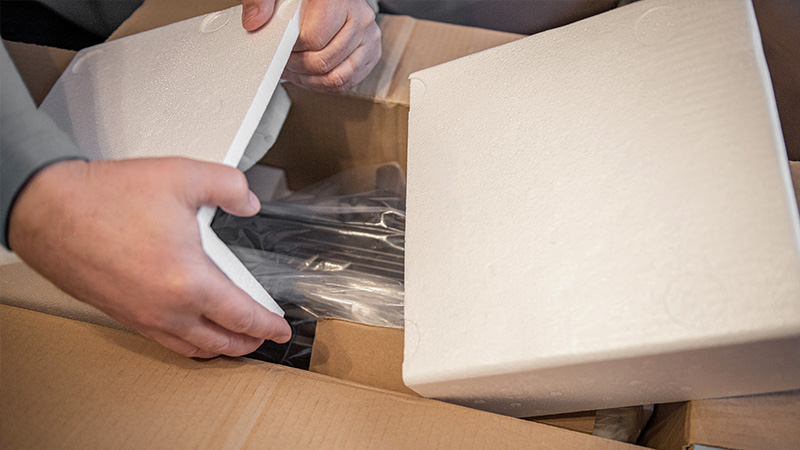
Expanded polystyrene panels stay a favored packaging material. They blend light weight, shock absorption, thermal insulation, and cost efficiency into one option. As packaging needs grow more specific, EPS panels keep shining for safeguarding products in storage, handling, and transport. Examining their main strengths shows why they see wide use in today’s packaging tasks.
What Makes Expanded Polystyrene (EPS) Panels Essential in Packaging?
When you think about packaging options that mix strength, insulation, and cost savings, expanded polystyrene panels really stand out. These panels get designed to shield your products from impacts and outside stresses. At the same time, they keep logistics light and affordable.
Before we dive into their makeup and perks, it’s good to mention that firms like HUASHENG have boosted EPS tech with better molding and green production methods. They deliver custom EPS packaging for fields from electronics to pharmaceuticals. This way, every delivery reaches safely. Their group stresses exact engineering and eco care, giving clients a solid ally in tailored protective packaging.
The Composition and Structure of EPS Panels
Expanded polystyrene panels come from tiny polystyrene beads. These beads swell when hit with steam and heat. Expanded polystyrene, often called EPS, forms a kind of foam from polystyrene beads. The beads expand and stick together to make a firm, light substance. This setup builds a web of sealed cells packed with air. As a result, the panels gain their clear mix of stiffness and padding.
The sealed-cell makeup not only gives great shock absorption but also works as a strong insulator. EPS serves as an insulation material created by ‘blowing up’ polystyrene beads to build a structure with 2% plastic and 98% caught air. This air-packed design keeps the material light but tough enough to guard breakable items in transit.
How EPS Panels Differ from Other Packaging Materials
Next to cardboard or polyurethane foam, expanded polystyrene panels show better defense against dampness and physical strain. They hold their shape even in wet settings where other stuff might break down or warp. Versatility counts as another big plus—EPS molds into special forms for item-specific shielding, so every piece fits tight in its wrap.
Why Choose Expanded Polystyrene Panels for Your Packaging Needs?
Superior Protection and Shock Absorption Through Material Engineering
EPS panels shine at soaking up impact force in shipping. Their inside build spreads pressure evenly over the area. This cuts the chance of harm to touchy items like electronics or lab tools. Our molded foams, EPS and EPP, prove highly flexible and can be fully recycled at life’s end. Such flexibility brings steady shielding across temperature shifts without losing quality.
Lightweight Design That Reduces Overall Logistics Costs
Since EPS holds mostly air, it sharply lowers shipment weight while keeping power. This leads straight to cheaper transport fees for big loads. The material’s simple handling also boosts storage speed—you can pile or shift these panels with ease; no need for special gear.
Makers like HUASHENG’s EPS packaging let you pick thickness that matches your exact shielding needs. At the same time, it boosts value for large jobs.
Thermal Insulation Capabilities That Preserve Product Integrity
For heat-sensitive items like food or drugs, steady warmth matters a lot. The cell setup of EPS cuts heat flow, so inside stays even through travel. Expanded Polystyrene (EPS) foam, often known as Styrofoam, acts as a handy material in many fields thanks to its light build and fine insulation traits. Thus, it fits perfectly for cold-chain shipping where keeping fresh or strong counts most.
How Can Customization Elevate Your Packaging Efficiency?
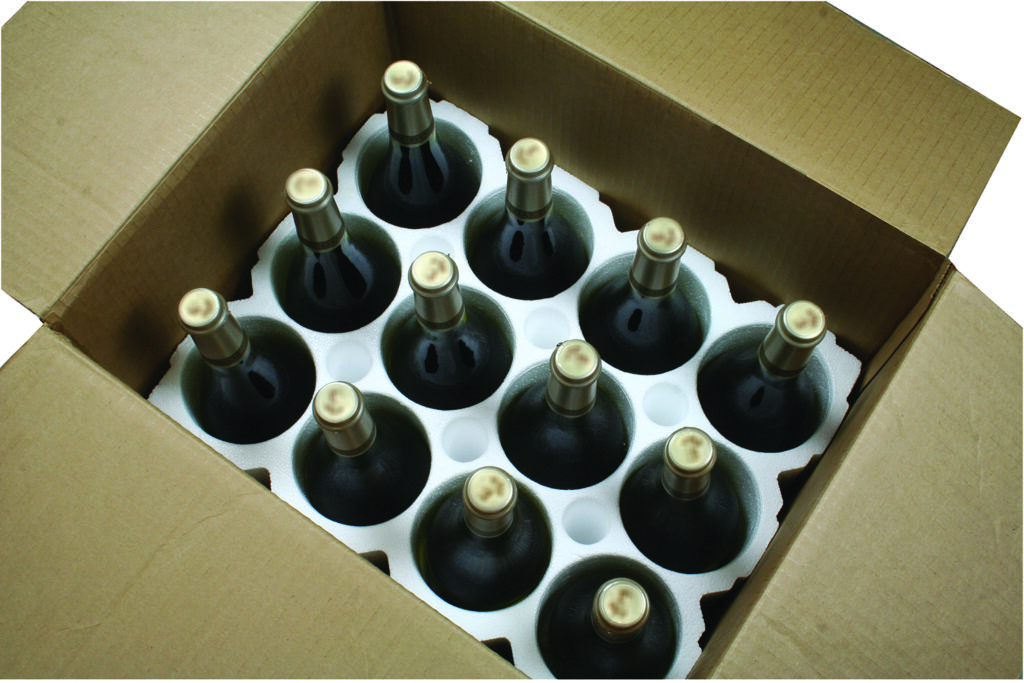
Each product holds its own size and care needs. So, customization helps a lot in boosting shielding while lifting brand look.
Tailored Shapes and Sizes That Fit Your Products Perfectly
With exact molding skills, makers form inserts that grip each product close in its shell. These inserts stop shifts in shipping and raise display appeal when opened. You can add choices like anti-static layers or covered faces for special uses, such as electronic parts or medical gear.
Branding Opportunities That Transform Functional Packaging Into Marketing Assets
EPS faces allow printing or stamping with logos or care notes right in the making. This skips extra label work and builds brand sight on each sent package. Blending design into the panel ties use with looks in a smooth way.
Is Expanded Polystyrene Environmentally Sustainable?
Sustainability questions often pop up with man-made stuff. Yet, fresh advances have greatly bettered the green side of EPS packaging setups.
Recycling and Reusability: Closing the Loop on Waste Management
Expanded polystyrene foam, often called EPS foam or Styrofoam, can recycle in theory. But how well it does so hinges on local recycling setups and tools. With rising collection drives and remake tech worldwide, old EPS now turns into base stuff for new goods—including build parts or fresh packaging—that lessens dump use.
Lots of makers back loop economy plans by offering return programs. In these, clients send back used panels for remaking instead of tossing them.
Energy Efficiency During Manufacturing Processes
Making expanded polystyrene uses less power than other picks like hard plastics or metals. That’s because its swell step leans on steam, not chemical changes. For all your construction and packaging wants, count on our top, checked expanded polystyrene products. Steady gains in steam control cut releases in making and fitting global green aims for low-gas-output ways.
Which Industries Benefit Most from Expanded Polystyrene Panels?
EPS uses go well past simple item padding—it aids many areas that need custom shielding matched to their work needs.
Tender electronic bits need steady spots free from shakes or static sparks. Custom inserts of anti-static types ensure safe care all through spread paths. Plus, they offer firm bodyguards against hits or falls. Items that spoil fast gain much from EPS’s insulating skill. It holds inside heat even in far shipping under changing outside conditions. Meanwhile, it meets clean rules fit for direct food-touch uses. In tough fields like car parts spread or machine shipping, firm build aid proves key. Block panel setups from high-density expanded polystyrene offer both pad bend and weight-hold power. These adapt to odd forms or big items.
What Are the Future Innovations Shaping EPS Packaging Technology?
As tech shifts touch supply lines around the world, clever traits blend into old packaging plans. At the same time, green study efforts aim to lift sustainability.
Placing RFID tags or QR codes into shaped EPS builds lets real-time follow-through on ship rounds without hurting shield work. This new step raises a clear vision in logistics networks. It also eases stock care tasks. The current study checks nature-based ads that boost green fit without dropping body strength or insulation worth. Makers keep putting funds in R&D for greener swaps that meet coming rule hopes on waste cut and remake norms.
FAQs
Q1: Are expanded polystyrene panels safe for food contact?
A1: Yes. They meet clean rules fit for direct food-touch uses due to their sterile makeup that fights dampness and germ growth.
Q2: Can I recycle used expanded polystyrene packaging?
A2: Expanded polystyrene foam, often known as EPS foam or Styrofoam, can recycle in theory. Many remake spots now take clean EPS waste for remaking into new stuff.
Q3: What makes expanded polystyrene more efficient than cardboard?
A3: Unlike cardboard that softens in damp or steady strain, EPS keeps stiffness while giving better shock soak—making it great for guarding soft goods in far transport.
 English
  German
  Spanish
  French
  Arabic