
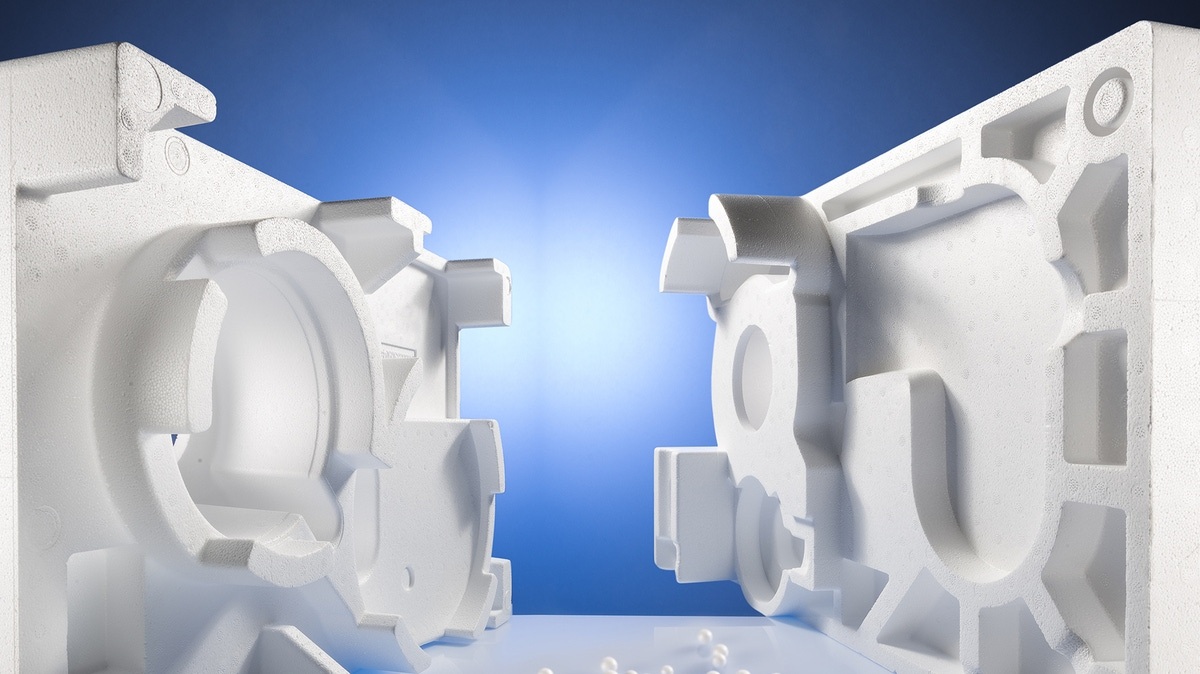
EPS(Expanded Polystyrene) packaging stays popular since it provides a useful blend of padding power, low weight, heat protection, and budget-friendly costs. Expanded polystyrene panels aid in shielding goods from bumps, force, and heat shifts while in storage or on the move. When you grasp the main traits of this material in EPS packaging, it becomes clear why it works so effectively in tasks focused on lasting strength.
What Is EPS Packaging and What Are Its Core Material Properties?
Before we look at how custom EPS packaging boosts safety and eco-friendliness, it’s key to understand what makes this material so strong. EPS foam, or expanded polystyrene foam, is a light, firm, and flexible substance often used in many fields for heat guarding, wrapping, and building work. Its bubble-like makeup gives it great padding ability, yet it keeps its firmness. EPS is a light, solid plastic foam known for its top-notch heat guarding, padding, and impact resistance. With built-in resistance to wear and water-proof features, EPS is a handy material put to use in numerous sectors.
These traits make EPS packaging perfect for guarding sensitive items from hits or shakes. The material’s sealed-cell design stops water from getting in and fights shape changes as time goes on. Quite a few makers boost these features with denser mixes that raise build strength and weight-holding power.
If you’re searching for steady suppliers that mix exact engineering with green-minded making, HUASHENG supplies top-quality expanded polystyrene panels built to fit tough work standards. The firm’s skill is in creating tailored EPS options that balance toughness, heat guarding, and green results.
How Do Expanded Polystyrene Panels Contribute to Modern Packaging Solutions?
Expanded polystyrene panels play a vital part in current shipping setups because they guarantee steady item safety in storage and travel. EPS packaging is commonly chosen in the wrapping field for its fine guarding traits. It delivers padding and shock catching, which suits it well for keeping breakable things safe in delivery and moving. Their even bubble setup not only takes in jolts but also aids in steadying heat-sensitive products by stopping heat ups and downs.
New shaping methods let makers control bubble size in the foam base with care. This evenness boosts lasting power and makes sure every panel handles force evenly under push. For companies moving gadgets or health tools, such steadiness means fewer item breakdowns and less trash in the supply line.
How Does EPS Packaging Design Enhance Product Durability?
A smartly made EPS package does more than just pad; it spreads out force to avoid spot harm. The build toughness of expanded polystyrene panels makes certain that outside hits get soaked up evenly instead of passing right through to the item’s facade. Tailored shapes can be planned to fit exact forms, so every part of your item sits safely in its guard cover.
Strengthened sides add to stacking power in shipping or storage tasks. This shaping freedom lets you get the best guard without extra load, which is a big plus when handling delivery fees or improving load setups.
Why Are Thermal Insulation and Environmental Protection Important in EPS Packaging?
The heat-guarding skill of expanded polystyrene is central to keeping steady inside settings for heat-sensitive items like drugs or fresh eats. EPS is a light, firm foam substance and the top pick in the wrapping and building fields, giving cheap fixes and energy-saving heat guarding. By cutting heat flow, EPS helps avoid moisture buildup on long trips, which lowers spoilage chances while keeping item wholeness.
Heat-level mixes are especially helpful where steady heat control matters most. Since they hold inside settings firm against outside changes, these panels lengthen storage time and cut energy use linked to cooling setups.
What Customization Capabilities Do Modern EPS Packaging Solutions Offer?
Tailoring shapes the coming wave of guard wrapping. You can adjust density, depth, form, and surface to fit your item’s force or look needs.
How Can Tailored Designs Serve Different Industries More Effectively?
Electronics and Appliances: Made-to-fit inserts from expanded polystyrene guard delicate wires from shakes or static sparks, all while keeping packs light to trim delivery costs.
Food and Pharmaceutical Applications: Clean-grade panels match strict food safety rules for direct touch. Their heat steadiness keeps items that spoil easily in safe heat ranges through spread networks. Industrial Equipment and Automotive Components: Dense shapes hold heavy machine parts tight in travel while catching force from road shakes or handle bumps.
How Can Branding Be Integrated Into Protective Packaging Without Compromising Functionality?
Besides work performance, current EPS packaging can show brand style through surface changes like printed marks or raised patterns. These ads keep full guard work while building sight recall, which is a key point when opening packs and ties into buyer-feel marketing plans.
How Sustainable Are Expanded Polystyrene Panels Compared with Other Materials?
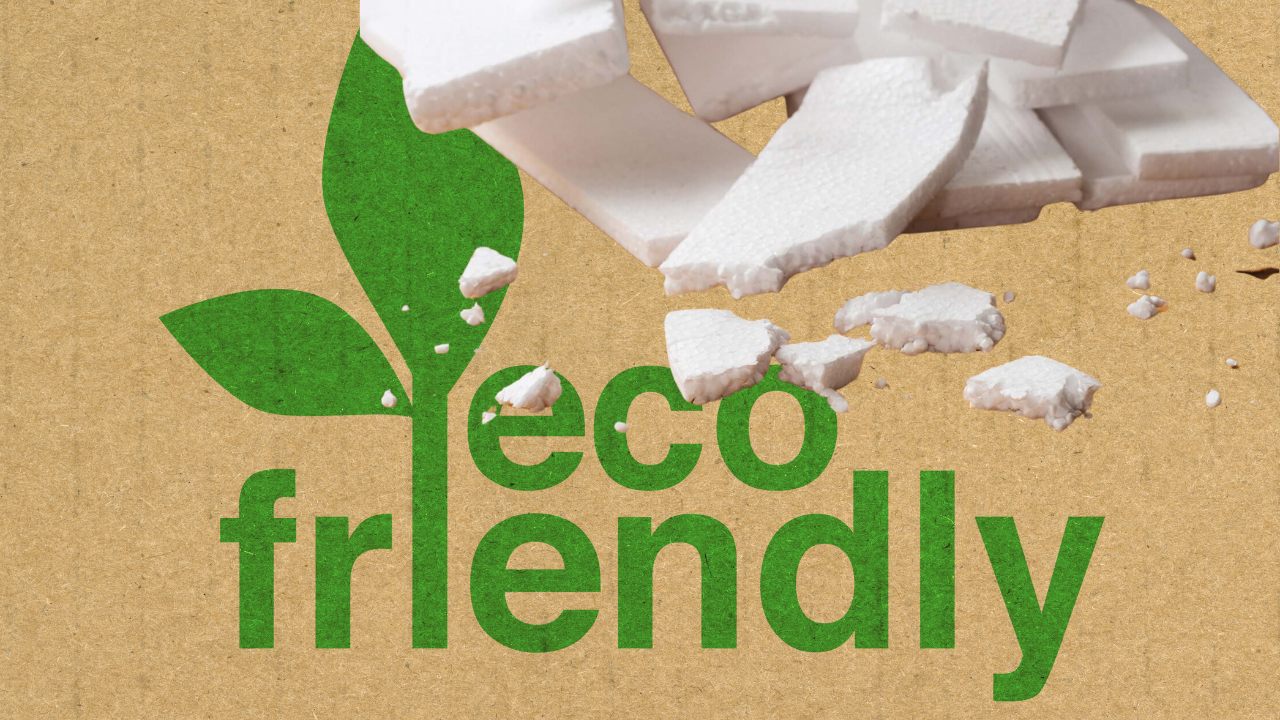
Eco-friendliness now sits at the heart of substantial advances in many fields. Makers use cleaner making ways that cut waste while raising reuse chances.
What Environmental Advantages Come from Advanced Manufacturing Processes?
Energy-saving growth setups lower carbon release by reusing steam in bead-handling steps. This method saves supplies without harming material grade or evenness, fitting with world aims for greener making tasks.
One of the top green perks of expanded polystyrene is its reuse chance. Our molded foams, EPS and EPP, are truly flexible and can be fully recycled at the end of life. Used stuff can be pressed into bits before being reworked into fresh heat boards or shaped parts, making a closed circle that backs round economy ideas. Some makers run pickup plans aimed at getting back foam trash after use for mixing back into manufacturing lines.
Why Does EPS Outperform Alternative Packaging Materials in Sustainability Metrics?
Next to wavy cardboard or shaped-pulp choices, expanded polystyrene gives better lasting-to-weight balances that permit many reuse rounds before wear sets in. Its bounce-back cuts break rates in travel, which drops the need for new sends and lowers full supply use in shipping webs.
What Innovations Shape the Future of Durable Packaging with Expanded Polystyrene Solutions?
Substance study keeps growing toward wiser plastics that adjust under varied force settings. Study groups are making changed bead setups that fight repeated press rounds without dropping bend, which stretches use time even more.
Smart shaping tech now allows exact density rules in mixed plans that blend firm centers with bendy areas for multi-layer guard systems fitting across varied fields, from buyer gadgets to car parts.
Besides usual wrapping jobs, expanded polystyrene panels are gaining use in spots like cold-chain shipping or green building heat guarding, thanks to their special mix of lightness, toughness, and heat works. EPS offers the perfect combination of mechanical and physical properties, which makes it ideally suited for use within the construction industry. This wide-field flexibility shows why putting money in reusable stuff like EPS brings both money steadiness and green duty over time.
For those wanting full fixes that mix new ideas with eco-surety, HUASHENG Expanded Polystyrene Panels give steady grades under ISO-checked steps while backing clients’ pushes toward greener supply lines through closed-circle reuse plans.
FAQ
Q1: Is EPS packaging safe for direct contact with food?
A1: Yes. Food-grade variants are manufactured under hygienic conditions compliant with international safety regulations, ensuring no contamination risk during storage or transport.
Q2: Can used EPS packaging be recycled easily?
A2: Absolutely. It can be compacted into smaller pellets and then remolded into new foam products such as insulation boards or protective inserts without losing core performance characteristics.
Q3: What makes custom-molded EPS better than standard foam sheets?
A3: Custom molds match your product’s geometry precisely, offering superior shock absorption while reducing wasted space inside cartons—resulting in lighter shipments and enhanced cost efficiency overall.
 English
  German
  Spanish
  French
  Arabic