
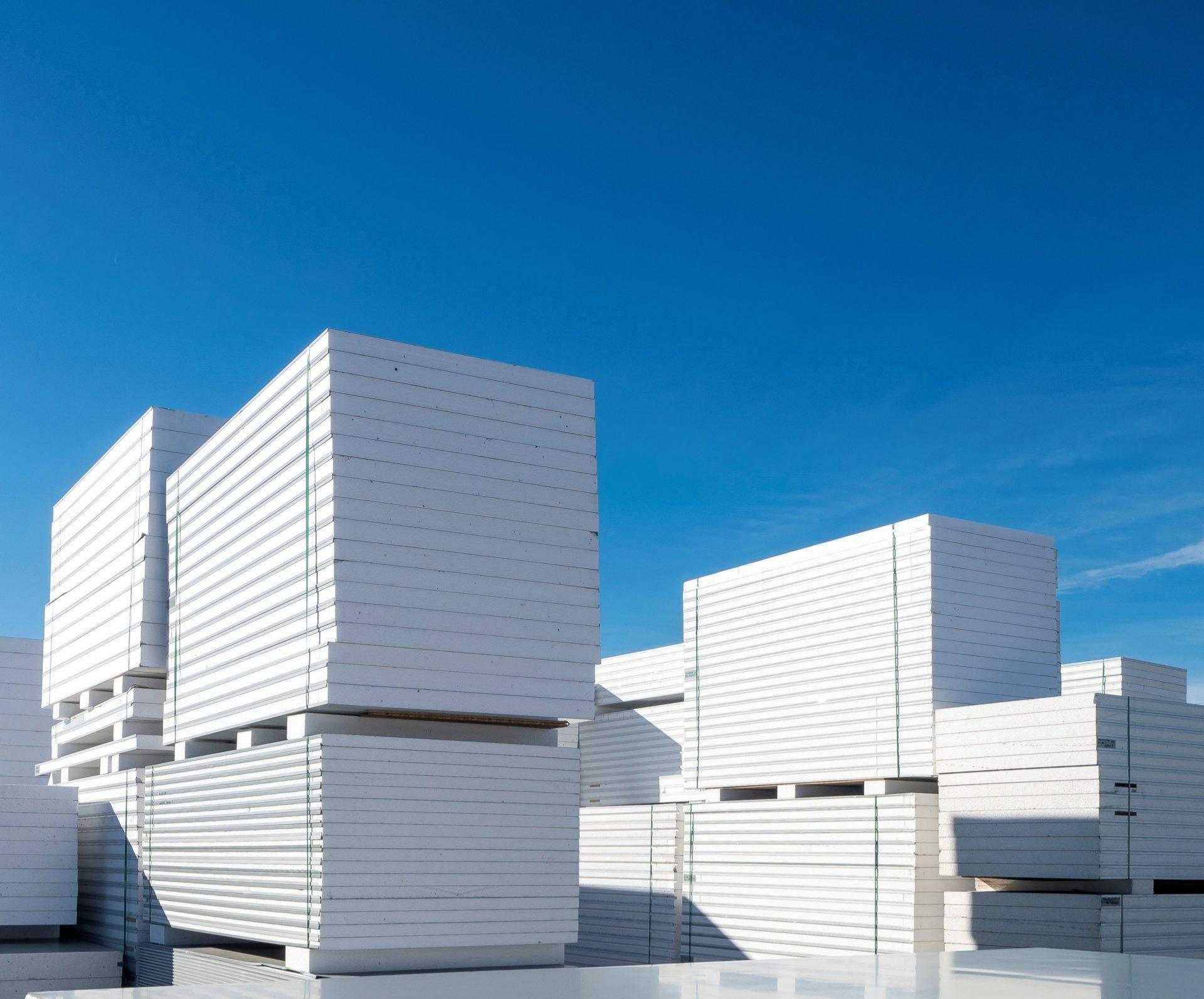
Selecting good EPS panels begins with grasping how the material performs in actual building tasks, rather than just reviewing supplier promises. EPS panels stand out for their strong insulation ability, low weight, and easy setup, which turns them into a smart choice for various construction jobs. Before checking supplier standards, it helps to learn what EPS panels are and how they operate.
What Are EPS Panels and How Do They Work?
As you pick insulation options for your work, it’s key to see what sets Expanded Polystyrene (EPS) panels apart. EPS is a light, firm plastic foam known for its great heat insulation, padding, and impact resistance. It has built-in resistance to aging and stays dry in water, so EPS works well in many fields. This makeup provides EPS panels with their main features—strength, steadiness, and excellent heat-blocking power.
You often see EPS in packaging for food and gadgets, where it offers solid protection for fragile goods during shipping and keeping. Its heat-blocking traits also make it a top pick in building, serving as a useful insulator for walls, roofs, and floors. When compared to polyurethane (PU) or extruded polystyrene (XPS), EPS panels give strong value for money without losing heat efficiency. Since builders seek more energy savings in structures, picking the right insulator matters a lot. Among the choices, EPS sheets have become one of the best and cheapest ways. This lets you gain improved energy results at a smaller expense.
Where Are EPS Panels Used in Modern Projects?
EPS panels fit into more than just one building style—they appear in home neighborhoods, business buildings, and factory sites. Their flexibility lets them join wall covers, roof setups, and even floor insulators. Since they weigh little but hold up well, these panels make putting in easier while keeping good weight support. A top case of this range is HUASHENG, a firm noted for fresh EPS ideas in different works. They show how specially made EPS can boost both function and green results.
What Should You Look for When Evaluating EPS Panel Quality?
As you compare EPS panel suppliers, pay attention to clear measures that show true use performance. Density sets the build strength; compressive strength shows how much the panel fights bending; and thermal conductivity sets its heat-holding skill. Fire resistance levels matter just as much to meet safety rules.
Trusted makers stick to firm quality controls like ISO certification to keep steady output in each batch. Firms that use machine-based checks make sure even density is spread—a big part of getting steady heat results in every placed panel.
How Does Durability Affect Environmental Performance?
Lasting power counts when judging worth over years. Fine EPS panels fight off water uptake and keep their form even with heat changes. Green-focused makers now use cleaner methods—like closed-loop recycling—that cut down trash. For all your building and packaging wants, count on our top, tested expanded polystyrene goods. You can get wholesale EPS products from our Epsole and get a material that meets your goals of water resistance, heat efficiency, and lasting work. This way not only boosts green efforts but also gives sure outcomes in varied weather.
How Do Manufacturing Capabilities Influence Supplier Selection?
The methods directly shape product trust. Modern ongoing foaming setups allow tight control over foam cells and even density. Machine cutting tools cut size mistakes in . making sure each panel joins smoothly when set up.
Firms that put money into new making setups can supply steady goods in big amounts while holding quality marks. Openness in getting raw stuff from known polystyrene makers also builds faith between seller and buyer. Outside testing adds proof to claims about compressive strength or R-value measures—giving you trust that details match real site results.
Which Performance Factors Distinguish Leading Suppliers?
Why Is Thermal Efficiency So Important?
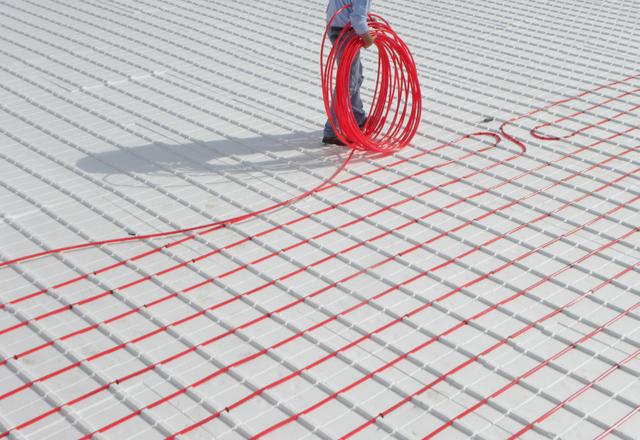
Heat efficiency shapes building energy use right away. Thicker EPS panels often give stronger insulation since they cut heat flow through walls or roofs. As building experts point out, “these sheets provide better thermal insulation, cost-effectiveness, and durability,” which means less need for heating or cooling all year. Top-grade panels get made to reach the best R-values while keeping light traits—making them great for fixes and new builds aimed at energy cuts.
How Does Structural Integrity Support Installation Flexibility?
Besides heat-holding skill, building firmness gives steadiness under push or outer force. The simple way to cut or form EPS on-site aids workers to save time without losing care. Light build eases moving in shipping but holds enough stiffness once placed—cutting full work costs while raising project speed.
How Should You Balance Price with Long-Term Value?
Cost by itself should not guide your pick when choosing EPS panel suppliers. The cheapest offer might weaken strength or evenness later. Rather, check full-life costs: think about upkeep needs, swap times, and likely energy gains from better heat efficiency.
Buying in large amounts often drops unit prices a lot; Buying EPS foam in bulk can lead to significant cost savings. Suppliers often offer discounts for large orders, reducing the per-unit cost. When paired with long energy perks, better panels usually bring stronger payoff than low-cost ones.
Why Are Warranty Terms and Support Services Crucial?
Full warranties guard against maker flaws or early breakdowns—offering peace throughout your work’s life. Quick after-sale help gives tech advice on plan or setup steps. HUASHENG gives focused advice services backed by skilled engineers who aid buyers from first details to after-setup reviews.
Can Customization Improve Project Outcomes?
Tailoring lets you fit panel traits exactly to your work’s weather needs. Choices cover different thicknesses to match local weather rules or changing density based on if insulation acts as decor or build support.
Makers with bendy making can give custom-cut sizes matched to design plans—cutting waste in putting together while best-fitting in pre-made parts or mixed setups. Matching well with steel frames or concrete walls grows use chances; sandwich builds with layers boost force strength without too much added weight.
Why Does Supplier Reputation Matter So Much?
Know-how counts when picking teams for big builds. Set suppliers show clear histories backed by buyer lists from home high-rises to factory stores. Outside certs confirm sticking to world standards, while buyer views show trust over many team-ups.
Smooth shipping lines promise on-time drops—a key part when handling short build times or large buy rounds. Solid suppliers keep enough stock to meet asks fast without hurting product wholeness through hurried steps.
What Future Trends Will Shape EPS Panel Development?
New ideas keep changing what’s doable in this area. Fire-safe mixes now raise safety fits for tall buildings, while smart heat tech allows live checks of heat measures inside structures.
Green focus remains main as world markets shift to reusable stuff with small carbon marks. EPS is a versatile material extensively utilized in various industries, but future advancements will emphasize circular economy models where offcuts are reprocessed into new products rather than discarded as waste—supporting eco-conscious construction practices worldwide.
FAQ
Q1: What makes EPS panels different from other insulation materials?
A1: They combine lightweight structure with high thermal resistance at an affordable price point while offering moisture resistance superior to many alternatives like PU foams.
Q2: How long do quality EPS panels last?
A2: When properly installed and protected from UV exposure, they maintain stable performance for decades due to their closed-cell structure resisting water absorption and deformation.
Q3: Can I order customized sizes directly from manufacturers?
A3: Yes, reputable EPS panel suppliers provide custom-cut dimensions based on architectural drawings to ensure precise fitment within wall or roof assemblies.
 English
  German
  Spanish
  French
  Arabic