
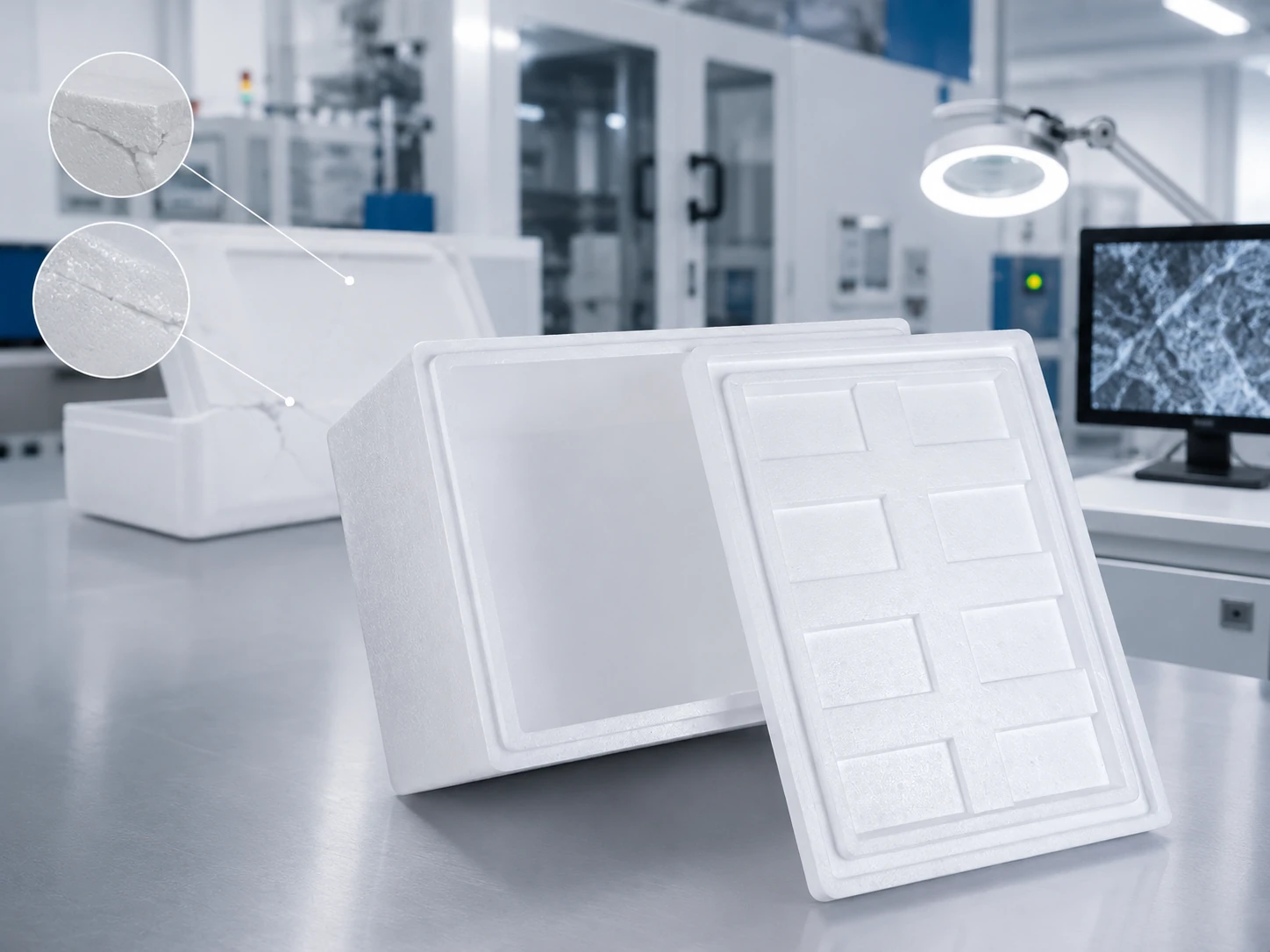
Incluso cuando una pieza de embalaje de EPS parece aceptable inmediatamente después del moldeo, pueden aparecer grietas, deformaciones y una fusión deficiente de los cordones. Las paredes delgadas, las esquinas, las nervaduras de refuerzo, las superficies de contacto con la tapa y las áreas con un empaquetamiento irregular de los cordones pueden convertirse en puntos débiles durante el desmoldeo, el apilamiento, el almacenamiento o el transporte.
En el moldeo de EPS, la superficie externa es solo una parte del resultado. Un componente de embalaje puede parecer completamente formado, pero su densidad interna, la unión de los cordones o las tensiones residuales pueden ser irregulares. Su rendimiento final depende de la interacción entre el tamaño de los cordones, el comportamiento del flujo, la relación de expansión, la densidad del molde, la penetración del vapor, el enfriamiento, el diseño del molde y los ajustes de la máquina.
HUASHENG El material Rapid Prototyping Grado B está diseñado para aplicaciones de embalaje moldeado, como embalajes para electrodomésticos, cerámica, cajas de pesca, cajas para frutas y verduras, flotadores, artesanías y embalaje en general. Sus cordones uniformes, flujo suave, fuerte fusión de los cordones, corto tiempo de curado, rápido desmoldeo y eficiencia de enfriamiento al vacío proporcionan un punto de partida práctico para el moldeo de prueba estable y la producción en masa.
¿Por qué las piezas de embalaje de EPS se agrietan, se deforman o presentan una fusión de perlas débil?
El agrietamiento, la deformación y la fusión deficiente son defectos relacionados, pero distintos. Su ubicación, el momento en que se producen y el aspecto de la fractura pueden ayudar a determinar si la causa principal reside en el llenado, la fusión, el enfriamiento, la distribución de la densidad, el diseño de la pieza o las condiciones de manipulación.
Las grietas comienzan en zonas débiles locales, no siempre en el punto de impacto.
Una grieta no siempre comienza donde se produce el impacto final. A menudo se origina en una pared delgada, una esquina afilada, una nervadura de refuerzo, una transición de llenado o la interfaz de la tapa, donde se concentra la tensión. Un empaquetado irregular de las perlas puede generar una diferencia de densidad localizada dentro de la pieza moldeada. Si además esa zona recibe vapor o refrigeración insuficientes, puede permanecer oculta hasta que el embalaje se desmolde, apile, deje caer, comprima o cargue durante el transporte.
La trayectoria de la fractura proporciona otra pista. Una rotura que atraviesa cuentas bien fusionadas sugiere que la estructura soportó carga antes de fallar. Una fractura que sigue los límites de las cuentas suele indicar una fusión insuficiente o un procesamiento irregular.
La deformación refleja una expansión desigual, calentamiento, enfriamiento o tensión residual.
La deformación se produce cuando distintas zonas de una pieza de embalaje moldeada se expanden, calientan, enfrían o contraen a ritmos diferentes. Las secciones gruesas y delgadas no necesariamente reaccionan de la misma manera al vapor y al enfriamiento. Un componente puede salir del molde con dimensiones aceptables, pero deformarse durante el acondicionamiento o el almacenamiento si un lado retiene más calor o presión interna.
Esto es especialmente importante para tapas, paredes laterales largas, paneles planos y embalajes con espesor de pared irregular. Incluso una deformación moderada puede afectar el apilamiento, el ajuste de la tapa, el espacio libre interno y la forma en que se transfieren las cargas a través del embalaje.
La fusión débil muestra que las perlas se expandieron pero no formaron una estructura continua.
Una cavidad del molde puede parecer completamente llena, aunque las uniones entre los cordones permanezcan débiles. Es posible que los cordones individuales se hayan expandido, pero no se han adherido lo suficiente como para formar una estructura continua que soporte la carga. Entre las posibles causas se incluyen una penetración insuficiente de vapor, una ventilación obstruida, un estado inadecuado de los cordones, una densidad desigual o un enfriamiento prematuro.
Aumentar la presión de moldeo o el tiempo de calentamiento sin identificar la causa puede provocar colapso superficial, contracción excesiva, ciclos más largos o variaciones dimensionales. Por lo tanto, la fusión debe evaluarse junto con el llenado, la densidad, la distribución del vapor y el enfriamiento.
¿Qué variables del material modifican el resultado del moldeo?
Un resultado estable en el moldeo de EPS comienza con un material que se ajuste a la geometría del molde, la densidad deseada, el equipo y el rendimiento de embalaje requerido. La selección de la materia prima influye en el llenado, la expansión, la fusión de los cordones, el tiempo de ciclo y la repetibilidad del lote.
El tamaño y el flujo de las perlas determinan si las esquinas y las nervaduras se llenan de manera uniforme.
La distribución del tamaño de las perlas y el comportamiento del flujo influyen en la facilidad con que el material llega a cavidades estrechas, esquinas, nervaduras de refuerzo y secciones de pared delgada antes de que comience el moldeo. Si las perlas se acumulan en un paso estrecho o fluyen de forma irregular alrededor de un inserto, la superficie puede parecer completa, aunque la densidad interna siga siendo baja.
Las perlas más pequeñas pueden ser útiles para cavidades con detalles precisos, pero el tamaño de la perla no debe considerarse de forma aislada. El sistema de llenado, las ventilaciones del molde, el estado de la perla preexpandida y la densidad requerida también deben ser compatibles con el material seleccionado.
La relación de expansión y la densidad moldeada deben coincidir con el espesor de la pared y las necesidades de protección.
Una mayor relación de expansión puede reducir el peso del embalaje y el consumo de materia prima, pero también modifica la cantidad de polímero disponible en un volumen determinado. Una expansión excesiva puede reducir el margen de procesamiento para lograr una fusión fuerte e integridad estructural.
Una mayor densidad no siempre es la mejor solución. Si bien puede mejorar la rigidez o la resistencia a la carga, también puede aumentar el consumo de material y modificar los requisitos de vapor y refrigeración. En el caso de los envases de poliestireno moldeado, la densidad óptima debe reflejar el espesor de la pared, el peso del producto, la exposición a impactos, la carga de apilamiento, la estabilidad dimensional y los requisitos de transporte.
La consistencia de las perlas afecta la repetibilidad de un lote a otro.
Un tamaño de cordón, un comportamiento de expansión y un flujo uniformes permiten que la misma configuración de molde y máquina produzca piezas comparables en ciclos repetidos. Cuando el comportamiento de la materia prima varía, la misma configuración puede generar patrones de llenado, densidades de moldeo, niveles de fusión, tiempos de enfriamiento o dimensiones finales diferentes.
La consistencia del material cobra especial importancia cuando se necesita reproducir una muestra exitosa en la producción a gran escala. Un buen resultado en una prueba tiene un valor limitado si los lotes posteriores requieren ajustes repetidos en el proceso para mantener la misma calidad de empaque.
¿Qué condiciones del proceso deben verificarse antes de culpar a la materia prima?
La selección de materiales no puede compensar todos los defectos de moldeo. La distribución del vapor, la ventilación, la refrigeración, el tiempo de desmoldeo, la geometría del molde y la estabilidad de la máquina también deben ser adecuados para el diseño del envase.
Fusión del control de penetración y ventilación de vapor en toda la pieza.
El vapor debe llegar a todas las bolitas del molde para que sus superficies se ablanden y se fusionen. Una ventilación deficiente, la obstrucción de los conductos de vapor o un calentamiento irregular pueden provocar que algunas zonas queden parcialmente fusionadas, incluso cuando la superficie externa parezca aceptable. Las nervaduras complejas, las cavidades profundas y los cambios bruscos en el espesor de la pared pueden dificultar la distribución del vapor.
El objetivo no es simplemente aplicar más vapor, sino proporcionar un calor suficiente y razonablemente uniforme en toda la pieza sin sobrecalentar la superficie, generar una presión excesiva ni prolongar el ciclo innecesariamente.
El enfriamiento y el desmoldeo influyen en la estabilidad de la forma.
Tras el moldeo por vapor, la pieza aún contiene calor y presión de vapor interna. El enfriamiento debe reducir dicha presión y estabilizar la forma antes de retirar el embalaje del molde. Un desmoldeo prematuro puede provocar una expansión o contracción continua fuera del molde, mientras que un enfriamiento desigual puede dejar una zona estable y otra con tensiones internas.
El enfriamiento al vacío, el enfriamiento por agua, la temperatura del molde, el espesor de la pieza y el tiempo de desmoldeo deben evaluarse como una secuencia única. Si un componente cambia de forma solo después de ser retirado, las etapas de enfriamiento y acondicionamiento merecen especial atención.
El diseño del molde y la configuración de la máquina pueden generar defectos localizados.
La posición de alimentación, la ubicación de las ventilaciones, la profundidad de la cavidad, las transiciones del espesor de la pared, los insertos y las nervaduras de refuerzo pueden afectar el llenado y la fusión. La presión de la máquina, el tiempo de llenado, el control del vapor y la estabilidad del ciclo añaden variables adicionales.
Un defecto que se desplaza entre piezas o lotes puede indicar cambios en el material o en las condiciones del proceso. Un defecto que se repite en la misma esquina, nervadura o transición de pared probablemente esté relacionado con la geometría del molde, la trayectoria de llenado o la distribución local del vapor. Por este motivo, al solucionar problemas de moldeo de EPS, se debe registrar dónde se produce el defecto y cuándo se hace visible.
Cómo el prototipado rápido HUASHENG Grado 'B admite el moldeo de envases de EPS estables
HUASHENG Prototipado Rápido Grado 'B es un prototipado rápido versátil. material EPS de calidad para embalaje Desarrollado para aplicaciones que van desde cajas a granel hasta componentes de embalaje personalizados. Se utiliza para el embalaje de electrodomésticos, cerámica, cajas de pesca, frutas y verduras, flotadores, artesanías y embalaje en general.
Este material de embalaje de poliestireno expandido es compatible con máquinas de moldeo automáticas y equipos de moldeo eléctricos. HUASHENG destaca entre sus principales características el tamaño uniforme del cordón, el flujo suave, el moldeo estable, el curado corto, el desmoldeo rápido, el enfriamiento al vacío eficiente y la fuerte fusión del cordón.
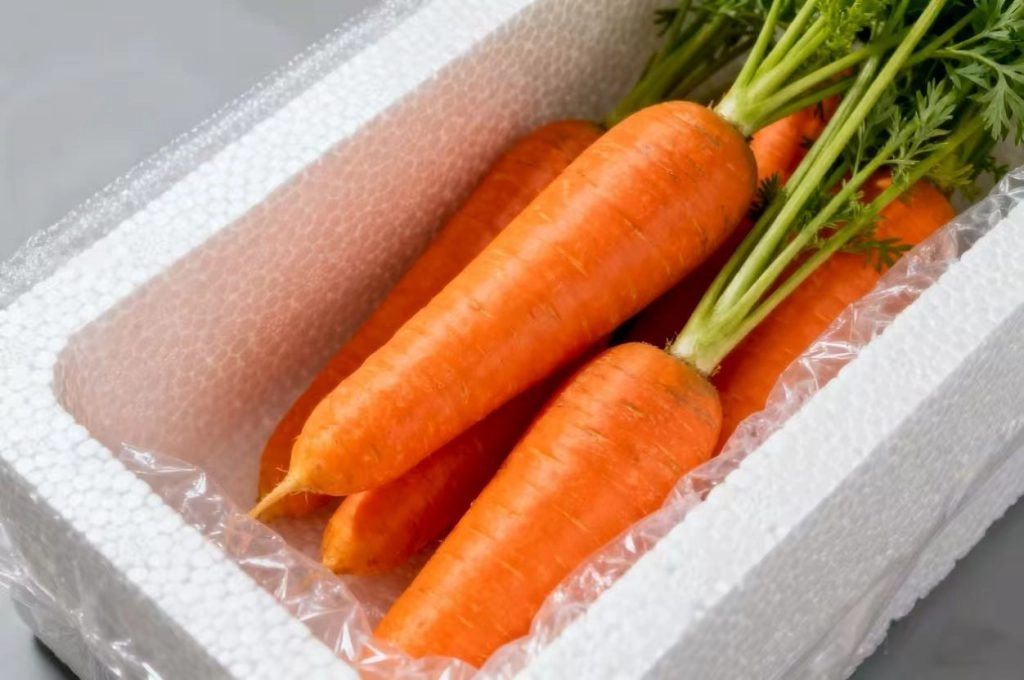
Perlas uniformes y flujo suave que permiten el empaquetado de cavidades complejas.
El grado B se caracteriza por un tamaño de cordón uniforme y una estructura de material de flujo suave. Estas características favorecen un llenado más homogéneo en moldes de embalaje con esquinas, nervaduras, pasajes estrechos y secciones con diferentes espesores de pared. Si bien la uniformidad no elimina la necesidad de un sistema de llenado adecuado, proporciona al fabricante una materia prima más estable para la fabricación de piezas complejas de espuma EPS.
La fuerte fusión de perlas mejora la integridad de las piezas de embalaje moldeadas.
HUASHENG describe el Grado B como un material con una fuerte fusión del cordón y alta resistencia al impacto tras el moldeo. Estas características son relevantes para envases expuestos a vibraciones, compresión, caídas, manipulación repetida o apilamiento. Una fuerte fusión no sustituye un diseño y procesamiento adecuados de la pieza, pero proporciona una base de material útil que debe complementarse con una correcta penetración de vapor, densidad, enfriamiento y condiciones de moldeo óptimas.
El curado rápido, el desmoldeo veloz y el enfriamiento al vacío permiten ciclos repetibles.
La página del producto Grado B destaca como características clave de procesamiento el corto tiempo de curado, el rápido desmoldeo en máquinas de conformado automáticas y la mayor eficiencia de enfriamiento al vacío. Estas características permiten ciclos de producción más cortos y repetibles cuando el molde y el equipo están configurados correctamente, lo que ayuda a que una pieza de prueba exitosa se mantenga reproducible en un pedido mayor.
Los grados 301, 302, 303 y 401 proporcionan puntos de partida más claros para las pruebas de moho.
HUASHENG ofrece especificaciones de grado B (301, 302, 303 y 401) con diferentes rangos de tamaño de partícula y relación de primera expansión. Estas opciones permiten considerar el material de partida en función de los detalles de la cavidad, el espesor de la pared, la ruta de llenado, el peso objetivo, la densidad del molde, el tipo de equipo y el tiempo de ciclo requerido.
Un rango de tamaño de partícula más pequeño puede ser un buen punto de partida para cavidades detalladas o secciones más delgadas, mientras que un rango más amplio puede ser más adecuado para cavidades más abiertas y envases a granel. La selección final debe confirmarse mediante una prueba de moldeo real, en lugar de basarse únicamente en el tamaño de partícula.
Cómo validar el material antes de pasar de las piezas de prueba a la producción en masa.
Una sola muestra con una superficie limpia no basta para aprobar la producción en masa. La validación debe examinar el llenado, la fusión, la densidad, las dimensiones, el comportamiento ante impactos y la retención de la forma en condiciones que reflejen la aplicación real del envase.
Comparar la ubicación del defecto, la superficie de fractura, la densidad y las dimensiones.
Comience registrando si el defecto se produce en una esquina, nervadura, interfaz de la tapa, punto de llenado, transición de pared o área plana amplia. La superficie de fractura puede ayudar a distinguir entre sobrecarga estructural y unión débil de los cordones. La separación principalmente a lo largo de los límites de los cordones indica un problema diferente al de una rotura que atraviesa cordones bien fusionados.
Las mediciones de densidad en diferentes puntos, el peso de la pieza, las medidas dimensionales y los cambios tras el acondicionamiento aportan información adicional. Estas observaciones facilitan la decisión de si el siguiente ajuste debe estar relacionado con la especificación del material, el llenado, el vapor, el enfriamiento, el molde o el diseño de la pieza.
Pruebas de llenado, fusión, impacto y retención de forma en condiciones reales de la pieza.
La pieza de prueba debe utilizar la geometría de embalaje prevista, el peso objetivo, el espesor de pared, la dirección de carga y el método de manipulación. Una muestra simplificada podría no reproducir las cavidades estrechas, las concentraciones de tensión ni el comportamiento de enfriamiento del producto final.
La evaluación de prueba debe incluir la integridad del relleno, la fusión en áreas críticas, las dimensiones después del acondicionamiento, la respuesta al impacto, el comportamiento de apilamiento y la retención de la forma. Modificar una variable a la vez facilita la interpretación del resultado y evita que varios ajustes simultáneos oculten la causa real del defecto.
Utilice el soporte de I+D, producción y personalización de HUASHENG para perfeccionar la prueba.
HUASHENG se especializa en la investigación, producción y desarrollo de aplicaciones de materiales EPS y ofrece soporte de materiales personalizado para diferentes requisitos de embalaje. Antes de una prueba de grado B, los clientes pueden proporcionar las dimensiones de la cavidad, el espesor de la pared, la densidad objetivo o el peso de la pieza, el tipo de equipo, las condiciones de preexpansión, la configuración actual del proceso y fotografías de los defectos.
Las muestras fracturadas o las imágenes de primer plano de los bordes de las perlas pueden proporcionar información adicional. Esto permite considerar conjuntamente las especificaciones del material y las condiciones de prueba, con el objetivo de establecer un rango de procesamiento viable que pueda repetirse durante la producción en masa.
Preguntas frecuentes
P1: ¿Qué causa la fusión débil de los cordones en el moldeo de EPS?
La fusión débil se produce cuando las perlas expandidas no se unen lo suficiente para formar una estructura continua. Entre las posibles causas se incluyen una penetración insuficiente del vapor, una ventilación deficiente, un empaquetamiento desigual de las perlas, un estado inadecuado de las perlas preexpandidas, una baja densidad local o un enfriamiento prematuro. Si una pieza se separa principalmente a lo largo de los límites de las perlas, se debe verificar la fusión junto con la distribución del vapor, la ventilación, la densidad y el enfriamiento.
P2: ¿Una mayor densidad de EPS puede prevenir las grietas y la deformación del embalaje?
Una mayor densidad puede mejorar la rigidez o la resistencia a la carga en algunos diseños de envases, pero no puede evitar todas las grietas o deformaciones. Una grieta aún puede originarse por una esquina afilada, un llenado incompleto, una fusión débil, una mala distribución del vapor o una carga de manipulación concentrada. La deformación puede ser consecuencia de un calentamiento o enfriamiento desigual, la presión residual o las diferencias en el espesor de las paredes.
P3: ¿Cómo debe un fabricante de moldes elegir entre las especificaciones de grado B de HUASHENG?
La especificación inicial debe reflejar los detalles de la cavidad del molde, el espesor de la pared, la densidad objetivo, la ruta de llenado, el tipo de equipo y la eficiencia de producción requerida. Los grados 301, 302, 303 y 401 ofrecen diferentes rangos de tamaño de partícula y relación de primera expansión. Se debe realizar una prueba de muestra para confirmar el llenado, la fusión, las dimensiones, el comportamiento ante impactos y la retención de la forma antes de la producción en masa.
Conclusión
Las grietas, deformaciones y la fusión deficiente son consecuencia de la interacción entre las especificaciones de la materia prima, el diseño del embalaje, la estructura del molde y las condiciones de procesamiento. Aumentar la densidad o modificar un único parámetro de la máquina no soluciona de forma fiable todos los defectos.
El material HUASHENG Rapid Prototyping Grado B proporciona cordones uniformes, flujo suave, fuerte fusión, curado corto, desmoldeo rápido y compatibilidad con equipos de moldeo comunes. Sus especificaciones 301, 302, 303 y 401 ofrecen diferentes puntos de partida para moldes de embalaje con distintos detalles de cavidad y requisitos de densidad.
La coincidencia del material con el diseño real de la pieza y su validación en condiciones de producción puede reducir los riesgos de defectos y variaciones de lote. Los clientes pueden compartir las dimensiones de la pieza, el espesor de la pared, el tipo de equipo, el peso objetivo, la configuración del proceso y las fotos de defectos con HUASHENG para discutir los requisitos de moldeo antes de definir el próximo ensayo.
 Spanish
  English
  German
  French
  Arabic