
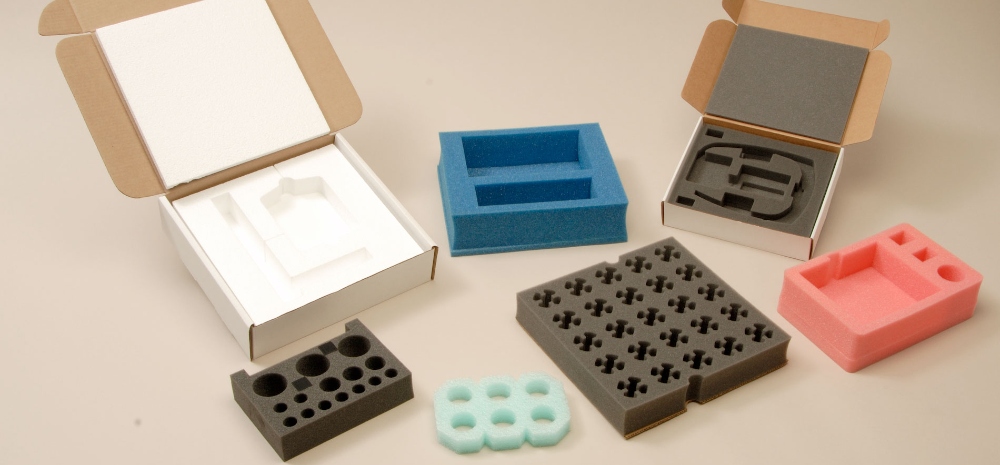
تتعامل مجالات الشحن والمبيعات عبر الإنترنت الحالية مع مشكلة مشتركة. عليهم التأكد من وصول المواد بأمان. وفي نفس الوقت، يريدون خفض تكاليف التسليم والضرر الكوكبي. الشركات التي تتعامل مع الأدوات أو الأدوات الصحية أو المنتجات التي يمكن كسرها بسهولة غالبا ما تتحارب مع حزم لا تحرس بما يكفي. أو يضيفون حمولة إضافية. تتحول مواد الشحن الرغوة المتقدمة إلى أساسية هنا.
فهم وظيفة الرغوة في التعبئة الواقية
أنواع الرغوة تحتل مكانا مهما في اليوم’ حزم آمنة. يأخذون في الاهتزازات والصدمات وقوى الضغط كما تسافر البضائع. الإعداد مثل الخلية ينشر الطاقة بشكل جيد. وهذا يتجنب الضرر للأجزاء الحساسة. بالإضافة إلى ذلك ، فإن بناء مواد التعبئة الرغوية خفض تكاليف النقل. ويحافظ على الشكل والقوة. وهذا يعطي ميزة رئيسية للسلاسل العالمية التي تقدر توفير المال وخفض التلوث.
تتيح أوزان الرغوة المختلفة للناس التكيف مع ضعف البند. خذ المواد الخفيفة الإضافية P، على سبيل المثال. يعمل كأساس EPS(البوليستيرين الموسع). إنه يعمل بشكل جيد مع تشكيلات الفراغ التلقائية وأجهزة ورقة كبيرة. يصل إلى وزن أقل من خلال نمو الفقاعة السريع. على النقيض من ذلك، توفر الرغوة الأكثر كثافة قبضة قوية للأعمال الشاقة مثل آلات المصانع أو مكونات السيارات. هذه المرونة تحول الرغوة حيوية في العديد من المناطق.
مقارنة الأنواع الشائعة من الرغوة المستخدمة في التعبئة والتغليف
من العديد من أنواع الرغوة ، يقود البولي إيثيلين (PE) ، والبولي يوريثان (PU) ، والبولي ستيرين (PS) المجال. يفعلون ذلك بسبب خصائص عملهم الخاصة. رغوة PE يجلب الانحناء وكتلة الماء. يناسب الأدوات والأدوات الراقية التي تحتاج إلى وجوه لمسة ناعمة. PU يبرز في صدمة تأخذ للأدوات الدقيقة. PS ، ومع ذلك ، يعطي حارس على شكل صلب للأشياء الكبيرة أو السميكة.
ترى المواد القياسية الإلكترونية استخدام واسع في حزم الطاقة والكتل الحرارية والمساعدين العائمين والحرف اليدوية والديكور والصب القالب. سرعة الفقاعة السريعة وحتى وجهها تجعلها شعبية. بنفس الطريقة ، تناسب درجة النماذج الأولية السريعة B حزم أجهزة الطاقة وحزم الوعاء. يزيد من السرعة على شكلات السيارات. تظهر هذه الحالات كيف تلبي مستويات EPS احتياجات حارس معينة في إعداد شحن واحد.
تطور مواد التعبئة القائمة على الرغوة نحو عام 2026
تسريع تغييرات حزمة إلى إجابات أكثر حكمة ونظافة. تتحول الشركات لتتناسب مع قواعد خضراء أكثر صرامة وإعدادات الشحن عبر الإنترنت.
التقدم التكنولوجي الذي يدفع الابتكار في تصنيع الرغوة
طرق الضغط والتشكيل الطازجة تعزز الدقة في صنع الرغوة. هواشنغ جلب أعلى معدات الجرافيت البوليستيرين - طاردة مزدوجة المسمار - من أوروبا في عام 2015. يقود العمل الجديد في مجالات منزلية منخفضة الطاقة. هذا الإنفاق يسلط الضوء على كيفية تحسين الأدوات الدقيقة أوزان الرغوة الثابتة وبناء الخلايا.
يتم صنع رغوة الخلية المختومة للقوة وإعادة الاستخدام. تضيف المواد الذكية الآن مراقبين يتتبعون الاصطدامات أو التحولات الحرارية في الإرسالات. هذا يثبت المفتاح لخطوط باردة المخدرات أو الأدوات عالية السعر. وتتناسب هذه الخطوات مع خطط مختبر التوأم الرقمي لـ HUASHENG. يقومون باختبار الخطوات لتحقيق أفضل نتائج العمل.
اتجاهات الاستدامة التي تؤثر على تطوير تغليف الرغوة
يبقى التركيز الأخضر جوهر خطط الرغوة الجديدة. HUASHENG وضع أول خط ذكي للبوليستيرين. يعمل على بدايات إعادة تدوير كاملة عن طريق طريقته الخاصة "ثلاثية الدورة". هذا يحصل على أكثر من 95٪ معدل إعادة الاستخدام. كما يقلل من استهلاك الطاقة بنسبة 30%. الخطوات الجديدة مثل إعادة استخدام الكيمياء الآن سحب البلاستيك من الرغوة القديمة. الجودة تبقى ثابتة.
كما تنهي إعدادات القانون أنواع PS غير القابلة لإعادة الاستخدام. بحلول عام 2026 ، سيقود المصنعون الذين يدفعون إلى خلطات الانهيار أو إعادة الاستخدام الجزئي قوائم الشراء. حقول التجزئة والشحن تبحث عن سلاسل خالية من الكربون.
تنوع ورق رغوة البولي إيثيلين في تصميم التعبئة والتغليف المخصص
أوراق رغوة البولي إيثيلين تلمع بين مواد التعبئة الرغوة. يخلطون الانحناء مع القوة الصلبة. هذه الصفات مهمة لخطط آمنة مصممة لتناسب في العديد من المجالات.
قدرات التخصيص لفئات منتجات متنوعة
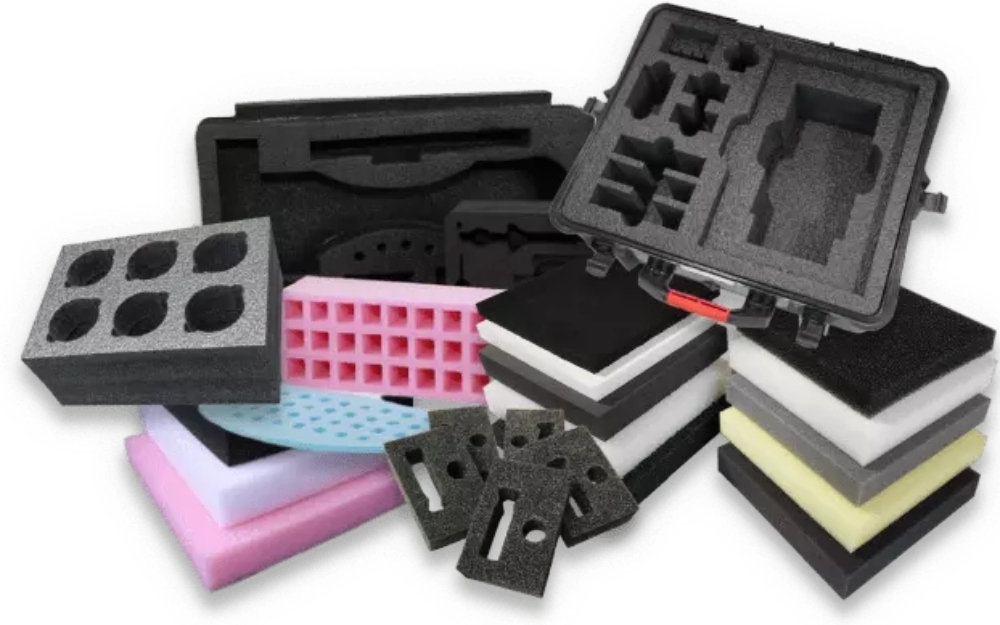
يمكن للناس قطع، طبقة، أو حرارة شكل البولي إيثيلين ورق رغوة إلى تطابق أشكال صعبة بالضبط تعطي الإعدادات المتراكمة حشوة مخصصة للأدوات أو الأدوات الصحية أو مجموعات السيارات التي تحتاج إلى قطع هزة. قامت HUASHENG بإصلاحات EPS باستخدام قاعدة المواد وأنظمة النموذج. إنهم يضبطون البناء الصغير حسب احتياجات المشتري. هذا يضمن أن كل ورقة تصل إلى حدود الحجم الصحيح.
العلامات اللونية تعزز عرض العلامة التجارية أكثر. تقسيم أنواع المنتجات حسب البصر. الحماية تبقى متساوية. هذا يساعد في حزم أدوات المشتري حيث يتم عرض الأشكال على غرار الصندوق المفتوح.
التكامل مع مواد التعبئة والتغليف الأخرى لتحسين الأداء
خلط رغوة البولي إيثيلين مع لوحات الموجة يبني أنظمة مختلطة. إنها تعزز الشكل عقد دون فقدان الوسادة العمل. إضافة الأفلام أو الأقمشة حتى كتلة فرك ونظر إلى السحب. هذا يساعد في تعبئة العناصر المشتري الأعلى أو أدوات الإرسال. تختار درجة FHE-N-HBCD المضادات غير HBCD التي تتبع قواعد REACH في الاتحاد الأوروبي. لديها فقاعات صغيرة حتى وعصا جيدة. إنه يناسب لوحات الحرارة الجدار الخارجي وحزم الأدوات الدقيقة. تظهر هذه الخطوات كيف أن الأزواج المختلطة تصيب قواعد السلامة من الحريق وأفضل التمسك الصعب في مجموعة إجابة واحدة.
تأثير البوليستيرين الرغوية على استراتيجيات التعبئة والتغليف في المستقبل
التطبيقات التي يحتفظ فيها البوليستيرين بقيمة استراتيجية
البوليستيرين يحمل الشكل تحت أحمال كبيرة. وهذا يجعله حيويا للمصانع التي تحتاج إلى بناء الصلبة. خصائص كتلة الحرارة تساعد درجة الحرارة السلع الطازجة مثل الأدوية أو الأطعمة قصيرة العمر. هذه السفر عبر شبكات باردة.
FGE-الجرافيت البوليستيرين (طريقة التعليق) يقلل من تدفق الحرارة في حراس الكتلة. كما يرفع حجرة الصوت. وصلت البضائع إلى مستوى B1 لضمان الحريق. إنها تناسب وظائف المهرة والمصنع. هذه الصفات تبقينا على قيد الحياة حيث تعمل إعدادات دورات إعادة الاستخدام بشكل جيد.
البدائل الناشئة لرغوة البوليستيرين التقليدية
مع بناء الدفع الأخضر ، يرتفع البولي بروبيلين الموسع (EPP) كخيار لإعادة الاستخدام. يعطي مثل كتلة الحرارة ولكن قوة الإطارات أفضل. الرغوة النباتية من النشا أو الألياف النباتية تسبب المزيد من الضرر الكوكبي. إنهم يحتفظون بالعمل. بناء مختلط مع إعادة استخدام البلاستيك الجديد الآن تطابق قوة الصحافة. هذا الطريق يناسب هواشنغ ريبس تكنولوجيا. إنه يعيد استخدام 300،000 طن سنويا. يوفر 1.2 مليون طن من CO ₂ حول العالم.
كيف تشكل مواد شحن الرغوة كفاءة التعبئة والتغليف والابتكار في التصميم بحلول عام 2026
يعتمد الوقت القادم لإصلاحات الشحن على إضافة مواد خفيفة مثل رغاوي البولي إيثيلين إلى السلاسل التي يتم تشغيلها عبر الإنترنت. وهذا يهدف إلى توفير الموارد.
تبسيط الخدمات اللوجستية من خلال تحسين المواد
تتحول الرغوة الخفيفة إلى أقل وقود عند التحرك. هذا يجلب انتصارات خضراء واضحة على شبكات الرمال الكبيرة. تعيين إدراجات سهولة وضع معا على صنع الخطوط. يقللون من وقت اليد. بالإضافة إلى ذلك ، تسمح أدوات الشكل عبر الإنترنت بخطط مطابقة دقيقة للبند. هذه النفايات أقل في صنع جولات.
التطورات المتوقعة في حلول التعبئة والتغليف الذكية والتكيف
ستضيف أنظمة حزمة الملائمة التالية رغوة الود. هذه المسارات تتعامل مع المشاركين في مسارات السفر عبر روابط الشبكة. قد تغير البلاستيك النشط صلابة الوسادة عن طريق قراءات الصحافة الحية أو التحولات الحرارية في الهواء. هذا الترقية هي في المقبل، وليس بعد.
التحققات القائمة على الحقائق سوف توجه اختيار المواد. إنها تتطابق مع نماذج الضرر التي تخمن لإرسال أكثر أمانا تحت تغيير دول السفينة.
أسئلة متكررة
Q1: ما الذي يجعل أوراق رغوة البولي إيثيلين متفوقة على غلاف الفقاعة التقليدية؟
A1: توفر أوراق رغوة البولي إيثيلين كثافة تخفيف ثابتة ومقاومة رطوبة لا مثيل لها من قبل الملفوفات المملوءة بالهواء ، مما يضمن حماية طويلة الأجل دون مخاطر الانكماش أثناء دورات التخزين أو النقل الممتدة.
س2: كيف تضمن HUASHENG أن مواد شحن الرغوة تلبي معايير الاستدامة؟
A2: تشغل هواشنغ خطوط إنتاج ذكية باستخدام المواد الخام المعاد تدويرها بنسبة 100٪ مع معدلات استرداد النفايات تزيد عن 95٪ مع الحفاظ على الامتثال البيئي المعتمد على ISO في جميع مراحل التصنيع.
Q3: يمكن تخصيص رغوة البولي إيثيلين لأغراض العلامة التجارية؟
A3: نعم. يمكن ترميز ورق البولي إيثيلين باللون أو النقش بمعرفات العلامة التجارية مع الاحتفاظ بالخصائص الفيزيائية مثل المرونة وقوة الضغط المطلوبة لنقل المنتج الآمن.
س4: لماذا يجب على الشركات النظر في التحول من صيغ EPS القياسية إلى صيغ R-EPS؟
A4: توفر R-EPS حماية ميكانيكية متطابقة لكنها تقلل بشكل كبير من انبعاثات الكربون بنسبة تصل إلى 72٪ مقارنة بإنتاج EPS البكر - ودعم أهداف ESG للشركات دون التضحية بكفاءة التكلفة.
 Arabic
  English
  German
  Spanish
  French