
مع نمو شبكات اللوجستيات بشكل أسرع وأبعد وأكثر تعقيداً، فإن التعبئة والتغليف تخدم أكثر من مجرد حامل. التعبئة والتغليف EPS والصب الآن تساعد الشركات في تقليل أضرار المرور العابر، وإدارة حمولات الشحن، وتشكيل ضمانات مصممة خصيصا للمنتجات للبنود الحساسة أو ذات الشكل الغريب. تظهر هذه الفوائد لماذا تلعب EPS دورا أكبر في سلاسل التوريد اليوم.
الدور المتنامي لتغليف EPS في الخدمات اللوجستية الحديثة
في عالم اللوجستيات المتغير، تظل التعبئة والتغليف EPS عنصرا رئيسيا لحركة المنتجات الآمنة والفعالة والصديقة للبيئة.
فهم التعبئة والتغليف EPS وخصائصها الأساسية
يتميز EPS (البوليستيرين الموسع) بخلط الوزن المنخفض مع ميزات الدرع الراقية. يحتوي على 98٪ من الهواء ، مما يوفر حشوة رائعة دون حجم إضافي في التسليمات. تصميمه الخلوي المغلق يعطي الاحتفاظ بالحرارة ومقاومة الماء - وهو أمر حيوي للأجهزة والمواد الصحية والمواد التي تفسد بسهولة. توفر هذه الخيارات دفاعًا قويًا للأشياء أثناء السفر ، وحمايتها من الضرر الناجم عن الصدمات والاهتزازات والضربات. علاوة على ذلك ، تتيح مرونته له أن يتشكل إلى أشكال دقيقة تناسب المنتجات من أي شكل.
لماذا تظل التعبئة والتغليف EPS مهمة في عام 2026
لا تزال التعبئة والتغليف EPS ذات الصلة في عام 2026 لأنها لا تزال توفر حماية قوية ووزن منخفض ومراقبة التكلفة وعزل مفيد. هذه المزايا تجعلها عملية للتجارة الإلكترونية والنقل في سلسلة البرد والإلكترونيات وشحن المنتجات الهشة.
الضغط الأخضر لم يزيل EPS من السوق. بدلاً من ذلك ، تساعد مواد EPS المعاد تدويرها مثل REPS على تقليل النفايات وتحسين إعادة استخدام المواد. تكنولوجيا صب أفضل تجعل أيضًا التعبئة والتغليف EPS أكثر دقة وكفاءة ومناسبة للحماية المخصصة.
التقدم في تكنولوجيا صب EPS
وقد غيرت طرق التشكيل الحالية كيفية تخطيط وبناء الدفاع عن الرغوة المخصصة. يسمحون الآن بتشكيل جوف دقيق للأجزاء الحساسة ، ويحافظون على سمك ثابت في صنع الجري.
كيف يعزز صب EPS حماية الرغوة المخصصة
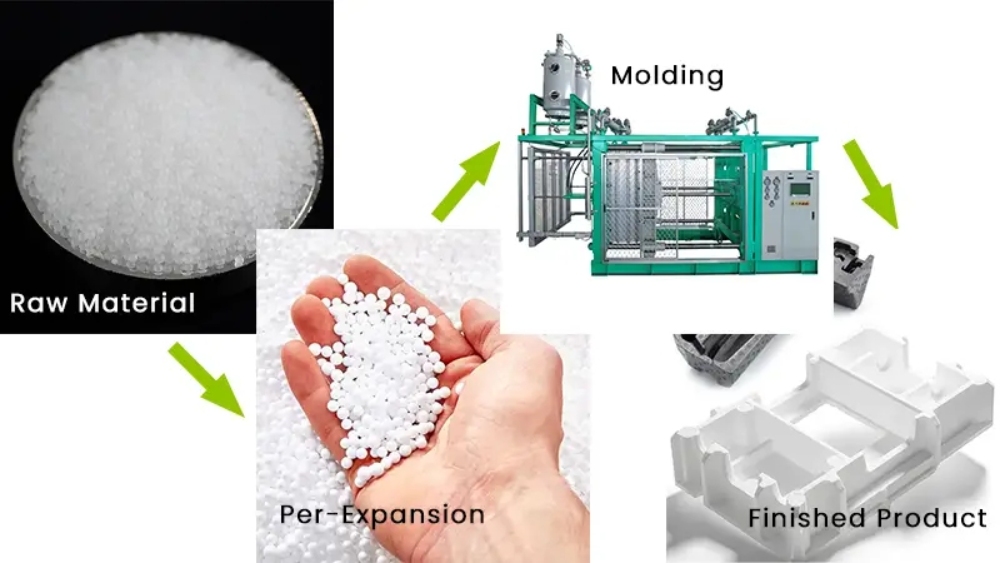
تبدأ خطوات التشكيل بحبوب البوليستيرين الصغيرة التي تتضخم بالبخار ، ثم تنضم إلى أشكال تناسب أحجام البند الدقيقة. هذا يخلق أشكالا مفصلة تحمل الأشياء القابلة للكسر بقوة. تبدأ عملية تشكيل EPS بخرزات البوليستيرين الصغيرة مع عامل تورم اسمه البنتان. تنمو هذه الخرز إلى خمسين مرة حجمها الأول عند ضربها بالبخار ، وتحولت إلى قطع رغوة خفيفة ومغلقة. ويحسن ربط CAD هذه الخطوة عن طريق اختبار بقع الضغط قبل البدء، والتأكد من أن كل انحناء يعطي أفضل درع.
التحول نحو التصنيع الذكي في إنتاج EPS
الآلات تقود الآن خطوط صنع EPS. تراقب الإعدادات القائمة على المعلومات مستويات الحرارة والقوة لضمان الجودة المتساوية ، وتخفض خسارة المواد. في هواشنغمصنع ذكي، أنفقوا مئات الملايين من اليوان لإنشاء العالم’ أول خط ذكي للبوليستيرين باستخدام مواد البداية المعاد تدويرها بالكامل. هذه الخطوات القائمة على التكنولوجيا تخلق سمات مادية ثابتة تلبي قواعد السلامة العالمية.
مخصص رغوة EPS كحل التعبئة والتغليف الاستراتيجي
توفر رغوة EPS المخصصة انحناء لا مثيل له لتركيب إصلاحات التعبئة والتغليف في مجالات مختلفة - من قطع غيار السيارات إلى الأدوات الصحية - مع مطابقة الإنتاج مع توفير المال.
تخصيص الحماية لمتطلبات المنتج
يمكن تشكيل EPS في سماك مختلفة بناء على احتياجات الحمل أو قابلية الكسر. ريبس تظهر العناصر مقاومة الضربة الدقيقة والقوة. وكان الهدف الأول من دراستهم وإنشائهم هو تحسين استخدام EPS القياسي في مشاريع التعبئة والتغليف. على سبيل المثال، غالبا ما تتطلب أجهزة الدقة درجات رغوة أكثر كثافة أو أسرع تشكيل يمكن أن تمتص الصدمة مع الحفاظ على الحزمة النهائية خفيفة الوزن. إدراجات صعبة تقطع المناوبات الداخلية في الشحن - وتخفض معدلات كسر كثيرا.
التوازن بين كفاءة التكلفة وأهداف الأداء
بما أنه وزنه قليل جدا، تخفض EPS المخصصة رسوم النقل بشكل كبير دون فقدان مستويات الدرع. الخطط القابلة لإعادة الاستخدام تطول فترات الاستخدام لاستخدامات العمل مثل قطع السيارات أو أغطية الأجهزة. بنيات وحدات سهولة وضعها معا - وتسرع التعبئة مع الحفاظ على التساوي في التسليمات.
اتجاهات الاستدامة التي تدفع الابتكار في EPS بحلول عام 2026

البدائل الصديقة للبيئة ومبادرات إعادة التدوير
لقد انتقلت تكنولوجيا إعادة الاستخدام من الأساليب الأساسية إلى أنظمة التقاط الكيميائية التي تصنع وحدات بوليستيرين ذات جودة جديدة تقريباً. هواشنغ تعيد استخدام 300،000 طن من EPS كل عام ، مما يوفر 1،500،000 طن من النفط الخام و 1،200،000 طن من ثاني أكسيد الكربون. كما تزداد الإضافات القائمة على المصانع، لتقليل الاعتماد على النفط، في حين تدفع خطط الاقتصاد الحلقي جهود جمع في خطوط الإمداد.
التأثير التنظيمي على تطوير المواد
تحث القواعد العالمية مثل توجيه التعبئة والتغليف في الاتحاد الأوروبي 94/62 / EC المصنعين على أخذ مزيجات آمنة للأرض تناسب معايير واجب الصانع الطويل (EPR). بحلول عام 2026 ، ستقوم بإنشاء مصنع عرض خالي من الكربون ، مما سيؤدي إلى خفض الكربون بأكثر من 85٪ في السلسلة الكاملة. هذه الوعود تدفع الأموال إلى فحوصات العمر التي تثبت الادعاءات الخضراء مع الحقائق.
تأثير التعبئة والتغليف EPS على كفاءة الشحن والسلامة
التعبئة والتغليف EPS تحسن سلامة الشحن عن طريق الجمع بين صب دقيق وأداء تخفيف قوي. يمكن تصميم هيكلها لتتناسب مع شكل المنتج عن كثب ، مما يساعد على تقليل الحركة داخل الحزمة أثناء التعامل والتراكم والنقل لمسافات طويلة.
يساعد امتصاص الصدمات الأفضل على تقليل خطر تلف المنتج ، وهو أمر مهم بشكل خاص للإلكترونيات والأجهزة الدقيقة وأجهزة الاستشعار الطبية وغيرها من السلع ذات القيمة العالية. من خلال تقليل تكاليف الكسر والعائدات والاستبدال ، تدعم التعبئة والتغليف EPS لوجستيات أكثر استقرارًا ومراقبة أفضل بعد البيع.
هيكل الرغوة خفيف الوزن ومستقر يحسن كفاءة الشحن. تضيف التعبئة والتغليف EPS حماية دون إضافة الكثير من الوزن ، في حين أن الأشكال المخصصة يمكن أن تستخدم بشكل أفضل مساحة الكرتون واللوحة. وهذا يساعد الشركات على تحميل المزيد من المنتجات لكل شحنة، وتحسين استقرار التراكم، وإدارة التوزيع على نطاق واسع بكفاءة أكبر.
توقعات المستقبل: تطور تقنيات حماية الرغوة المخصصة بحلول عام 2026 وما بعده
يخمن برنامج الاختبار بالفعل بقع الضغط قبل بدء الفحوصات الحقيقية ، ويؤدي الذكاء الاصطناعي إلى تشكيل إعدادات طبقة أفضل لأعلى طاقة مع أقل مواد. العينة السريعة التي تجعل سرعات أوقات الإطلاق - مما يتيح لشركات مثل Huasheng إعطاء إصلاحات مخصصة أسرع من قبل.
تنمو فرق من الخبراء والمصنعين مواد مختلطة، تنضم إلى EPS القديمة مع أجزاء تعطل، مما يضمن إعادة الاستخدام دون فقدان الطاقة أو الاحتفاظ بالدفء. دورات ثابتة وأفضل تحافظ على حافة لأن الأسواق تريد اختيارات درع أخضر ولكن أصعب مثل الجرافيت الصف - S - لوحات مضادة للشعلةالذي يعطي كل من كتلة الحريق والحرارة عقد للمباني أو مناطق التعبئة والتغليف الدقيقة.
أسئلة متكررة
Q1: ما الذي يجعل رغوة EPS مخصصة أفضل من مواد التعبئة والتغليف التقليدية؟
A1: الرغوة EPS المخصصة تعطي تطابق دقيق حول البنود مع البقاء خفيفة وتوفير المال. بنيته الخلوية المختومة تغمر الاصطدامات بشكل جيد في السفر - مما يجعلها مثالية للسلع القابلة للكسر في الحقول من الأجهزة إلى المواد الدوائية الحيوية.
Q2: كيف تحسن تكنولوجيا الصب الحديثة سلامة الشحن؟
A2: طرق تشكيل جديدة تضمن سمك ثابت ، ساعة ، وتشكيل جوف دقيق من خلال اختبارات CAD التي تقلل من ضرر الاهتزاز في النقل.
س3: أين يمكنني العثور على مواد EPS عالية الأداء المستدامة؟
A3: تقدم شركات مثل HUASHENG خيارات آمنة للأرض مثل رغاوي خط REPS المصنوعة عن طريق خطوط صنع ذكية مع المواد المعاد تدويرها - مما يساعد الشركات على تحقيق جودة الدرع والأهداف الخضراء بحلول عام 2026.
 Arabic
  English
  German
  Spanish
  French