

EPS El poliestireno expandido (EPS) se utiliza comúnmente en la protección de cascos porque absorbe la energía del impacto y mantiene el casco ligero y cómodo incluso durante un uso prolongado. Por lo tanto, la tecnología de cascos con EPS sigue siendo esencial para una protección fiable de la cabeza. Comprender cómo funciona el EPS explica por qué este material continúa marcando la pauta en el diseño de cascos para ciclismo, deportes, construcción y movilidad.
Comprender la tecnología de los cascos EPS
Los cascos de EPS combinan la ciencia de los materiales con la ingeniería de seguridad para brindar una protección sólida gracias a una espuma avanzada. Su estructura y resultados dependen de la forma en que el poliestireno expandido interactúa con las fuerzas externas.
Composición y estructura de los cascos de EPS
Cada casco de EPS contiene una capa central de espuma EPS que se encarga de la absorción de impactos. Este material ligero complementa los sistemas de protección craneal actuales. La baja densidad de la espuma permite a los fabricantes encontrar el equilibrio perfecto entre protección y comodidad. Combinado con carcasas exteriores resistentes de policarbonato o fibra de vidrio, el casco distribuye bien la energía durante las colisiones y mantiene su forma.
La ciencia detrás de la absorción de impactos del EPS
La tecnología EPS se basa en una sencilla ley física de disipación de energía mediante deformación controlada. Al impacto, la espuma se comprime y absorbe energía cinética, reduciendo así la fuerza que llega al cráneo. Pequeñas bolsas de aire en el interior de la espuma distribuyen las ondas de choque de manera uniforme sobre la superficie del casco. El control de rebote proporciona mayor protección al reducir los impactos secundarios. Esta característica es fundamental en deportes de alta velocidad o accidentes de motocicleta, donde las fuerzas llegan desde varias direcciones simultáneamente. La combinación de resiliencia y compresión constante confiere a los cascos EPS un rendimiento fiable en diversas condiciones.
Avances en la protección de cascos EPS de cara a 2026.
Los rápidos avances en materiales y herramientas de diseño digital están transformando las capacidades de un casco de EPS. Los fabricantes ahora se centran tanto en una mejor protección como en una mayor sostenibilidad ambiental.
Innovaciones en materiales que mejoran el rendimiento en materia de seguridad.
Nuevas investigaciones destacan las capas de EPS de densidad variable que mejoran la absorción de impactos al modificar la rigidez a lo largo del revestimiento. Las construcciones híbridas que incorporan compuestos de polipropileno expandido o grafeno aumentan la durabilidad y la resistencia a la temperatura. HUASHENG ha comenzado a trabajar a nivel molecular. Sus avances en la tecnología de nanoestructuras de poros cerrados han aumentado la resistencia a la compresión en un 40 por ciento y han establecido nuevos estándares para los materiales resistentes a los impactos utilizados en los cascos de próxima generación.
Una mayor precisión en la fabricación produce una densidad de espuma uniforme y un comportamiento fiable bajo presión. Estas mejoras permiten a los ingenieros ajustar las zonas de protección dentro de los cascos y crear perfiles de seguridad adaptados a deportes específicos o usos profesionales.
Integración tecnológica en el diseño de cascos
La transformación digital ahora moldea el desarrollo de cascos mediante funciones inteligentes. Los sensores integrados registran la fuerza del impacto y el estado del piloto en tiempo real, y proporcionan datos útiles para la evaluación médica tras un accidente. Las simulaciones basadas en IA permiten realizar pruebas de choque predictivas antes de que exista un prototipo físico, lo que reduce el tiempo de desarrollo y aumenta la precisión.
Los sistemas de ventilación también han mejorado. Los ingenieros diseñan canales de flujo de aire que mantienen una refrigeración eficaz sin debilitar la estructura. Esta combinación de comodidad y seguridad apunta al futuro de los cascos EPS de alto rendimiento.
Personalización y ergonomía en los cascos modernos de EPS
Personalización Actualmente, este aspecto ocupa un lugar central en el diseño de cascos, ya que los usuarios buscan un ajuste y una funcionalidad que se adapten a su actividad específica.
Material de espuma personalizado para un ajuste individual
El moldeado personalizado basado en el escaneo 3D de la cabeza proporciona a cada usuario un forro diseñado para ofrecer la máxima comodidad y estabilidad. El acolchado interno ajustable permite a los usuarios perfeccionar el ajuste con el tiempo, a medida que los materiales se asientan o muestran desgaste. Las piezas modulares simplifican el mantenimiento, ya que los forros o las viseras se pueden intercambiar sin afectar el rendimiento general. Esta flexibilidad prolonga la vida útil del producto sin comprometer los niveles de protección.
Equilibrio entre comodidad, peso y estándares de seguridad.
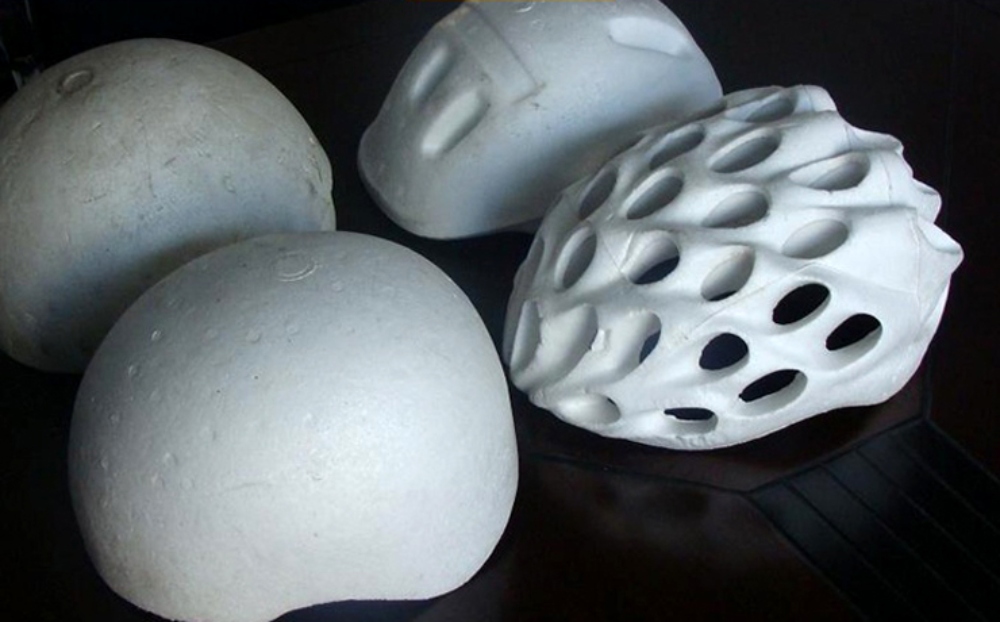
El diseño ergonómico de los cascos modernos mejora el equilibrio de la cabeza y reduce la tensión en el cuello durante un uso prolongado. Los materiales ligeros reducen la fatiga tanto para atletas como para usuarios habituales, al tiempo que cumplen con los estándares de seguridad internacionales como las certificaciones DOT, ECE o Snell. Fabricantes como HUASHENG apoyan este esfuerzo suministrando materias primas de alta calidad, como Prototipado rápido de grado B. Estos materiales ofrecen una baja conductividad térmica junto con fuertes propiedades de adhesión, adecuadas para equipos de protección.
Consideraciones ambientales y de fabricación para 2026
La sostenibilidad impulsa ahora el éxito futuro de los equipos de protección que utilizan tecnologías basadas en EPS.
Métodos de producción sostenibles para cascos de EPS
EPS reciclado Los sistemas de recuperación mejorados también están adquiriendo mayor importancia. Los residuos de producción se pueden recolectar, procesar y reutilizar en aplicaciones adecuadas, lo que ayuda a reducir los desechos en vertederos y a alcanzar los objetivos de la economía circular. El moldeo energéticamente eficiente reduce los desechos durante la producción. La gestión del ciclo de vida anima a los consumidores a reciclar los productos después de su uso, lo que fomenta una economía circular en el sector del equipamiento deportivo.
HUASHENG creó la primera línea inteligente del mundo que utiliza materias primas 100 % recicladas y alcanza una eficiencia de reciclaje de residuos superior al 95 %. Estos métodos se ajustan a los objetivos ecológicos de los fabricantes de cascos.
Mejoras en el control de calidad y la certificación
Los protocolos de prueba avanzados simulan condiciones cambiantes, como variaciones de temperatura, humedad e impactos repetidos, para confirmar un rendimiento constante en todos los mercados. Los sistemas de seguimiento digital mejoran la trazabilidad desde la fábrica hasta el punto de venta y generan confianza en el consumidor mediante información clara. La colaboración entre fabricantes y grupos de seguridad globales garantiza que los productos cumplan con las normas de certificación actualizadas, como la ISO 14067:2018 o los estándares GRS.
Tendencias del mercado que impulsan la evolución hacia la principal opción de seguridad en 2026.
El mercado global de equipos de protección se mueve rápidamente, ya que los consumidores buscan soluciones más inteligentes y seguras que combinen la protección física con funciones digitales. Existe un reconocimiento creciente del daño grave que puede sufrir el cerebro a causa de una lesión cerebral traumática y, como resultado, habrá una demanda creciente de cascos que no solo brinden la máxima protección contra impactos, sino que también estén conectados a sistemas como los de navegación o para enviar mensajes de emergencia.
Las normas que rigen los deportes profesionales suelen marcar la pauta de lo que esperan los consumidores en otros niveles, y las innovaciones que se producen al más alto nivel deportivo a menudo se introducen en el mercado en pocos años. La colaboración entre científicos de materiales, fabricantes de cascos y organismos gubernamentales que regulan el mercado de cascos impulsará el desarrollo de nuevos materiales capaces de adaptarse a las fuerzas generadas por los impactos, más allá de 2026. A corto plazo, muchos creen que las espumas híbridas, que combinan los altos valores REPS de diversos materiales con el alto valor añadido de los aditivos nanoestructurados, serán la principal opción en materia de seguridad.
Preguntas frecuentes
P1: ¿Qué hace que un casco de EPS sea superior a los diseños tradicionales?
A1: Un casco EPS utiliza espuma de poliestireno expandido que se comprime al impacto para absorber la energía cinética de manera eficiente. Su diseño mantiene el peso bajo y la comodidad alta, cumpliendo con los estándares profesionales.
P2: ¿Cómo mejoran la experiencia del usuario los materiales de espuma personalizados?
A2: El material de espuma personalizado, fabricado mediante modelado digital, se adapta con precisión a la forma de cada cabeza. Esto mejora la comodidad, reduce los puntos de presión y proporciona mayor estabilidad al casco durante el movimiento.
P3: ¿Existen opciones ecológicas disponibles en la fabricación de cascos de EPS?
A3: Sí. Muchos fabricantes utilizan ahora alternativas de EPS reciclables o de origen biológico procedentes de fuentes sostenibles. Puedes elegir HUASHENG. Su sistema de circuito cerrado alcanza una eficiencia de reciclaje superior al 95 % en toda su cadena de producción y apoya proyectos de cascos ecológicos en todo el mundo.
 Spanish
  English
  German
  French
  Arabic