
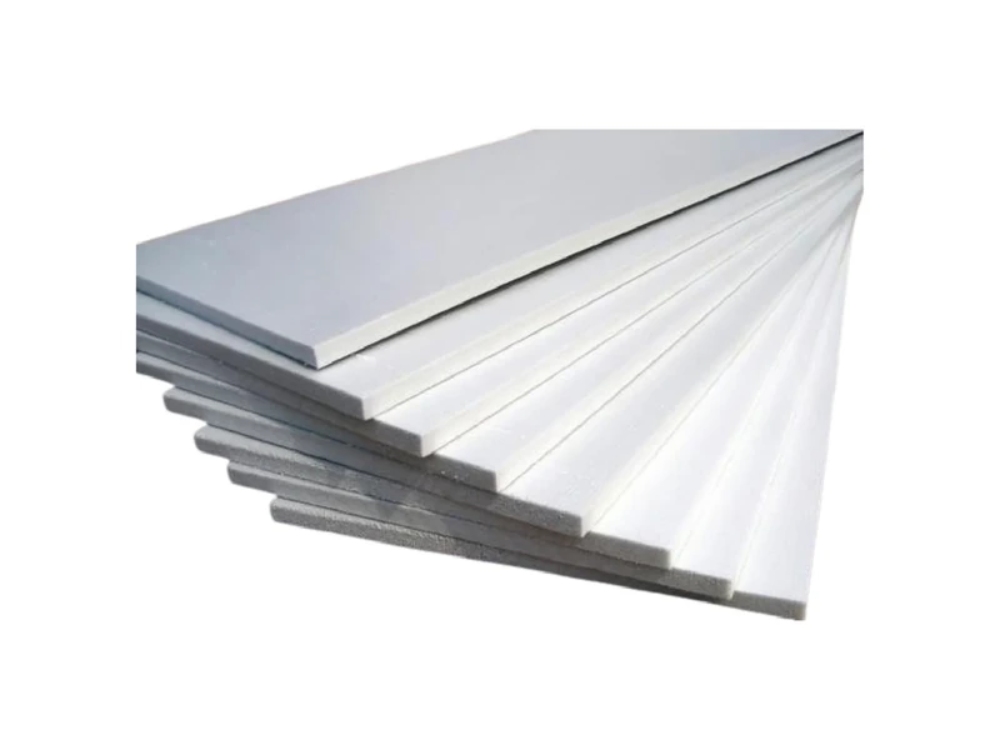
Los patrones climáticos severos y el aumento de los niveles freáticos están obligando a los constructores a examinar más detenidamente el aislamiento de los cimientos. Las fuertes lluvias ejercen presión hidrostática contra los muros de hormigón subterráneos, por lo que HUASHENG Antes de realizar un pedido grande, los compradores suelen plantear una pregunta directa: ¿la absorción de agua del EPS debilitará el control de la humedad del aislamiento una vez enterrados los paneles? La respuesta depende menos de las pruebas de laboratorio simuladas y más del comportamiento de la espuma rígida en suelos reales, donde el agua drena, se seca y se desplaza a través de la estructura del muro.
Algunos competidores describen el poliestireno expandido como si fuera una esponja en el barro. Esta descripción no refleja la realidad que los contratistas ven en las obras. Cuando la espuma de EPS se expone a la humedad normal del subsuelo, en lugar de a una inmersión artificial completa, el material puede liberar agua rápidamente y mantener un perfil de valor R estable. Este artículo explica cómo evaluar la absorción de agua del EPS, por qué son importantes los datos de campo y cómo los compradores pueden elegir paneles de espuma para entornos de construcción húmedos sin pagar de más por una espuma rígida inadecuada.
¿Por qué las pruebas de laboratorio tradicionales interpretan erróneamente la absorción de agua del EPS?
La gestión de la humedad alrededor de los cimientos no es lo mismo que sumergir una muestra de plástico en un tanque. Los métodos estándar de inmersión total, incluidas las pruebas tipo ASTM C272, sumergen el material en agua durante un período fijo, como 24 horas. Este método puede ser útil para comparar muestras controladas, pero no refleja cómo se comporta un panel de pared junto al hormigón, la grava, la tierra, la lámina de drenaje y las cámaras de aire en una obra real.
¿Qué tienen de malo los métodos de inmersión total?
La inmersión total exagera el temor a la absorción de agua por parte del EPS, ya que elimina las condiciones del terreno que permiten la salida de la humedad. Una cimentación no es el fondo de un lago. El agua de lluvia se desplaza a través de la grava, los canales de drenaje y las capas del suelo. Si los diseñadores consideran que una prueba en tanque es la única solución, podrían especificar una espuma rígida más cara de la que realmente necesita el proyecto.
¿Qué revelan los datos de excavaciones reales?
Los datos de excavaciones a largo plazo revelan una realidad diferente. En una comparación de campo de 15 años, los paneles de XPS, diseñados para bloquear el agua, mostraron una humedad de alrededor del 18,9 % en volumen, mientras que el EPS para aislamiento subterráneo presentaba un contenido de humedad cercano al 4,8 %. La razón es física: el poliestireno expandido contiene canales entre las fibras que permiten que la humedad drene y se seque en lugar de quedar atrapada en el interior del panel. Para los compradores, esto implica un cambio en la forma en que se debe abordar el control de la humedad del aislamiento con los contratistas e ingenieros de proyecto.
¿Cómo controla el aislamiento de EPS la humedad a largo plazo?
El objetivo principal no es pretender que el agua nunca llegue al aislamiento subterráneo. El objetivo práctico es evitar que la humedad permanezca en un mismo lugar el tiempo suficiente como para dañar la estructura de madera, el panel de yeso interior o el sistema de muros de hormigón. La espuma de poliestireno expandido (EPS) transpirable contribuye a este objetivo, ya que se seca tras una humedad temporal, lo que ayuda a que la estructura recupere un equilibrio de humedad más seguro.

Para proyectos de gran envergadura que requieren miles de placas o piezas moldeadas, la uniformidad de la materia prima es fundamental. Grado estándar – E Está diseñado para las necesidades comunes de producción de EPS, incluyendo paneles de EPS, paneles de revestimiento, paneles de construcción, aislamiento térmico, embalaje eléctrico, artesanías y artículos decorativos. En una conversación de compra para zonas húmedas, el producto no es solo un artículo más; forma parte del plan del comprador para una producción estable, una estructura de tablero adecuada y un control de la humedad del aislamiento a largo plazo.
¿Cómo protege el valor R estable el presupuesto del proyecto?
Los contratistas comerciales trabajan bajo una fuerte presión de costos. Si el aislamiento pierde eficacia tras la primera temporada de lluvias intensas, tanto el modelo energético como la rentabilidad del proyecto se ven afectados. Por lo tanto, un valor R estable se convierte en una cuestión financiera, no solo en un detalle técnico. La espuma EPS adecuada puede ayudar a los propietarios a controlar los costos de servicios públicos a largo plazo, evitando mejoras innecesarias en los materiales.
Mantener la resistencia al calor
El agua transfiere el calor rápidamente. Cuando un panel de espuma rígida permanece húmedo durante largos periodos, el frío puede atravesar el agua atrapada y reducir su rendimiento térmico. Dado que el poliestireno expandido se seca tras un breve periodo de humedad, su perfil de valor R estable es más fácil de mantener en estructuras subterráneas expuestas a lluvias y humedad del suelo periódicas.
Evitar la selección de materiales demasiado específicos
Algunos arquitectos aún especifican XPS automáticamente debido a su preocupación por la alta absorción de agua del EPS. Esta decisión puede basarse en suposiciones obsoletas de las hojas de datos de laboratorio, más que en el comportamiento real en la práctica. Una vez que el comprador analiza las condiciones reales de drenaje, la exposición del suelo, los requisitos de resistencia al fuego y las necesidades de fabricación de los paneles, el poliestireno expandido suele permitir el mismo diseño a un costo más práctico.
Reducción de los costos laborales
Los paneles ligeros son más fáciles de transportar, cortar y colocar en una obra húmeda. Si los paneles se secan y siguen siendo útiles tras una lluvia repentina, se desechan menos piezas y los operarios tienen que esperar menos por material de repuesto. Por eso, los equipos de compras deben analizar el almacenamiento, la secuencia de instalación y los detalles de drenaje antes de aprobar un pedido de paneles de espuma.
¿Por qué sigue siendo importante el comportamiento ante el fuego en zonas húmedas?
El aislamiento moderno debe ofrecer más que resistencia a la humedad. Los proyectos comerciales y residenciales también deben cumplir con las normas de seguridad, especialmente cuando los productos se almacenan, cortan o instalan cerca de sistemas eléctricos y otros riesgos de ignición. Un ambiente húmedo no exime de la responsabilidad de cumplir con la normativa contra incendios, por lo que los compradores necesitan opciones de materiales que aborden tanto el comportamiento ante la humedad como el rendimiento frente al fuego.
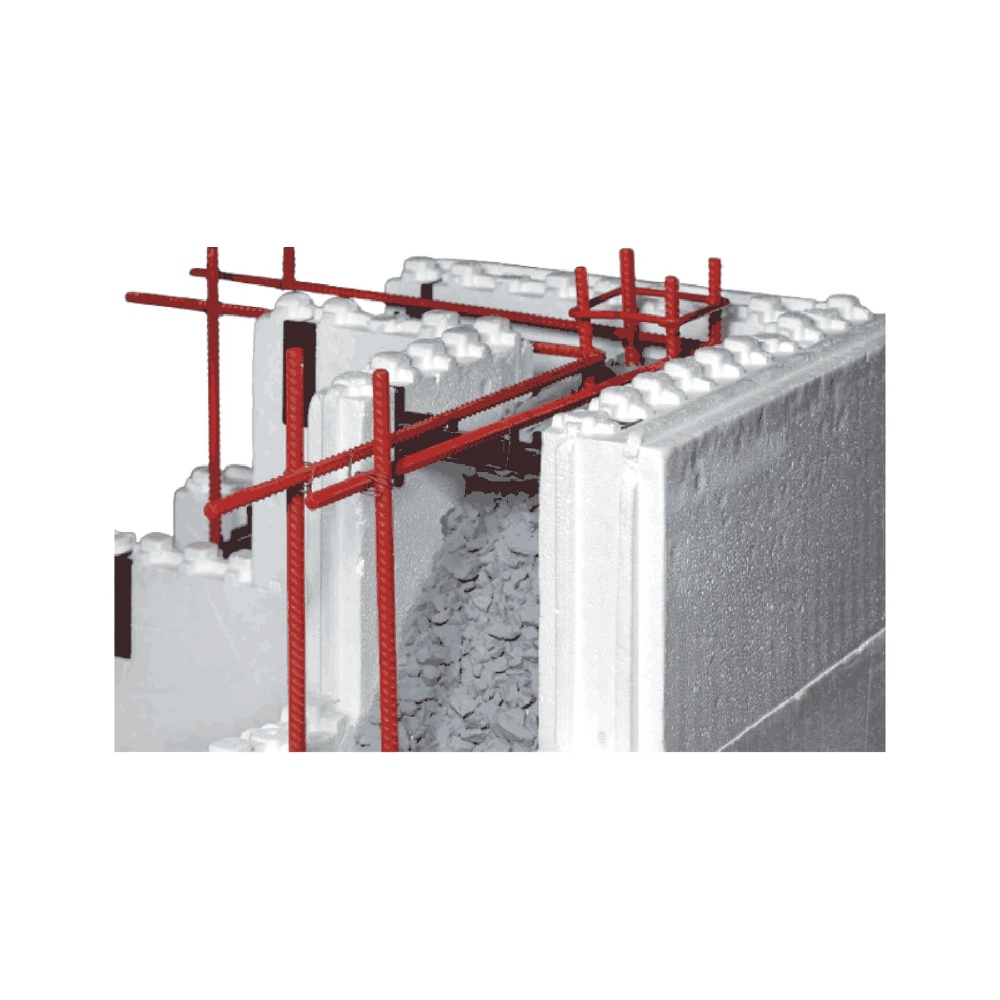
Grado de retardante de llama según la norma europea ️FSH Está posicionado para el aislamiento térmico en la construcción y la industria, incluido el aislamiento pasivo de habitaciones. Su información de producto destaca la formación de espuma uniforme, el curado rápido, el rendimiento mejorado del material en comparación con el material B1 tradicional y una resistencia a la compresión más de un 20 % superior a otros grados. Para los compradores que comparan Productos de espuma EPSEstos puntos deberían traducirse en una pregunta sencilla: ¿qué material cumple simultáneamente con la línea del fabricante de paneles, los requisitos de seguridad contra incendios del proyecto y el riesgo de humedad para el instalador?
¿Qué deben confirmar los compradores antes de pedir aislamiento de EPS?
Antes de realizar un pedido al por mayor, los compradores deben confirmar la zona de aplicación, la densidad deseada, el tamaño del panel, la resistencia al fuego requerida, las condiciones de almacenamiento y el equipo de producción. También es importante conversar con el proveedor para determinar si el proyecto necesita perlas de grado estándar, perlas ignífugas o una solución de EPS más personalizada. Esto evita que la compra se convierta en un pedido genérico de espuma que ignore las condiciones reales del edificio.
El debate actual sobre el rendimiento de la espuma rígida a menudo ignora la realidad física de las obras de construcción fangosas. Las comparaciones en campo demuestran por qué el elevado porcentaje de absorción de agua del EPS, tal como se percibe, puede resultar engañoso. En suelos reales, el poliestireno expandido libera la humedad gracias a su estructura transpirable, lo que ayuda a proteger los cimientos de hormigón, reducir el riesgo de moho y mantener el control de la humedad del aislamiento durante toda la vida útil del edificio.
Si su especificación actual está aumentando los costos sin resolver el problema de la zona húmeda, el siguiente paso es revisar los detalles del proyecto con un proveedor de materiales antes de aprobar el pedido. Contacta hoy mismo con HUASHENG. Para hablar sobre su próximo proyecto de cimentación, paneles o aislamiento y solicitar un presupuesto personalizado para perlas estándar y retardantes de llama de alta calidad.
¿Qué preguntas suelen hacer los compradores sobre el control de la humedad en el aislamiento de EPS?
P1: ¿La absorción de agua del EPS hace que el aislamiento subterráneo sea inseguro?
A1: No por sí solo. El riesgo depende del drenaje, la exposición del suelo, el diseño de la pared y el potencial de secado. En condiciones reales de construcción, el EPS puede liberar la humedad en lugar de retenerla permanentemente, lo que contribuye al control de la humedad en el aislamiento.
P2: ¿Puede el EPS mantener un valor R estable después de la exposición a la humedad?
A2: El EPS puede mantener un valor R estable cuando la estructura de la pared permite el drenaje del agua y el secado del material. Los compradores deben comparar el comportamiento en condiciones reales, no solo los resultados de las pruebas de inmersión total en laboratorio.
P3: ¿Cuándo deberían los compradores considerar las perlas de EPS ignífugas?
A3: Vale la pena considerar las perlas de EPS ignífugas cuando el aislamiento térmico también debe cumplir con requisitos de resistencia al fuego más estrictos en proyectos de aislamiento de edificios, industrias o habitaciones pasivas.
 Spanish
  English
  German
  French
  Arabic