
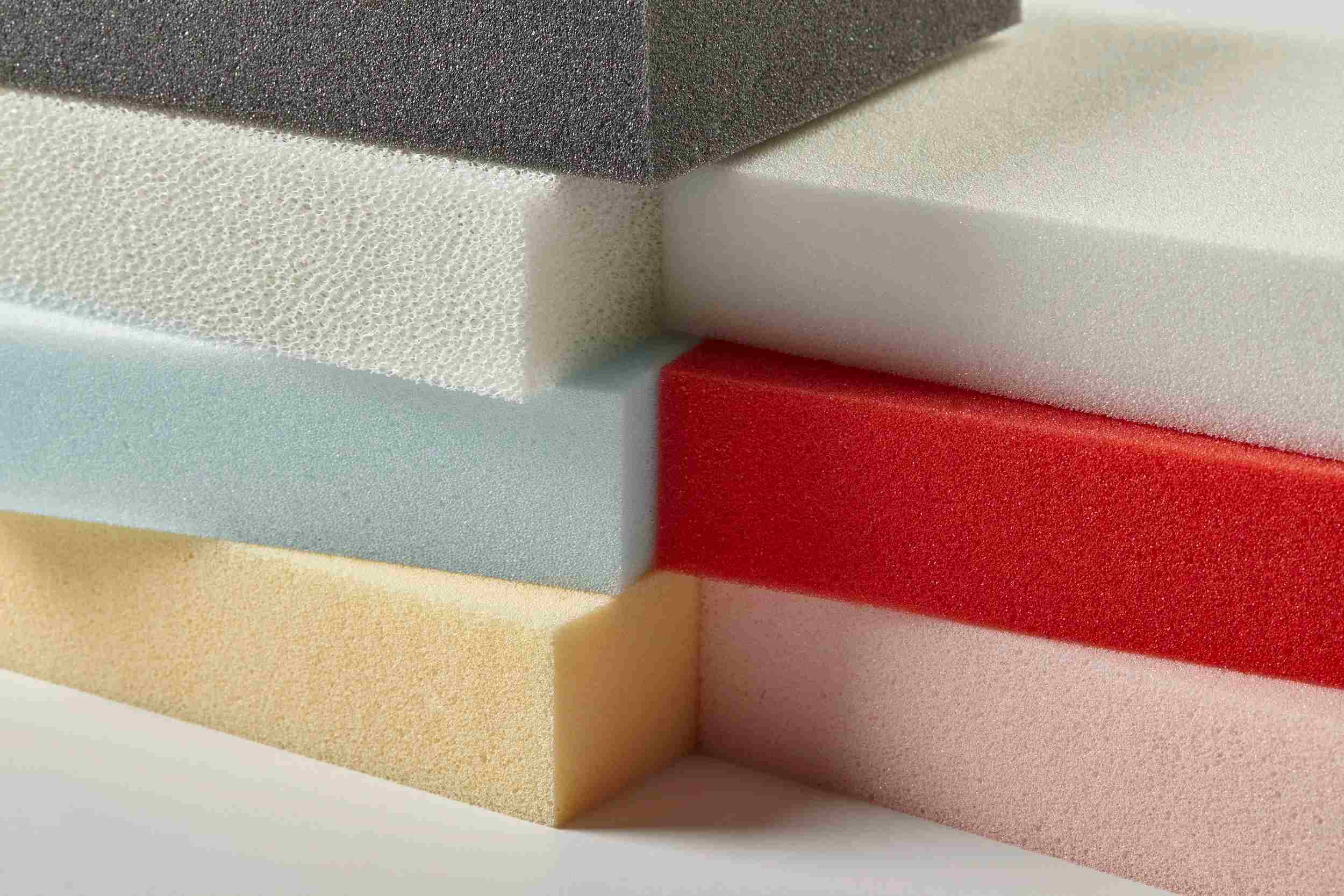
EPS El EPE y el EPE son dos de los materiales de espuma más utilizados en embalaje, logística, construcción y protección de productos. Ambos materiales presentan características diferentes en cuanto a amortiguación, rigidez, aislamiento y control de costes. Para elegir el material de espuma adecuado a sus necesidades, es útil conocer las diferencias entre los dos materiales disponibles en el mercado en 2026.
Descripción general de los materiales EPS y EPE
La demanda de materiales de espuma ligeros, resistentes y económicos ha seguido creciendo en diversas industrias que buscan materiales de embalaje y aislamiento adecuados.
Comprensión de EPS
El EPS es una espuma rígida de celda cerrada, obtenida a partir de perlas de poliestireno expandidas mediante calentamiento con vapor. El proceso de fabricación incluye preexpansión, envejecimiento, moldeo y conformado final, lo que da como resultado bloques ligeros o piezas moldeadas. Su densidad suele oscilar entre 10 y 50 kg/m³, según su uso previsto. En cuanto a sus propiedades mecánicas, el EPS es lo suficientemente resistente como para soportar una presión moderada, pero se rompe ante impactos fuertes. Esto lo convierte en un material adecuado para aplicaciones estructurales, donde debe mantener la forma.
Comprensión del EPE (polietileno expandido)
El EPE se fabrica mediante la extrusión de resina de polietileno con un agente espumante. A medida que el material se extruye, se expande y finalmente se endurece formando una espuma suave pero flexible. Esto contrasta con el EPS, que se compone de perlas individuales fusionadas para formar un material rígido. El EPE se suministra en forma continua, en láminas o en tubos con una estructura de celda semicerrada que le proporciona mayor flexibilidad.
El EPE, compuesto por moléculas de polietileno de cadena larga, es altamente elástico y posee una excelente capacidad de absorción de impactos. Además, presenta una muy buena resistencia a la humedad e inercia química. Por lo tanto, no se deteriora al entrar en contacto con aceites y disolventes.
Comparación de las propiedades de los materiales entre EPS y EPE
Tanto el EPS como el EPE atienden a mercados similares, pero tienen características de estructura y rendimiento claramente diferentes y, por lo tanto, se utilizan en aplicaciones diferentes.
Rendimiento estructural y mecánico
El EPS ofrece una mayor resistencia a la compresión que el EPE debido a su estructura celular rígida. Puede soportar cargas estáticas sin deformación significativa, pero carece de resiliencia después del impacto. En cambio, el EPE demuestra una excelente recuperación después de la compresión debido a su naturaleza elástica. Esta resiliencia lo hace ideal para aplicaciones repetidas de absorción de impactos, como insertos de embalaje reutilizables. HUASHENG.
Capacidades de aislamiento térmico y acústico
Desde el punto de vista térmico, tanto el EPS como el EPE ofrecen un buen aislamiento. Esto se debe a que poseen numerosos espacios de aire en su interior que impiden la transferencia de calor. En cuanto a su capacidad para retener el calor, el EPS es superior. Su conductividad térmica es de aproximadamente 0,035 W/m·K. Por ello, el EPS se utiliza comúnmente como aislante en edificios.
Resistencia a la humedad y estabilidad química
El EPE ofrece un mejor rendimiento que el EPS en condiciones de humedad o agua. Gracias a su superficie no porosa, el EPE impide la penetración del agua. Incluso después de un largo periodo de tiempo, mientras que pequeñas cantidades de humedad pueden penetrar en el EPS y afectar su aislamiento térmico, el EPE conserva su carácter hidrofóbico.
Químicamente, ambos materiales son estables frente a la mayoría de los ácidos y bases; sin embargo, disolventes como el benceno o la acetona pueden disolverlos. Para uso en exteriores o embalajes de transporte marítimo donde la protección contra la humedad es fundamental, el EPE ofrece mayor fiabilidad.
Evaluación del impacto ambiental de EPS frente a EPE
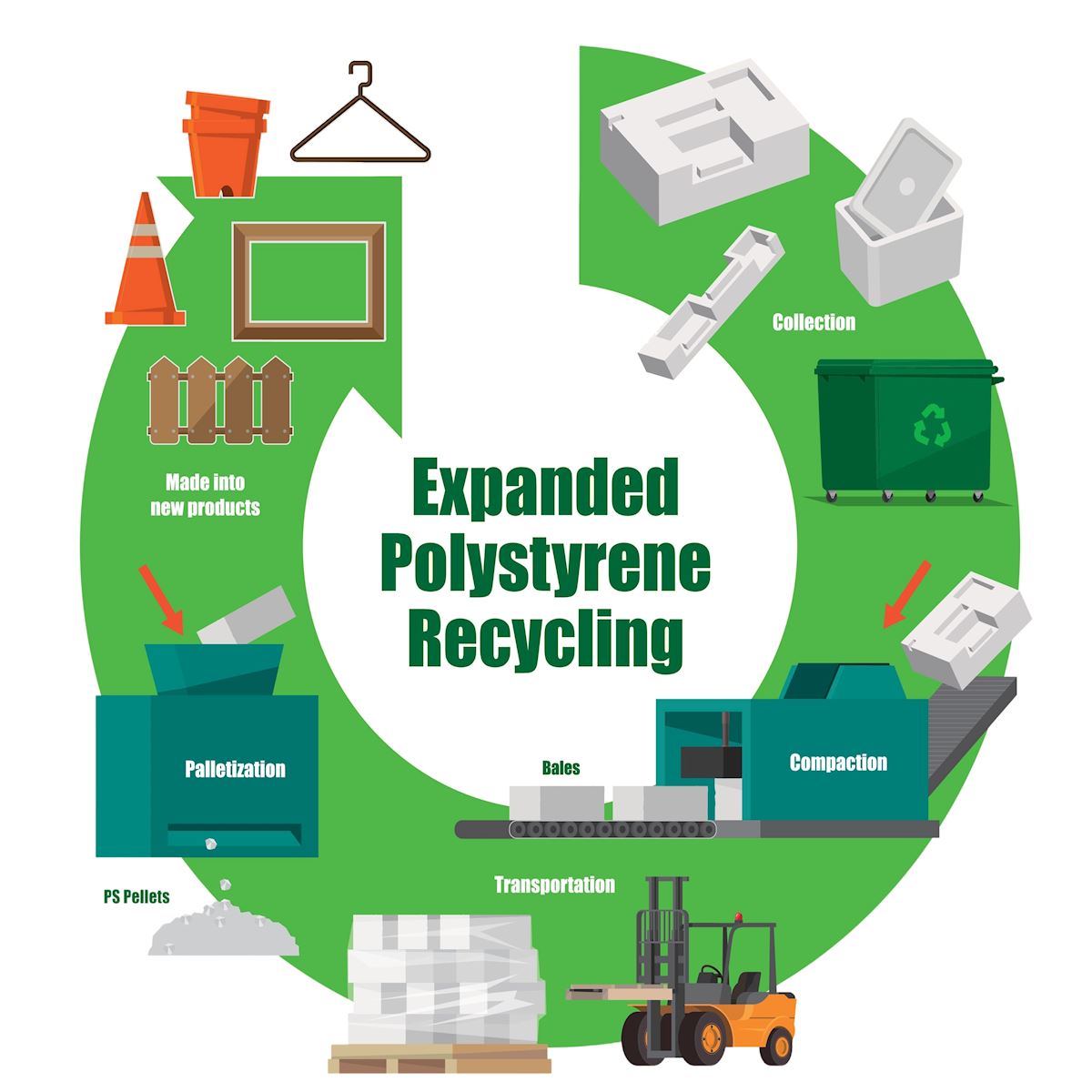
Consideraciones sobre reciclabilidad y eliminación
Es posible reciclar EPS y EPE mediante procesos mecánicos para convertirlos en gránulos o láminas. Sin embargo, debido a la baja relación peso-volumen de ambos materiales, aún no se ha establecido una red de recolección suficiente a nivel mundial. La energía necesaria para reciclar EPE suele ser menor, ya que se requiere una menor densificación antes del remoldeo.
Los desafíos en la gestión de residuos surgen principalmente de la contaminación durante el uso, especialmente en los envases de alimentos, lo que reduce las tasas de reciclaje. Se están desarrollando sistemas de reciclaje innovadores para convertir de manera eficiente los residuos de espuma posconsumo en materia prima polimérica reutilizable.
Huella ambiental durante la producción
Los materiales poliestireno expandido y polietileno expandido se fabrican principalmente con materias primas petroquímicas derivadas del petróleo crudo o el gas natural. La producción de EPS genera más gases de efecto invernadero por kilogramo que la de EPE debido a los altos requerimientos energéticos del proceso de expansión de las perlas.
Con el fin de reducir el impacto ambiental de sus productos, el fabricante de poliestireno expandido está investigando el estireno de origen biológico para la producción de EPS, así como la incorporación de polietileno reciclado en nuevas formulaciones de EPE.
Eficiencia de costes y tendencias del mercado hacia 2026
A medida que los mercados mundiales de materiales transitan hacia estrategias de aprovisionamiento más sostenibles, el equilibrio entre el coste y el rendimiento del EPS frente al EPE cobra mayor importancia.
Dinámica de precios en la adquisición de materiales
El coste medio de producción del EPS por metro cúbico seguirá siendo inferior al del EPE en 2026, dado que el proceso de fabricación de este material es más sencillo y cuenta con un mayor número de proveedores de materias primas. Si bien ambos materiales se derivan de hidrocarburos y, por lo tanto, pueden verse afectados por las fluctuaciones del precio del petróleo, estas fluctuaciones los afectarán de forma prácticamente igual.
Tendencias de adopción de la industria por sector
Por el momento, las fundas protectoras de un solo uso se envasarán en EPS. Sin embargo, en la industria del embalaje, existe una creciente tendencia a dar preferencia a materiales reciclables como el EPE, cuyo mayor coste inicial se compensa con la posibilidad de su reutilización.
En el sector de la construcción, Aunque está sujeto a mayores requisitos de eficiencia energética, la espuma de construcción sigue siendo el aislante térmico más eficiente. Los interiores de automóviles constituyen un campo nuevo en el que se utilizan componentes ligeros de espuma EPE para la protección contra el ruido sin sacrificar la comodidad.
Evaluación del desempeño en condiciones específicas
El EPS mantiene su resistencia a la tracción hasta aproximadamente 80 °C antes de empezar a ablandarse. A partir de esa temperatura, el material se deforma muy rápidamente. El EPE, en cambio, tiene un rango de temperaturas de aplicación mucho más amplio. Conserva su elasticidad desde -60 °C hasta aproximadamente 90 °C. Esto lo hace ideal para el aislamiento de productos en cámaras frigoríficas, así como para aplicaciones de amortiguación en exteriores donde el clima puede cambiar rápidamente.
La exposición prolongada a la radiación UV puede provocar el deterioro de ambos polímeros, pero esto se puede prevenir mediante aditivos. Las aplicaciones en exteriores se pueden proteger con recubrimientos resistentes a los rayos UV o mediante el uso de los denominados copolímeros.
Perspectivas futuras para las aplicaciones de EPS y EPE más allá de 2026
Los avances en la tecnología de extrusión de espuma permiten un mayor control del tamaño de las celdas, lo que da como resultado láminas con una distribución de densidad uniforme. Además, se están reduciendo los residuos de producción. También se están investigando materiales inteligentes, incluidos aquellos con amortiguación adaptativa, capaces de modificarse para adaptarse mejor a las variaciones de presión.
La influencia de los cambios en el marco regulatorio hacia una economía circular fomentará el uso de espumas reciclables frente a los productos de espuma tradicionales de un solo uso, y también garantizar el crecimiento continuo de los envases de EPE sostenibles fabricados con nuevas mezclas de materiales que contienen materias primas renovables, ya que los consumidores buscan las opciones de embalaje más respetuosas con el medio ambiente.
Preguntas frecuentes
P1: ¿Cuáles son las principales diferencias entre los materiales EPS y EPE?
A1: La principal diferencia entre los materiales EPS y EPE radica en su grado de rigidez frente a flexibilidad. El material EPS es muy rígido, por lo que resulta ideal para el aislamiento en la construcción, mientras que el material EPE es extremadamente flexible, lo que lo hace idóneo para aplicaciones de embalaje protector donde se requiere una gran amortiguación.
P2: ¿Debo elegir EPS o EPE para el embalaje de protección?
A2: Elija EPS cuando el embalaje requiera soporte rígido, aislamiento térmico y menor costo de material. Elija EPE cuando el producto requiera amortiguación flexible, absorción de impactos repetida y mayor resistencia a la humedad.
P3: ¿Dónde puedo encontrar productos EPS de alta calidad?
A3: Los productos EPS de alta calidad se pueden obtener de proveedores de soluciones avanzadas. HUASHENG ofrece una gama de productos de espuma EPS como parte de sus soluciones de embalaje industrial, que brindan una protección duradera y a la vez ligera para el embalaje.
 Spanish
  English
  German
  French
  Arabic