
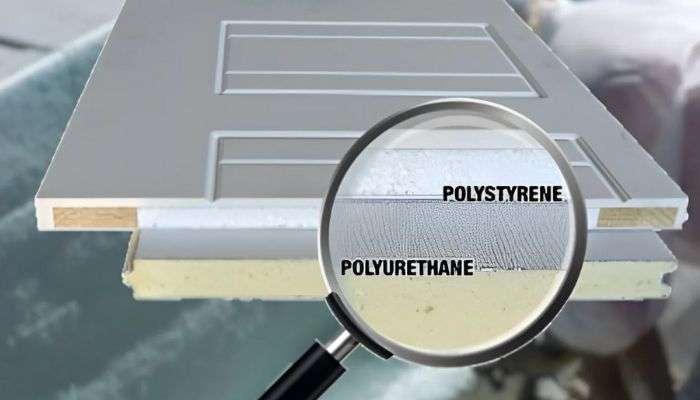
Las láminas de espuma de poliestireno y el aislamiento de poliuretano se comparan a menudo ya que ambos ayudan a reducir la transferencia de calor. Sin embargo, difieren en la estructura y los resultados del mundo real. Conocer lo que compone cada material ayuda a elegir la mejor opción para el presupuesto, la manipulación y el uso duradero.
¿De qué están hechas las láminas de espuma de poliestireno y el aislamiento de poliuretano?
Para comparar las opciones de aislamiento, comienza mirando su maquillaje. Esto ayuda a juzgar lo bien que funcionan. Hoja de espuma de poliestireno, conocida como EPS o XPS en función de cómo’ s hechos, proviene de cuentas de poliestireno hinchadas o prensadas. Estos forman una configuración firme de celdas cerradas. Se mantiene ligero y tiene una resistencia decente contra la presión, lo que es adecuado para el embalaje y el aislamiento doméstico.
Lanzhou Huasheng New Materials Co., Ltd. funciona como una empresa centrada en la tecnología. Se ocupa de la investigación, fabricación y venta de espuma de poliestireno expandible (EPS). Sus espumas EPS se adaptan al envío de la cadena de frío, edificios listos y artículos de decoración. Esto proviene de su fuerte fiabilidad y opciones de personalización.
El aislamiento de poliuretano se forma a través de una mezcla de polioles e isocianatos en una reacción. Esto crea una red celular gruesa con habilidades de bloqueo de calor de primera clase. HASHENGLos productos de aislamiento de poliuretano muestran una dispersión celular uniforme para un mejor control del calor y una densidad constante en las hojas grandes.
¿Cómo difieren sus procesos de fabricación?
Ambos usan etapas de espuma bajo control, pero sus métodos de fabricación se diferencian. Las hojas de espuma de poliestireno generalmente se dan forma o se empujan con calor y fuerza en trozos o tablas. HASHENG utiliza configuraciones modernas de espuma EPS con herramientas de comprobación exactas. Estos aseguran un crecimiento uniforme de las perlas y una calidad constante.
Huasheng New Materials estableció una nueva línea inteligente para la producción. Añadieron métodos de espuma EPS superiores y engranajes de comprobación precisos. Esto hace que los productos alcancen marcas líderes en cosas como la uniformidad de la densidad, la resistencia a la presión y el bloqueo del calor.
El aislamiento de poliuretano puede ser rociado directamente en puntos, vertido en formas o incorporado en tablas firmes para trabajos más difíciles. HASHENG aplica un cuidadoso control de la espuma para prometer la estabilidad de la forma. Eso importa mucho para las grandes instalaciones de fábrica.
¿Qué material ofrece un mejor rendimiento térmico?
El bloqueo térmico es una medida principal cuando se selecciona entre el aislamiento de la lámina de espuma de poliuretano y poliestireno. El poliuretano muestra un flujo de calor menor que las láminas de espuma de poliestireno. Esto conduce a valores R más altos para cada pulgada de grosor. Así que mantiene la energía mejor con capas más delgadas. Los paneles de poliuretano de HASHENG mantienen un bloqueo constante del calor incluso en cambios de temperatura salvajes.
Las láminas de espuma de poliestireno funcionan bien pero a menudo tienen números de flujo de calor más altos. Por ejemplo, S-33 Grafito Poliestireno (método de extrusión) alcanza un flujo de calor de ≤0,033 W/M·K. El EPS regular alcanza 0,039 W/M·K. Los impulsos de grafito ayudan a elevar el aislamiento en más del 20%. Sin embargo, el poliuretano gana gracias a su estructura celular más ajustada.
¿Cómo funciona cada uno con el tiempo en eficiencia energética?
Las ganancias energéticas duraderas dependen de cómo un aislamiento resiste el desgaste durante muchos años. La red de celdas cerradas del poliuretano corta las fugas de aire y los movimientos de calor, incluso con el cambio climático. Como resultado, mantiene su valor R inicial más tiempo que la mayoría de las opciones.
Las láminas de espuma de poliestireno pueden disminuir lentamente la potencia de la absorción de agua o el desgaste celular con el tiempo. Sin embargo, las mejores mezclas de HASHENG cortaron mucho este problema. Utilizan tecnología de estructura de poros nano-cerrados para aumentar la dureza. Al mismo tiempo, sigue haciendo que el uso de energía sea bajo.
HUASHENG comenzó un pequeño empuje en el reino de las moléculas. Utilizó “tecnología para el bien” como herramienta… y dio un gran paso adelante en la tecnología de estructura de poros nano-cerrados. Esto crea una pequeña red de poros 3D al estilo del nido de abejas a través de la tecnología de tejido dirigida a la cadena de moléculas, que se basa en modelos de computación cuántica. Tal cambio aumenta la resistencia a la presión en un 40% y disminuye el flujo de calor en casi la mitad.
¿Qué material proporciona mayor resistencia mecánica y durabilidad?
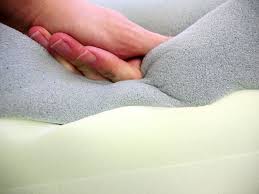
La resistencia contra la fuerza determina lo bien que un aislamiento maneja trabajos pesados como suelos de salas frías o marcos de pared. El poliuretano proporciona una resistencia a la presión más fuerte que las láminas básicas de espuma de poliestireno. Además, se mantiene flexivo bajo tensión. Su construcción soporta pesos pesados sin flexión. Esto se adapta bien a las instalaciones de refrigerador o pisos de fábrica. Para la estabilidad de la forma con el tiempo, el poliuretano mantiene su forma mejor bajo largas tensiones o cambios de calor. El poliestireno puede contraerse un poco o torcerse después de muchos bucles de calor a menos que reciba impulsos de aditivos como grafito o negro de carbono.
¿Cuán resistentes son a la humedad y a las condiciones ambientales?
El bloqueo del agua es muy importante para la duración de cualquier sistema de aislamiento. La configuración de celdas cerradas del poliuretano resiste altamente a la absorción de agua. Esto detiene el crecimiento del moho o el daño interior incluso en áreas húmedas.
Las láminas de espuma de poliestireno pueden absorber agua a través de pequeñas grietas o lados abiertos si no se sellan justo en la configuración. Para combatir esto, el módulo de control de inundaciones AquaGuard de HUASHENG muestra unidades de emergencia EPS repelentes al agua. Estos tienen una absorción de agua inferior al 0,5%. Este progreso demuestra lo inteligente que puede ser el EPS cerca del escudo de agua del poliuretano cuando se hace justo.
Los paneles de poliuretano de HASHENG también agregan agentes repelentes del agua. Estas botas protegen contra la acumulación de rocío. Eso da un gran borde para los conductos de aire o envolturas de tuberías que enfrentan calientes variados.
¿Dónde se pueden aplicar estos materiales de manera más eficaz?
Ambos encajan en diversos campos en función de sus rasgos y su relación calidad-precio. El aislamiento de poliuretano aporta una gran flexibilidad. Funciona a través de spray para una cubierta suave en puntos desiguales. O se instala como tablas firmes en configuraciones de techo, láminas de pared, almacenamiento en frío y construcciones prefabricadas.
Las hojas de espuma de poliestireno se adaptan a formas sencillas como paredes planas o rellenos de envases. Pero se adaptan menos a los planes de construcción complicados debido a límites rígidos. Aun así, HUASHENG ofrece EPS a medida soluciones para las necesidades de edificios domésticos y de fábricas. Esto viene a través de servicios de equipo de paso completo desde el diseño y la fabricación de muestras hasta la producción y el envío.
Para los expertos que quieren soluciones superiores para tuberías de fábrica y carcasas de edificios, los paneles de espuma rígida HASHENG PU muestran poca caída de grosor con el tiempo. Aseguran un ahorro máximo de energía en muchos entornos.
¿Cómo se comparan la eficiencia de costos y la sostenibilidad?
El poliuretano a menudo cuesta más al principio que las hojas de espuma de poliestireno. Pero su mejor retención de energía trae ahorros más tarde a través de menores facturas de calor y frío. También necesita menos mantenimiento ya que permanece entero más tiempo sin intercambios frecuentes.
En el lado verde, ambos han avanzado hacia objetivos ecológicos. Sin embargo, HUASHENG destaca en los esfuerzos de limpieza con insumos reutilizados para sus líneas EPS.
La compañía investió cientos de millones de yuanes en la primera línea inteligente del mundo para poliestireno a partir de materias primas reutilizadas al 100%… alcanzando una tasa de reutilización de más del 95% para chatarra y recortando el uso de energía en un 30%. Además, mezclas de poliuretano fresco de uso HASHENG espuma amigable con la tierra agentes con bajo potencial de calentamiento global (GWP). Esto se ajusta a los objetivos climáticos mundiales mientras mantiene la tecnología fuerte. Los expertos que pesan tareas ecológicas con costes de vida completa podrían gustar los sistemas de poliuretano de pulverización HASHENG para trabajos de campo que requieren sellos apretados más ajustes de reglas ecológicas.
¿Por qué los profesionales deben elegir las soluciones de aislamiento de poliuretano de HASHENG?
HASHENG se distingue con nuevas ideas en la tecnología de control de espuma exacta. Esto trae una calidad constante en cada carrera. Sus configuraciones de poliuretano mezclan la retención térmica superior con resistencia probada para su uso en los planes de construcción actuales. Estos van desde unidades frigoríficas de tienda hasta sitios de fábricas que necesitan estrictas reglas de calor.
Además, HASHENG se centra en la tecnología de escudo de agua que promete confianza incluso en el mal tiempo. Eso se adapta a puntos que van desde áreas frías por debajo de cero hasta zonas de alto calor.
Preguntas frecuentes
Q1: ¿Qué hace que el poliuretano sea más eficiente térmicamente que la lámina de espuma de poliestireno?
A1: El poliuretano tiene menor conductividad térmica debido a su estructura de células cerradas más densa que limita la transferencia de calor de manera más eficaz que las perlas de poliestireno expandido usadas en productos de lámina de espuma de poliestireno.
Q2: ¿Son los productos de poliuretano de HASHENG respetuosos con el medio ambiente?
A2: Sí. Utilizan agentes de soplado de bajo GWP y formulaciones duraderas que prolongan la vida útil al tiempo que reducen los residuos de reemplazo, complementando las iniciativas más amplias de fabricación verde de HUASHENG utilizando materias primas recicladas.
Q3: ¿Puede la espuma de poliestireno todavía ser una buena opción a pesar de una menor eficiencia?
A3: Absolutamente; Cuando es producido por fabricantes avanzados como HUASHENG utilizando tecnología de estructura de poros nanocerrados o modificaciones de grafito (por ejemplo, poliestireno grafito S-32), sigue siendo rentable para muchas aplicaciones arquitectónicas donde no se requiere un rendimiento extremo pero la sostenibilidad es muy importante.
 Spanish
  English
  German
  French
  Arabic