
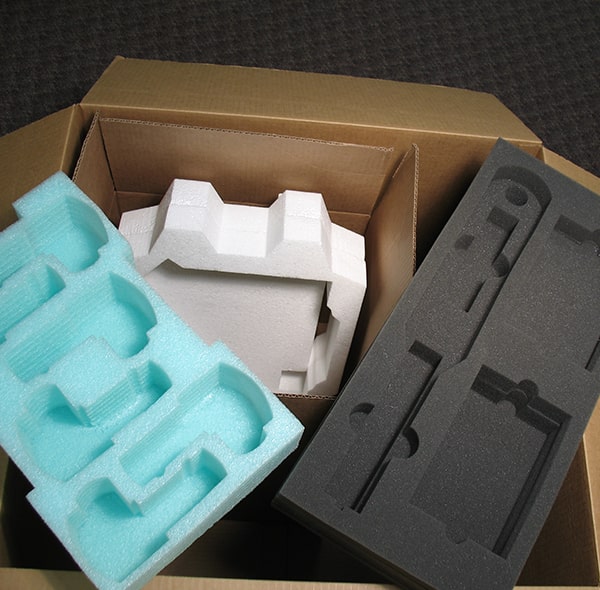
La espuma es una parte clave en el empaquetado actual. Ayuda a los productores a proteger los productos. Al mismo tiempo, controla el peso, los gastos de envío y los residuos materiales. Este material cojines sopla bien. También aisla los productos delicados y se adapta a varias formas. Estos rasgos lo hacen bastante útil en áreas como envío, gadgets, comidas y envasado de fábrica. Con las necesidades de envasado creciendo en 2026, la espuma se mantiene entre las mejores opciones para mezclar la seguridad con el uso inteligente.
¿Cuál es el papel de la espuma en el embalaje moderno?
Los tipos de espuma se han vuelto vitales en el envasado. Combinan seguridad, flexibilidad y ahorro presupuestario. Tales materiales resultan especialmente clave para los campos que manejan mercancías rompibles o caras.
¿Por qué la espuma es importante para la protección del producto?
La espuma en el envase actúa como tampón. Absorbe sacudidas y temblores mientras los objetos viajan. La construcción ligera reduce los costos de entrega. Sin embargo, mantiene niveles de protección. Esta mezcla de resistencia y bajo peso mantiene cosas rompibles como aparatos, cerámica y herramientas seguras a lo largo de la ruta de suministro. Por ejemplo, el material estándar E es un EPS ordinario ampliamente utilizado, adecuado para máquinas de formación al vacío automáticas, máquinas de formación de accionamiento eléctrico y prensas de elevación hidráulicas tradicionales. Es una materia prima de relación de espumación estándar, que puede alcanzar partículas de burbujas de densidad más ligera a la vez, y es generalmente más adecuada para productos con una espumación de 13 g/L o más. Este tipo de materiales muestran cómo los métodos de espuma aumentan tanto la potencia de protección como la velocidad de fabricación.
HUASHENG actúa como una empresa centrada en la tecnología que maneja la investigación, fabricación y venta de espuma de poliestireno expandible (EPS). La empresa’ Los métodos modernos de hinchado se aseguran de que cada perla gane la máxima uniformidad en la densidad y la durabilidad de prensado. Estos rasgos son muy importantes para el embalaje.
¿Qué propiedades definen un embalaje de espuma eficiente?
Algunos rasgos principales establecen lo bien que funciona la espuma en los trabajos de envasado.
- La resistencia a la compresión permite que la espuma mantenga su forma bajo el peso apilado.
- El aislamiento térmico protege los productos sensibles al calor.
- La inercia química detiene las malas reacciones con los productos envasados.
Estas características hacen que la espuma sea perfecta para campos como la entrega de comidas, la fabricación de gadgets y el envío de equipos de salud.
¿Cuáles son los materiales de espuma más comunes utilizados en el envasado?
La espuma para el envasado aparece en varios estilos. Cada uno trae beneficios especiales en función del tipo de artículo y las necesidades de cuidado.
Espuma de poliestireno expandido (EPS)
EPS La espuma se clasifica como uno de los principales tipos comunes de espuma para materiales de envasado. Esto se debe a su firmeza y bajo precio. El material ligero P-extra es un EPS ordinario ampliamente utilizado, adecuado para máquinas de formación al vacío automáticas, prensas hidráulicas de elevación tradicionales y todo tipo de máquinas de placas grandes. Es una materia prima de alta velocidad de espuma y se puede espumar una vez para lograr partículas de burbujas de densidad más ligera, lo que la hace más adecuada para múltiples espumaciones para obtener productos de espuma más ligeros. Por lo tanto, el EPS se adapta bien para empaquetar dispositivos domésticos o soportes de comidas que necesitan tanto un soporte firme como un bloqueo de calor. La serie P-101 de grado ligero P-extra muestra este grupo con su superficie uniforme y su amplio uso en muchos campos.
Espuma de polietileno (PE)
La espuma de PE da flexividad junto con resistencia al agua. Su configuración de celdas selladas ofrece un gran remojo en caliente. Además, bloquea la entrada de agua o el daño de los productos químicos. Estas cualidades se adaptan para piezas de automóviles, herramientas de salud y usos duraderos de almacenamiento en fábrica.
Espuma de poliuretano (PU)
La espuma de PU brilla con su grosor ajustable y poder de acolchado de primera clase. La gente a menudo lo elige para el embalaje exacto como cajas de herramientas o insertos de protección. Allí, los ajustes finos deben mantenerse seguros en tránsito.
¿Cuáles son los materiales de espuma emergentes que dan forma a las soluciones de envasado de 2026?
El campo del envasado sigue cambiando hacia formas verdes y nuevas ideas. Los nuevos tipos de espuma apuntan a mejorar el trabajo y el cuidado de la tierra.
¿Cómo se están innovando las espumas de polietileno reticulado (XLPE)?
Las espumas de polietileno reticuladas llaman la atención por sus opciones de construcción y reutilización más fuertes. Su superficie uniforme aumenta la apariencia, lo que importa en el envasado de artículos de lujo. Ganan más uso en configuraciones de guardia de gadget donde el manejo ocurre con frecuencia.
¿Qué son las espumas biobasadas y sostenibles?
Los objetivos verdes impulsan un nuevo crecimiento en los intercambios de poliuretano de raíces vegetales de fuentes frescas como la soja o el aceite de ricino. Estos picks verdes cortan las marcas de carbono sin perder rasgos de fuerza. Además, las soluciones de poliestireno reutilizadas utilizan configuraciones de bucle cerrado para la recuperación y reutilización del material. Mejores métodos de reutilización ahora dan una calidad constante en lotes, lo que importa mucho para los fabricantes que quieren materiales sólidos pero amigables con la tierra.
¿Qué factores de rendimiento influyen en la selección de materiales?
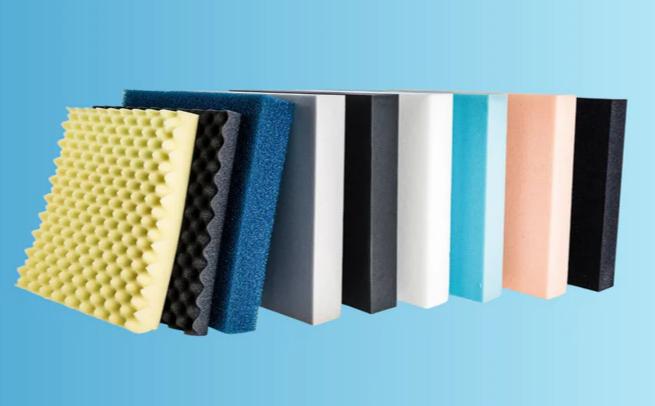
La elección de la espuma correcta, poliestireno u otros tipos de bisagras depende de la coincidencia del trabajo tecnológico con el sentido del dinero.
La fuerza en la mecánica se une directamente al grosor. Espumas más gruesas dan una mejor capacidad de retención de peso. Sin embargo, aumentan el costo por unidad espacial. Por lo tanto, encontrar el equilibrio correcto entre el peso ligero y la resistencia al soplo conduce a resultados de diseño inteligentes. El ajuste también cuenta mucho: los gadgets sensibles se benefician de las características anti-chispa en tipos especiales de EPS reforzados con grafito como el poliestireno de grafito FGE (método de suspensión), que es adecuado para el aislamiento térmico en la construcción y la industria. Cuando el polímero se sintetizó mediante polimerización en suspensión, el material funcional grafito se añadió para hacer que el polímero de poliestireno tuviera propiedades funcionales. Las arenas gestionadas por calor dependen de espumas resistentes al calor que mantienen incluso estados internos durante el viaje.
¿Cómo los avances tecnológicos dan forma al futuro diseño de envases de espuma?
Los cambios recientes están remodelando la forma en que los fabricantes crean y usan espuma en las líneas de suministro. Las espumas inteligentes con sensores incorporados pueden rastrear cosas como el calor o las fuerzas de golpe en tránsito. Esta información instantánea ayuda planes de solución basados en adivinaciones en las redes de envío. Además, agregar fabricación o impresión 3D cambia los planes de espuma personalizados. Permite que las formas complicadas encajen solo en artículos individuales. Estas formas cortan los residuos y aseguran el uso de relleno superior.
¿Qué factores estratégicos deben considerarse al elegir el material de espuma adecuado?
La inteligencia de los costos de correspondencia necesita mirar los costos completos de vida útil, no solo los precios iniciales de los materiales. La gota de espuma ligera viaja el uso de energía, un punto importante cuando se cultivan y envían redes en todo el mundo. Mientras tanto, los recubrimientos de espuma con objetivos verdes firmes aumentan la sensación de marca en mercados ecológicamente inteligentes. Por ejemplo, añadiendo un alto nivel grafito poliestireno como el poliestireno de carbono de baja conductividad térmica de FGE ayuda a configuraciones de construcción de ahorro de energía mientras golpea reglas terrenales difíciles.
¿Cómo influirá la regulación ambiental en las prácticas de envasado de espuma para 2026?
El mundo’ Las reglas exigen cada vez más maneras verdes en todos los pasos. Los líderes impulsan los intercambios de descomposición o reciclaje a través de planes de recompensas y reglas de coincidencia vinculadas a los objetivos de la economía de bucle. Los fabricantes responden construyendo mejores mezclas que golpean estas marcas terrenales mientras mantienen rasgos de trabajo fuertes.
Los impulsores de economía de bucle también traen de vuelta lazos de recuperación de recursos entre fabricantes y reutilizadores para cerrar bien los caminos de materiales. Las empresas que toman esta manera no solo cortan basura, sino que también elevan la imagen de marca con compradores inteligentes.
Preguntas frecuentes
Q1: ¿Qué hace que la espuma de EPS sea diferente de otros materiales de embalaje?
A1: Espuma EPS mezcla firmeza con rasgos ligeros. Ofrece un gran empapamiento de sacudidas a un costo barato, perfecto para proteger gadgets o artículos rompibles en viajes.
Q2: ¿Son las espumas a base de bio tan eficaces como las sintéticas?
A2: Sí, los intercambios actuales de poliuretano a base de plantas de aceites frescos alcanzan, como, el trabajo de relleno. Al mismo tiempo, cortan la tierra’ daño mucho.
Q3: ¿Cómo mejoran las espumas inteligentes la gestión de la cadena de suministro?
A3: Espumas inteligentes con sensores incorporados dan un seguimiento instantáneo del calor o los cambios de empuje en el envío. Esto permite a las empresas detectar problemas probables pronto y ajustar el funcionamiento del envío bien.
 Spanish
  English
  German
  French
  Arabic