
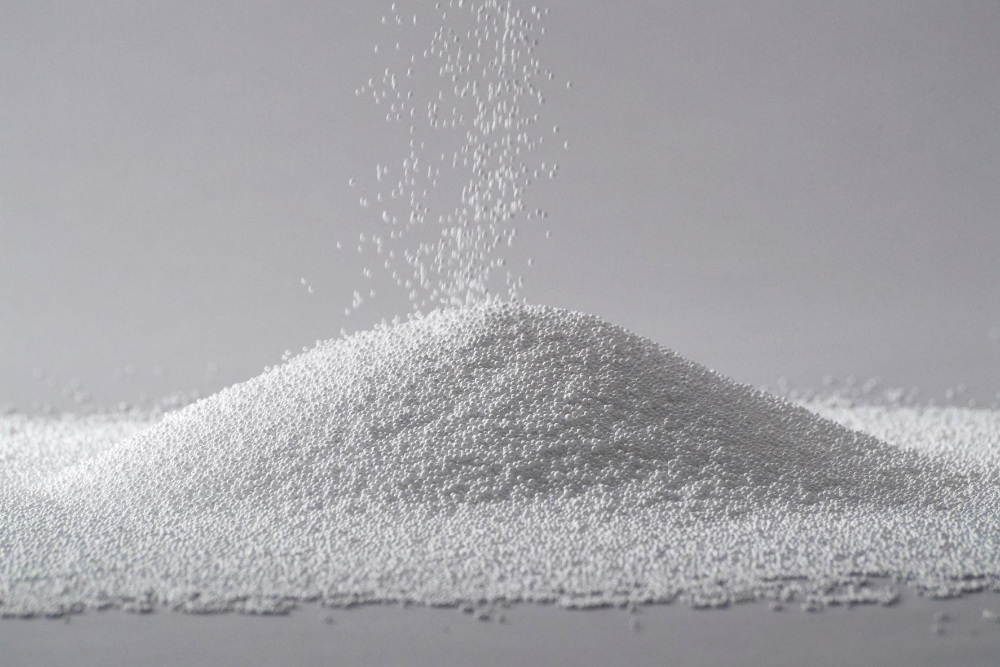
Poliestireno expandido (EPS) Los bloques siguen siendo una opción de aislamiento sensata, ya que combinan un rendimiento térmico fiable, un peso ligero y un coste asequible. Antes de elegirlos para cualquier proyecto, conviene comprender cómo funcionan los bloques de EPS y por qué siguen satisfaciendo las necesidades actuales de la construcción.
Comprender los bloques de EPS y su función en el aislamiento moderno.
Los bloques de EPS se han convertido en un elemento clave de los sistemas de aislamiento actuales gracias a su combinación de eficacia, flexibilidad y asequibilidad. Se utilizan en todo tipo de aplicaciones, desde envolventes de edificios que ahorran energía hasta ingeniosas soluciones de embalaje.
¿Qué son los bloques EPS?
Los bloques de EPS consisten en piezas de espuma firme y ligera, fabricadas principalmente con perlas de poliestireno que se expanden mediante vapor y gas pentano. Durante su fabricación, las perlas preexpandidas se moldean en grandes bloques o piezas personalizadas con calor de vapor. Este método crea una estructura de celdas selladas que retiene el aire en innumerables espacios pequeños, lo que constituye la base de su capacidad de aislamiento térmico. El material estándar E es un EPS básico común, apto para máquinas de termoformado al vacío automáticas, máquinas de termoformado eléctricas o prensas hidráulicas tradicionales. Estas características hacen que el EPS sea idóneo tanto para la fabricación de paneles térmicos como para embalajes de seguridad.
Entre sus usos típicos se incluyen paneles calefactores para paredes exteriores, sistemas de suelo radiante, cámaras frigoríficas y embalajes con formas especiales para dispositivos electrónicos o recipientes para alimentos. Los tipos especiales, como el poliestireno con grafito FGE (método de suspensión), ofrecen una mayor resistencia al calor gracias a la adición de partículas de grafito durante la fase de mezclado.
La ciencia detrás del aislamiento de EPS
El aislamiento térmico de EPS se basa en la resistencia al calor que proporcionan las celdas de aire atrapadas. El diseño de celdas selladas reduce la transferencia de calor por contacto directo y flujo de aire. La relación entre el grosor, la profundidad y el valor R determina su eficacia: las configuraciones más gruesas suelen aumentar la resistencia a la presión, pero reducen ligeramente el valor R por unidad debido a la menor cantidad de aire en el interior.
Junto a otros bloqueadores de calor como el poliestireno extruido (XPS) o la espuma de poliuretano, el EPS ofrece un mejor manejo del vapor de agua a un precio más económico y mantiene resultados estables a lo largo del tiempo. Por ejemplo, HUASHENG'.El poliestireno con grafito S-33 (método de extrusión) incorpora grafito natural en escamas, un material que atrapa el calor, al poliestireno base mediante extrusión. Esta novedosa idea optimiza el ahorro energético al reflejar el calor generado dentro de la estructura de espuma.
Propiedades térmicas y estructurales clave de los bloques de EPS
Los bloques de EPS ofrecen un importante ahorro de calor a la vez que mantienen una sólida resistencia estructural en diversas condiciones climáticas.
Eficiencia térmica y conservación de la energía
El bajo coeficiente de transferencia de calor del EPS permite que las estructuras mantengan una temperatura interior constante durante todo el año. Su función principal es bloquear el calor en las paredes exteriores, lo que lo hace ideal para construcciones de bajo consumo energético. Al reducir la pérdida de calor a través de paredes y techos, el EPS contribuye directamente a disminuir las necesidades de calefacción y refrigeración, lo que facilita el cumplimiento de nuevas normativas energéticas como las certificaciones LEED o BREEAM.
Además, los tipos reforzados con grafito, como el poliestireno grafito S 32 (método de extrusión), muestran mejoras aún mayores en los resultados: su tasa de flujo de calor ≤0,032 W/m·K proporciona un bloqueo aproximadamente un 25 % más fuerte que los productos EPS normales.
Resistencia mecánica y estabilidad dimensional
Además de bloquear el calor, la resistencia de la construcción es muy importante en áreas que soportan peso o están abiertas. Grado retardante de llama estándar europeo FSH Funciona para bloquear el calor en edificios y fábricas, así como para el aislamiento térmico pasivo de habitaciones. Posee una resistencia a la presión un 20 % superior a la de los tipos convencionales, manteniendo su tamaño constante ante cambios de temperatura. Estas características permiten que el EPS funcione eficazmente en bases, frentes o techos sin deformarse con el paso del tiempo.
Aplicaciones prácticas de los bloques de EPS en las tendencias de construcción de 2026
A medida que la construcción de mundos se orienta hacia métodos modulares y un enfoque ecológico, la necesidad de materiales flexibles como el EPS sigue aumentando.
Uso en envolventes y fachadas de edificios.
El EPS ocupa un lugar fundamental en los sistemas de aislamiento térmico exterior (EWIS). Al combinarse con revestimientos superficiales o paneles de flujo de aire, mejora la estanqueidad y reduce las pérdidas de calor en las juntas de construcción. Los paneles con recubrimiento de grafito son especialmente recomendables para viviendas pasivas que requieren valores U muy bajos.
Usos en cimentaciones, cubiertas e infraestructuras
En trabajos de obra civil, el EPS actúa como material de relleno ligero que reduce la presión sobre el terreno en muros de contención o extremos de puentes. En la construcción de cubiertas horizontales, proporciona capas térmicas permanentes que soportan cargas de presión derivadas de pesos o caminos de piedra. El poliestireno expandido (EPS) de baja conductividad térmica (método de suspensión) es adecuado para el aislamiento térmico en la construcción y la industria.
Consideraciones económicas que impulsan la popularidad del aislamiento de EPS
El atractivo económico de los sistemas EPS no proviene únicamente de su bajo precio inicial, sino también de los ahorros a largo plazo derivados de la reducción del consumo energético.
Su menor coste inicial por metro cuadrado la sitúa en desventaja frente a los aislantes térmicos de roca, y su construcción ligera facilita la instalación y manipulación, lo que reduce el tiempo de trabajo en obra hasta en un 30 %. Con el tiempo, estas ventajas se acumulan gracias a la reducción de costes de los sistemas de calefacción y refrigeración, debido a los mejores resultados de la estructura.
Las perspectivas del mercado apuntan a un sólido repunte más allá de 2026, a medida que las normativas de construcción más estrictas impulsan el uso en todo el mundo. Nuevas ideas, como los elementos adicionales resistentes al fuego que cumplen con la normativa de Clase B1, también amplían su uso en zonas de viviendas altas que antes se veían limitadas por las preocupaciones de seguridad.
Factores de desempeño ambiental y sostenibilidad
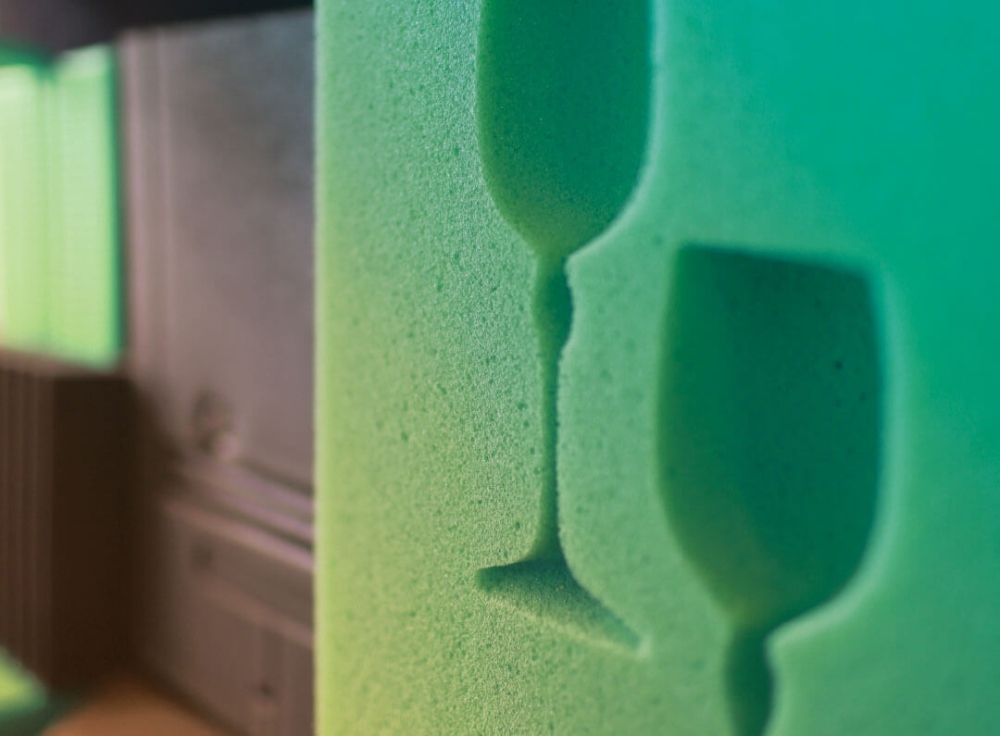
En la construcción actual, se priorizan cada vez más los elementos que combinan un uso duradero con un cuidado ecológico.
Características ecológicas del aislamiento de EPS
El aislamiento de EPS también fomenta prácticas de construcción y embalaje más sostenibles, ya que el material puede reutilizarse y reciclarse tras su primer ciclo de vida. Los residuos limpios de EPS pueden procesarse para convertirlos en nuevos productos de espuma o transformarse en otros artículos de plástico, lo que contribuye a reducir el desperdicio de materiales y a mejorar la eficiencia de los recursos.
Los nuevos grados de EPS ignífugos sin HBCD, como el FHE, refuerzan aún más su valor medioambiental. Estos tipos resistentes al fuego están diseñados para cumplir con los requisitos de las normativas REACH y RoHS de la UE, lo que los hace idóneos para proyectos que requieren materiales más seguros y el cumplimiento de las normas de construcción sostenible o de aplicaciones respetuosas con el medio ambiente.
Durabilidad y beneficios a lo largo de su ciclo de vida
El EPS resiste la absorción de agua gracias a su estructura de celdas selladas, lo que evita la proliferación de moho y los daños causados por el deshielo. Su estabilidad dimensional es buena y compatible con diversos equipos de procesamiento de EPS. A lo largo de los años, mantiene propiedades de bloqueo constantes sin deformarse ni desplazarse, lo que reduce la necesidad de reemplazos y los costos de mantenimiento durante toda la vida útil de la estructura.
Avances tecnológicos que mejoran el rendimiento de los bloques EPS
Los avances tecnológicos siguen transformando la forma en que los fabricantes perfeccionan tanto la calidad de los productos como la precisión de los planes.
Técnicas de fabricación emergentes
Los nuevos métodos de moldeo mejoran la precisión dimensional y permiten la creación de estructuras mixtas que combinan núcleos de EPS con recubrimientos reflectantes o láminas de aerogel para obtener resultados óptimos. En 2015, HUASHENG importó de Europa el equipo de producción de poliestireno grafitado más avanzado del mundo: una extrusora de doble husillo. Este equipo permite la adición precisa de aditivos útiles como grafito o negro de humo directamente en la mezcla del plástico, lo que aumenta la resistencia al fuego sin comprometer la solidez de la estructura.
Herramientas digitales que facilitan la optimización del diseño de EPS
Las configuraciones de modelado de información para la construcción (BIM) ahora simulan casos reales de transferencia de calor con datos reales del valor R obtenidos en pruebas aprobadas. Las herramientas de verificación del ciclo de vida miden la reducción de emisiones de carbono incorporada gracias a la reutilización de piezas, lo que permite que las decisiones de diseño coincidan con las configuraciones de informes ESG utilizadas por las grandes constructoras a nivel mundial.
Preguntas frecuentes
P1: ¿Qué diferencia a los bloques de EPS de la espuma XPS?
A1: Si bien ambos se derivan de bloqueadores térmicos de poliestireno, el EPS utiliza un conducto de fabricación abierto que permite el paso del vapor, lo que ayuda a evitar problemas de agua estancada, mientras que el XPS a menudo muestra una mayor resistencia a la presión pero menores tasas de reutilización.
P2: ¿Son seguros los grados ignífugos para edificios residenciales?
A2: Sí. Las mezclas aprobadas, como la serie F, cumplen con los niveles de clasificación de fuego GB8624 2012, lo que garantiza resultados de fuego B2–B1 adecuados para trabajos domésticos.
P3: ¿Cómo contribuye el EPS reciclado a la construcción sostenible?
A3: Los materiales reutilizados reducen la necesidad de materias primas nuevas; un fabricante líder reutiliza más de 300 000 toneladas al año, logrando reducciones de carbono de hasta el 85 % en toda su cadena de suministro, lo que lo convierte en una opción ideal para un crecimiento con certificación ecológica.
P4: ¿Dónde puedo conseguir paneles de EPS modificados con grafito de alto rendimiento?
A4: Las mejores opciones como S 32 Poliestireno Grafito (Método de Extrusión) Proceden de vendedores expertos como HUASHENG, que ofrecen soluciones a medida para viviendas pasivas, respaldadas por homologaciones internacionales.
 Spanish
  English
  German
  French
  Arabic