
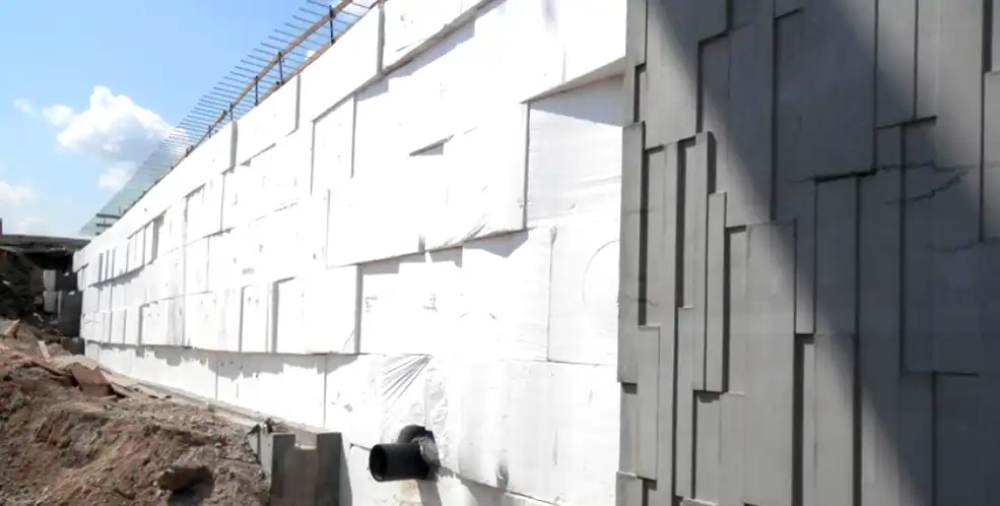
EPS El EPS despierta un interés creciente entre los constructores que buscan alternativas más ligeras, energéticamente eficientes y económicas en comparación con los materiales de construcción tradicionales. Sus excelentes propiedades aislantes, su diseño adaptable y su sencilla instalación se ajustan a las diversas necesidades actuales de la construcción. Para comprender por qué el EPS resulta cada vez más atractivo, conviene analizar las principales tendencias que influirán en su aplicación en 2026.
Tendencias emergentes en materiales de construcción EPS en 2026
El creciente papel del EPS en la construcción moderna
El sector de la construcción se enfrenta a una importante transformación en los materiales, y el poliestireno expandido (EPS) lidera este cambio. Conocido por su excelente aislamiento y ligereza, el EPS está revolucionando la forma en que diseñadores y constructores abordan los planes de ahorro energético.
Actualmente, los constructores recurren cada vez más al EPS para viviendas y edificios comerciales, gracias a su gran resistencia a la compresión, densidad uniforme y excelentes propiedades de aislamiento térmico. En comparación con opciones comunes como la lana mineral o la espuma de poliuretano, el EPS ofrece un transporte más sencillo, un precio por metro cuadrado más económico y tiempos de instalación más cortos, sin sacrificar la durabilidad.
Factores del mercado que impulsan el aumento de las ganancias por acción
El aumento de la demanda de EPS se debe a los objetivos medioambientales mundiales y a las normativas energéticas más estrictas. Las autoridades exigen menores emisiones de carbono en las cadenas de producción, e instan a los promotores a elegir espumas ecológicas que cumplan con las directrices LEED o BREEAM.
Los avances tecnológicos también han sido de gran ayuda. Las mezclas actuales de EPS incorporan materiales que mejoran la seguridad contra incendios y la gestión del agua, mejoras clave con respecto a los tipos de espuma anteriores. Además, nuevas ideas como los paneles de EPS reforzados con grafito ofrecen hasta un 25 % más de aislamiento que los tipos básicos, y siguen siendo reciclables.
Avances tecnológicos en la producción de EPS
Innovaciones en los procesos de fabricación
Los avances en la producción están redefiniendo los límites de los materiales de espuma. Los nuevos métodos de moldeo permiten a los trabajadores controlar con precisión el crecimiento de las perlas y la uniformidad de la densidad, además de reducir los residuos en los ciclos de fabricación.
Los sistemas de configuración automática permiten ahora realizar controles de calidad constantes mediante sensores basados en IA. Estos sensores ajustan la presión del vapor y el tiempo de endurecimiento al instante, lo que aumenta la fiabilidad en proyectos de gran envergadura. Además, los mejores tratamientos superficiales prolongan la vida útil de los artículos frente a los rayos solares y las inclemencias del tiempo.
En respuesta a esto, HUASHENG Se han llevado a cabo activamente reformas tecnológicas. Se ha implementado un sistema de producción inteligente de última generación y se han incorporado métodos de espumado de EPS de vanguardia y herramientas de control precisas. Esto garantiza que los productos alcancen los estándares líderes del sector en parámetros clave como la uniformidad de la densidad, la resistencia a la compresión y la calidad del aislamiento térmico.
Integración de materiales inteligentes con EPS
La tecnología para edificios inteligentes combina la inteligencia digital con conocimientos básicos de aislamiento. Los sensores integrados en los paneles EPS más recientes permiten monitorizar los cambios de temperatura o detectar filtraciones de agua en las paredes. Esta información se utiliza en sistemas de mantenimiento predictivo para edificios inteligentes, que ajustan las necesidades de calefacción y refrigeración en tiempo real.
Esta mezcla no solo mejora la eficiencia de la construcción, sino que también permite una gestión integral del ciclo de vida de las instalaciones, y crea estructuras que se adaptan a la vez que aíslan.
Sostenibilidad e impacto ambiental del EPS moderno
Formulaciones ecológicas e iniciativas de reciclaje
El concepto de protección del medio ambiente sigue siendo clave para el crecimiento de los usos del poliestireno expandido.
Los métodos de recuperación actuales incluyen la reutilización mediante solventes, que produce piezas de poliestireno puro con un 99,7 % de pureza; un gran avance que demuestra cómo funcionan las ideas de economía circular en la producción industrial a gran escala. A diferencia de opciones más antiguas como las láminas de PVC o los paneles de fibra de vidrio, que a menudo se queman, el EPS reutilizable genera un impacto ambiental mucho menor.
HUASHENG recicla 300 000 toneladas de EPS al año, ahorrando 1 500 000 toneladas de crudo y 1 200 000 toneladas de dióxido de carbono. Estos métodos de reciclaje reducen considerablemente la cantidad de basura en los vertederos, al tiempo que ahorran materias primas derivadas del petróleo.
Beneficios de los materiales EPS en cuanto a eficiencia energética
El ahorro energético es quizás la ventaja más evidente de los productos de espuma actuales. Sus altos valores R permiten lograr un mejor aislamiento en paredes más delgadas. Al ofrecer una barrera térmica constante, mantienen los espacios interiores confortables durante todo el año, lo que reduce la necesidad de calefacción o refrigeración. Su ligereza también disminuye las emisiones de transporte durante el envío, un factor importante que a menudo pasa desapercibido en la huella de carbono total del proyecto.
Flexibilidad de diseño y aplicaciones estructurales del EPS en proyectos de 2026
La versatilidad del EPS abre nuevas posibilidades de diseño que antes estaban limitadas por materiales más voluminosos o rígidos. Tableros con formas personalizadas Se pueden adquirir piezas prefabricadas para fachadas o componentes domésticos listos para usar, sin necesidad de apenas recortes ni residuos en obra. Funcionan bien con estructuras de hormigón reforzado, permitiendo métodos de construcción mixtos donde el soporte de peso se combina armoniosamente con la mejora del aislamiento térmico.
Los productos mejorados cumplen esta doble función: combinan una mayor resistencia a la compresión con un flujo de calor muy bajo (≤0,032 W/m·K), lo que los hace ideales para viviendas de bajo consumo energético que requieren tanto firmeza como un aislamiento completo. Al mismo tiempo, la seguridad ha mejorado notablemente gracias a las capas ignífugas que cumplen con la normativa de resistencia al fuego de grado B1 (GB8624-2012). Estas mezclas ofrecen un mejor rendimiento que los antiguos tipos de poliestireno, que se incendiaban fácilmente a altas temperaturas.
Ventajas económicas y operativas para los constructores que utilizan materiales EPS
Desde la compra hasta el mantenimiento a largo plazo, el poliestireno expandido reduce los costos operativos en cada fase de la construcción. Su ligereza facilita la colocación por parte de los trabajadores —y a menudo evita la necesidad de maquinaria pesada—, lo que acelera el montaje hasta en un 20 %.
La solidez de la cadena de suministro también ha aumentado. Los centros de fabricación locales, respaldados por el transporte de automóviles, reducen la dependencia de materias primas extranjeras, lo que representa una ventaja importante ante los problemas de transporte global posteriores a 2024. Los esfuerzos por cumplir con los estándares ISO 14067:2018 mantienen niveles de calidad estables en todo el mundo y confirman métodos de producción con bajas emisiones de carbono.
Perspectivas de futuro: El papel en evolución del EPS en las prácticas de construcción sostenible
A medida que el crecimiento urbano se acelere más allá de 2026, la demanda de materiales de construcción rápidos y ecológicos se intensificará. El poliestireno expandido parece estar listo para liderar este sector gracias a su eficacia comprobada en diversas aplicaciones, desde edificios residenciales de gran altura hasta unidades de almacenamiento refrigerado que contribuyen al suministro de alimentos en ciudades inteligentes.
Los estudios sobre espumas biodegradables elaboradas con polímeros de origen vegetal sugieren que pronto habrá opciones aún más sostenibles. La colaboración entre fabricantes y expertos en materiales sigue ampliando los límites, utilizando modelos informáticos a nivel atómico, ya desarrollados en laboratorios de vanguardia, para ajustar la configuración de celdas diminutas para los futuros tipos de REPS.
Las herramientas de planificación en línea seguirán siendo vitales para un uso óptimo de los recursos, desde la planificación hasta el desmantelamiento, lo que consolida la posición de EPS como un ahorrador de energía en la actualidad y un aliado para los diseños con cero emisiones de carbono en el futuro.
Preguntas frecuentes
P1: ¿Qué diferencia al EPS moderno de los materiales aislantes tradicionales?
A1: El poliestireno expandido moderno ofrece una mayor resistencia a la compresión y una reciclabilidad superior en comparación con los paneles convencionales de fibra de vidrio o lana mineral, al tiempo que mantiene excelentes valores de resistencia térmica.
Q2¿Se pueden utilizar de forma segura los materiales ignífugos en proyectos urbanísticos?
A2: Sí, las formulaciones avanzadas como REPS de grado F cumplen con los estándares de seguridad contra incendios de nivel B1 según la normativa GB8624 2012, lo que las hace adecuadas para proyectos urbanos de alta densidad que requieren un cumplimiento estricto.
Q3¿Dónde puedo encontrar productos EPS ecológicos certificados?
A3: Opciones certificadas como S-32 Grafito Poliestireno (Método de Extrusión) Están disponibles a través de fabricantes especializados que ofrecen soluciones bajas en carbono con certificación ISO14067, diseñadas para las necesidades de construcción sostenible en todo el mundo.
 Spanish
  English
  German
  French
  Arabic