
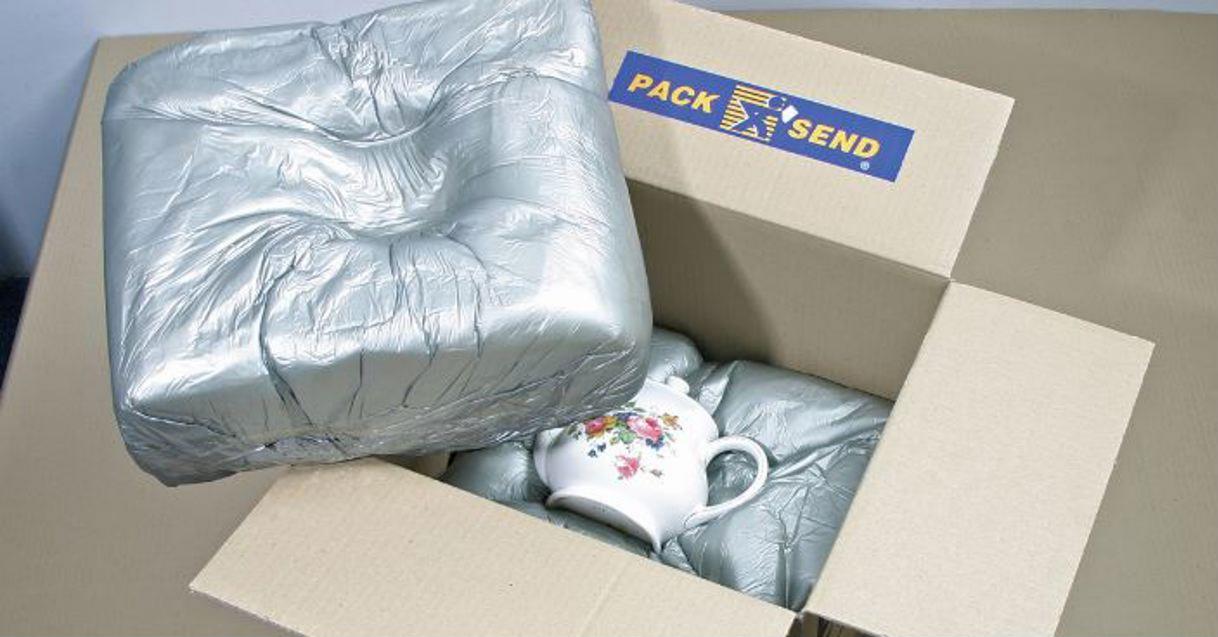
El envasado de espuma siempre ha servido como una forma confiable de proteger artículos delicados durante el envío y el almacenamiento. A medida que los productos se vuelven más complejos y las necesidades de transporte aumentan, su importancia aumenta aún más. Conocer las razones detrás de la espuma’ El creciente papel de la empresa en 2026 puede ayudar a los compradores a elegir opciones más sabias que reduzcan los riesgos.
¿Por qué los envases de espuma se vuelven más importantes en 2026?
El sector logístico mundial cambia rápidamente y los métodos de envasado se adaptan a las crecientes necesidades de seguridad, respeto del medio ambiente y velocidad. El cambio a las opciones de espuma muestra un cambio más grande impulsado por el auge de las ventas en línea y el cuidado del medio ambiente.
HUASHENG es una empresa centrada en la tecnología que se centra en la creación, fabricación y venta de espuma de poliestireno expandible (EPS). Situada en la región noroeste y llegando a clientes en todo el país, la firma sigue una idea guía de “producción inteligente y verde liderada por la innovación”. Este enfoque coincide con el camino de hoy’ embalaje, que favorece materiales ligeros pero resistentes que reducen los residuos y aumentan los resultados. En los últimos años, la protección para los artículos rompibles ha pasado de las cajas de cartón voluminosas a las espumas modernas como EPS y REPS, mezclando el amortiguamiento con la capacidad de reciclar.
Las redes de suministro de hoy exigen materiales que se mantengan robustos y cumplan con las normas verdes. Para 2026, establecerá una planta modelo de clase mundial neutral en carbono, alcanzando una caída en la producción de carbono de más del 85% en toda la cadena de producción y reduciendo las emisiones en 100.000 a 150.000 toneladas cada año, al igual que restaurar unos 1,5 espacios verdes de la ciudad de Lanzhou. Estos esfuerzos muestran cómo los objetivos ecológicos guiarán los avances en el envasado en los próximos años.
¿Qué tendencias del mercado están impulsando la adopción de envases de espuma?
Con el aumento de las cantidades de entregas globales debido al aumento de las compras en línea, las empresas necesitan métodos de protección que manejen viajes largos sin agregar demasiado peso o gasto. Tipos de espuma como EPS proporcionan equilibrios sobresalientes de protección contra el peso cuando se ajustan contra el cartón o el relleno de plástico de la vieja escuela.
La asequibilidad también juega un papel clave en este cambio. Los artículos REPS muestran una fuerte resistencia a los golpes y resistencia. El primer objetivo de su creación fue mejorar el uso estándar de EPS en tareas de envasado. Esta mejora permite a los fabricantes reducir el uso de energía en la formación en más del 20%, lo que reduce directamente los gastos de funcionamiento.
Las leyes verdes también impulsan los avances materiales. La llegada de espumas reutilizables encaja con las ideas de economía basadas en bucles, ayudando a las empresas a seguir reglas de basura más estrictas mientras mantienen los artículos seguros en los viajes.
¿Qué hace que los materiales de espuma sean ideales para bienes frágiles?
El envoltorio de espuma trae ventajas de construcción que pocos rivales pueden igualar. Su construcción parecida a una burbuja absorbe bien las sacudidas, pero se mantiene ligera para mantener bajas las tarifas de transporte.
Beneficios estructurales del empaquetado de espuma
Espuma’ Su habilidad para combatir los temblores asegura que los productos sensibles, como gadgets o objetos de vidrio, lleguen a sus puntos enteros, incluso después de largas distancias. Su flexión le permite formar exactamente alrededor de formas impares, dando una cubierta completa sin perder cosas adicionales.
En el campo del empaquetado y el transporte de mercancías, la empresa suministra respuestas de espuma EPS ligeras pero fuertes. Estas respuestas dan una mejor protección para los objetos en movimiento, protegiéndolos de daños debido a golpes, temblores y golpes. Esta mezcla de resistencia y bajo peso convierte el envoltorio de espuma en una imprescindible para los sectores que valoran tanto la seguridad como el trabajo rápido.
Tipos de materiales de espuma utilizados en envases
Embalaje de poliestireno expandido (EPS)
EPS se mantiene entre las mejores opciones debido a su buena mezcla de potencia y bajo precio. Los elementos clave de la compañía incluyen diferentes líneas de EPS como el tipo regular, el tipo a prueba de incendios, y tipo de grafito mejorado, utilizado ampliamente en la entrega de la cadena de frío, edificios prefabricados, envoltura a prueba de terremotos y más. Los artículos como el grado de prototipo rápido B ofrecen una alta resistencia a los golpes para herramientas exactas mientras mantienen un volumen bajo para el envío barato.
Espumas de polietileno (PE) y poliuretano (PU)
Estas otras opciones aportan resistencia adicional a la flexión y al agua cuando es necesario, como en usos de salud o alimentos, pero EPS lidera debido a sus opciones de reutilización y trabajo constante en muchos campos.
¿Cómo se compara la espuma con otros materiales de embalaje?
Las opciones de papel como el cartón ondulado dan un relleno simple, pero no logran sostenerse bajo presiones o fuerzas de agitación. Por otro lado, la espuma mantiene su forma incluso después de prensas largas o muchos golpes.
REPS cumple con el grupo mundial de reutilización de PS 6, trabaja para trabajos de exportación y puede reutilizarse en el interior para la transformación en granos o usos inferiores. Esta capacidad de reutilización lo pone por delante de los plásticos de una sola vez o burbujas de aire que agregan mucho a los sitios de vertido.
En el lado verde, las mezclas frescas han mejorado enormemente el récord ecológico de la espuma. HUASHENG reutiliza 300.000 toneladas de EPS cada año, ahorrando 1.500.000 toneladas de petróleo crudo y 1.200.000 toneladas de producción de dióxido de carbono. Tales configuraciones de círculo completo muestran cómo la espuma puede coincidir con los objetivos verdes del mundo mientras hace mejor que los materiales antiguos en las comprobaciones de dureza.
¿Cuán flexible es el diseño de espuma para diferentes categorías de productos?
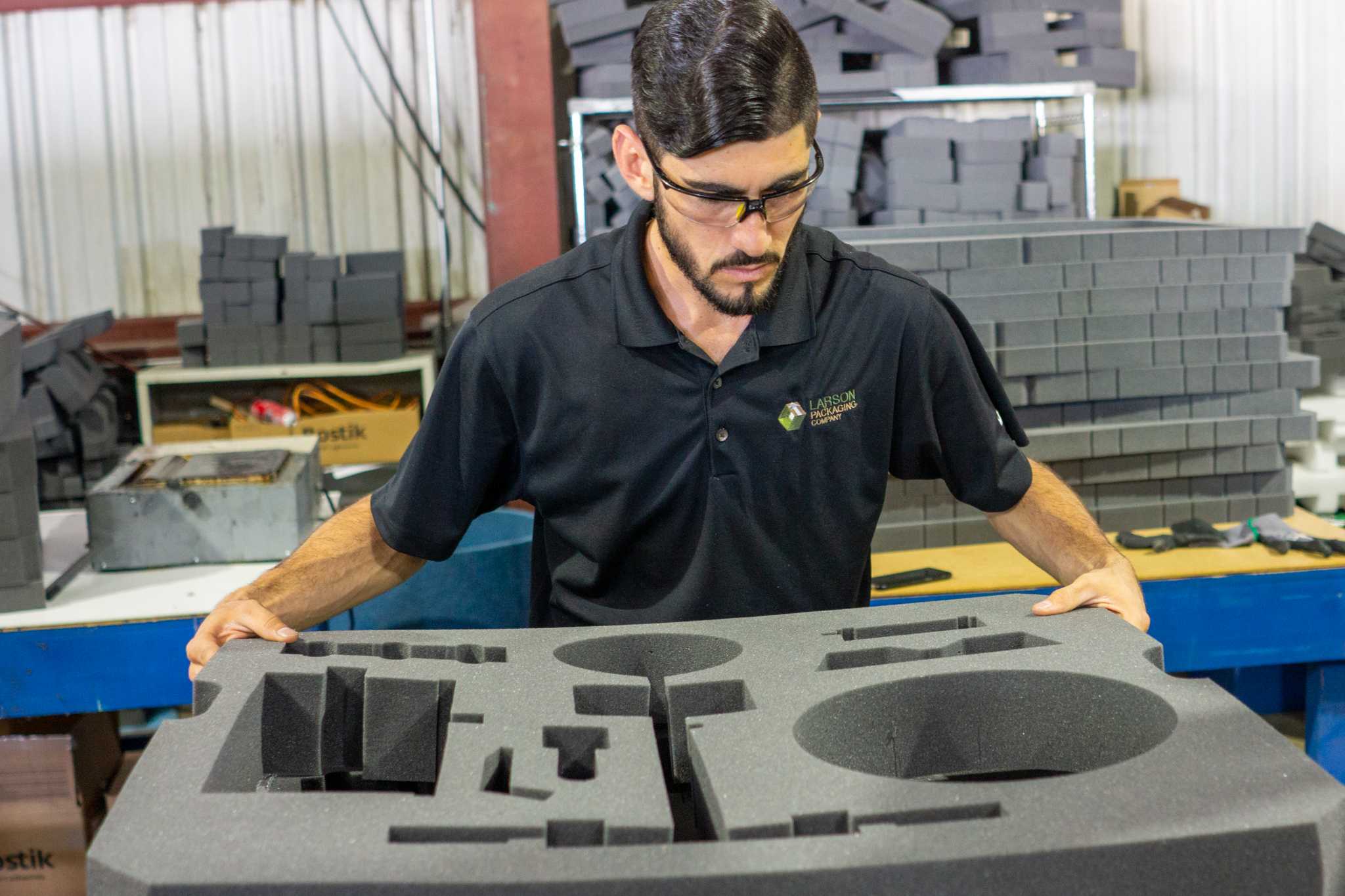
La gama de diseño es una de las mejores características de la espuma. Los fabricantes pueden ajustar los niveles de grosor o agregar rasgos no estáticos en función de las necesidades del artículo.
Soluciones de espuma a medida para categorías de producto específicas
Para dispositivos o herramientas exactas que necesitan protección contra la estática, los tipos EPS no estáticos detienen el daño de chispa al manejar o moverse. Los insertos hechos a medida hacen una sujeción apretada que detiene pequeños cambios en las cajas, clave para piezas como sensores o circuitos de placa.
Para artículos suaves como cerámica o obras de arte, las espumas de bajo grosor se almohadillan suavemente sin peligros de arañazos. Los planes pieza por pieza también facilitan la apertura mientras mantienen la resistencia de la construcción durante los tiempos de almacenamiento.
Integración con técnicas de fabricación avanzadas
Las herramientas de forma digital ahora permiten a los expertos probar la propagación de la fuerza en formas de espuma antes de comenzar. Las pruebas de ingeniería asistida por computadora (CAE) permiten respuestas de espuma EPS exactas y sintonizadas que aumentan la velocidad mientras reducen el daño al verde. La tecnología de rodajas CNC también hace que las formas complicadas se adapten a artículos extraños como estatuas o vidrio de laboratorio, como en los consumibles de escultura ArtFrame, que aumentan la estabilidad en hasta un 70%.
¿Qué innovaciones darán forma a las tecnologías de envasado de espuma más allá de 2026?
El camino por delante conduce a espumas a base de plantas de fuentes frescas, junto con mejores mezclas a prueba de incendios alcanzadas a través de la construcción adicional.
Los sistemas automáticos cambiarán, haciendo que la velocidad sea más completa a través de configuraciones de rodajas vinculadas con herramientas de reloj IoT para caminos de movimiento claros. Los sistemas de rodajas automáticas de espuma facilitan los pasos de fabricación, mientras que la adición de un reloj basado en IoT en construcciones de espuma aumenta el manejo de mercancías de alto valor en la entrega.
El trabajo en equipo entre fabricantes, reutilizadores y establecidores de reglas seguirá impulsando los planes de reutilización establecidos en todo el mundo. Los vínculos entre fabricantes, reutilizadores y organismos reguladores elevan las tasas de retorno al final de la vida útil, y los esfuerzos establecidos aseguran una calidad constante en las líneas de suministro mundiales. Estas formas conjuntas se aseguran de que cada paso, desde las cosas básicas hasta la reutilización final de la vida útil, respalda una economía de ciclo verde vista.
Preguntas frecuentes
Q1: ¿Qué distingue al EPS de otras espumas de embalaje?
A1: EPS da una mejor resistencia a la prensa a menos peso que las espumas de PE o PU. También es reutilizable bajo las reglas del Grupo 6 de World PS, lo que lo hace barato y ecológico.
Q2: ¿Cómo apoya el envasado de espuma los objetivos de sostenibilidad?
A2: Empresas como Lanzhou Huasheng New Materials alcanzaron más del 95% de la reutilización de residuos a través de líneas de fabricación de ciclo completo que reducen el uso de energía en un 30% y reducen la producción de carbono en más del 85%.
Q3: ¿Se puede personalizar la espuma para las necesidades específicas del producto?
A3: Sí. Mediante el uso de herramientas de prueba digitales y pasos de forma CNC, el ajuste exacto funciona, cambiando el grosor, la profundidad y los rasgos no estáticos, para proteger bien los artículos rompibles en áreas como gadgets y bellas artes.
 Spanish
  English
  German
  French
  Arabic