
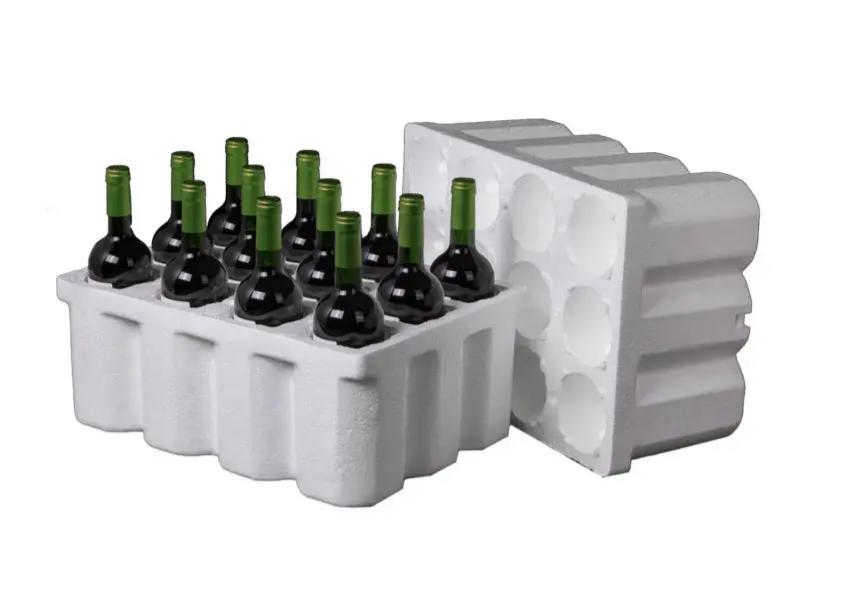
El envasado de espuma está cambiando rápidamente de una simple elección de protección a una necesidad esencial en varias industrias. A medida que los bienes se vuelven más frágiles y las cadenas de suministro se vuelven más complejas, las empresas se centran en materiales que reducen los daños y aumentan la fiabilidad. Este cambio empuja a la espuma a tomar una mayor parte en las opciones actuales de envasado.
¿Por qué la espuma se está volviendo más importante en los envases modernos?
El mundo mundial del envasado se enfrenta a un cambio importante a medida que los sectores se adaptan a las nuevas demandas en el envío, las prácticas verdes y la eficacia. Los artículos de espuma, en particular la espuma de polietileno y el poliestireno expandible (EPS), destacan como respuestas clave para la seguridad, el costo y el respeto del medio ambiente de la mezcla.
Dinámica del mercado impulsando el cambio hacia los materiales de espuma
El auge de las compras en línea ha causado un enorme aumento en las cantidades de entrega, por lo que se necesita un mejor envase protector para evitar daños durante los viajes. Los artículos de espuma ligera como EPS y REPS son las mejores opciones ya que ofrecen un buen relleno junto con tarifas de transporte más bajas. Lanzhou HUASHENG New Materials Co., Ltd. es una empresa centrada en la tecnología que trabaja en la creación, fabricación y venta de espuma de poliestireno expandible (EPS). Sus mercancías sirven bien en el envío de la cadena de frío y los movimientos de envasado gracias a su fuerte estabilidad y flexibilidad.
Los objetivos verdes también están cambiando la forma en que se eligen los materiales. Las empresas ahora buscan opciones amigables que sigan las reglas sin perjudicar la seguridad de los artículos. HUASHENG obtiene plenamente el valor del crecimiento verde constante y maneja sus deberes sobre la tierra y la comunidad con cuidado. Al agregar artículos reutilizados a la fabricación de espuma, los fabricantes alcanzan mejores niveles de trabajo y cumplen con las reglas verdes.
Cómo la innovación industrial da forma al futuro del envasado de espuma
El progreso en la ciencia del plástico ha hecho hoy’ espuma más dura en la construcción. HUASHENG se ha asociado con varios centros de investigación del hogar líderes para formar un materiales verdes Instituto de Investigación de Innovación, dando un gran paso adelante en la tecnología de agujeros pequeños sellados: construir una red de poros pequeños 3D al estilo del nido de abejas a través de la tecnología de tejido de alineación de cadena copiada de las matemáticas cuánticas. Esta etapa aumenta la resistencia de la prensa en un 40% y reduce el flujo de calor en casi un 50%.
Ayudas de diseño por computadora también permiten que las empresas hagan piezas de espuma exactas para cada artículo’ forma de S. Con los modelos de ingeniería asistida por computadora (CAE), las empresas ahora pueden mejorar los resultados de relleno mientras reducen el uso adicional de materiales, un paso clave para configuraciones de fabricación basadas en bucles.
¿Cuáles son las propiedades básicas que hacen que los materiales de embalaje espuma eficaz?
El uso amplio de la espuma proviene de sus rasgos corporales especiales que dan la máxima seguridad en muchos campos de trabajo.
Composición estructural y características de rendimiento
La espuma de polietileno tiene una configuración de celdas selladas que trae una gran resistencia al agua, una retención química constante y un remojo de golpes. Su peso ligero reduce los costos totales de envío pero mantiene el trabajo de acolchado sólido. De la misma manera, HUASHENG EPS Los productos de espuma muestran habilidades finas de bloqueo de calor, cortando el uso de energía en los hogares bien. Estos rasgos de bloque hacen que el EPS sea perfecto para el envasado de relojes térmicos.
Comparación con materiales de envasado alternativos
Junto a las cubiertas de papel o cartón, los artículos de espuma dan una mejor absorción de choques y resistencia al impacto. Su uso repetido prolonga la vida útil mucho más allá de los plásticos o cajones de un solo uso. Además, las habilidades de bloqueo de calor hacen que las espumas sean imprescindibles para movimientos de cadena de frío o envíos de medicamentos donde el reloj de calor importa mucho.
¿Cómo influirán las tendencias de sostenibilidad en los materiales de envasado de espuma para 2026?
El área de envasado se dirige firmemente a una tecnología más amigable que se ajuste a los objetivos globales de reducción de carbono.
Innovaciones ecológicas en la producción de espuma
Los fabricantes están construyendo espumas que pueden reutilizarse y descomponerse con material de nueva fuente. HUASHENG reutiliza 300.000 toneladas de EPS cada año, ahorrando 1.500.000 toneladas de petróleo crudo y 1.200.000 toneladas de dióxido de carbono. Su línea inteligente utiliza materiales de partida totalmente reutilizados mientras disminuye el uso de energía en un 30%. Para 2026, HUASHENG planea terminar una planta mundial libre de carbono capaz de reducir todas las emisiones de trabajo en más del 85%.
Estos pasos muestran cómo las ideas de economía en bucle son clave para la ciencia de las cosas: convertir la basura en bienes de alto valor a través de maquillajes en bucle cerrado.
Presiones regulatorias y cumplimiento ambiental
Los gobiernos de todo el mundo impulsan normas de reutilización más estrictas bajo planes como la Directiva de Embalaje de la UE 94/62/CE. Empresas como HUASHENG alcanzan o superan estas necesidades a través de pasos comprobados probados bajo los Procedimientos de Verificación de Claims Ambientales UL 2809. Este partido no solo mantiene un ajuste bajo, sino que también eleva la imagen de la marca entre los compradores conscientes del verde.
¿Qué industrias están adoptando soluciones de envasado de espuma más rápidamente?
La amplia gama de espuma le permite ayudar a muchas áreas donde los detalles de seguridad y el ahorro de costos son vitales.
Protección de equipos electrónicos y de alta tecnología
Las espumas de polietileno de bloque estático protegen las partes sensibles de chispas estáticas en tiempos sensibles. Los insertos de forma personalizada detienen los cambios en las cajas y reducen mucho las posibilidades de rotura. La construcción ligera de artículos como B-Rapid Prototyping Grade EPS ayuda a un fin de mundo suave para los fabricantes de tecnología que quieren reducir tanto la protección como las tarifas.
Embalaje de componentes automotrices e industriales
En las líneas de suministro de automóviles, las espumas protegen las partes pesadas o extrañas de la tensión por agitación mientras luchan contra los aceites o los limpiadores en las manchas de la máquina. El caso SwiftAuto de HUASHENG mostró que las piezas en forma de EPS fuertemente golpeadas redujeron el peso del marco de la batería en un 37% y bajaron las tarifas anuales en $ 230,000 por línea de coches. Tales ganancias indican cómo las espumas planificadas se suman a los planes ligeros en los coches eléctricos.
Salud y logística farmacéutica
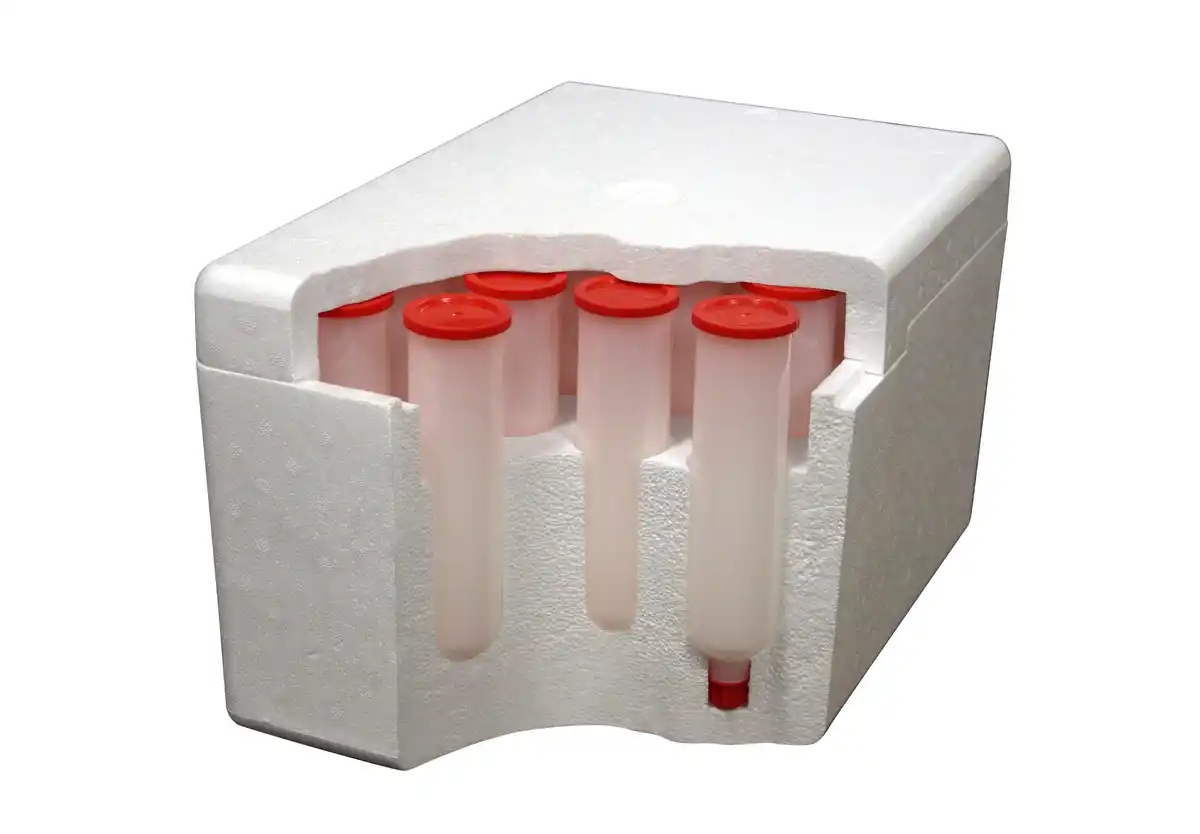
Las espumas de salud se mantienen limpias en los movimientos del dispositivo, mientras que proporcionan una retención constante del calor para los bioDrugs. La caja de cadena de frío FrostSafe de HUASHENG extendió el tiempo de reloj de calor a 96 horas (40%) con una caja EPS de flujo de calor extra bajo (λ = 0,032 W / m · K). Este paso reduce las tasas de desperdicio mucho en las redes de propagación de vacunas.
¿Qué avances tecnológicos están dando forma al futuro diseño de envases de espuma?
Los nuevos cambios digitales están reestructurando la forma en que los envases de espuma se planifican, vigilan y hacen en grandes cantidades.
Integración de tecnologías inteligentes en sistemas de envasado
Los sensores inteligentes colocados en envases de espuma pueden observar los cambios de calor o alcanzar niveles en rondas de barcos. La información de estos sensores permite a las empresas ajustar los detalles del plan de forma continua y elevar los números de confianza a largo plazo.
Automatización y fabricación digital en la producción de espuma
Las plantas de hoy se apoyan más en la tecnología de corte CNC para la formación exacta a escala de trabajo. Las líneas de construcción automática hacen que la calidad sea uniforme mientras se cortan los residuos de las cosas de arranque: una idea central en la "tres circulación" de HUASHENG hace que la configuración alcance una tasa de reutilización de residuos de más del 95% en todas las tareas.
¿Cómo impulsan los factores económicos la adopción de materiales de envasado de espuma?
Además de la ventaja tecnológica, las ganancias de dinero juegan una gran mano en el uso creciente de espuma en todo el mundo.
Eficiencia de costes a través de la optimización de materiales
Los cortes ligeros de espuma de polietileno envían costos al reducir el peso de la carga sin perder la construcción resistente. Su posibilidad de uso múltiple también disminuye las tarifas por ronda sobre las selecciones desechables. Las mercancías REPS tienen resistencia al golpe fina y grano. El uso completo de energía para la conformación ahorra más del 20%, y la velocidad de conformación completa aumenta en más del 50%. Estos números se convierten en ahorros de trabajo claros para los fabricantes que usan nuevas espumas como REPS Poliestireno expandible reciclable.
Beneficios de la cadena de suministro del uso de soluciones basadas en espuma
El tamaño uniforme de la espuma facilita los procesos de apilamiento mientras mejora el uso del espacio de la tienda. Menos buenos retornos de una mejor línea recta de guardia aumenta el beneficio en las configuraciones de la tienda, una victoria clave en medio de los costos de envío de escalada en todo el mundo.
Preguntas frecuentes
Q1: ¿Qué distingue la espuma de polietileno de otros materiales de embalaje?
A1: La espuma de polietileno trae un bloque de agua de celdas selladas con un alto poder de empapamiento de golpes, lo que lo hace mejor que las cubiertas de papel o plástico para artículos sensibles a las sacudidas.
Q2: ¿Cómo garantizan las empresas la sostenibilidad de sus materiales de espuma?
A2: Los principales fabricantes como HUASHENG utilizan EPS reutilizado que comienza en circuito cerrado para hacer configuraciones que alcanzan una tasa de reutilización de residuos de más del 95% mientras se ajustan a las normas ecológicas de la UE.
Q3: ¿Qué industrias se benefician más del uso de espumas reciclables de EPS o REPS?
A3: Los fabricantes de tecnología cuentan con tipos de bloques estáticos; proveedores de automóviles escogen tipos fuertemente golpeados; Los donantes de salud eligen espumas bloqueadas a nivel de salud para usos de movimiento de cadena fría.
 Spanish
  English
  German
  French
  Arabic