
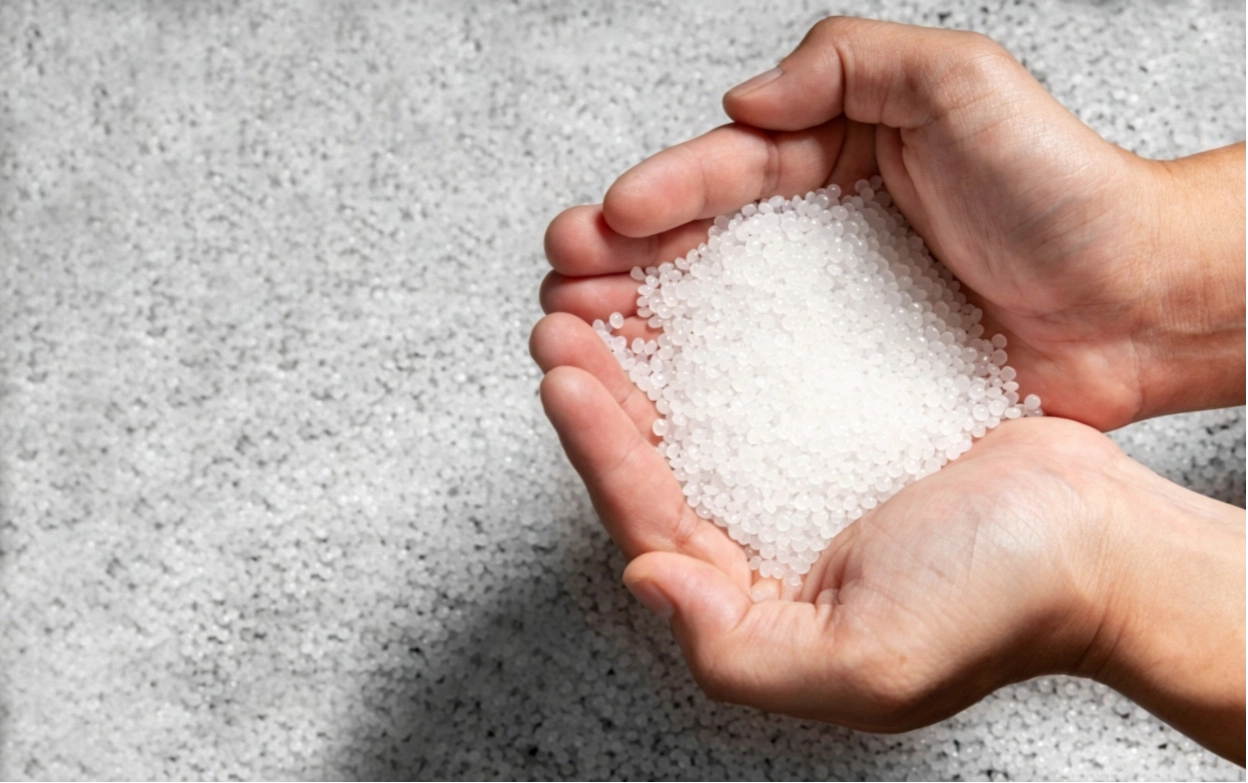
Las tarifas globales de carga son una pesadilla para los gerentes de logística en este momento. Conseguir un contenedor de envío a través del océano cuesta una pequeña fortuna, y las empresas nacionales de camiones cobran pesadas multas por el exceso de peso. Para los fabricantes que mueven bienes de alto valor como estantes de servidores, máquinas de imágenes médicas o piezas delicadas de automóviles, la caja que rodea el producto a menudo es una fuente masiva de dinero desperdiciado. No puede cambiar el peso real de un bloque de motor metálico o un panel de pantalla de vidrio. Sin embargo, tiene control completo sobre la barrera protectora en la que lo envuelve. Si está enviando peso muerto en forma de cajas de madera pesadas o cartón grueso y denso, está sangrando ganancias antes de que el camión incluso salga del muelle. Esta dura realidad financiera está obligando a los directores de compras a repensar por completo sus líneas de suministro. Necesitan una barrera que no pesa casi nada, pero actúa como una bóveda de acero. Esto es exactamente donde la ingeniería química avanzada interviene para resolver el problema.
El impacto financiero de los materiales de envasado pesados
Pagar para transportar cajas pesadas no tiene sentido en una economía ajustada. Cuando una fábrica envía diez mil unidades al mes, afeitar solo unas pocas libras de cada paquete individual ahorra miles de dólares en recargos de combustible. La eliminación de este peso muerto es obligatoria para la supervivencia.
El costo oculto del relleno tradicional
La madera y el papel ondulado grueso parecen fuertes, pero atrapan a los fabricantes en un ciclo de alto costo. La madera agrega un peso masivo a una paleta. Si una empresa envía bombas de agua industriales, agregar una base de madera de 15 libras a cada unidad significa que golpean el camión. límite máximo de peso legal mucho antes de que el remolque esté realmente lleno. Terminan pagando por el espacio vacío porque el camión es simplemente demasiado pesado para conducir. Además, el cartón absorbe la humedad durante largos tránsitos marítimos. Se moja, pierde su resistencia a la aplastación y falla justo cuando el operador de la carretilla elevadora golpea un golpe en el muelle de recepción. Usted está pagando una prima para enviar materiales que funcionan terriblemente bajo el estrés del mundo real.
Reducción de gastos con espuma de baja densidad
Al cambiar a la espuma de baja densidad, las empresas cambian completamente sus matemáticas de carga. La espuma moderna es básicamente el 98 por ciento de aire atrapado dentro de una estructura celular rígida. Debido a que esencialmente está enviando aire, al instante cae el peso muerto de su carga. El uso de EPS de alta expansión permite a un ingeniero de envasado diseñar un bloque de esquina masivo y grueso que se siente sustancial pero solo pesa unas pocas onzas. Esta caída dramática en el peso de las paletas significa que los equipos logísticos pueden empaquetar más inventario real en un único contenedor de envío sin provocar cargos de transporte pesado. El costo de envío del producto disminuye, y el margen de beneficio en cada unidad aumenta al instante.
Acelerar el piso de fábrica con cuentas avanzadas
Proteger el producto es solo la mitad de la batalla. Si el envase tarda demasiado en fabricarse, la instalación de moldeo pierde dinero. Los ciclos de producción rápidos y predecibles son la sangre vital de cualquier proveedor de envases rentable. El tiempo en la máquina se traduce directamente al costo final de la caja.
Aumento de la producción con el moldeo rápido EPS
El tiempo de máquina es caro. El moldeo de pecho al vapor requiere mucha energía para calentar las herramientas y mucha agua fría para enfriarlas. Los plásticos tradicionales de baja calidad requieren largos ciclos de vapor para expandirse y largos tiempos de enfriamiento antes de que la pieza pueda ser expulsada de forma segura del molde. Esto ralentiza toda la fábrica. Cuando una instalación cambia a un EPS de moldeo rápido premium, las propiedades químicas de la perla permiten una expansión y fusión mucho más rápidas. Las perlas se funden rápidamente y se enfrían rápidamente. Esto reduce los segundos valiosos de cada ciclo individual. En un turno de ocho horas, esos segundos ahorrados se convierten en cientos de unidades de envasado adicionales que salen de la línea, aumentando masivamente la fábrica. rendimiento diario y la reducción de la factura de energía.
Conseguir formas perfectas sin demoras
Un ciclo de máquina rápido no significa nada si la parte final sale deformada o incompleta. Los materiales baratos a menudo no logran llenar los intrincados detalles de un molde complejo. Las perlas de espuma EPS de alta calidad se expanden uniformemente bajo presión de vapor, empujando profundamente en las esquinas apretadas y los ángulos afilados de los moldes personalizados. Esto crea un acabado superficial perfectamente liso directamente fuera de la máquina. Los trabajadores de la fábrica no tienen que pasar tiempo extra recortando bordes rígidos, lijando manchas ásperas o tirando piezas defectuosas. El embalaje va directamente desde el molde hasta la línea de montaje o el camión de envío. Esto mantiene los costos laborales excepcionalmente bajos y evita costosos cuellos de botella en el piso de la fábrica.
Derrotar los daños de tránsito en las cadenas de suministro globales
Reducir la factura de flete es completamente inútil si el producto llega en pedazos. Un solo dispositivo médico roto elimina un año de ahorros de envío. El amortiguador debe manejar impactos físicos violentos a la perfección, absorbiendo la energía cinética de las caídas de muelle de carga y las carretillas elevadoras de almacén descuidadas.
La mecánica del envasado de espuma protectora
Un entorno de almacén moderno es brutal. Las paletas caen de los estantes altos. Los conductores de entrega frenan demasiado duro en el tráfico. Cuando ocurre un impacto, la energía cinética tiene que ir a algún lugar. Los materiales duros como la madera o el plástico denso se transfieren directamente al producto frágil. El embalaje de espuma protectora verdadera funciona como un sistema de airbag localizado para sus productos. Los millones de minúsculas células de aire cerrado aplastan ligeramente al impacto, ralentizando el objeto pesado en una fracción de segundo. Esta rápida desaceleración quema la energía peligrosa antes de que pueda romper una placa de circuito verde o doblar un marco metálico delgado. La espuma se sacrifica para mantener el producto sin defectos.
Adaptaciones personalizadas para piezas industriales complejas
La envoltura de burbujas genérica o los cacahuetes sueltos dejan demasiado espacio para el error. Al enviar electrónica cara, electrodomésticos o piezas pesadas de automóviles, el artículo simplemente no puede cambiar dentro de la caja. La espuma avanzada permite a los diseñadores de envases maquinar o moldear CNC una cavidad que coincida perfectamente con la forma exacta del producto. La espuma de embalaje ligera abraza cada curva, soporta manijas sobresalientes y amortigua paneles de vidrio delicados. Este ajuste exacto y ajustado a la piel cierra el artículo firmemente en su lugar. Neutraliza por completo las vibraciones durante viajes en camiones duros y reduce las tasas de retorno de daños en tránsito a casi cero, manteniendo a los usuarios finales felices y leales.
Obtener las materias primas adecuadas para su negocio
El rendimiento de la pieza final de envasado depende totalmente de las perlas químicas en bruto vertidas en la tolva. Los fabricantes necesitan un material fiable y de alto rendimiento para mantener sus máquinas funcionando sin problemas y para mantenerse competitivos con otros proveedores de envases en un mercado global muy agresivo.
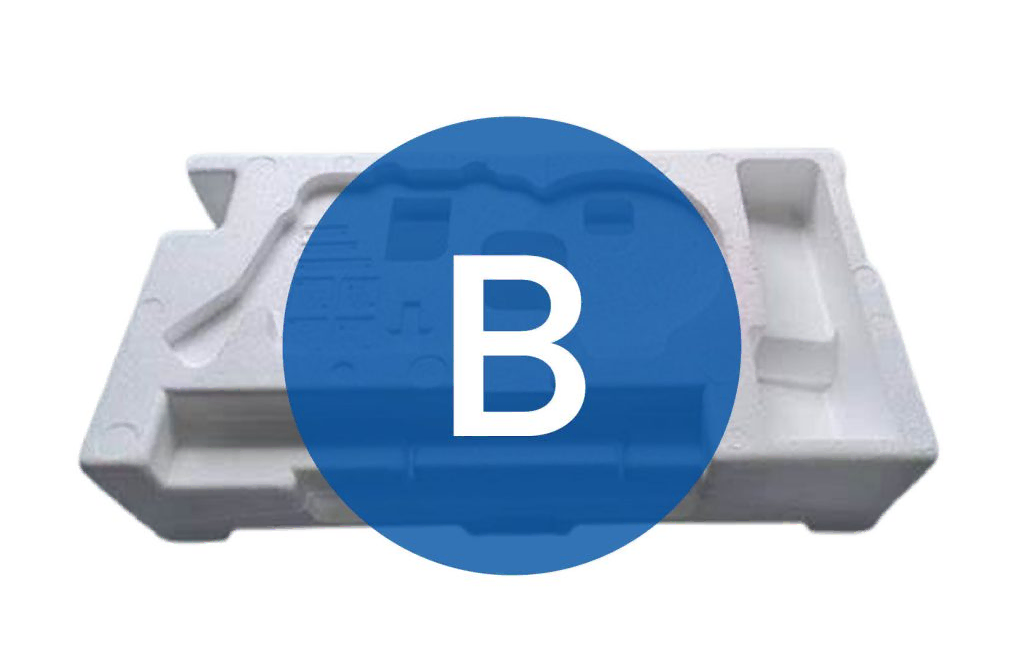
- Maximizar la relación de expansión: Las perlas baratas apenas se expanden. Materiales de alta calidad, como el HUASHENG Prototipado Rápido Grado Bestán diseñados para un volumen masivo. Con una primera relación de expansión que alcanza entre 75 y 95 veces su tamaño original, un fabricante utiliza significativamente menos plástico crudo para soplar un gran volumen de espuma. Compra menos material para hacer la misma cantidad de envases. Esto reduce el costo por pieza al instante y da a las fábricas de moldeo una enorme ventaja de precios cuando licitan grandes contratos.
- Lograr menor peso de envío: Cuando se utiliza una materia prima que expande esto de manera eficiente, la densidad final es increíblemente baja. Esto permite a las marcas lograr un peso de envío mucho menor sin sacrificar el grosor de la pared necesario para proteger un televisor de una caída de tres pies sobre el hormigón. Obtienes la masa y la protección sin la masa pesada.
- Asociación a escala: Las grandes tiradas de envasado requieren un suministro masivo y constante de materias primas impecables. Explorando un catálogo completo de productosLos gerentes de instalaciones pueden seleccionar el tamaño exacto de las perlas necesarias para el trabajo. Por ejemplo, el uso de perlas finas (de 0,3 mm a 0,8 mm) permite detalles increíblemente nítidos en empaques electrónicos complicados. Un suministro constante de materias primas detiene los atascos de la máquina, reduce las tasas de chatarra y mantiene el negocio altamente rentable.
Conclusión
El entorno de envío global no deja absolutamente espacio para materiales pesados e ineficientes. Al actualizarse a perlas de espuma de alto rendimiento, los fabricantes pueden retirar instantáneamente el peso muerto de sus paletas y reducir drásticamente sus facturas de transporte. Los ciclos de moldeo más rápidos en el piso de fábrica mantienen los gastos generales de producción bajos, mientras que la increíble absorción de choques evita reclamaciones de daños costosos. Es una actualización empresarial altamente práctica que mejora el resultado inmediatamente. Si desea acelerar su línea de envasado, reducir sus costos de flete y proteger mejor sus productos, necesita las perlas en bruto adecuadas en sus tolvas. Contacto HUASHENG hoy mismo para ver cómo nuestros materiales premium pueden mejorar todo su proceso de fabricación.
 Spanish
  English
  German
  French
  Arabic