
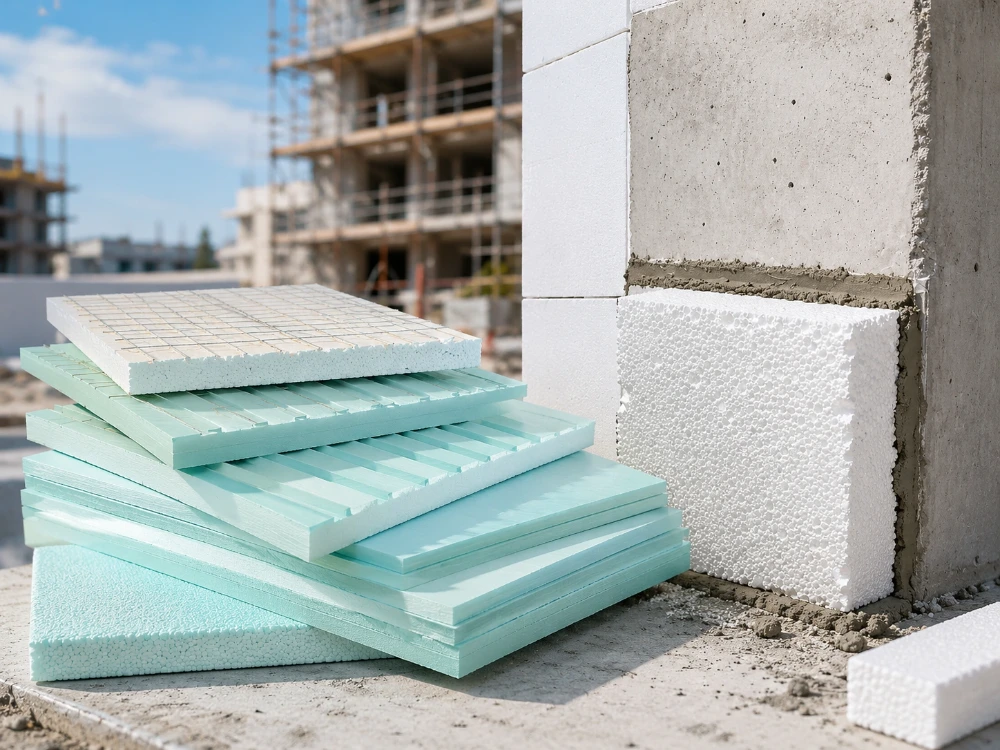
Flammhemmendes EPS ist nicht unbedingt sofort nach dem Entformen prüf- oder versandbereit. Nach dem Formen benötigt der fertige Schaum unter Umständen noch Zeit zur Stabilisierung, bevor sein Brandverhalten beurteilt werden kann. Für Hersteller von Dämmplatten und Projektkäufer hat die Alterungszeit von EPS-Schaum daher Auswirkungen auf mehr als nur die Lagerplanung. Sie kann sich auf die Testplanung, die Chargenfreigabe, die Verpackung und den endgültigen Liefertermin auswirken.
Dies ist besonders wichtig, wenn Plattendichte, Dicke, Brandschutzklasse, Prüftermine und Lieferzeiträume im Voraus festgelegt sind. Eine Charge kann zwar planmäßig fertiggestellt werden, benötigt aber dennoch eine zusätzliche Alterung vor der Prüfung. Wird dieser Zeitraum nicht in die ursprüngliche Lieferzeitberechnung einbezogen, kommt es häufig zu Verzögerungen, nachdem die Produktion bereits abgeschlossen ist.
Warum benötigt flammhemmendes EPS nach dem Formen eine Aushärtezeit?
Expandierbares Polystyrol durchläuft mehrere Stadien, bevor es zu einem fertigen Schaumstoffprodukt wird. Die Kügelchen werden vorexpandiert, gealtert, geformt, abgekühlt und anschließend nach dem Formen stabilisiert.
Die Alterung von vorgeschäumten Schaumstoffperlen und die Alterung von fertigen Platten verlaufen nicht parallel. Vorgeschäumte Perlen müssen vor dem Formen entsprechend konditioniert werden, während geformter Schaumstoff unter Umständen auch vor der Brandprüfung oder dem Versand eine zusätzliche Wartezeit benötigt.
Warum beeinflusst das Resttreibmittel den Zeitplan?
Frisch geformtes EPS kann noch Resttreibmittel in der Zellstruktur enthalten. Mit zunehmendem Alter verlässt ein Teil dieses Restmaterials allmählich den Schaum.
Ein zu früh nach dem Formen durchgeführter Brandverhaltenstest kann daher einen anderen Produktzustand widerspiegeln als den der Platte, die schließlich auf der Baustelle angeliefert wird.
Aus diesem Grund sollte die Aushärtungszeit von EPS an die tatsächlichen Plattenspezifikationen gekoppelt sein und nicht als feste Zahl für jede Bestellung behandelt werden.
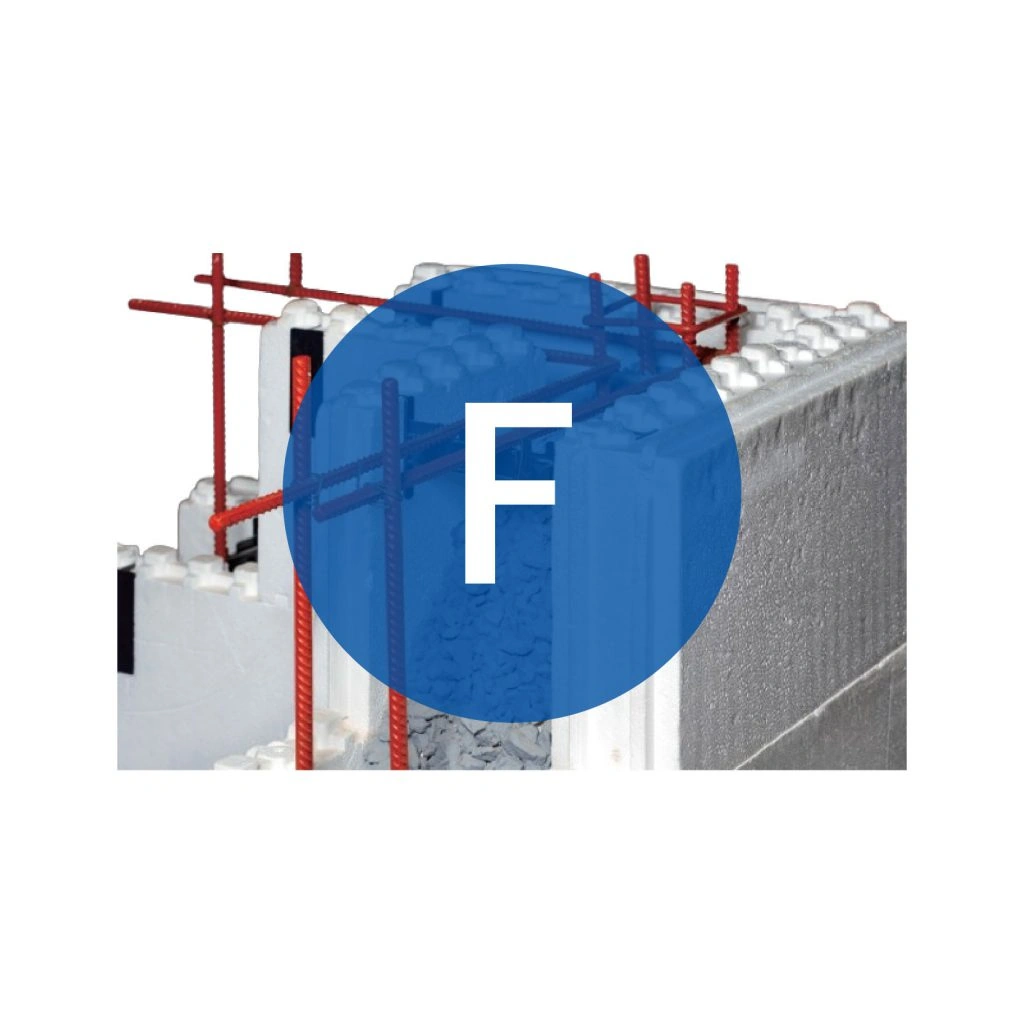
Für B2-Baustoffanwendungen, HUASHENG F flammhemmendes EPS Es zeichnet sich durch eine gleichmäßige Rohmaterialpartikelgröße, guten Schaumperlenfluss, stabile Abmessungen, gute Verschmelzung, Zähigkeit und Festigkeit aus. Der empfohlene erste Expansionsbereich liegt zwischen dem 35- und 75-Fachen des Volumens. Das fertige Formteil muss vor der endgültigen Bewertung noch einer geeigneten Aushärtung unterzogen werden.
Warum beeinflussen Plattenstärke und -dichte die Alterungszeit?
Es gibt keine einheitliche Alterungszeit für EPS-Schaum, die für alle Dämmplatten gilt.
Produktdichte, Plattenstärke, Resttreibmittelgehalt, Abmessungen und Belüftung beeinflussen die benötigte Zeit.
Bei HUASHENG-Platten der Güteklasse F kann der Unterschied unter guter Belüftung erheblich sein. Eine 20 mm dicke Platte mit einer Dichte von 15 kg/m³ benötigt unter Umständen mindestens eine Woche Auslagerungszeit, während eine 50 mm dicke Platte mit der gleichen Dichte mindestens zwei Wochen benötigt.
Bei einer Dichte von 30 kg/m³ erhöht sich die Referenzperiode auf mindestens zwei Wochen für eine 20 mm dicke Platte und auf mindestens drei Wochen für eine 50 mm dicke Platte.
Diese Unterschiede sind relevant, wenn für eine Bestellung von EPS-Dämmplatten ein fester Prüf- oder Versandtermin vorgesehen ist. Produktionsabschluss und Produktfreigabe sollten daher als separate Meilensteine betrachtet werden.
Welche Probleme können auftreten, wenn EPS zu früh getestet wird?
Wird die Alterungsphase nicht in die Produktionsplanung einbezogen, kann sich das Problem über die Formgebungslinie hinaus ausbreiten.
Die Qualitätskontrolle muss möglicherweise die Probenahme verschieben. Prüfungen durch Dritte müssen gegebenenfalls neu terminiert werden. Fertige Platinen benötigen unter Umständen länger als erwartet Lagerplatz, und die Exportteams müssen möglicherweise Verpackungen oder Containerbuchungen anpassen.
Dies ist besonders wichtig für Projekte, bei denen die Testergebnisse vor dem Versand vorliegen müssen.
Kann frühes Testen zu unnötigen Nachtests führen?
Ja. Der Zweck von Brandprüfungen besteht darin, das Material in einem Zustand zu beurteilen, der repräsentativ für das fertige Produkt ist.
Wird flammhemmendes EPS vor Abschluss der geplanten Alterungszeit geprüft, entspricht das Testergebnis möglicherweise nicht genau genug dem Zustand des Produkts, das später an den Kunden geliefert wird.
Eine bessere Reihenfolge wäre es, Formgebungsdatum, Reifezeit, Probenahmedatum, Testdatum, Verpackungsdatum und Versanddatum gemeinsam zu planen.
Hersteller, die unterschiedliche Anforderungen an den Brandschutz erfüllen müssen, können die verfügbaren Produkte vergleichen. HUASHENG flammhemmende EPS-Typen vor Produktionsbeginn, da die Materialgüte und der Verarbeitungsprozess die Effizienz des Formgebungsprozesses und die Entformungsplanung beeinflussen können.
Bedeutet längeres Altern immer bessere Leistung?
Nein. Alterung sollte nicht als Prozess betrachtet werden, bei dem mehr Zeit automatisch zu einer besseren Flammenleistung führt.
Die geeignete Aushärtungszeit für EPS hängt von der Rohmaterialqualität, der Enddichte, der Plattendicke, der Lagerumgebung, den Produktabmessungen und den angestrebten Brandschutzanforderungen ab.
Die wichtigere Frage ist, ob der Alterungsprozess kontrolliert und nachvollziehbar ist.
Platten aus unterschiedlichen Formgebungsjahren dürfen nicht ohne eindeutige Chargenkennzeichnung gemischt werden. Fertiger Schaumstoff muss zudem vor übermäßiger Hitze, direkter Sonneneinstrahlung, Zündquellen und ungeeigneten Verunreinigungen geschützt gelagert werden.
Die Materialtrennung ist ebenfalls wichtig. Normales EPS sollte während der Verarbeitung nicht mit flammhemmendem Material vermischt werden, da dies die beabsichtigte Flammschutzwirkung des Endprodukts beeinträchtigen kann.
Wie sollte die Alterungszeit in eine EPS-Bestellung einbezogen werden?
Eine Angebotsanfrage für flammhemmendes EPS sollte mehr als nur die Rohmaterialqualität und den Preis enthalten.
Zu den nützlichen Informationen gehören die Zieldichte, die Abmessungen der Platten, die Dicke, die erforderliche Brandschutzklasse, die entsprechenden Prüfanforderungen, die Produktionsmenge, der geplante Inspektionstermin und das erforderliche Lieferfenster.
Sobald diese Bedingungen geklärt sind, kann die Alterungszeit des EPS-Schaums in die Lieferzeit einbezogen werden, bevor eine Bestellung endgültig abgeschlossen wird.
Warum sollten die Alterung von Perlen und die Alterung von Platten getrennt betrachtet werden?
Der Begriff Aushärtungszeit wird manchmal für verschiedene Stadien der EPS-Verarbeitung verwendet.
Die Alterung der vorexpandierten Wulstkerne erfolgt vor dem Formgebungsprozess und trägt dazu bei, die expandierten Wulstkerne auf stabile Formgebungsbedingungen vorzubereiten.
Die Alterung des Endprodukts setzt nach dem Formen des Bauteils oder der Platine ein. Diese spätere Phase kann vor der Prüfung oder dem Versand erforderlich sein.
Die Behandlung dieser Produktionsschritte als separate Phasen ermöglicht eine genauere Produktionsplanung und erleichtert zudem die Ermittlung der Gründe, warum eine Charge noch nicht freigegeben wurde.
Was sollte ein grundlegendes Chargenprotokoll enthalten?
Bei der Herstellung von flammhemmenden Dämmplatten können die Chargenprotokolle Angaben zur Rohmaterialqualität, zum Formgebungsdatum, zur Plattendicke, zur Soll- und Ist-Dichte, zur Produktionslinie, zum Lagerort, zum geplanten Freigabetermin und zum Prüfstatus enthalten.
Diese Information hilft dabei, eine Charge, die auf Maschinenkapazität wartet, von einer zu unterscheiden, die bereits geformt wurde, aber noch ihre Reifezeit durchläuft.
Bei großen Aufträgen wird dieser Unterschied wichtig, da sich mehrere Chargen gleichzeitig in unterschiedlichen Produktionsstadien befinden können.
Kann die Materialauswahl dazu beitragen, den Produktionsdruck zu verringern?
Bei einigen Projekten wird besonderer Wert auf schnelles Formen und zügigere Fortschritte hin zu den geforderten Flammschutzeigenschaften gelegt.
In solchen Situationen kann die Materialauswahl den Druck auf den gesamten Produktionszyklus verringern.
Wann kann eine schnellere Bearbeitung der Note von Vorteil sein?
Für Anwendungen, die eine hohe Festigkeit des Endprodukts, Formstabilität, kurze Aushärtungszeit nach der Vorexpansion und schnelles Formen erfordern, wurde das flammhemmende EPS HUASHENG FS speziell für Bauanwendungen und die Verpackung von Präzisionsinstrumenten entwickelt. Seine Rezeptur ist darauf ausgelegt, schnell die Flammschutzklasse B1 zu erreichen und gleichzeitig ein effizientes Formen zu ermöglichen.
Eine schnellere Verarbeitungsqualität ist nicht automatisch für jedes Projekt geeignet.
Eine Bestellung von Dämmplatten, die die Leistungsklasse B2 erfordern, kann dennoch besser mit der Klasse F abgestimmt sein, wenn die erforderliche Plattendichte, Dicke, das Formverfahren und der Alterungsplan bereits korrekt geplant wurden.
Das Material sollte nach den gesamten Projektspezifikationen und nicht allein nach der Alterungszeit ausgewählt werden.
Was sollten Käufer vor der Serienproduktion bestätigen?
Bevor die Massenproduktion beginnt, sollten Käufer und Lieferant die Anforderungen an die fertigen Leiterplatten und nicht nur die EPS-Rohqualität bestätigen.
Dichte, Dicke, Plattenabmessungen, Ausdehnungsbedingungen, Formgebungsanlagen, Brandschutzklasse, Alterung des Fertigprodukts, Prüfplan, Verpackungsdatum und Versanddatum sollten gemeinsam betrachtet werden.
Warum kann eine Testcharge das Terminrisiko verringern?
Bei einer neuen Plattendichte oder -struktur kann eine Testcharge sinnvoll sein, bevor die Serienproduktion des gesamten Auftrags anläuft. Sie bietet beiden Seiten die Möglichkeit, die Stabilität des Formteils zu überprüfen und festzustellen, ob der geplante Produktionszeitplan realistisch ist.
Wenn der Lieferzeitraum bereits festgelegt ist, kann die Testphase auch aufzeigen, ob zusätzliche Zeit für die Reifung oder das Testen eingeplant werden muss.
Käufer, die ein neues Dämmplattenprojekt vorbereiten, können Besprechen Sie die Spezifikationen für flammhemmendes EPS und die Lieferplanung mit HUASHENG. vor der endgültigen Festlegung des Produktionsplans.
Häufig gestellte Fragen
Frage 1: Wie lange sollte flammhemmendes EPS vor der Prüfung reifen?
A1: Es gibt keine allgemeingültige Zeitspanne. Die benötigte Zeit hängt von der Materialgüte, der Dichte, der Dicke, den Plattenabmessungen, der Zusammensetzung und den Lagerbedingungen ab. Für HUASHENG-Platten der Güteklasse F unter den angegebenen Bedingungen beträgt die Referenzzeit je nach Dichte und Dicke mindestens eine bis mindestens drei Wochen.
Frage 2: Ist die Aushärtungszeit von EPS die gleiche wie die Alterungszeit von vorgeschädigten Perlen?
A2: Nein. Die Alterung der vorexpandierten Wulstmasse erfolgt vor dem Formgebungsprozess, die Alterung des fertigen Produkts hingegen nach dem Formgebungsprozess. Es handelt sich um separate Produktionsschritte, die getrennt geplant werden müssen.
Frage 3: Sollte die Reifezeit vor der Erteilung einer EPS-Bestellung bestätigt werden?
A3: Ja. Käufer sollten vor Produktionsbeginn Materialgüte, Zieldichte, Plattenabmessungen, Brandschutzanforderungen, geplanten Prüftermin, Bestellmenge und gewünschten Liefertermin bestätigen. Dadurch können Formgebung, Alterung, Prüfung und Versand als ein einziger Produktionsablauf geplant werden.
 German
  English
  Spanish
  French
  Arabic