
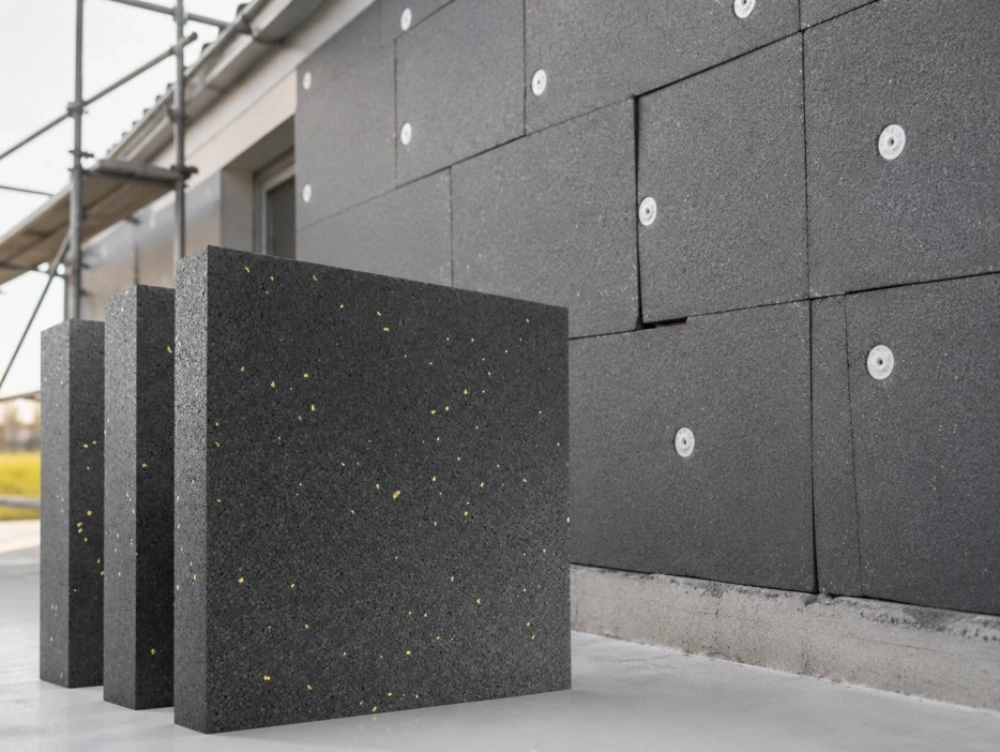
نادراً ما تبدأ مشاكل ألواح العزل المصنوعة من رغوة البوليسترين الموسع (EPS) بعطل مفاجئ. في أغلب الأحيان، يبدأ المشروع بإظهار علامات تحذيرية صغيرة: انفتاح الوصلات، والتواء الألواح، وتهشم الزوايا، وعدم استواء الأسطح، أو صعوبة تحقيق الأداء الحراري المتوقع بعد التركيب. في كثير من الحالات، لا تكمن المشكلة في عدم ملاءمة رغوة البوليسترين الموسع للعزل، بل في عدم التوافق بين نوع المادة، وكثافتها، والهدف الحراري، ومتطلبات مقاومة الحريق، وظروف التخزين، وطريقة تركيب اللوح.
بالنسبة للمشترين، هذا التمييز مهم. يجب أن تحدد عملية الشراء الفعالة كيفية فشل لوح العزل EPS قبل تأكيد طلب الشراء.
كيف يبدو فشل ألواح رغوة البوليسترين الموسع (EPS) في الموقع؟
لا تظهر ألواح العزل التالفة دائمًا على شكل شقوق. فقد تظهر عليها فجوات، أو حركة سطحية، أو عدم ملاءمة جيدة، أو أن غلاف المبنى لا يفي بالغرض التصميمي.
متى يكون ضعف الأداء الحراري مشكلة حقيقية في اللوحة الأم؟
لا يُعدّ النقص الحراري دائمًا عيبًا في اللوح نفسه. فقد تتأثر النتيجة أيضًا بسُمك اللوح، أو وجود فواصل مفتوحة، أو جسور حرارية تتشكل أثناء التركيب، أو استخدام نوع من الألواح ذي موصلية حرارية أعلى من المسموح به في حسابات التصميم. في هذه الحالة، قد لا يحقق الجدار الهدف المطلوب حتى وإن بدت الألواح سليمة ظاهريًا.
لهذا السبب، ينبغي على المشترين ربط قيمة الموصلية بالدرجة المحددة في طلب الشراء. بالنسبة لأغلفة المباني عالية الكفاءة، هواشنغ إس-32 غرافيت بوليسترين يتم تحديدها عند موصلية حرارية لا تزيد عن 0.032 واط/متر·كلفن. هذه الدرجة مخصصة للمنازل السلبية والبناء عالي المستوى الموفر للطاقة، وتجمع بين أداء مثبط اللهب B1، ومؤشر أكسجين لا يقل عن 32، وقوة ضغط عالية، واستقرار أبعاد محسّن.
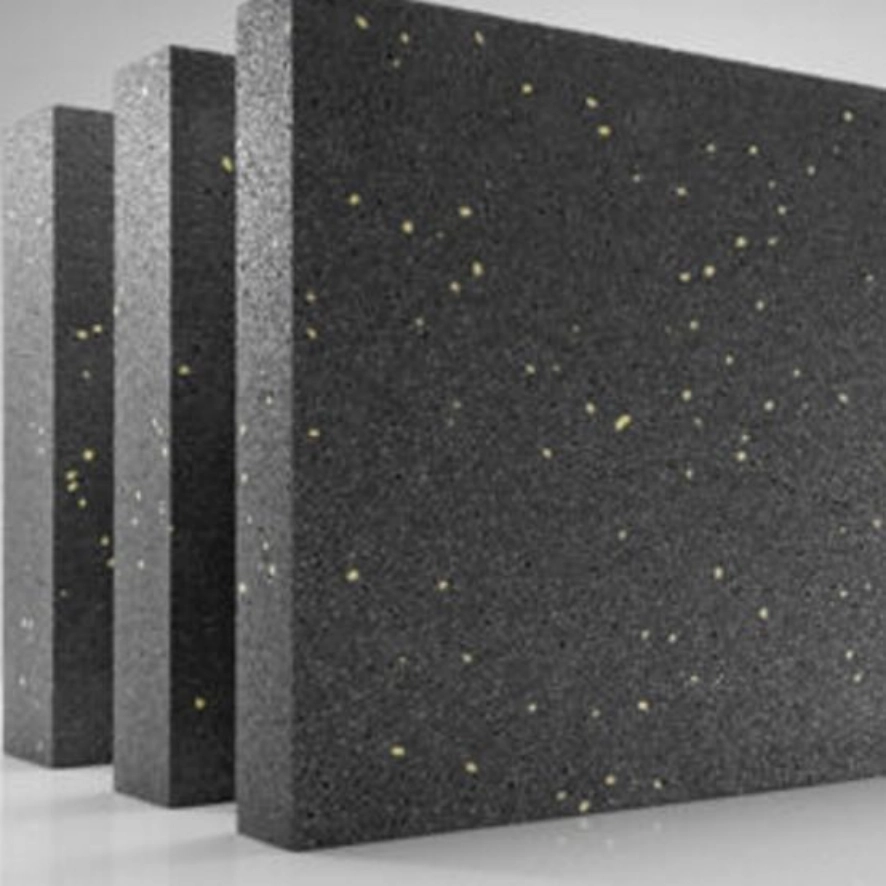
يجب أن يحدد طلب تقديم العروض الموصلية الحرارية وكثافة اللوحة وسمكها ومتطلبات مقاومة الحريق والتطبيق النهائي بحيث تتطابق درجة المادة مع افتراض التصميم.
متى تشير الفجوات والحواف المهشمة إلى مشكلة أعمق؟
قد تبدو الوصلات المفتوحة والزوايا التالفة والمناطق المضغوطة محليًا وكأنها عيوب في التركيب، ولكنها قد تكشف أيضًا أن اللوح ضعيف جدًا بالنسبة للطريقة التي يتم التعامل معه أو تحميله بها.
قد يؤدي ضغط المنصات، أو التفريغ غير المتقن، أو التثبيت المحكم، أو النقل المتكرر في الموقع إلى تلف الألواح قبل اكتمال نظام الواجهة. وعندما تفقد الحواف شكلها، قد يقوم الفنيون بتعويض ذلك باستخدام مواد لاصقة أو فواصل أوسع.
لذا، ينبغي أن يشمل فحص الاستلام أكثر من مجرد عدد الألواح. يجب تسجيل مستوى التسطيح، وحالة الزوايا، وتناسق السماكة، وعلامات الضغط الواضحة قبل بدء التركيب.
لماذا يمكن أن تؤدي الرطوبة والتعرض للموقع إلى حدوث مشاكل؟
يُختار البوليسترين الموسع (EPS) غالبًا لأن بنيته الخلوية تدعم أداء العزل مع وزن خفيف. هذا لا يعني أنه يمكن ترك نظام عزل غير مكتمل مكشوفًا دون رقابة.
هل تعني مقاومة الرطوبة أن التخزين لا يهم؟
لا. مقاومة الرطوبة للرغوة وإدارة الرطوبة لنظام الجدار مسألتان مختلفتان.
قد يؤدي تسرب الماء إلى الفواصل المفتوحة، أو تلف التغليف، أو عدم اكتمال طبقات الواجهة، أو سوء حماية المنصات، إلى إتلاف المواد اللاصقة والطلاءات والركائز، وبالتالي التأثير سلبًا على جودة التركيب. والسؤال الأهم في الموقع هو: ماذا يحدث لمجموعة العزل بأكملها في حال سوء ظروف التخزين أو التركيب؟
يجب أن تصل الألواح محمية، وأن تبقى بعيدة عن الأسطح الملوثة، وأن يتم فحصها قبل التركيب إذا كانت العبوة تالفة أو تعرضت للمطر.
لماذا يُعد ضوء الشمس مهمًا لبعض أنواع الجرافيت EPS؟
تمتص المواد المعدلة بالجرافيت الداكن طاقة شمسية أكبر على سطحها من البوليسترين الموسع الأبيض. وهذا يجعل التخزين والتعامل في الموقع أمراً بالغ الأهمية.
لـ HUASHENG FGE الجرافيت البوليسترينتنص تعليمات التخزين على ضرورة حفظ المنتج بعيدًا عن أشعة الشمس المباشرة والنار، مع الحفاظ على درجة حرارة أقل من 25 درجة مئوية. هذا النوع مخصص للاستخدام في البناء والعزل الصناعي، وهو مناسب للمنتجات التي تبلغ كثافتها 18 كجم/م³ أو أكثر.
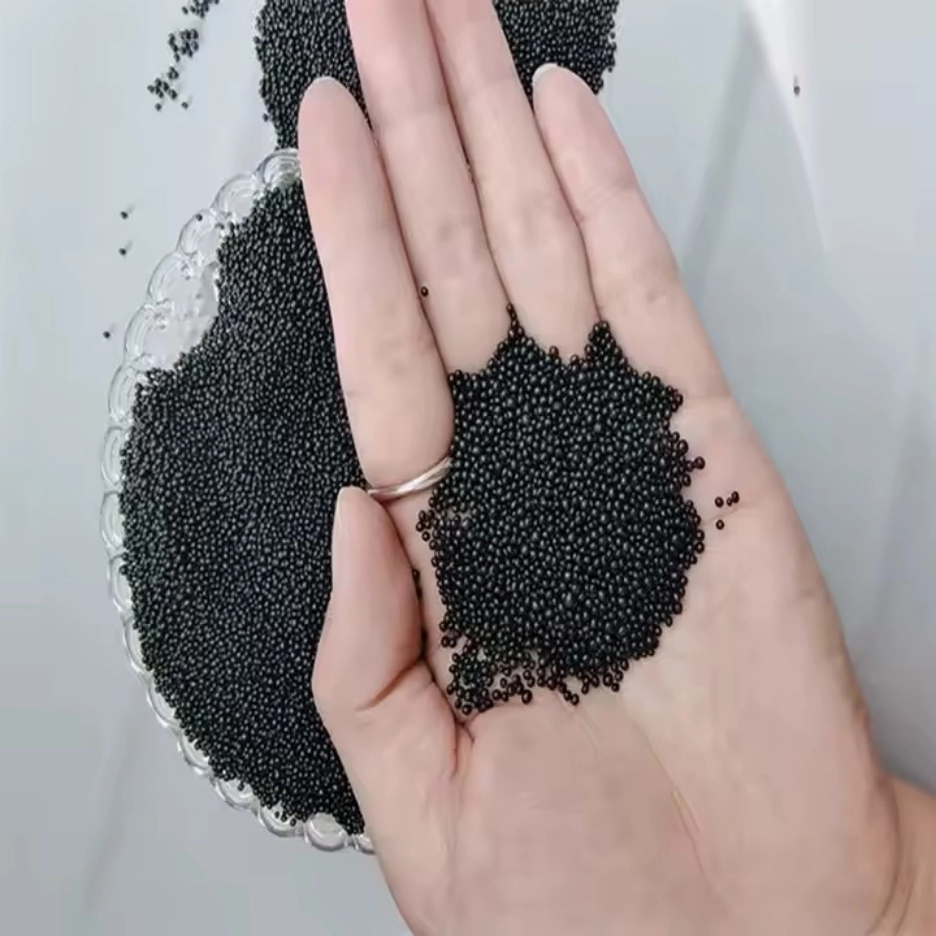
بالنسبة للمقاولين، يُعد التخزين مسألة تتعلق بالمواصفات. قد يصبح تركيب لوح مناسب صعباً إذا أدى تعرضه للعوامل الجوية إلى التواء أو ارتفاع درجة حرارته أو تلف حوافه قبل تثبيته.
كيف يؤدي اختيار درجة EPS الخاطئة إلى فجوات في الأداء؟
إن التعامل مع جميع درجات البوليسترين الموسع (EPS) على أنها قابلة للتبديل هو طريق شائع للفشل. فعزل المباني غالباً ما يتطلب تلبية متطلبات حرارية وميكانيكية ومقاومة للحريق وأبعاد وتناسق الإنتاج في آن واحد.
ماذا يحدث عندما تكون قوة الضغط منخفضة للغاية؟
قد لا يتحمل لوح الجدار نفس الحمل الذي يتحمله لوح عزل الأرضية، لكن الضغط يظل عاملاً مهماً أثناء الإنتاج والتخزين والتسليم والتركيب. فاللوح الضعيف قد يتشوه عند نقاط التلامس، أو ينضغط على طول حواف المنصات، أو يفقد دقة أبعاده تحت ضغط المناولة الروتيني.
عندما يتطلب المشروع أداءً ضاغطًا أكبر، هواشنغ FSH، درجة مقاومة اللهب وفقًا للمعايير الأوروبية صُممت هذه المادة خصيصاً للعزل في قطاعي البناء والصناعة، بما في ذلك تطبيقات المنازل الموفرة للطاقة. تتميز بقوة ضغط أعلى بنسبة تزيد عن 20% مقارنةً بأنواع هواشنغ الأخرى، كما أنها توفر رغوة متجانسة، وتصلباً سريعاً، واختراقاً جيداً للبخار، وتماسكاً محسّناً.
لا يُعدّ نظام FSH مناسبًا تلقائيًا لكل جدار؛ يجب تحديد متطلبات الضغط قبل اختيار الدرجة.
لماذا قد يؤدي عدم التوافق في المواد المقاومة للحريق إلى فشل المشروع؟
لا يمكن إضافة خصائص مقاومة الحريق كأمر ثانوي. قد يتطلب مشروع البناء تصنيفًا محددًا للمواد، أو مسار اختبار، أو موافقة شاملة على النظام. ولا يمكن استبدال نوع EPS العام بنوع EPS المقاوم للهب لمجرد إمكانية تشكيلهما بنفس أبعاد الألواح.
بالنسبة للمشاريع التي تتطلب أداءً للمواد الخام من المستوى B1 وتشكيلًا سريعًا، هواشنغ إف إس - مادة EPS مقاومة للهب يجمع هذا المنتج بين قوة عالية للمنتج النهائي، وأبعاد ثابتة، وفترة معالجة قصيرة بعد التمدد، وسرعة التشكيل. ويُستخدم في تطبيقات البناء حيث يكون مؤشر الأكسجين المطلوب أعلى من 32.
ينبغي على المشترين التأكد من استيفاء المتطلبات المحلية، واجتياز اختبارات اللوح، والحصول على موافقة النظام. تُعدّ درجة المواد الخام جزءًا من متطلبات الامتثال، وليست بديلاً عن متطلبات نظام البناء الكامل.
لماذا تتحول التغييرات في الأبعاد إلى فشل في التركيب؟
من السهل التقليل من شأن ثبات الأبعاد لأن اللوح قد يبدو مقبولاً عند تعبئته.
بعد الإنتاج والتخزين والنقل والمناولة، فإن التغييرات الطفيفة في الطول أو السماكة أو التسطيح مهمة عندما يتعين على الألواح تشكيل طبقة عازلة متصلة واحدة.
كيف يؤثر الانكماش والتشوه على وصلات الألواح؟
إذا انكمشت الألواح أو انحنت، فقد يلاحظ الفنيون اتساعًا في الفواصل، أو عدم انتظام التلامس مع الطبقة السفلية، أو ظهور فجوات موضعية بين الألواح المتجاورة. هذه العيوب تزيد من العمل أثناء الإصلاح والتشطيب، وقد تُصعّب أيضًا الحفاظ على استمرارية طبقة العزل بالشكل المطلوب.
لهذا السبب، يجب فحص أبعاد الألواح بعد فترة الإنتاج والتكييف ذات الصلة، وليس فقط مباشرة بعد القطع.
ينبغي على المورّد أيضاً مراقبة عملية دمج الخرز والترابط الداخلي. فالأبعاد الدقيقة لا تُعوّض ضعف الدمج، والدمج الجيد لا يُعوّض عدم استقرار الأبعاد.
لماذا ينبغي على المشترين مطابقة الكثافة مع الاستخدام الفعلي للوح؟
يمكن أن يؤدي انخفاض الكثافة إلى تحسين إنتاجية المواد وتقليل وزنها، ولكن خفض الكثافة دون مراعاة الاستخدام النهائي قد يقلل من هامش المناولة والضغط. ويمكن أن يؤدي ارتفاع الكثافة إلى زيادة المتانة، ولكنه يزيد أيضًا من استهلاك المواد ولا يحل تلقائيًا مشكلة ضعف الاندماج أو التحكم في الأبعاد.
وبالتالي فإن الهدف المفيد ليس "أقل كثافة ممكنة". بل هو أقل كثافة لا تزال تلبي متطلبات اللوح الحرارية والميكانيكية والأبعاد ومتطلبات الحريق في ظل ظروف الإنتاج والتركيب المقصودة.
ما الذي يجب على المشترين التحقق منه قبل الموافقة على طلب شراء بالجملة؟
يجب الموافقة على طلبية EPS بالجملة بناءً على مواصفات اللوحة النهائية، وليس فقط على درجة الخرز.
ما هي المتطلبات التي يجب تضمينها في طلب تقديم العروض؟
ينبغي أن يحدد طلب تقديم العروض التطبيق المقصود للعزل في الجدران أو الأسقف أو الأرضيات أو التطبيقات الصناعية؛ وكثافة وسمك الألواح المستهدفة؛ ومتطلبات التوصيل الحراري؛ وتصنيف الحريق؛ ومتطلبات الضغط عند الاقتضاء؛ والتفاوتات الأبعاد؛ وحجم الألواح؛ وظروف التخزين والتركيب المتوقعة.
ينبغي أيضاً تحديد ما إذا كان المصنع سيستخدم مادة EPS البيضاء القياسية، أو مادة EPS الجرافيتية، أو مادة EPS المقاومة للهب، أو مزيجاً من المتطلبات التي تتطلب درجة أكثر تخصصاً.
تشمل محفظة منتجات هواشنغ أنواعًا شائعة، ومقاومة للهب، وجرافيت، وحماية بيئية، وكربون أسود، وأنواعًا مخصصة من البوليسترين الموسع. هذا التنوع مفيد عندما يحتاج المشتري إلى تلبية متطلبات الحرارة، والقوة، والتصنيع، والامتثال معًا بدلًا من شراء كل خاصية على حدة.
لماذا تُعتبر دفعة تجريبية أكثر قيمة من ورقة بيانات أخرى؟
تعمل ورقة البيانات على تضييق نطاق الخيارات؛ وتُظهر دفعة تجريبية ما إذا كانت المادة تعمل على خط الإنتاج الفعلي وتفي بمواصفات المشروع.
قبل الموافقة على الإنتاج بالجملة، ينبغي على المشترين مراجعة كثافة القالب، واستواء اللوح، وسماكته، وجودة حوافه، وقوة الالتصاق، وسهولة القطع، وأي فحوصات ميكانيكية أو حرارية خاصة بالمشروع. إذا كان سيتم تركيب اللوح في واجهة تتطلب معايير عالية أو في مشروع منزل سلبي الطاقة، فيجب أن تعكس التجربة نفس الكثافة والسماكة المخطط لهما للإنتاج.
عندما يتضمن المشروع عدة متطلبات مترابطة، يمكن للمشترين ناقش المواصفات الكاملة لألواح العزل مع هواشنغ قبل تحديد درجة المواد الخام وفترة الإنتاج النهائية.
استنتاج
نادراً ما تنجم مشاكل ألواح العزل المصنوعة من رغوة البوليسترين الموسع عن خاصية واحدة معزولة. فضعف الأداء الحراري، والحواف التالفة، والوصلات المفتوحة، والانضغاط، والتشوه، ومشاكل الامتثال، كلها تشير عادةً إلى عدم تطابق بين مواصفات اللوح وظروف المشروع الفعلية.
أفضل طريقة للشراء هي تحديد مواصفات اللوحة النهائية أولاً. يجب التعامل مع التوصيل الحراري، والكثافة، وقوة الضغط، ومتطلبات مقاومة اللهب، وثبات الأبعاد، وظروف التخزين والتركيب كمواصفات مترابطة.
يساعد هذا النهج في تقليل إعادة العمل في الموقع ويسهل اختيار لوح عزل EPS الذي يظل متسقًا من عملية التشكيل وحتى التركيب النهائي.
الأسئلة الشائعة
س1: ما هي أكثر مشاكل ألواح العزل المصنوعة من رغوة البوليسترين الموسع شيوعًا؟
أ1: تشمل المشاكل الشائعة تغيير الأبعاد، والحواف المسحوقة، وضعف التوافق، وضعف الاندماج، والأداء الحراري غير الصحيح، وعدم التوافق بين درجة مقاومة الحريق المختارة ومتطلبات المبنى.
س2: هل تؤدي الكثافة العالية للبوليسترين الموسع (EPS) دائمًا إلى منع فشل ألواح العزل؟
ج2: لا. يمكن أن تؤدي الكثافة العالية إلى تحسين بعض الخصائص الميكانيكية، لكنها لا تستطيع تصحيح ضعف الانصهار، أو التوصيل الحراري الخاطئ، أو الأبعاد غير المستقرة، أو ظروف التخزين والتركيب غير المناسبة.
س3: ما الذي يجب على المشترين إرساله إلى شركة هواشنغ قبل طلب توصية بشأن درجة العزل؟
A3: أرسل الطلب، وكثافة وسمك اللوحة المستهدفة، وهدف التوصيل الحراري، ومتطلبات الحريق، ومتطلبات الضغط إن وجدت، وأبعاد اللوحة، ومعدات التشكيل، وسوق المشروع، وحجم الطلب المتوقع.
 Arabic
  English
  German
  Spanish
  French