
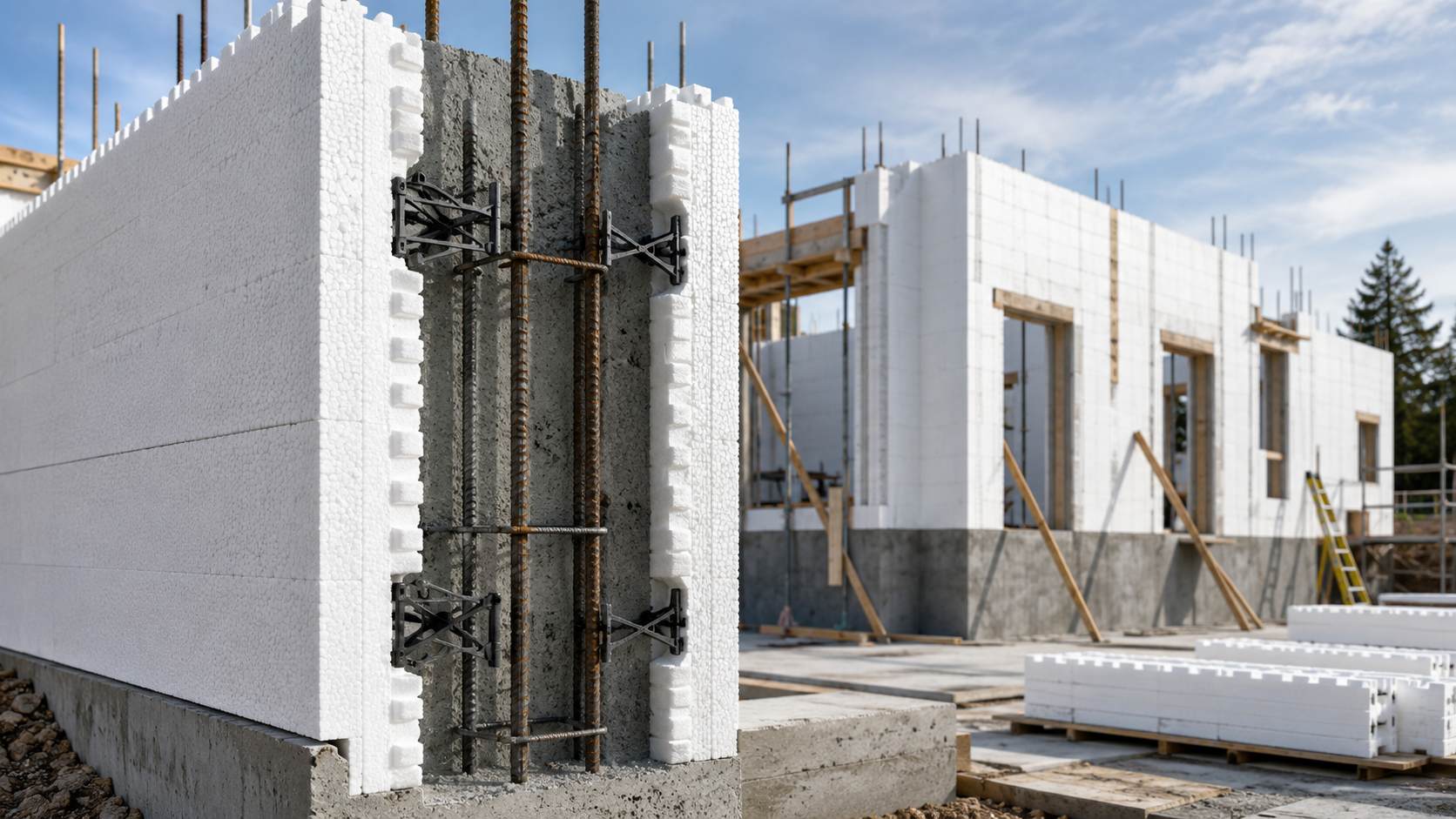
تشهد أنظمة القوالب الخرسانية المعزولة (ICF) تطوراً سريعاً في مشاريع البناء لعام 2026. ويتزايد الطلب على المتانة والكفاءة الحرارية والأداء القوي على المدى الطويل. رغوة EPS يُساهم في تحسين استقرار العزل وتماسك الهيكل. وهذا ما يجعله خيارًا مهمًا للمواد عند تصميم وشراء أنظمة الخرسانة المعزولة الحديثة.
تطورات في أنظمة القوالب الخرسانية المعزولة لمشاريع البناء لعام 2026
شهدت أنظمة قوالب الخرسانة المعزولة تطوراً سريعاً مع التوجه العالمي نحو البناء المستدام والموفر للطاقة. وقد أدى استخدام مواد متطورة مثل رغوة البوليسترين الموسعة إلى تغيير طريقة تعامل المقاولين والمطورين والمهندسين مع أغلفة المباني السكنية والتجارية.
تطور قوالب الخرسانة المعزولة في تصميم المباني الحديثة
على مدى العقد الماضي، انتقلت أنظمة القوالب الخرسانية المعزولة (ICF) من استخدامات محدودة إلى حلول شائعة في المباني عالية الأداء. يدعم تصميمها المعياري سرعة التجميع ويحافظ على عزل حراري قوي إلى جانب المتانة الهيكلية. وقد ساهمت القوالب المصنوعة من البوليسترين الموسع (EPS) في دفع هذا التغيير من خلال توفير ألواح خفيفة الوزن ومتينة في الوقت نفسه، مما يسهل أعمال البناء.
مع ازدياد أهمية منع تسرب الهواء والعزل الحراري في قوانين البناء الجديدة، أصبحت أنظمة الخرسانة المعزولة بالخرسانة ذات النوى المصنوعة من البوليسترين الموسع (EPS) خيارًا شائعًا للتصاميم ذات الانبعاثات الصفرية أو الحاصلة على شهادة LEED. كما أن زيادة استخدام رغوة البوليسترين الموسع المقاومة للهب والمعدلة بالجرافيت ترفع مستويات السلامة وكفاءة الطاقة في العديد من المناخات المختلفة.
دور ابتكار المواد في كفاءة التشكيل بالحقن المعزول
يُشكّل ابتكار المواد الجيل القادم من أنظمة القوالب الخرسانية المعزولة (ICF). يعتمد أداء العزل الحراري على سُمك الجدار وعلى البنية المجهرية للرغوة المستخدمة في القوالب. وقد ساهمت التطورات في تركيبات البوليسترين الموسع (EPS)، مثل هياكل المسام النانوية المغلقة، في رفع مقاومة الضغط وخفض الموصلية الحرارية.
في مواجهة المشكلات المزمنة المتمثلة في ارتفاع استهلاك الطاقة وانخفاض معدلات إعادة التدوير في صناعة البوليسترين الموسع العالمية، هواشنغ بدأت الشركة العمل على المستوى الجزيئي انطلاقاً من مبدأ "التكنولوجيا من أجل الخير". وتتيح هذه الخطوات إنتاج كتل من البوليسترين الموسع (EPS) تحافظ على ثبات أبعادها تحت الأحمال وتوفر قيم مقاومة حرارية ثابتة طوال فترة خدمتها.
تشمل الاتجاهات الجديدة أيضاً أنواع البوليسترين الموسع المعزز بالجرافيت مثل S-33 (بوليسترين الجرافيت - طريقة البثق)، والذي تصل موصليته الحرارية إلى أقل من 0.033 واط/متر·كلفن. هذه النتيجة أفضل بنسبة تزيد عن 20% من مواد البوليسترين الموسع القياسية، لذا فإن هذا النوع مناسب للمنازل السلبية أو المشاريع في المناطق ذات المناخ البارد.
نظرة عامة على رغوة البوليسترين الموسع كمكون أساسي في أنظمة الخرسانة المعزولة
لا تزال رغوة البوليسترين الموسع (EPS) عنصراً أساسياً في تصميم أنظمة الخرسانة المعزولة (ICF) لأنها توازن بين الأداء الهيكلي والفعالية من حيث التكلفة وإمكانية الاستدامة. كما أن استقرارها الكيميائي يدعم متانتها على المدى الطويل حتى مع اختلاف مستويات الرطوبة في مواقع البناء.
تركيب وخصائص رغوة EPS
يتكون البوليسترين الموسع بشكل أساسي من حبيبات الستايرين المبلمرة التي تتمدد بفعل المعالجة بالبخار، لتشكل هياكل ذات خلايا مغلقة مملوءة بالهواء. يمنح هذا التركيب مقاومة حرارية عالية مع الحفاظ على وزن منخفض. تتراوح الكثافة النموذجية من 10 كجم/م³ إلى أكثر من 30 كجم/م³ حسب النوع المختار.
في مجال عزل المباني، تُقدّم منتجات رغوة البوليسترين الموسع (EPS) من هواشنغ أداءً متميزًا. توفر هذه المنتجات عزلًا حراريًا قويًا وتُساهم في خفض استهلاك الطاقة في المباني. كما أن معدل امتصاص الرطوبة المنخفض للمادة (أقل من 0.5%) يمنع التلف الناتج عن دورات التجمد والذوبان أو الرطوبة أثناء التركيب. وتُتيح خطوات التصنيع، مثل بلمرة التعليق، تحكمًا دقيقًا في توزيع حجم الحبيبات، مما يُحسّن من تجانس الالتصاق في الألواح المصبوبة.
مقارنة بين رغوة البوليسترين الموسع والمواد البديلة
بالمقارنة مع رغوة البوليسترين المبثوقة أو رغوة البولي يوريثان، توفر رغوة البوليسترين الموسع (EPS) مرونة أكبر بتكلفة أقل للمتر المكعب، وتحافظ على قيم عزل موثوقة مع مرور الوقت. أما رغوة البوليسترين المبثوقة بالأشعة فوق البنفسجية (XPS) فتتميز بمقاومة ضغط أعلى قليلاً، ولكنها تُلحق ضرراً أكبر بالبيئة بسبب عوامل النفخ ذات القدرة الأكبر على إحداث الاحتباس الحراري. بينما تحقق رغوة البولي يوريثان قيم عزل حراري (R-value) أفضل، إلا أنها أقل قابلية لإعادة التدوير وأكثر تكلفة عند استخدامها على نطاق واسع.
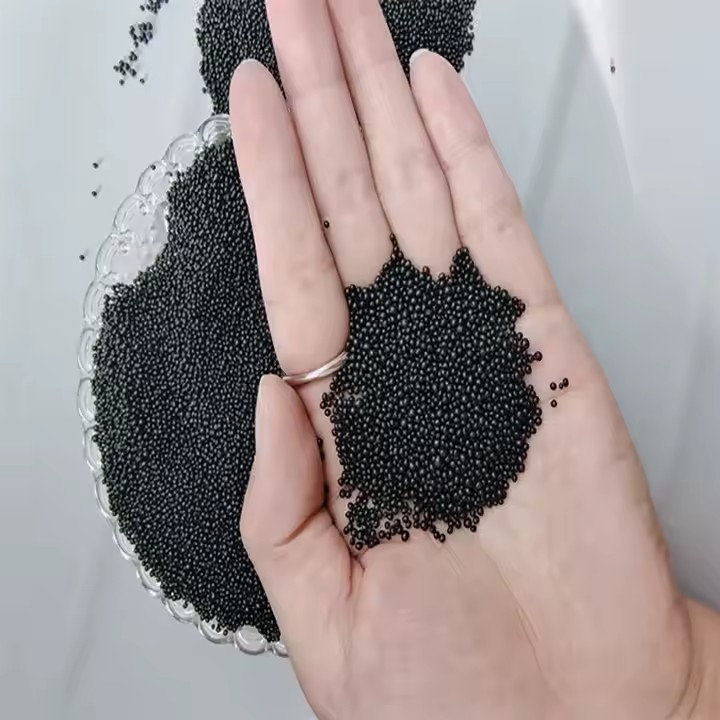
أنواع الجرافيت المعدلة من شركة هواشنغ، مثل البوليسترين الجرافيتي FGE (طريقة التعليق), يجمع هذا المزيج بين انعكاسية أفضل ومثبطات اللهب غير المحتوية على مركبات HBCD والتي تتوافق مع معايير REACH الأوروبية. ويوفر هذا المزيج توازناً جيداً بين الكفاءة والسلامة والاستدامة لمشاريع الخرسانة المعزولة الكبيرة المخطط لها لما بعد عام 2026.
تحسينات الأداء الحراري من خلال دمج EPS
يؤدي إضافة البوليسترين الموسع (EPS) إلى جدران الخرسانة المعزولة بالقوالب (ICF) إلى إزالة العديد من مشاكل الجسور الحرارية الموجودة في التجميعات الخرسانية التقليدية. ويتحقق ذلك من خلال إنشاء طبقات عزل متصلة على جانبي النواة الهيكلية.
كيف تُحسّن مادة EPS كفاءة الطاقة في جدران ICF
يظل العزل ثابتًا في جميع أجزاء الجدران بغض النظر عن موقعها أو وصلاتها، وبغض النظر عن مكان وجود عناصر التقوية. يساعد هذا العزل المتجانس على تقليل أحمال التدفئة والتبريد، حيث يتم تنظيم درجة الحرارة الداخلية على مدار العام. وهذا بدوره يساهم في تحقيق صافي استهلاك صفري للطاقة في مختلف المناطق المناخية.
بفضل عزلها الموثوق، تساعد هذه الألواح في الحفاظ على درجة الحرارة الداخلية عند المستويات المطلوبة على مدار العام، مما يُغني عن الحاجة إلى أنظمة التدفئة والتبريد. ويمكن استخدام ألواح البوليسترين الموسع (EPS) مع طلاء عاكس وأغطية مركبة دون التأثير على خاصية منع نفاذ البخار.
فوائد منع تسرب الهواء وإدارة الرطوبة
يدعم البوليسترين الموسع (EPS) البناء المحكم عن طريق تقليل الفراغات أثناء التجميع بفضل تصميمه المتشابك المصبوب بدقة. تسمح نفاذية البخار فيه بانتشار مُتحكم به بدلاً من تراكم التكثيف داخل تجاويف الجدران. تُعد هذه الميزة مفيدة في البيئات الرطبة أو الأقبية.
توفر هذه المنتجات عزلًا حراريًا قويًا وتساعد على خفض استهلاك الطاقة في المباني. ومع مرور الوقت، يحافظ التوازن بين منع تسرب الهواء ونفاذيته على استقرار الأداء دون الحاجة إلى طبقات غشائية إضافية أو أعمال إحكام معقدة.
كفاءة الهيكل والإنشاء باستخدام أنظمة الخرسانة المعزولة بالصب القائمة على البوليسترين الموسع
إن الطبيعة المعيارية للقوالب القائمة على مادة EPS تجعل التعامل معها في الموقع أبسط مع الحفاظ على دقة المحاذاة أثناء صب الخرسانة.
تُقلل المكونات خفيفة الوزن من الحاجة إلى الرافعات، وتُمكّن فرق العمل الصغيرة من إنجاز أقسام أكبر بشكل أسرع مما تسمح به القوالب التقليدية. بيانات ميدانية من شركة هواشنغ. مشروع المدينة البيئية GreenBuild أظهرت النتائج أن جزيئات البوليسترين الموسع المقاومة للهب من النوع B1 قلّصت دورات المشاريع بمقدار 18 يومًا مقارنةً بأنظمة الصوف الصخري، ورفعت كفاءة الطاقة الإجمالية بنسبة 14%. وتُبرز هذه النتائج كيف يؤثر اختيار المواد على الجدولة.
يُوفر قلب الخرسانة المسلحة داخل كل كتلة مقاومة ضغط قريبة من الجدران المصبوبة في الموقع، مع الحفاظ على مرونتها في مواجهة قوى الرياح أو الزلازل. وهذا يتوافق مع أحدث المواصفات الدولية للمباني متوسطة الارتفاع.
استراتيجية شراء رغوة البوليسترين الموسع في تطبيقات نظام القوالب المعزولة بالخرسانة
إن اختيار درجات EPS المناسبة يعني تحقيق التوازن بين القوة الميكانيكية والاستقرار الحراري على المدى الطويل بناءً على نوع المشروع والظروف المناخية المحلية.
- اختر درجة EPS المناسبة لمتطلبات الحمل الإنشائي وأداء الجدار: تتطلب سماكات الجدران المختلفة نطاقات كثافة محددة. المواد خفيفة الوزن (P) مناسبة للجدران غير الحاملة للأحمال، بينما تلبي الدرجات المقاومة للهب (F) متطلبات السلامة من الحرائق للواجهات.
- تقييم بيانات التوصيل الحراري وكفاءة الطاقة على المدى الطويل: ينبغي على فرق المشتريات طلب قيم λ الموثقة من الموردين. توفر رغوة الجرافيت من سلسلة S من HUASHENG قيمة λ ≤ 0.033 واط/متر·كلفن، وهو ما أكدته اختبارات معتمدة من SGS.
- تحقق من مقاومة الرطوبة والمتانة في بيئات البناء: يجب أن تحافظ أنواع الرغوة المختارة على ثبات أبعادها عند تغير الرطوبة. التركيبات المقاومة للماء مثل وحدات أكوا جارد يُظهر امتصاص الماء أقل من 0.5%.
- مقارنة اتساق الموردين في كثافة قوالب البوليسترين الموسع ودقة التشكيل: تعمل الكثافة الموحدة على تحسين الترابط أثناء معالجة الخرسانة. تضمن خطوط الإنتاج الذكية التي تديرها شركة هواشنغ توحيد الكثافة من خلال المراقبة الآلية.
- التحقق من الشهادة، وأداء الحريق، والامتثال لقانون البناء المحلي: يجب أن تأتي وثائق الامتثال، بما في ذلك شهادة UL E360952 لدرجات مثبطات اللهب من النوع F، مع الطلبات بالجملة لتلبية قواعد تصنيف الحريق B1/B2 بموجب معايير GB8624-2012.
- تقييم استقرار الإمدادات بالجملة، والمهلة الزمنية، وقدرة تسليم المشروع: بالنسبة للمشاريع التطويرية متعددة المراحل التي تمتد حتى عامي 2026-2027، فإن التوريد من الشركات المصنعة المتكاملة رأسياً يدعم الإمدادات الثابتة.
أسئلة متكررة
س1: ما هي العوامل التي يجب إعطاؤها الأولوية عند اختيار مورد نظام ICF؟
أ1: مراجعة شهادات المنتج مثل UL و SGS و ISO، والتحقق من اتساق التحكم في كثافة الرغوة، والتأكد من موثوقية التسليم، وتقييم قدرة الدعم الفني قبل توقيع الاتفاقيات.
س2: كيف تساهم رغوة البوليسترين الموسع في خفض تكاليف التشغيل؟
أ2: يقلل العزل المستمر من استهلاك الطاقة لنظام التدفئة والتهوية وتكييف الهواء طوال دورة حياة المبنى. ويمكن لمادة البوليسترين الموسع المعدلة بالجرافيت عالية الجودة أن تقلل من متطلبات التدفئة بنسبة تصل إلى 20%.
س3: هل يمكن طلب تركيبات EPS مخصصة لمشاريع ICF محددة؟
ج٣: نعم. تقدم هواشنغ خدمات متكاملة وشاملة تغطي تصميم حلول مخصصة, إنتاج العينات، والتصنيع، والتوصيل اللوجستي. تتيح هذه الخدمة مستويات كثافة أو مقاومة للهب مصممة خصيصًا لتناسب احتياجات كل مشروع على حدة.
س4: ما هو الحد الأدنى لكمية الطلب (MOQ) لتوريد EPS بكميات كبيرة؟
ج٤: بالنسبة لطلبات الإنشاءات واسعة النطاق التي تتجاوز حدود التوزيع الإقليمي، يبدأ الحد الأدنى للطلب عادةً من عدة أطنان لكل نوع، وذلك حسب مواصفات القوالب. ويساعد العمل مع الموزعين المعتمدين على ضمان التسليم في الوقت المحدد بما يتماشى مع مراحل المشروع.
 Arabic
  English
  German
  Spanish
  French