
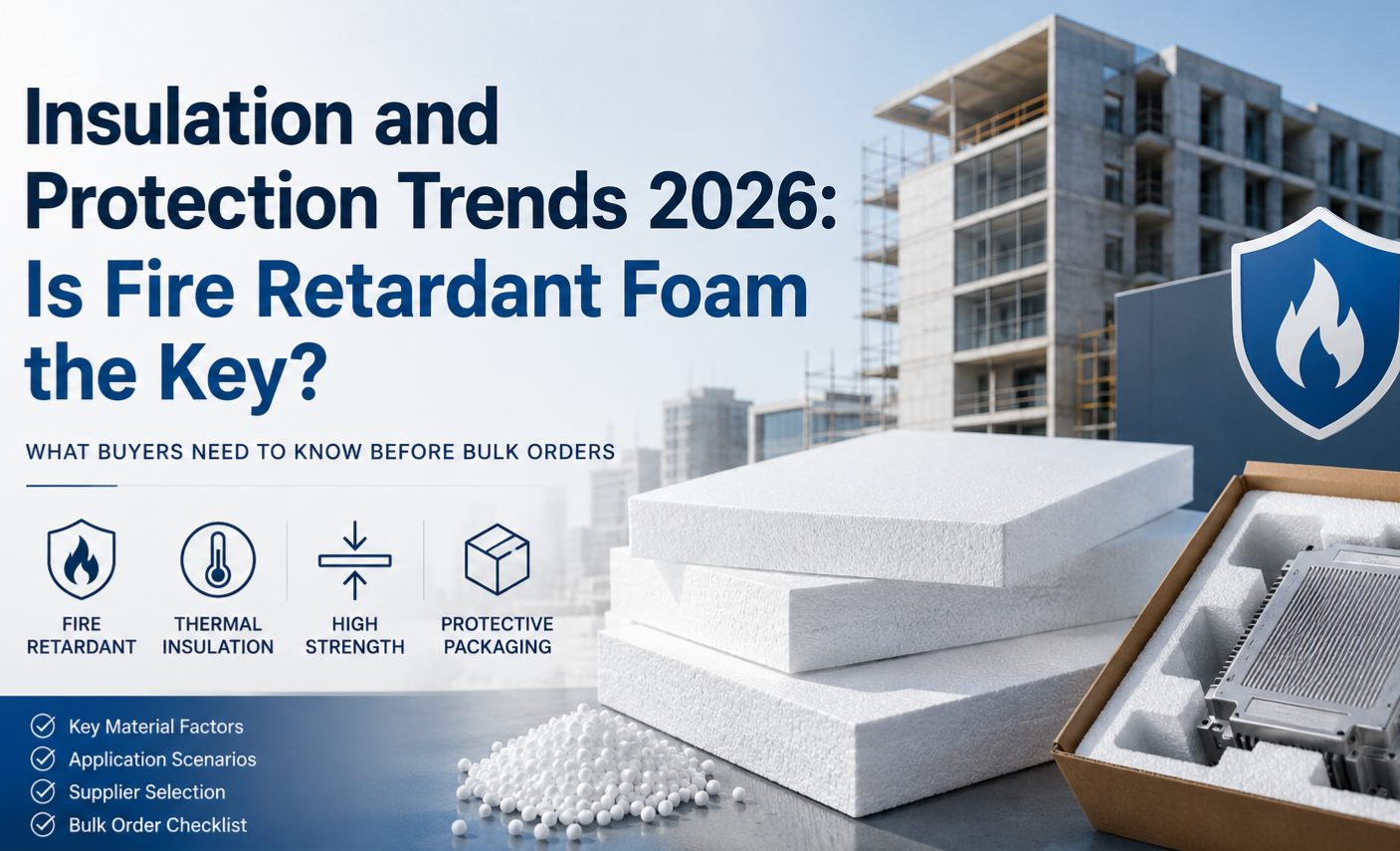
رغوة مضادة للحريق سيتم طرح هذا السؤال بشكل متكرر في عام 2026. ليس فقط من قبل مشتري مواد البناء، ولكن أيضًا من قبل الأشخاص الذين يشترون مواد التغليف الواقية، وصناديق سلسلة التبريد، والألواح الجاهزة، وقطع الرغوة الصناعية.
لماذا تحظى رغوة مقاومة الحريق باهتمام أكبر في عام 2026
تتطلب العديد من المشاريع الآن استخدام الرغوة لأكثر من غرض. قد يحتاج نظام عزل الجدران إلى عزل حراري، وخفة وزن، ومقاومة أفضل للحريق. وقد تحتاج مواد التغليف الداخلية إلى امتصاص الصدمات وتخزين أكثر أمانًا في المستودعات. وقد يحتاج صندوق سلسلة التبريد إلى عزل، ومتانة، وثبات أثناء النقل.
لا يزال استخدام الرغوة التقليدية فعالاً في العديد من التطبيقات البسيطة، خاصةً عندما تكون متطلبات مقاومة الحريق منخفضة. ولكن عندما يتعلق الأمر بالبناء، أو المعدات الكهربائية، أو الأدوات الدقيقة، أو بضائع المستودعات، أو تغليف الصادرات، تصبح الرغوة المقاومة للحريق خياراً أكثر أهمية.
ما هي حلول رغوة مقاومة الحريق للمشاريع؟
الحد من مخاطر الحريق في أنظمة العزل
في مجال عزل المباني، نادراً ما يُستخدم الرغوة بمفردها. عادةً ما تكون جزءاً من جدار أو سقف أو أرضية أو نظام مسبق الصنع. يمكن للرغوة المقاومة للحريق أن تُحسّن مستوى أمان هذا النظام، ولكنها لا تزال بحاجة إلى طبقات تغطية مناسبة، وتركيب صحيح، وموافقة الجهات المختصة.
من المهم توضيح هذه النقطة. استخدام رغوة مقاومة للحريق لا يعني بالضرورة الموافقة التلقائية على نظام البناء بأكمله. لا يزال على المشترين التحقق من الهيكل النهائي، والكسوة، وطبقة الجص، وطريقة التثبيت، وقوانين السلامة من الحرائق المحلية. ما يوفره نوع الرغوة هو أساس أفضل للمشروع من حيث المواد.
هواشنغتُعدّ سلسلة درجات مقاومة اللهب من شركة [اسم الشركة] مثالاً مفيداً. تستخدم درجة FS مواداً مركبة مقاومة للهب، وهي مصممة للوصول إلى مستوى B1 بسرعة. أما درجة FSH، فهي تركز بشكل أكبر على العزل الحراري في قطاعي البناء والصناعة، بما في ذلك العزل السلبي للغرف.
حماية المنتجات أثناء التخزين والنقل
تُعدّ الرغوة المقاومة للحريق ذات قيمة كبيرة في التغليف الواقي. فغالباً ما تحتاج الأدوات الدقيقة، والأجهزة الإلكترونية، والمنتجات الخزفية، وقطع غيار السيارات، والمكونات الصناعية إلى تبطين مُحكم. ويجب أن يُقلل التغليف من الاهتزازات، ويُثبّت المنتج في مكانه، ويتجنب إضافة وزن زائد.
بالنسبة لبعض السلع، يمكن استخدام رغوة البوليسترين الموسع القياسية لتوفير الحماية اللازمة. ولكن في تخزين الصادرات، أو مناولة البضائع في المستودعات، أو المشاريع التي تتضمن منتجات كهربائية، قد يرغب المشترون في تحسين إجراءات السلامة المتعلقة بالحريق. في هذه الحالة، يمكن أن تساعد رغوة البوليسترين الموسع المقاومة للحريق في تقليل مخاطر المشروع وتسهيل عملية الموافقة على المواد.
العوامل المادية الرئيسية التي يجب على المشترين التحقق منها
تصنيف مقاومة اللهب وتقارير الاختبار
أول ما يجب التأكد منه هو درجة مقاومة اللهب الفعلية. ينبغي على المشترين الاستفسار عن المعيار الذي تستند إليه هذه الدرجة، وما إذا كانت تقارير الاختبار متوفرة، وما إذا كان من الممكن الحفاظ على نفس الدرجة ثابتة في عمليات الإنتاج المتكررة.
هواشنغ درجة FS تُشير المعلومات إلى أداء مُثبِّط للهب من المستوى B1، وكثافة دخان منخفضة، ومؤشر أكسجين مرتفع، واستخدامه في البناء وتغليف الأدوات الدقيقة. يُعدّ هذا النوع من معلومات المنتج مفيدًا لأنّه يُتيح للمشترين ربط الدرجة بالاستخدام الفعلي، بدلاً من الاعتماد فقط على وصف تسويقي مُختصر.
العزل الحراري وقوة الضغط
يجب أن يتميز الرغوة بقدرته على العزل، والحفاظ على شكله، وتحمل الضغط في المواقع التي يتطلبها المشروع. بالنسبة للاستخدام في البناء، ينبغي على المشترين النظر إلى الموصلية الحرارية، وقوة الضغط، والثبات الأبعاد، والكثافة معًا.
هواشنغ درجة FSH يُستخدم هذا المنتج في البناء والعزل الصناعي. كما يتميز بسرعة التصلب، واختراق البخار الجيد أثناء التشكيل، وتحسين اندماج المنتج، وقوة ضغط أعلى بنسبة تزيد عن 20% مقارنةً بالأنواع الأخرى. هذه الميزات مهمة في الإنتاج الفعلي.
الكثافة، ومقاومة الرطوبة، والاستخدام طويل الأمد
تؤثر الكثافة على المتانة، وقيمة العزل، وسهولة التصنيع، والتكلفة. قد توفر الكثافة المنخفضة الوزن وتكلفة المواد، ولكنها قد لا تكون مناسبة لجميع التطبيقات. عادةً ما توفر الكثافة العالية متانة أفضل، ولكن على المشترين تحديد ما إذا كانت التكلفة الإضافية ضرورية.
الرطوبة نقطة أخرى لا ينبغي للمشترين إغفالها. قد تتعرض رغوة مقاومة الحريق المستخدمة في الجدران والأسقف وصناديق التبريد أو التخزين في الأماكن الرطبة لبخار الماء أو التكثيف. اطلب بيانات امتصاص الماء. إذا كانت الرغوة ستُستخدم في منطقة رطبة، فتحقق مما إذا كانت هناك حاجة إلى طلاء أو تغليف أو حماية غشائية أو تصميم نظام تصريف.
سيناريوهات التطبيق الرئيسية في عام 2026
عزل المباني والبناء الجاهز
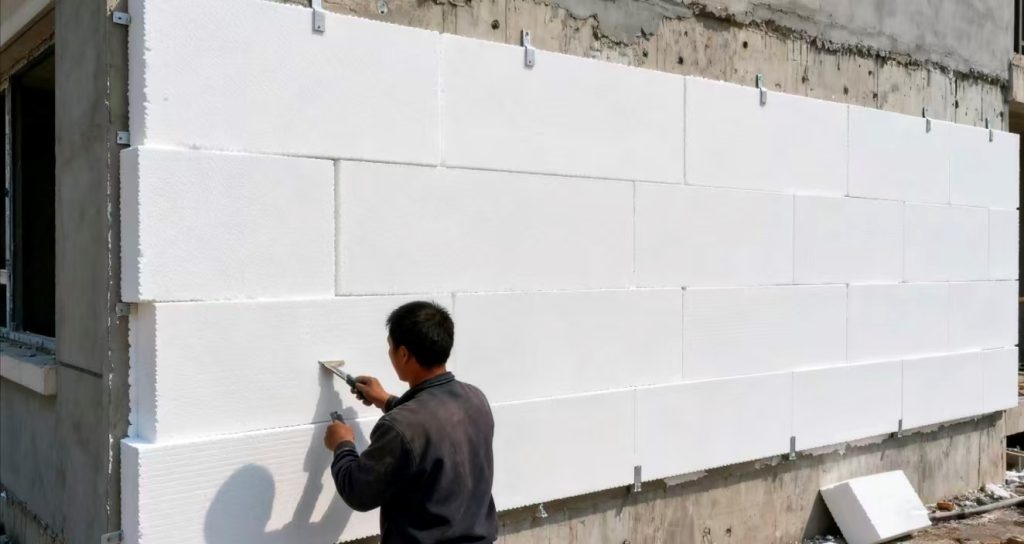
يُعد عزل المباني أحد الاستخدامات الرئيسية للرغوة المقاومة للحريق. فأنظمة الجدران، وطبقات الأسقف، وعزل الأرضيات، والألواح الجاهزة، جميعها تتطلب توازناً بين العزل، ومقاومة الحريق، وخفة الوزن، وسرعة التركيب.
في مجال البناء الجاهز، يُعدّ استقرار الدفعة أمرًا بالغ الأهمية. فإذا لم تتصلب الحبيبات بشكل متساوٍ أو لم تتشكل بشكل جيد، يتباطأ خط الإنتاج. وهذا ليس بالأمر الهين بالنسبة للمصانع التي تُنتج الألواح يوميًا. تُعدّ مواد FSH أكثر ملاءمة للمشترين الذين يهتمون بعزل البناء واستقرار عملية التصنيع.
التغليف الواقي والشحن بالجملة
يمكن استخدام مادة البوليسترين الموسع المقاومة للحريق في تغليف الأدوات الدقيقة والأجهزة المنزلية والإلكترونيات والسلع الهشة. يُساعد التشكيل الرغوي على ملاءمة شكل المنتج، والحد من حركته داخل الكرتون، وتقليل احتمالية تلفه أثناء النقل.
تُعدّ درجة FS ذات أهمية هنا لأنها تُستخدم في كلٍّ من تطبيقات البناء وتغليف الأدوات الدقيقة. بالنسبة للمشترين الذين يشحنون منتجات عالية القيمة بكميات كبيرة، فإنّ ذلك يجعلها أكثر عملية من درجة الرغوة العامة.
صفائح منخفضة الكثافة وتغليف عام
لا تتطلب بعض الطلبات عزلًا شديد التحمل، بل تحتاج إلى ألواح خفيفة أو رغوة تغليف عامة. صُممت رغوة هواشنغ الخفيفة المقاومة للهب من فئة FB خصيصًا لإنتاج الألواح منخفضة الكثافة، حيث تقل الكثافة الظاهرية للفقاعات عن 10 كجم/م³. كما يمكن استخدام أحجام جسيمات أصغر للتغليف العام.
هناك تنبيه هام بخصوص عملية التصنيع. يجب عدم خلط مادة FB مع مادة EPS العادية أو المواد غير المقاومة للهب، لأن ذلك قد يقلل من فعالية مقاومة اللهب. كما توصي معلومات المنتج بترك المنتج لفترة كافية بعد التشكيل، غالباً ما تزيد عن أسبوعين، حتى يتمكن عامل الرغوة المتبقي من مغادرة جسم الرغوة. بالنسبة للمصانع التي تقوم بالإنتاج بكميات كبيرة، يجب التحقق من هذه التفاصيل قبل أول طلبية كبيرة.
رغوة مقاومة للحريق مقابل الرغوة العادية: ما هي التغييرات بالنسبة للمشترين؟
لا يزال للرغوة العادية استخداماتها. فهي عادةً أرخص وأسهل في الحصول عليها. بالنسبة للتبطين البسيط، والتغليف منخفض المخاطر، أو التطبيقات التي لا تتطلب مقاومة للحريق، قد تكون الرغوة العادية كافية.
تُعدّ رغوة مقاومة الحريق أغلى ثمناً في كثير من الحالات، لكنها تُقلّل المخاطر عند الحاجة إلى الموافقة أو السلامة أو فحص المشتري. ولا تقتصر التكلفة الإضافية على المواد الخام فحسب، بل تشمل أيضاً تقارير الاختبار، والتركيبة الثابتة، ومراقبة التصنيع، وأحياناً فترات معالجة أطول أو شروط تخزين أكثر صرامة.
بالنسبة للمشترين، ينبغي أن يستند الاختيار إلى الاستخدام. قد تتطلب مواد عزل المباني درجة مقاومة للحريق وفقًا لمتطلبات الكود. وقد تتطلب مواد التغليف الواقية ذلك بسبب ظروف التخزين أو طلبات العملاء. كما قد تتطلب مشاريع سلسلة التبريد أو المشاريع الصناعية قيمة عزل عالية، وأداءً ممتازًا في مقاومة الضغط، وتحكمًا فعالًا في الرطوبة في آن واحد.
كيفية اختيار مورد رغوة مقاومة للحريق
تحقق من الطاقة الإنتاجية واستقرار الدفعات
ينبغي للمورد الجيد أن يدعم الإنتاج المتكرر، لا مجرد عينة جيدة واحدة. على المشترين الاستفسار عن الطاقة الإنتاجية الشهرية، والتحكم في الكثافة، ونطاق حجم الجسيمات، ووقت المعالجة، واختبارات الدفعات. بالنسبة لمصنعي البوليسترين الموسع، يؤثر تجانس الحبيبات بشكل مباشر على المنتج النهائي.
اطلب الاطلاع على وثائق الامتثال قبل الطلب
قبل طلب كميات كبيرة، ينبغي على المشترين طلب مواصفات المنتج، ومعلومات عن درجة مقاومته للهب، وتقارير الاختبار، وبيانات السلامة، ووثائق التصدير. أما بالنسبة لمشاريع البناء، فمن الضروري أيضاً التحقق من توافق المواد مع النظام المحلي وقانون البناء.
مطابقة درجة رغوة الاستخدام في المشاريع الحقيقية
لا ينبغي اختيار رغوة مقاومة للحريق بناءً على السعر فقط. فقد لا يكون النوع ذو الكثافة المنخفضة مناسبًا لألواح العزل، بينما قد يكون النوع المستخدم في عزل المباني أكثر من اللازم للتبطين البسيط. لذا، يُفضّل اختيار النوع المناسب للتطبيق والمعدات والكثافة المستهدفة وتصميم المنتج النهائي.
غالباً ما يكون التعامل مع موردين مثل شركة هواشنغ، التي تقدم أكثر من درجة واحدة من مثبطات اللهب، أسهل لأنهم يستطيعون المساعدة في تعديل اختيار المواد بدلاً من فرض منتج واحد في كل استخدام.
أسئلة متكررة
س1: ما الذي يجب على فرق المشتريات التحقق منه قبل شراء رغوة مقاومة للحريق بكميات كبيرة؟
أ1: ينبغي على المشترين التحقق من درجة مقاومة اللهب، وتقارير الاختبار، ونطاق الكثافة، وحجم الجسيمات، وقوة الضغط، والتوصيل الحراري، ووقت المعالجة، وثبات الدفعة. كما ينبغي عليهم التأكد من ملاءمة هذه الدرجة لعزل المباني، والتغليف الواقي، والألواح منخفضة الكثافة، أو غيرها من استخدامات المشاريع.
س2: هل يمكن تخصيص رغوة مقاومة للحريق لتطبيقات مختلفة؟
ج٢: نعم، ولكن ذلك يعتمد على قدرة المورد الإنتاجية. يمكن للمشترين الاستفسار عن تعديل الكثافة، واختيار حجم الجسيمات، ونسبة التمدد، ودعم الشكل المصبوب، وطريقة التعبئة والتغليف. تقدم شركة هواشنغ خدمات مخصصة. يمكنك تقديم استفسار عن طريق انقر هنا.
س3: ما الذي يجب على المشترين الاستفسار عنه بخصوص الحد الأدنى لكمية الطلب، والتركيب، والصيانة، ودعم ما بعد البيع؟
ج٣: يجب على المشترين التأكد من الحد الأدنى لكمية الطلب، ومدة التسليم، وسياسة العينات، والدعم الفني، وخدمة ما بعد البيع قبل الدفع. بالنسبة للاستخدام في البناء، يُرجى الاستفسار عن كيفية استخدام الرغوة مع طبقات التغطية، والأغشية، أو أنظمة الجدران. أما بالنسبة للاستخدام في التغليف، فيُرجى الاستفسار عن إرشادات التشكيل، وشروط التخزين، ونصائح التعامل مع طلبات التصدير المتكررة.
 Arabic
  English
  German
  Spanish
  French