
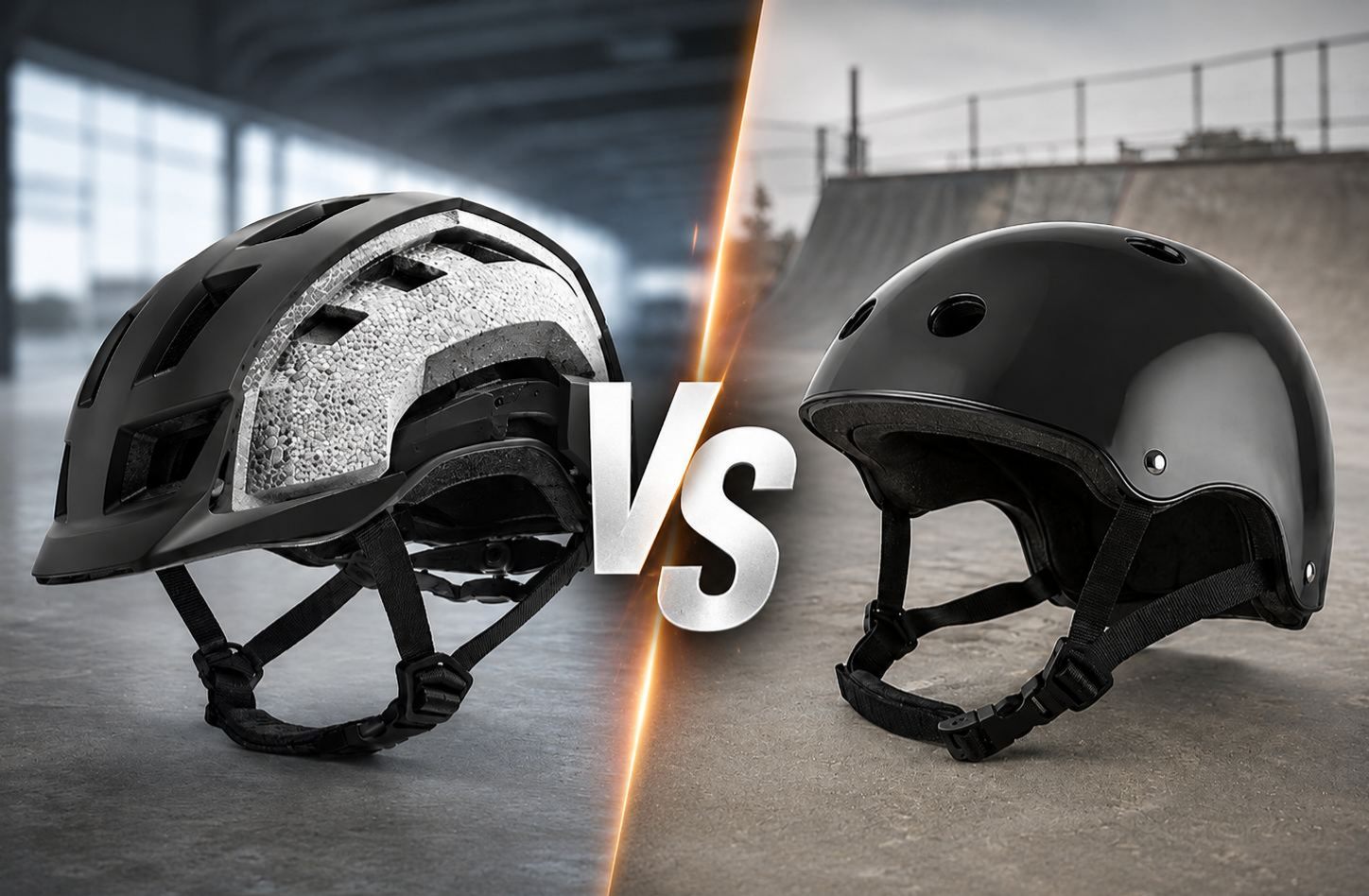
قد يكون الخوذة التقليدية مناسبة للاستخدامات البسيطة أو منخفضة المخاطر، لكن العديد من المشاريع اليوم تتطلب مواد أخف وزنًا للخوذة، وامتصاصًا أكثر استقرارًا للصدمات، وتحكمًا أفضل في الإنتاج. بالنسبة للمشترين في قطاع الأعمال، لا يكمن جوهر الأمر في مظهر الخوذة، بل في الهيكل الذي يوفر قيمة أكثر أمانًا وقابلية للتنبؤ في عمليات الشراء بالجملة.
لماذا أصبح الطلب على الخوذات مرتبطًا بالمشاريع بشكل متزايد؟
أصبحت السلامة الآن جزءًا من مخاطر الشراء
بالنسبة لمشتري المشاريع، لا تقتصر سلامة الخوذة على مجرد ادعاءات المنتج. فإذا فشلت الخوذة أثناء الاستخدام، قد يواجه المشتري شكاوى، أو عمليات إرجاع، أو تأخيرات في المشروع، أو حتى مسؤولية قانونية.
تؤثر الراحة أيضاً على قبول المشروع
ينظر بعض المشترين إلى الراحة كمسألة استهلاكية. في المشاريع الحقيقية، تؤثر الراحة أيضاً على معدل الاستخدام. فاستخدام خوذة ثقيلة جداً أو مصممة بشكل خاطئ قد يُبقي المنتج في المخزن، خاصةً في حالات مثل ركوب الدراجات، والرياضات الخارجية الأخرى، والعمل بنظام المناوبات. EPS الخوذة خفيفة الوزن ستجعل استخدامها سهلاً، مع الحفاظ على بطانة متينة.
ما الذي يُعتبر خوذة تقليدية؟
قد يحمل مصطلح "الخوذة التقليدية" معاني مختلفة في الأسواق المختلفة. فهو يشير إلى الخوذات القديمة ذات الغلاف الصلب والحشوة الأساسية، والخوذات البلاستيكية البسيطة، والبطانات الإسفنجية منخفضة الكثافة، والخوذات الواقية المغطاة بالقماش، أو النماذج التي تستخدم رغوة التبطين العامة بدلاً من مواد البطانة المصممة لامتصاص الصدمات.
لا تزال بعض تصاميم الخوذات التقليدية تستخدم غلافًا خارجيًا صلبًا وبطانة داخلية ناعمة، وذلك أساسًا لتوفير الراحة. قد تُخفف هذه التصاميم من الصدمات الطفيفة، لكنها ليست مصممة دائمًا للتعامل مع طاقة الصدمات القوية بطريقة مُحكمة. هذا الاختلاف مهم عند مقارنة المشترين لمواد الخوذات المستخدمة في طلبات المشاريع.
كيف تُحسّن مواد خوذة EPS من حماية الرأس
امتصاص الصدمات من خلال الضغط المتحكم فيه
تستخدم خوذة EPS رغوة البوليسترين الموسّع كبطانة رئيسية لامتصاص الصدمات. تعمل هذه الرغوة عن طريق الضغط المتحكم به. فعند حدوث صدمة قوية، تنضغط خلايا الرغوة وتمتص جزءًا من الطاقة، مما يساعد على تقليل القوة المنتقلة إلى الرأس.
يختلف هذا عن الحشوة الناعمة التي ترتد ببساطة. قد يكون الارتداد مريحًا عند الإمساك به، ولكن في حالة الصدمات القوية، يكون السحق المتحكم به أكثر فائدة. لهذا السبب، يُستخدم البوليسترين الموسع (EPS) على نطاق واسع في خوذات الدراجات الهوائية، والخوذات الرياضية، والعديد من أنظمة خوذات السلامة.
هواشنغ ناقشت الشركة مواد خوذات السلامة المصنوعة من البوليسترين الموسع (EPS) من حيث امتصاص الصدمات، وخفة الوزن، ومرونة التصنيع، وثبات الشكل. بالنسبة للمشترين، لا تقتصر هذه الخصائص على مجرد وصف للمواد، بل تؤثر على تصميم القالب، وسماكة البطانة، وقابلية تكرار الإنتاج، ومستوى الحماية النهائي.
هيكل خفيف الوزن لمتانة طويلة الأمد
يُعدّ الوزن عاملاً بالغ الأهمية في استخدام الخوذات. فقد يرتديها راكبو الدراجات والعمال والأطفال ومستخدمو الأنشطة الخارجية لساعات طويلة. وإذا كانت الخوذة ثقيلة جدًا، فإنها تُسبب إجهادًا للرقبة وتُقلل من تقبّل المستخدمين لها.
يتميز البوليسترين الموسع (EPS) ببنية منخفضة الكثافة، مما يسمح بتصنيع خوذة أخف وزنًا دون الحاجة إلى إزالة البطانة الواقية. قد توفر الخوذة التقليدية المصنوعة من مواد أثقل حماية في بعض الحالات، ولكن قد تكون تجربة ارتدائها أقل راحة عند الاستخدام لفترات طويلة.
ملاءمة مصبوبة ثابتة
يمكن تشكيل مادة EPS في أشكال بطانة ثابتة. وهذا يساعد مصنعي الخوذات على تصميم أحجام مختلفة، وقنوات تدفق الهواء، ومناطق الصدم، وهياكل الغلاف الخارجي. تصنيع المعدات الأصلية وتصميمها البرامج، وهذا مفيد لأن العلامات التجارية غالباً ما تحتاج إلى أشكال غلاف مخصصة، وأحجام رؤوس مختلفة، وألوان خاصة، ووضع الشعار، وتغليف متناسق.
يُسهم استخدام بطانة مصبوبة ثابتة في دعم الإنتاج بكميات كبيرة. فبمجرد التأكد من القالب والكثافة، يُمكن للمورد تكرار التصميم نفسه بسهولة أكبر. وهذا أمر بالغ الأهمية للموزعين ومشتري العلامات التجارية الذين يحتاجون إلى طلبات إعادة التوريد في المستقبل.
خوذة EPS مقابل الخوذة التقليدية: الاختلافات الرئيسية للمشترين
أداء الحماية
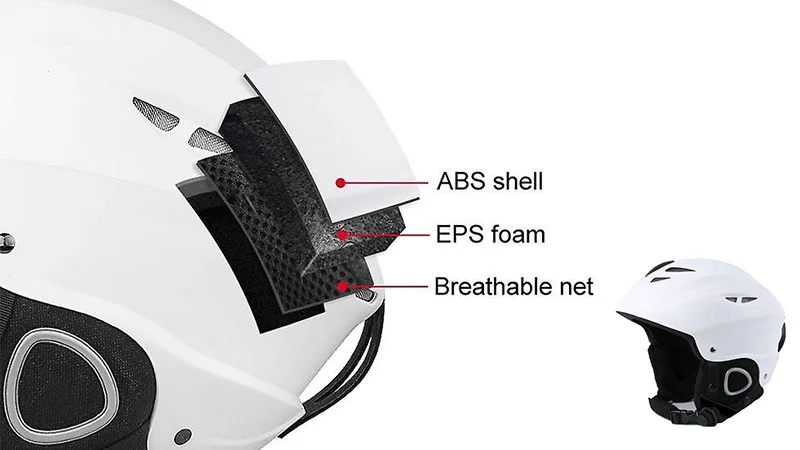
يتمثل الاختلاف الأكبر بين خوذة EPS والخوذة التقليدية في كيفية تعامل البطانة مع الصدمات. عادةً ما تُصمم خوذة EPS لامتصاص الصدمات من خلال ضغط الرغوة، بينما قد تعتمد الخوذة التقليدية بشكل أكبر على متانة الهيكل الخارجي، أو الحشوة الناعمة، أو التبطين الأساسي.
لا يعني هذا أن كل خوذة مصنوعة من مادة EPS أفضل بالضرورة. فما زالت هناك حاجة للتحقق من كثافة مادة EPS، وسماكة البطانة، وتماسك الغلاف، واختبارات السلامة. ولكن بالنسبة للمشاريع التي تتطلب حماية معتمدة من الصدمات، توفر مادة EPS للمشترين مسارًا تقنيًا أوضح.
الوزن وراحة الارتداء
توفر الخوذة المصنوعة من مادة EPS عالية الجودة توازناً أفضل بين الحماية والراحة. وبفضل خفة وزنها، يسهل ارتداء الخوذة أثناء ركوب الدراجات، أو ممارسة الرياضة، أو العمل في مواقع البناء، أو برامج التنقل. قد تكون الخوذات التقليدية مناسبة للاستخدام لفترات قصيرة، ولكن قد يصبح الوزن والراحة عائقاً في المشاريع الكبيرة.
بالنسبة للمشترين في قطاع الأعمال، لا يقتصر تأثير الراحة على التقييمات فقط، بل يمتد ليشمل تكرار الطلبات، ومعدل الشكاوى، وإقبال المستخدمين. وينطبق هذا بشكل خاص على البرامج المدرسية، وأساطيل التأجير، والعلامات التجارية للمعدات الخارجية، وفرق العمل التي تتطلب ساعات عمل طويلة.
اتساق التصنيع
يمكن تشكيل بطانات EPS بكثافة وشكل محددين، مما يُفيد في طلبات الكميات الكبيرة. فإذا اختلفت جودة كل دفعة عن الأخرى، سيواجه المشتري مشكلة. بالنسبة لعلامات الخوذات التجارية، قد يؤثر تفاوت الجودة سلبًا على ثقة السوق، أما بالنسبة لمشتري المشاريع، فقد يؤخر ذلك قبول الطلب.
ينبغي أن تشمل مراقبة جودة الموردين كثافة المواد، ووزن البطانة، وتماسك الغلاف، وتشطيب الحواف، ودقة المقاس، والفحص العشوائي. قد يكون إنتاج الخوذات التقليدية مستقرًا أيضًا، ولكن غالبًا ما تكون النماذج البسيطة منخفضة التكلفة أقل تحكمًا في نظام الحماية الداخلي.
أين تكون خوذات EPS أكثر ملاءمة في مشاريع عام 2026
برامج ركوب الدراجات والتنقل الكهربائي
تتطلب مشاريع ركوب الدراجات الهوائية، والدراجات الكهربائية، والدراجات البخارية، ومشاريع التنقل المشترك، خوذات خفيفة الوزن ومريحة ومختبرة لتحمل الصدمات. وتلبي خوذة EPS هذه الاحتياجات على أكمل وجه. بالنسبة للمشاريع البلدية أو برامج التأجير، يُعدّ تجانس المنتج عاملاً مهماً أيضاً، لأن المستخدمين قد لا يتعاملون معه برفق.
ماركات رياضية وخارجية
غالباً ما تحتاج العلامات التجارية للملابس الرياضية والخارجية إلى أحجام مختلفة للخوذات، وتصاميم تهوية متنوعة، وألوان مختلفة للهيكل الخارجي، وتغليف مختلف لمنتجات البيع بالتجزئة. تتيح مواد EPS المستخدمة في صناعة الخوذات للموردين إمكانية تصميم بطانة أخف وزناً وأكثر انسيابية. وهذا بدوره يساعد العلامات التجارية على تحقيق التوازن بين الحماية والراحة ومظهر المنتج.
السلامة الصناعية والإنشائية
تستخدم بعض خوذات السلامة الصناعية هياكل مختلفة تبعًا لمعايير السلامة. يمكن استخدام مادة EPS عند الحاجة إلى امتصاص الصدمات وخفة الوزن، ولكن يجب على المشترين مطابقة تصميم البطانة مع المعيار الصحيح وهيكل الغلاف. ينبغي تقديم تقارير الاختبار وموافقة العينة قبل طلبات الشراء بالجملة.
برامج تصنيع الخوذات الأصلية (OEM) وبرامج تصميم وتصنيع الخوذات الأصلية (ODM)
بالنسبة لبرامج تصنيع الخوذات الأصلية/تصميمها الأصلي، يمكن لتقنية EPS دعم تصميم البطانة الداخلية حسب الطلب، ومطابقة الهيكل الخارجي، وسلسلة المقاسات، والعلامات التجارية. توفر شركة هواشنغ مواد رغوة EPS وحلول EPS مخصصة، بما في ذلك رغوة EPS المعاد تدويرها وخيارات REPS. بالنسبة لمشتري مواد الخوذات الذين يهتمون بالهيكل خفيف الوزن ومقاومة الصدمات والاستدامة، فإن خطوط الإنتاج هذه تستحق المراجعة أثناء اختيار المورد.
ما الذي يجب على مشتري الشركات التحقق منه قبل طلبات الشراء بالجملة؟
معايير السلامة وتقارير الاختبار
قبل طلب خوذة EPS أو خوذة تقليدية بكميات كبيرة، ينبغي على المشترين التأكد من معايير السوق المستهدفة. قد يشمل ذلك معايير EN1078، أو CPSC، أو ASTM، أو DOT، أو ECE، أو غيرها من الاختبارات الخاصة بالمشروع. لا تعتمد فقط على صور المنتج أو وعود المورد.
اطلب تقارير الاختبار، ونطاق الشهادة، وتغطية الطراز، وما إذا كان التقرير يطابق إصدار الخوذة المذكور في العرض. قد لا يغطي تقرير طراز معين تغييرات أخرى في الغلاف الخارجي أو البطانة.
كثافة EPS وتصميم البطانة
تُعدّ كثافة مادة EPS، وسُمك البطانة، وتصميم منطقة الصدم من المعايير الأساسية. ينبغي على المشترين طلب بيانات المواد والتأكد من قدرة المورّد على الحفاظ على ثبات الكثافة في الإنتاج بكميات كبيرة. بالنسبة لخيارات مادة EPS المعاد تدويرها (REPS)، يُنصح أيضًا بالاستفسار عن كيفية تحكّم المورّد في القوة والمتانة والاتساق.
جودة ربط الهيكل والتشطيب النهائي
الخوذة ليست مجرد بطانة إسفنجية. فالغلاف الخارجي، والبطانة الداخلية المصنوعة من مادة EPS، والأحزمة، والمشابك، والوسادات، وتشطيب الحواف، كلها تؤثر على الجودة النهائية. تأكد من كيفية التصاق الغلاف الخارجي ببطانة EPS، ونظافة الحواف، ومطابقة ملصق المقاس والتغليف للطلب. بالنسبة للطلبات الكبيرة، اطلب عينات ما قبل الإنتاج، وصور التغليف، وحماية الكرتون من السقوط، ومعايير الفحص قبل الشحن.
أسئلة متكررة
س1: هل خوذة EPS أفضل من الخوذة التقليدية بالنسبة لطلبات المشاريع؟
ج1: بالنسبة للمشاريع التي تتطلب امتصاصًا مُختبرًا للصدمات، ومقاومةً للتآكل، وجودةً ثابتةً للدفعة، يُعدّ خوذة EPS خيارًا أفضل في العادة. قد تُناسب الخوذة التقليدية الاستخدامات منخفضة المخاطر أو التي تُراعي السعر، ولكن ينبغي على المشترين التحقق من مواد الخوذة الفعلية، وتقارير الاختبار، ومتطلبات المشروع قبل اتخاذ القرار.
س2: ما هي المعايير التي يجب على المشترين التحقق منها عند البحث عن منتجات خوذات EPS؟
أ2: يجب تأكيد مواصفات السلامة، وكثافة مادة البوليسترين الموسع (EPS)، وسماكة البطانة، واختبارات مقاومة الصدمات، ومادة الغلاف، وقدرة ربط الغلاف، ومواصفات الحجم، والوزن، ومواصفات التهوية، وعمليات الاختبار. بالإضافة إلى ذلك، بالنسبة للطلبات الكبيرة، يجب توضيح الحد الأدنى لكمية الطلب، وتكاليف القوالب، وأوقات أخذ العينات، وطرق التعبئة والتغليف، ومواعيد التسليم.
س3: هل يمكن تخصيص منتجات خوذات EPS، وما هي خدمات ما بعد البيع التي يجب على المشترين طلبها؟
ج٣: نعم. تدعم العديد من مشاريع خوذات EPS تخصيص لون الغلاف الخارجي، والشعار، ونطاق المقاسات، والبطانات الداخلية، والتغليف، وتصميم OEM/ODM. ينبغي على المشترين الاستفسار عن رسوم القوالب، والحد الأدنى للطلب، والموافقة على العينات، ودعم الاختبار، وإرشادات التركيب أو التجميع للأجزاء، ونصائح الصيانة، و خدمات ما بعد البيع في حالة وجود مشاكل في الجودة أو تكرار الطلبات.
 Arabic
  English
  German
  Spanish
  French