
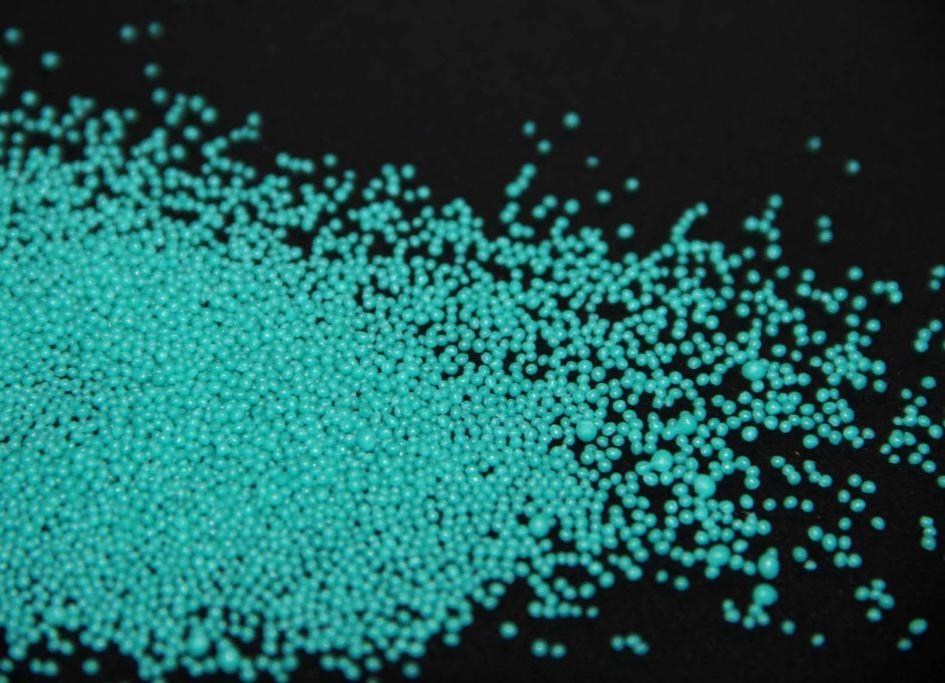
الخرز EPS قد تبدو حبيبات البوليسترين الموسع (EPS) مادة خام صغيرة، لكنها تُحدد الكثير من خصائص المنتج النهائي. قد يطلب المشتري ألواح EPS، أو كتل EPS، أو عبوات EPS، أو ألواح عزل EPS، أو قطع رغوية مصبوبة، إلا أن الجودة الأساسية تبدأ غالبًا من هذه الحبيبات.
كيف تتحول حبيبات EPS إلى منتجات EPS نهائية
لا تُعدّ حبيبات البوليسترين الموسع (EPS) مجرد "مادة خام رغوية"، بل هي أساس تحديد الكثافة، ونسبة التمدد، وقيمة العزل، وجودة السطح، وقوة الضغط، وثبات عملية التشكيل. فعندما يُشير مصنع إلى ضعف قوة لوح البوليسترين الموسع المُصنّع، أو إلى خشونة سطح أحد أجزاء التغليف المُشكّلة، فقد يعود السبب إلى نوعية الحبيبات، أو حجم الجسيمات، أو التحكم بالبخار، أو مدة التقادم، أو ثبات الدفعة.
التمدد المسبق والتحكم في الكثافة
الخطوة الأولى هي التمدد المسبق. تُسخّن حبيبات البوليسترين الموسع بالبخار، ويساعد عامل النفخ الموجود داخلها على تمددها. بعد التمدد، تصبح الحبيبات أكبر حجمًا وأخف وزنًا. وتعتمد الكثافة النهائية على نوع الحبيبات، ونسبة التمدد، وضغط البخار، ومدة التسخين، وإعدادات الجهاز.
هنا تبدأ العديد من مشاكل الإنتاج. إذا لم يكن نوع الخرز مناسبًا للكثافة المستهدفة، فقد يصبح منتج البوليسترين الموسع النهائي لينًا جدًا، أو ثقيلًا جدًا، أو غير مستقر الشكل. على سبيل المثال، قد تحتاج العبوات خفيفة الوزن إلى نسبة تمدد أعلى، بينما قد تحتاج مواد العزل الإنشائية أو الأجزاء المتعلقة بالأحمال إلى قوة أفضل وتحكم أدق في الكثافة.
التقادم واستقرار الخرز
بعد التمدد الأولي، تحتاج الخرزات إلى التعتيق. تساعد هذه الخطوة على استقرار الضغط الداخلي والرطوبة. قد يبدو الأمر بسيطًا، لكن له تأثير كبير على جودة التشكيل.
إذا كانت فترة التقادم قصيرة جدًا، فقد لا تندمج الخرزات جيدًا داخل القالب. وقد ينكمش المنتج النهائي أو يتشوه أو يظهر تماسكًا ضعيفًا. وإذا لم يتم التحكم في الرطوبة، فقد يتغير وقت التشكيل، وقد يصبح السطح النهائي غير مستوٍ.
جودة التشكيل والدمج
أثناء عملية التشكيل، تُملأ القوالب بالخرز المُعتق وتُدمج بالبخار. ينتج عن ذلك ألواح EPS، وكتل EPS، وعبوات EPS، وألواح عزل EPS، وصناديق الأسماك، وصناديق سلسلة التبريد، أو قطع رغوية مصبوبة حسب الطلب.
تحدد جودة الانصهار قوة المنتج وحالة سطحه. يجب أن تتدفق الخرزات الجيدة بسلاسة، وتملأ القالب بشكل صحيح، وتلتصق جيدًا بعد التشكيل بالبخار. قد يؤدي ضعف التدفق أو عدم تجانس حجم الجزيئات إلى ضعف الزوايا، أو خشونة الأسطح، أو اختلافات في الكثافة داخل المنتج.
أهم معايير خرز EPS التي يجب على المشترين التحقق منها
حجم الجسيمات وتوزيع حجمها
يُعدّ حجم الجسيمات من أولى الأمور التي يجب التحقق منها. قد تكون الجسيمات الأكبر حجماً مناسبة للقطع الكبيرة أو الأجزاء المصبوبة بشكل عام. أما الجسيمات الأصغر حجماً، فتُستخدم غالباً للمنتجات ذات الجدران الرقيقة، أو عبوات الصواني، أو الأجزاء التي تتطلب سطحاً أكثر نعومة.
إذا كان توزيع حجم الجسيمات واسعًا جدًا، فقد لا تملأ الخرزات القالب بالتساوي. وقد يحتوي المنتج النهائي على مناطق ضعيفة أو مظهر خشن. وتبرز هذه المشكلة بشكل أكبر في تغليف الأدوات الدقيقة، وتغليف الإلكترونيات، أو الأجزاء الزخرفية.
نسبة التمدد والكثافة النهائية
تؤثر نسبة التمدد على الكثافة والوزن النهائيين. عادةً ما تُنتج نسبة التمدد العالية منتجات أخف وزنًا، ولكنها قد تُقلل من المتانة إذا لم يكن النوع مُصممًا لهذا الاستخدام. أما نسبة التمدد المنخفضة فقد تُنتج منتجات أقوى، ولكنها تزيد أيضًا من الوزن واستهلاك المواد.
درجة مضادة للشعلة
لأغراض عزل المباني، والتغليف الصناعي، وبعض مشاريع التصدير، حبيبات EPS مقاومة للهب قد يكون ذلك مطلوبًا. ينبغي على المشترين الاستفسار عن درجة مقاومة اللهب المتوفرة وما إذا كان من الممكن تقديم تقارير الاختبار.
تشمل فئات منتجات هواشنغ درجة مقاومة للهب، والتي يمكن مراجعتها عند الحاجة إلى التحكم في المواد المتعلقة بالحريق في المشاريع. كما ينبغي على المشترين التحقق مما إذا كان وقت التقادم أو ظروف التشكيل أو الخلط مع مواد أخرى قد يؤثر على أداء مقاومة اللهب.
الموصلية الحرارية وأداء العزل
تُعدّ الموصلية الحرارية عاملاً مهماً في ألواح العزل المصنوعة من البوليسترين الموسع (EPS)، وصناديق التبريد، وعزل الأسقف والجدران، وأنظمة الأرضيات. يعمل البوليسترين الموسع بكفاءة عالية بفضل بنيته ذات الخلايا المغلقة التي تحبس الهواء وتُبطئ انتقال الحرارة، إلا أن جودة حبيباته تؤثر على أداء العزل النهائي.
للحصول على متطلبات عزل أعلى، يمكن للمشترين أيضًا مقارنة المنتجات المصنوعة من الجرافيت. يمكن أن يساعد البوليسترين الموسع المعدل بالجرافيت في تحسين أداء العزل في بعض تطبيقات البناء والتحكم الحراري.
قوة الضغط ومقاومة الصدمات
تعتمد قوة البوليسترين الموسع النهائي على نوع الخرز، والكثافة، والانصهار، والتحكم في عملية التشكيل. تحتاج منتجات التغليف إلى امتصاص الصدمات. قد تحتاج منتجات البناء إلى مقاومة الضغط. قد تحتاج الأجزاء المقولبة للسيارات أو الصناعة إلى المتانة والثبات الأبعاد.
خرز EPS متوافق مع تطبيقات EPS النهائية المختلفة
حبيبات EPS لعزل المباني
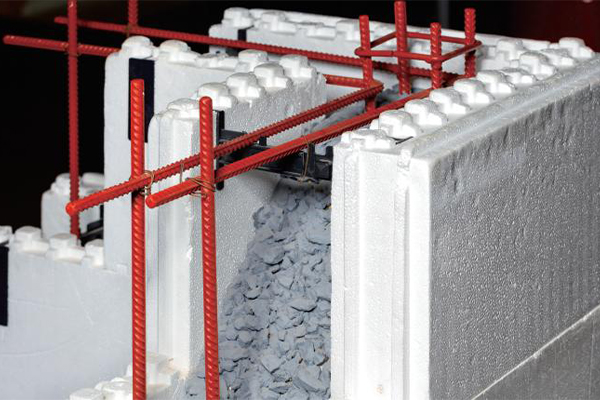
تستخدم صناعة البناء حبيبات البوليسترين الموسع (EPS) في إنتاج الألواح العازلة والجدران والأسقف والأرضيات. ومن المهم أن يأخذ العملاء في الاعتبار الموصلية الحرارية والكثافة ومقاومة الضغط ومقاومة اللهب ومقاومة امتصاص الماء وثبات أبعاد الألواح.
إذا كان المشروع بحاجة إلى دعم في مجال المباني الخضراء، درجة حماية البيئة أو قد يكون من المفيد مراجعة خيارات البوليسترين الموسع المعاد تدويره. إذا كان المشروع يتطلب أداءً حراريًا أعلى، فقد يكون استخدام الجرافيت أكثر ملاءمة.
حبيبات EPS للتغليف الواقي
تتطلب مواد التغليف الواقية خصائص مختلفة للخرز. فالإلكترونيات، والسيراميك، وشاشات العرض، والأجهزة الدقيقة، والمكونات الصناعية تحتاج إلى تبطين وتناسب شكلها. يجب أن يتشكل خرز البوليسترين الموسع (EPS) بسهولة، ويملأ الزوايا، وينتج عنه حشوات واقية ثابتة.
حبيبات EPS لسلسلة التبريد وصناديق الطعام
تتطلب صناديق سلسلة التبريد وتغليف المواد الغذائية عزلًا حراريًا، وخفة وزن، وقوالب ثابتة. أما صناديق المأكولات البحرية، وحاويات الأطعمة الطازجة، وصناديق الخدمات اللوجستية الطبية، فغالبًا ما تتطلب سماكة جدار موثوقة وغطاءً محكمًا.
ينبغي على المشترين التحقق من مدة العزل، وكثافته، وسماكة جدرانه، وتجانس عملية التشكيل، ومتطلبات النظافة. وإذا كان الصندوق سيتعرض للجليد أو التكثيف أو النقل لمسافات طويلة، فينبغي أيضاً مراجعة تصميم امتصاص الماء وإحكام إغلاقه.
خرز EPS للأجزاء الزخرفية والقطع المصبوبة حسب الطلب
مواد البناء الزخرفيةتتطلب قطع الحرف اليدوية، ودعائم العرض، والمنتجات المصبوبة حسب الطلب، جودة سطح عالية وثباتًا في القطع. في هذه الحالة، يصبح اختيار حجم الجسيمات أمرًا بالغ الأهمية. قد يتطلب الحصول على سطح أكثر نعومة استخدام حبيبات أصغر أو توزيعًا أكثر دقة لحجم الجسيمات.
أخطاء شائعة في عمليات شراء حبيبات البوليسترين الموسع (EPS)
الاختيار حسب سعر الوحدة فقط
السعر المنخفض مغرٍ، لكن جودة حبيبات البوليسترين الموسع الرديئة قد تزيد من الهدر. فإذا تمددت الحبيبات بشكل غير متساوٍ أو اندمجت بشكل ضعيف، فقد تخسر المصانع الوقت والمواد أثناء الإنتاج. وهذا يمثل تكلفة حقيقية للطلبات الكبيرة.
تجاهل توافق المعدات
تستخدم المصانع المختلفة أجهزة تمديد مسبقة، وآلات تشكيل، وأنظمة بخار، وظروف تجفيف متباينة. يجب أن تتوافق حبيبات البوليسترين الموسع (EPS) مع معدات المشتري. قبل الشراء بكميات كبيرة، ينبغي على المشترين اختبار الحبيبات على خط إنتاجهم الخاص.
تخطي اختبار العينات قبل الطلبات بالجملة
لا ينبغي إغفال اختبار العينات. يجب على المشترين اختبار سلوك المنتج قبل التمدد، والكثافة النهائية، ودورة التشكيل، وجودة الانصهار، والانكماش، وتشطيب السطح، وقوة المنتج النهائي. يمكن لتجربة صغيرة أن تمنع حدوث مشكلة كبيرة في الطلبية.
عدم التحقق من اتساق الدفعة
يُعدّ اتساق الدفعات أمرًا بالغ الأهمية. ينبغي على المشترين الاستفسار عن كيفية تحكّم المورّد في حجم الجسيمات، وسلوك التمدد، والرطوبة، والتغليف. فإذا كانت إحدى الدفعات جيدة، ثم تغيّرت الدفعة التالية، فقد يتوقف الإنتاج.
كيفية اختيار مورد موثوق لخرز EPS
تحقق من نطاق درجات المنتج
ينبغي للمورد الجيد أن يقدم أكثر من نوع قياسي واحد. قد يحتاج المشترون إلى حبيبات EPS عادية، أو حبيبات EPS مقاومة للهب، أو حبيبات EPS من الجرافيت، أو حبيبات EPS صديقة للبيئة، أو حبيبات من الكربون الأسود، أو حبيبات EPS مصممة حسب الطلب.
هواشنغستشمل مجموعة منتجاتنا أنواعًا مختلفة من الخرز، منها النوع العادي، والنوع المقاوم للهب، والنوع المصنوع من الجرافيت، والنوع الصديق للبيئة، والنوع المصنوع من الكربون الأسود، بالإضافة إلى أنواع REPS المصممة حسب الطلب. وهذا يُسهّل على المشترين اختيار الخرز المناسب لتطبيقاتهم المختلفة.
اطلب البيانات الفنية وتقارير الاختبار
قبل تقديم أي طلب، يُرجى طلب معلومات حول حجم الجسيمات، ونسبة التمدد، والكثافة، والتوصيل الحراري، ودرجة مقاومة اللهب، وقوة الضغط، وتفاصيل السلامة، ومعلومات الاختبار. إذا كان المشروع سيستخدم مواد معاد تدويرها، فيُرجى طلب تفاصيل حول المواد الخام المعاد تدويرها.
مراجعة القدرة الإنتاجية واستقرار التسليم
غالباً ما يتم طلب حبيبات البوليسترين الموسع بكميات كبيرة. يجب على المشتري التأكد من الحد الأدنى للطلب، ووقت التسليم، وعملية التعبئة والتغليف، والتحميل في الحاوية، ووثائق التصدير، وتوافر الإمداد على المدى الطويل.
تأكيد التخصيص والدعم الفني
تتطلب بعض المشاريع أحجام خرز مخصصة، أو كثافة خاصة، أو مواد معدلة، أو تركيبات معاد تدويرها. تقدم شركة هواشنغ هذه المنتجات. حلول رغوة البوليسترين الموسع المعاد تدويرها والمخصصة والخيارات المتعلقة بـ REPS. ينبغي على المشترين الاستفسار عما إذا كان المورد يستطيع دعم تجارب العينات، وتقديم المشورة بشأن معايير الإنتاج، والتواصل الفني لما بعد البيع.
أسئلة متكررة
س1: ما هي العلاقة بين حبيبات EPS ومنتجات EPS النهائية؟
أ1: تُشكّل حبيبات البوليسترين الموسع (EPS) المادة الأساسية لمنتجات البوليسترين الموسع. وتؤثر خصائص هذه الحبيبات، مثل حجم الجسيمات، ونسبة التمدد، والدرجة، ومقاومة التقادم، وأداء التشكيل، تأثيراً مباشراً على خصائص ألواح البوليسترين الموسع، والكتل، والتغليف، والمنتجات المقولبة.
س2: هل يمكن استخدام نوع واحد من حبيبات EPS لجميع منتجات EPS؟
ج٢: لا. تتطلب مواد عزل المباني، وصناديق سلسلة التبريد، والتغليف الواقي، والأجزاء الزخرفية، ومواد التعبئة في الهندسة المدنية، درجات مختلفة من حبيبات البوليسترين الموسع (EPS). يجب على المشترين اختيار درجة الحبيبات المناسبة للاستخدام النهائي للمنتج، وحالة المعدات، ومتطلبات المشروع.
س3: ما الذي يجب على المشترين التأكد منه قبل طلب كميات كبيرة من خرز EPS؟
ج٣: يجب على المشترين التحقق من المواصفات الفنية، والحد الأدنى لكمية الطلب، واختبارات العينات، وإمكانيات التخصيص، ووقت التسليم، وتفاصيل التغليف، وتجانس الدفعة، وخدمات ما بعد البيع. في حال وجود متطلبات خاصة، يُرجى طلب تقارير الاختبار، وتعليمات المعالجة، والموافقة على العينة قبل تقديم الطلب.
 Arabic
  English
  German
  Spanish
  French