
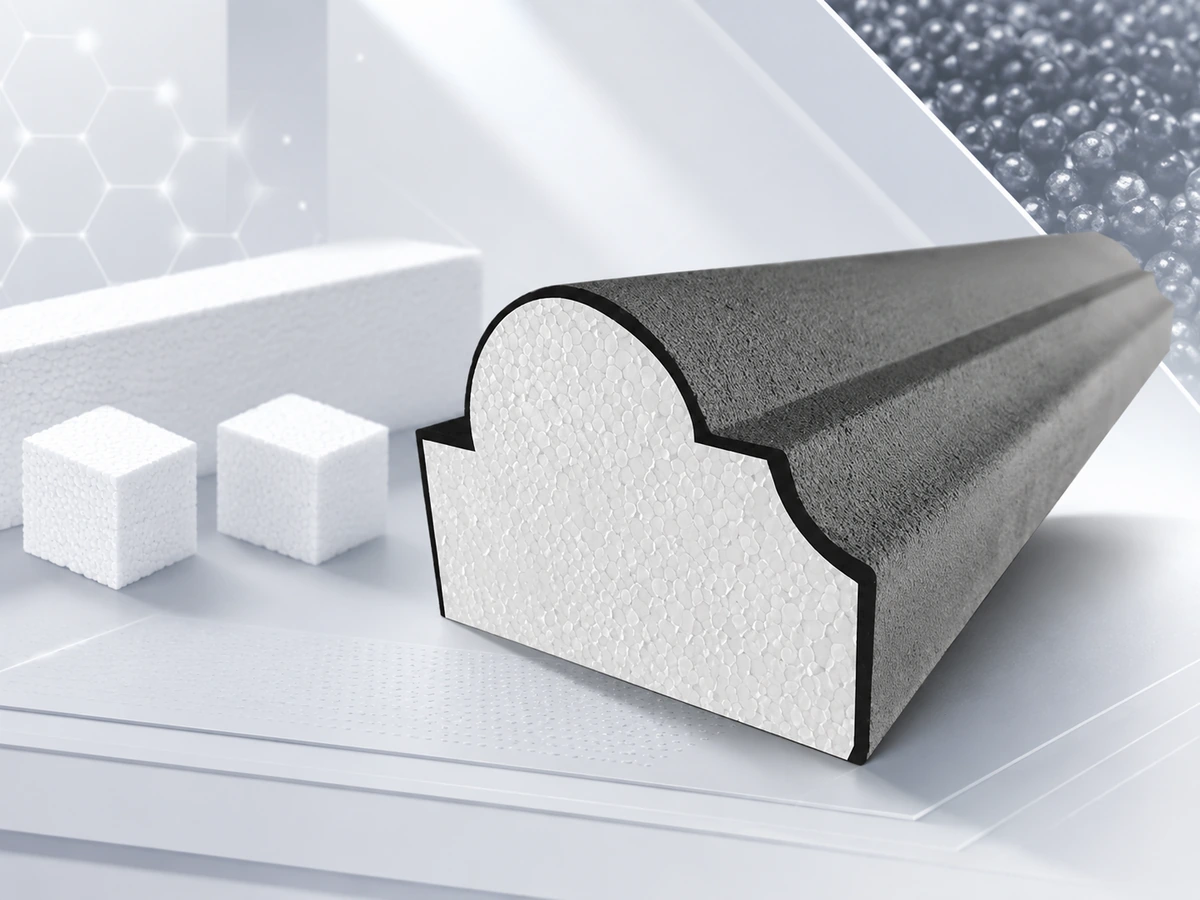
يُعدّ البوليسترين الموسع المقاوم للهب غير المحتوي على مركبات HBCD خيارًا مفيدًا عندما يحتاج المشترون إلى أكثر من مجرد ملصق مقاوم للهب. ففي ألواح العزل، وتغليف الأجهزة الدقيقة، والأجزاء الهيكلية الكهربائية، يجب أن تدعم المادة الامتثال للمعايير، والمعالجة المستقرة، وجودة المنتج النهائي القابلة للتكرار.
لا ينبغي أن يقتصر طلب عروض الأسعار الجيد على "REACH RoHS EPS" أو "EPS صديق للبيئة ومثبط للهب". يحتاج المشترون إلى تحديد السوق المستهدف والتطبيق وحجم الجسيمات ونسبة التمدد الأولى وكثافة القالب ونوع المعدات والترابط والصلابة والاستقرار الأبعاد وهدف مقاومة اللهب قبل أخذ العينات.
مناصب هواشنغ منتج من الدرجة FHE-N-HBCD من هواشنغ يُعدّ هذا المنتج خيارًا عمليًا لبدء مشاريع البوليسترين الموسع (EPS) المصممة لحماية البيئة. فهو يستخدم مثبطات اللهب غير المحتوية على مركبات HBCD، ويتوافق مع متطلبات لوائح REACH وRoHS الصادرة عن الاتحاد الأوروبي، وهو مناسب لمواد عزل الجدران الخارجية، وتغليف الأجهزة الدقيقة، والأجزاء الهيكلية الكهربائية. وفي حال تطلّب المشروع أيضًا استخدام الجرافيت أو الكربون الأسود، درجة مثبط اللهب من الجرافيت FGH-N-HBCD يصبح مسار المقارنة.
لماذا يؤدي ضغط الامتثال إلى تغيير اختيار EPS غير HBCD؟
لم يعد المشترون الذين يحرصون على الامتثال يكتفون بوصف عام للمواد. قد يُطلق على منتج ما اسم EPS مقاوم للهب، لكن المشتري لا يزال بحاجة إلى معرفة ما إذا كانت التركيبة والوثائق وطريقة المعالجة والاستخدام النهائي تتناسب مع المشروع الفعلي.
لا يكفي مجرد وضع ملصق على المادة للحصول على الموافقة.
تبدو العديد من الاستفسارات الأولية بسيطة: "أحتاج إلى مادة EPS مقاومة للهب وخالية من مركبات HBCD للعزل" أو "أحتاج إلى مادة EPS متوافقة مع معايير REACH وRoHS للتغليف". لا يستطيع المورد تحديد المادة المناسبة من هذه الجملة وحدها. قد يركز مشتري ألواح الجدران الخارجية على ثبات الألواح، بينما قد يهتم مشتري مواد التغليف الدقيقة أكثر بجودة الالتصاق، والمظهر، والملاءمة.
يُتيح الاستفسار المُحسّن تحديد الدولة المستهدفة، والتطبيق، وتوقعات الاختبار، والكثافة النهائية، وطريقة المعالجة. وهذا يُحوّل الامتثال من مجرد تسمية عامة إلى مسار عملي للمواد، ويُساعد على تجنب عدم تطابق الوثائق أو التطبيقات بعد أخذ العينات.
يتطلب الأداء المقاوم للهب حالة استخدام محددة
لا تُعدّ خاصية "مقاومة اللهب" نتيجةً واحدةً في جميع الظروف. فسمك اللوح، وكثافة القالب، وإعداد العينة، والتقادم، والتجميع النهائي، كلها عوامل تؤثر على ما يحتاج المشترون إلى تأكيده. بالنسبة لمواد تغليف البوليسترين الموسع (EPS)، قد يكون الشاغل هو استقرار القالب، وقوة القطعة، وموافقة العميل على المستندات.
هنا تبرز أهمية FHE-N-HBCD مقارنةً بالادعاءات البيئية العامة. فهي تمنح المشترين خيارًا محددًا من البوليسترين الموسع (EPS) ذي درجة حماية بيئية عالية، يجمع بين تركيبة خالية من HBCD وتجانس الحبيبات، وسرعة التكوين الرغوي، ودقة الخلايا، والمظهر الجيد، والالتصاق، والقوة، والصلابة، وثبات الأبعاد، والتوافق مع المعدات.
أين يندرج FHE-N-HBCD في مشاريع العزل والتغليف؟
يُعدّ FHE-N-HBCD المعيار الرئيسي الذي يجب مراجعته عندما يحتاج المشترون إلى مادة EPS مثبطة للهب وخالية من HBCD، ولا تحتوي على الجرافيت أو الكربون الأسود. ويمكن ترجمة تفاصيل هذا المنتج إلى عمليات فحص فعلية عند الشراء.
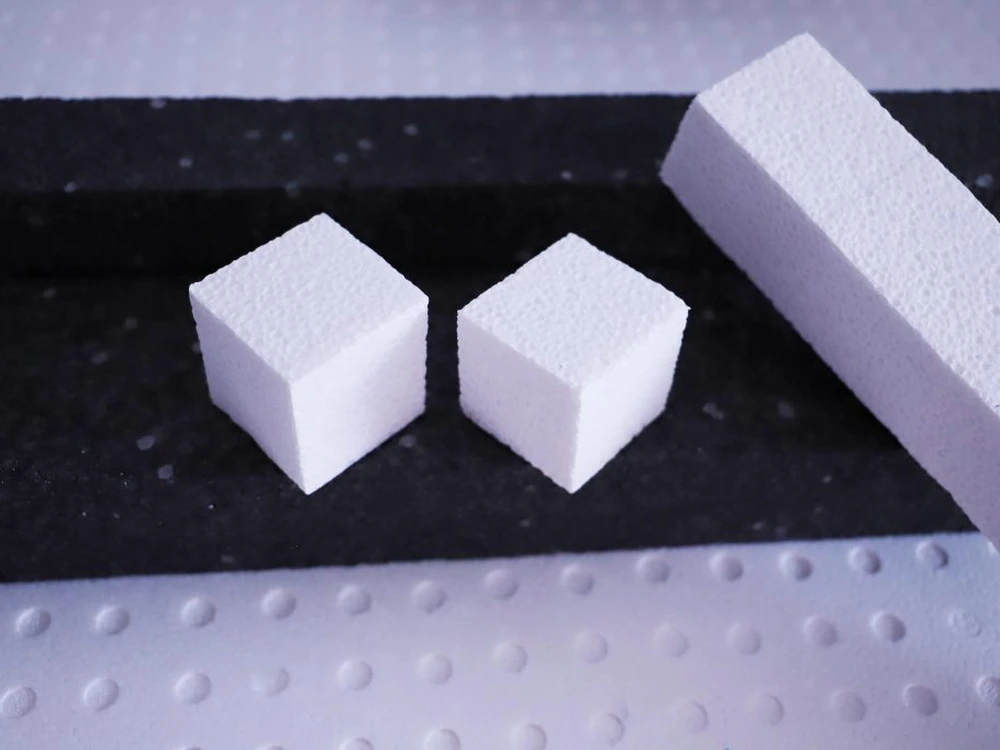
عزل الجدران الخارجية يتطلب ألواحاً ثابتة
في عزل البوليسترين الموسع المقاوم للهب، ينظر المشترون عادةً أولاً إلى الأداء الحراري ومقاومة الحريق. وفي مرحلة الإنتاج، يتعين على المورد أيضاً التحكم في تمدد الخرز، وتماسك الألواح، ومظهر السطح، وثبات الحجم. وقد يؤدي ضعف التماسك إلى الحاجة إلى التشذيب، أو رفض العينات، أو تأخير الموافقة.
يدعم مُنتج FHE-N-HBCD مواد عزل الجدران الخارجية لأنه يجمع بين تركيبة مثبطة للهب خالية من HBCD مع حبيبات متجانسة، ورغوة سريعة، وخلايا دقيقة. تُساعد هذه التفاصيل الألواح على الظهور بمظهر أنظف، وتُوفر للمصانع أساسًا أفضل لتشكيل مستقر. لمزيد من المعلومات حول قرارات العزل ذات الصلة، يُرجى الاطلاع على: دليل أداء العزل الحراري لـ EPS يدعم نفس مجموعة المواضيع.
التغليف الدقيق يتطلب شكلاً وملاءمة قابلة للتكرار
لا يُقاس تغليف الأدوات الدقيقة بالحماية فقط. يجب أن يحافظ الغلاف أو الحشوة المصبوبة على شكلها، ويحمي المنتج، ويضمن ثبات المقاس في جميع الدفعات. قد يؤدي ضعف تدفق الخرز، أو ضعف الالتصاق، أو عدم ثبات الأبعاد إلى ارتخاء الزوايا، أو تساقط الخرز، أو سوء وضع المنتج.
لهذا الاستخدام، يوفر FHE-N-HBCD قيمة عملية للمنتج. فتجانس حبيباته، وسرعة تكوينه للرغوة، ودقة خلاياه، وقوة التصاقه، ومتانته، وصلابته، وثبات أبعاده، كلها عوامل تدعم احتياجات مواد تغليف EPS، وتمنح فرق الشراء سببًا أوضح لاختيار الدرجة المناسبة.
تحتاج الأجزاء الهيكلية الكهربائية إلى انضباط أنظف في استخدام المواد
تتطلب الأجزاء الهيكلية الكهربائية انضباطًا أكبر في اختيار المواد مقارنةً بالرغوة الواقية الشائعة. قد يحتاج المشترون إلى مسار أنظف لمقاومة اللهب، وصلابة ثابتة، ومظهر جيد، وتحكم دقيق في الأبعاد، ومراجعة وثائق العميل قبل إعادة الإنتاج.
يُعدّ FHE-N-HBCD مناسبًا لهذا النقاش لأنه ليس مجرد "EPS صديق للبيئة". بل هو نوع مُحدد من EPS المقاوم للهب وغير المحتوي على HBCD، ويتميز بنطاقات محددة لأحجام الجسيمات، ونطاقات نسبة التمدد الأولى، وتوافق عمليات التصنيع. وهذا يُسهّل على المشترين ربط صفحة المنتج، وطلب عرض الأسعار، والعينة، وملف موافقة العميل.
ما هي عوامل المعالجة التي تؤثر على الموافقة على العينة؟
غالباً ما تبدأ مشاكل العينات قبل الإنتاج. يرسل المشتري استفساراً موجزاً، ويقدم المورد عرض سعر سريعاً، وبعد العينة الأولى فقط يلاحظ الجميع أن الكثافة أو حجم الجسيمات أو المعدات أو متطلبات السطح لم تكن واضحة.
تغيرات حجم الجسيمات في ملء السطح والقالب
تتضمن مادة FHE-N-HBCD نطاقات مختلفة من أحجام الجسيمات، من حبيبات أكبر مثل FHE-101 إلى درجات أصغر مثل FHE-501. يؤثر حجم الجسيمات على كيفية ملء المادة للقالب، ومظهر السطح، وما إذا كان من الممكن تشكيل التفاصيل الدقيقة بشكل نظيف.
بالنسبة لألواح العزل، ينبغي على المشترين تحديد سمك اللوح، وطريقة القطع، والمواصفات المطلوبة للسطح. أما بالنسبة للتغليف الدقيق، فينبغي عليهم تحديد عمق الصينية، وشكل المنتج، ومناطق التركيب الحرجة. وبذلك، يستطيع المورد التوصية بحجم جسيمات أنسب بدلاً من الاعتماد على وصف عام لـ "التغليف" أو "العزل".
نسبة التمدد الأولى تربط بين درجة الأرض والكثافة
تساعد نسبة التمدد الأولى في ربط المادة الخام بالكثافة النهائية للمنتج المصبوب. تتميز مادة FHE-N-HBCD بنطاقات مختلفة لنسبة التمدد الأولى بين مختلف أنواعها، مثل 40-55 للمواصفات الأكبر ونطاقات أقل لأنواع الجزيئات الأصغر. وبدون تحديد الكثافة المستهدفة، قد يختار المورد نوعًا يُنتج رغوة جيدة ولكنه لا يناسب المنتج النهائي.
ينبغي أن يتضمن طلب عرض الأسعار القوي كثافة التشكيل المستهدفة، وسُمك القطعة، ونوع المعدات، والقوة المطلوبة. وهذا أمر بالغ الأهمية عندما يتعين على القطعة تحقيق التوازن بين مقاومة اللهب وثبات الشكل والترابط.
يساهم الترابط والاستقرار البُعدي في تقليل التجارب المتكررة.
إنّ الالتصاق الجيد، والقوة، والصلابة، والثبات الأبعاد ليست مجرد مصطلحات في قائمة المنتجات، بل هي عوامل حاسمة في قدرة القطعة النهائية على تحمل عمليات المناولة والقطع والتجميع وفحص العميل. وقد يؤدي ضعف الالتصاق إلى صعوبة تركيب القطع الداخلية أو الألواح.
إذا كان المشتري قد أجرى بالفعل عدة مراجعات للعينات، فقد تكون المشكلة عدم تطابق بين حجم الجسيمات، ونسبة التمدد، وإعدادات الآلة، ومتطلبات المنتج النهائي. قائمة التحقق من مشتريات مورد EPS يساعد المشترين على طلب المشورة بشأن الدرجة، ووضوح المستندات، والإجابات المتعلقة بالعملية قبل بدء الإنتاج.
متى ينبغي على المشترين مقارنة FHE-N-HBCD و FGH-N-HBCD؟
ينتمي كل من FHE-N-HBCD و FGH-N-HBCD إلى شركة هواشنغ. مجموعة EPS من الدرجة البيئية للحماية, لكنهما ليسا خيارين متماثلين للشراء. يُعدّ FHE-N-HBCD الخيار الأساسي لمشاريع مثبطات اللهب القياسية غير المحتوية على HBCD. أما FGH-N-HBCD، فيُفضّل مقارنته عندما يتطلب المشروع أيضًا قيمةً وظيفيةً للمواد المصنوعة من الجرافيت أو الكربون الأسود.
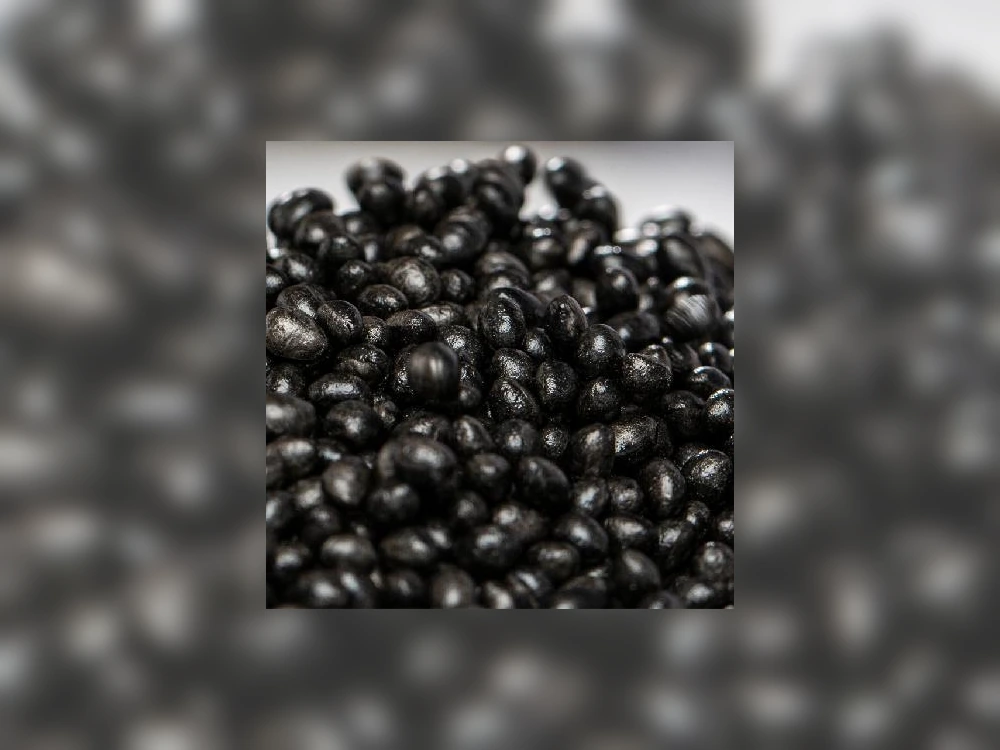
يعمل FHE-N-HBCD كدرجة أساسية لحماية البيئة
يُنصح بمراجعة FHE-N-HBCD أولاً عندما يكون الشاغل الرئيسي هو استخدام EPS مقاوم للهب خالٍ من HBCD مع معالجة مستقرة. فهو يلبي احتياجات المشترين الشائعة في عزل EPS المقاوم للهب، وتغليف الأجهزة الدقيقة، والأجزاء الهيكلية الكهربائية: تركيبة أنظف، ومستوى مقاومة للهب B1، وحبيبات متجانسة، ورغوة سريعة، ومظهر جيد، والتصاق قوي، وقوة، وصلابة، وثبات في الحجم.
هذا يمنح المشترين صورة أوضح من مصطلح "الوقود الموسع الصديق للبيئة". يمكن لفرق المبيعات والهندسة شرح وظيفة هذا النوع من الوقود، ومكانه المناسب، وتفاصيل الإنتاج التي لا تزال بحاجة إلى تأكيد.
يُضيف FGH-N-HBCD وظائف الجرافيت أو الكربون الأسود
يستخدم مُثبِّط اللهب FGH-N-HBCD موادًا أخرى غير HBCD، ولكنه يُضيف أيضًا الجرافيت أو الكربون الأسود أثناء عملية البلمرة بالتعليق. وهذا يُكسب بوليمر البوليسترين خصائص وظيفية إضافية. بالنسبة للمشترين، يُعد هذا الفرق مهمًا عندما لا يقتصر المشروع على طلب مُنتج EPS صديق للبيئة فحسب، بل يتطلب أيضًا قيمة وظيفية للمواد المستخدمة في العزل، أو التغليف الدقيق، أو الأجزاء الهيكلية الكهربائية.
لا تزال المادة تتمتع بخصائص المعالجة الأساسية التي يتوقعها المشترون: حبيبات متجانسة، رغوة سريعة، مقاومة للاشتعال من المستوى B1، خلايا دقيقة، مظهر جيد، التصاق قوي، متانة، صلابة، ثبات الأبعاد، وتوافق مع معدات EPS. ويكمن الاختلاف في أن FGH-N-HBCD يبدأ من مسار مواد أكثر فعالية.
ينبغي أن يتجنب اختيار الدرجة العلمية نقص المواصفات وزيادتها.
يُقلل بعض المشترين من دقة المواصفات لأنهم يكتفون بمقارنة عروض الأسعار الأولية. بينما يُبالغ آخرون في تحديد المواصفات خوفًا من مخاطر الامتثال والأداء. وكلا الأمرين يُؤدي إلى الهدر. فالتقليل من دقة المواصفات قد يُؤدي إلى فشل العينات أو نقص في الوثائق، بينما قد تُؤدي المبالغة في تحديدها إلى زيادة التكلفة دون حل مشكلة التطبيق الحقيقية.
النهج الأكثر عملية هو ببساطة: اختر FHE-N-HBCD عندما يتطلب المشروع بشكل أساسي أداءً قياسيًا لعزل EPS المقاوم للهب بدون HBCD. قارن FGH-N-HBCD عندما تكون وظيفة الجرافيت أو الكربون الأسود جزءًا من متطلبات المنتج. إذا كان المشتري يقارن أيضًا مواد عزل أوسع نطاقًا، مقارنة مشاريع EPS بمشاريع XPS يمكن أن يساعد ذلك في وضع مسار نظام الدفع الإلكتروني ضمن قرار أوسع.
ما الذي يجب على المشترين إدراجه في طلب تقديم العروض؟
ينبغي أن يساعد طلب عرض الأسعار الجيد المورد على تقييم كل من الجودة وطريقة أخذ العينات. لا يشترط أن يكون الطلب طويلاً، ولكن يجب أن يتضمن معلومات كافية لتجنب التوصيات غير المدروسة. يوفر الجدول أدناه للمشترين نقطة انطلاق واضحة.
| بند طلب عرض الأسعار | لماذا يهم ذلك | ما يجب على المشترين التأكد منه |
|---|---|---|
| السوق المستهدف | تختلف متطلبات المستندات باختلاف المنطقة والعميل | البلد، واحتياجات ملف العميل، والطلبات المتعلقة بلوائح REACH/RoHS |
| التطبيق | يحدد ما إذا كان نظام FHE أو FGH أكثر ملاءمة | لوح عازل، تغليف دقيق، جزء هيكلي كهربائي |
| حجم الجسيمات | يؤثر على ملء القالب، والمظهر، وجودة السطح | نطاق درجات FHE أو FGH وتفاصيل الجزء النهائي |
| نسبة التوسع الأولى | يربط سلوك الخرز بالكثافة المصبوبة | الكثافة المستهدفة، وسماكة الجزء، والقوة المطلوبة |
| هدف مقاوم للهب | يتجنب الادعاءات المادية الغامضة | المستوى المطلوب، وظروف الاختبار، وإعداد العينة |
| معدات المعالجة | يُحدث تغييرات في عملية تكوين الرغوة، والتبريد، والترابط، وفك القوالب. | خط التمدد المسبق، نوع القالب، قالب اللوح أو الشكل |
| فحص الأجزاء النهائية | يربط اختيار المواد بالموافقة | الترابط، الصلابة، مظهر السطح، الثبات الأبعاد |
يُسهّل هذا الجدول مقارنة الموردين بشكل أكثر عدلاً. فغالباً ما يؤدي عرض الأسعار السريع الذي يفتقر إلى التفاصيل إلى تأجيل التكلفة الحقيقية إلى وقت لاحق.
هواشنغ تربط مجموعة المنتجات بملاءمة المشروع
تتميز شركة هواشنغ في هذا المجال بتنوع موادها ومنطقها المتوافق مع الدرجات. يشمل نظام منتجاتها الدرجات الشائعة، والدرجات المقاومة للهب، ودرجات الجرافيت، ودرجات البوليسترين الموسع (EPS) الصديقة للبيئة، ودرجات الكربون الأسود، ودرجات البوليسترين الموسع (REPS) المصممة حسب الطلب. الصفحة الرئيسية لمواد HUASHENG EPS يمنح المشترين وسيلة لمقارنة الاحتياجات القياسية غير المتعلقة بـ HBCD، والاحتياجات الوظيفية للجرافيت أو الكربون الأسود، وخيارات مواد EPS الخاصة بالمشروع.
بالنسبة لمشتري الشركات، يمكن أن تبدأ مناقشة الموردين من المنتج النهائي بدلاً من الاقتصار على اسم المادة. يمكن لمشتري مواد العزل مناقشة الكثافة وتوقعات أداء مقاومة الحريق. يمكن لمشتري مواد التغليف مناقشة الملاءمة ووثائق الموافقة. يمكن لمشتري المكونات الكهربائية مناقشة الصلابة، وثبات الأبعاد، والمعدات. وهنا تبرز ميزة تنوع المنتجات كعامل حاسم في عملية الشراء.
استنتاج
تزداد قيمة البوليسترين الموسع المقاوم للهب غير المحتوي على مركبات HBCD عندما يتعامل المشترون مع الامتثال، وسلوك المعالجة، وأداء الاستخدام النهائي كمواصفة واحدة. بالنسبة لعزل البوليسترين الموسع المقاوم للهب، ومواد تغليف البوليسترين الموسع، والأجزاء الهيكلية الكهربائية، ينبغي على المشترين التأكد من السوق المستهدف، والوثائق، وحجم الجسيمات، ونسبة التمدد الأولي، وكثافة القولبة، والمعدات، والترابط، والصلابة، والتحكم في الأبعاد قبل أخذ العينات.
يُعدّ FHE-N-HBCD خيارًا عمليًا للبدء عندما يحتاج المشترون إلى EPS متوافق مع لوائح REACH وRoHS بتركيبة مثبطة للهب خالية من HBCD وسلوك تشكيل مستقر. ويُوفّر FGH-N-HBCD خيارًا إضافيًا عندما تكون قيمة المواد الوظيفية من الجرافيت أو الكربون الأسود جزءًا من المشروع.
إذا كانت مناقشة التوريد الحالية لا تزال تقتصر على اسم الدرجة وسعرها، فيمكن للمشترين أرسل متطلبات المواد بالتفصيل قبل أخذ العينات حتى تتمكن شركة هواشنغ من مراجعة التطبيق والكثافة وحجم الجسيمات والمعدات واحتياجات الوثائق من ظروف الإنتاج الحقيقية.
الأسئلة الشائعة
س1: ما هي استخدامات مادة EPS المقاومة للهب غير المحتوية على HBCD؟
ج1: يتم استخدامه في عزل الجدران الخارجية، وتغليف الأدوات الدقيقة، والأجزاء الهيكلية الكهربائية، وغيرها من المشاريع التي تحتاج إلى خيارات مواد مقاومة للهب أنظف.
س2: هل مادة FHE-N-HBCD مناسبة لمواد تغليف EPS؟
ج2: نعم. يمكن استخدام FHE-N-HBCD لتغليف الأدوات الدقيقة والأجزاء الهيكلية الكهربائية، خاصة عندما تكون الخرزات الموحدة والترابط والصلابة والاستقرار الأبعاد مهمة.
س3: هل يمكن لشركة HUASHENG المساعدة في مقارنة FHE-N-HBCD و FGH-N-HBCD؟
ج3: نعم. يمكن لشركة هواشنغ مراجعة التطبيق والسوق المستهدف وحجم الجسيمات ونسبة التمدد والمعدات واحتياجات الوثائق قبل التوصية بما إذا كان FHE-N-HBCD أو FGH-N-HBCD أكثر ملاءمة.
 Arabic
  English
  German
  Spanish
  French