
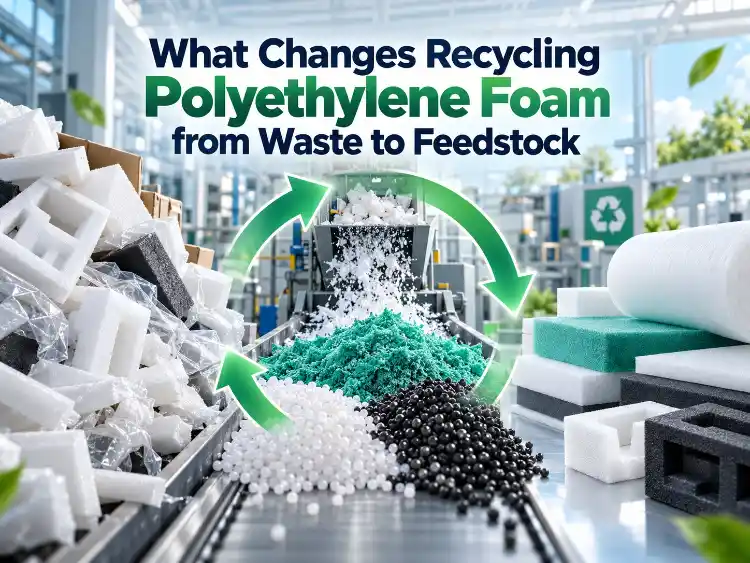
PE foam arrives light and full of air. It rarely arrives clean. Trim, packaging, inserts, sheets, and mixed scrap carry labels, dust, moisture, and other polymers into the stream. Recycling polyethylene foam has to turn that uneven mix into a material a plant can use again.
How To Recycle Polyethylene Foam comes down to control. Control is what separates waste from feedstock. A workable Polyethylene foam recycling program identifies the polymer and source, removes contamination, chooses a transport method, reprocesses consistently, tests the result, and names the next product.
Why Polyethylene Foam Recycling Starts with Material Identity
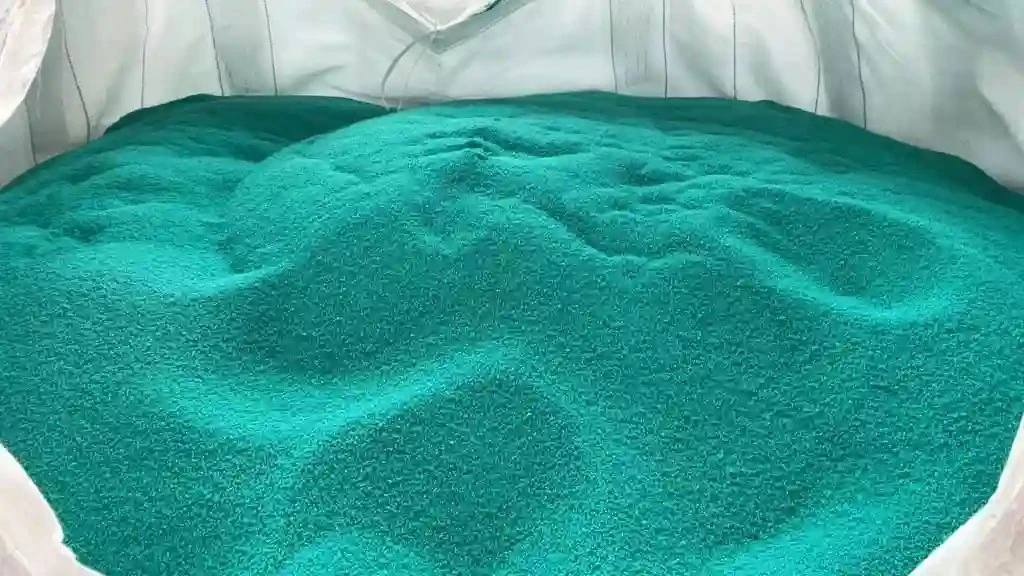
PE foam sits inside the olefin family, yet density, cell structure, flexibility, color, and additives still vary widely. Flexible sheet, rigid board, and thin protective foam can all contain polyethylene and still behave differently when collected or reprocessed.
Material history belongs to the same identity check. Recycling polyethylene foam begins with knowing what entered the stream. Factory trim is usually easier to control than packaging used across warehouses and end customers. Labels, adhesives, coatings, and mixed resins can disrupt the melt or create defects. Unknown input makes output unpredictable.
ASTM D3575-20 sets test methods for flexible closed-cell olefin-polymer materials and blends, while product requirements are handled in a separate specification, ASTM D4819. A test method does not set a finished-product acceptance limit.
What Makes a Polyethylene Foam Stream Recoverable?
A foam stream is recoverable when the material can be collected, prepared, moved, and reprocessed at a cost the next use can support. That is an operating decision, not a claim that every PE foam product can enter a standard recycling bin. EPA guidance says recycling acceptance varies by location; some foam materials need specialized collection or drop-off routes.
Segregation and Contamination Control
Segregation begins at the point where the foam waste is generated. Keep PE foam away from EPS, polypropylene, polyurethane, paper, tape, and general trash when those materials cannot be separated later. Clear labeling at the collection point is more reliable than asking an operator to identify every piece after it has been mixed.
Contamination control can include visual inspection, moisture management, and a defined rejection rule. If a batch contains too much dust, adhesive, or unknown polymer, reprocessing may create weak or inconsistent material. The Program should record what was accepted, what was rejected, and why. That record makes the next batch easier to judge.
The Global Recycled Standard uses third-party certification for recycled content and chain of custody, and it also covers social, environmental, and chemical requirements. Certification still leaves inspection with the receiving site.
Compaction, Densification, and Transport Economics
Foam is mostly air. Loose foam can cost more to move than the recovered polymer is worth. Compaction or densification reduces that volume and makes transport more practical, but the equipment and process must match the foam type and condition.
Rigid foam recycling can tolerate different compaction pressures and transport forms from flexible PE foam, so the equipment choice matters. HUASHENG uses industrial compactors to reduce EPS foam volume for reuse and treats recycled raw materials as part of its production process. The example shows the transport benefit; it does not prove that contamination, polymer identity, or final performance has been controlled. The resulting block still needs a batch record, downstream route, and process specification. When the load moves to another site, the buyer needs the preparation method and quality checks.
How Waste Becomes a Reusable Foam Feedstock
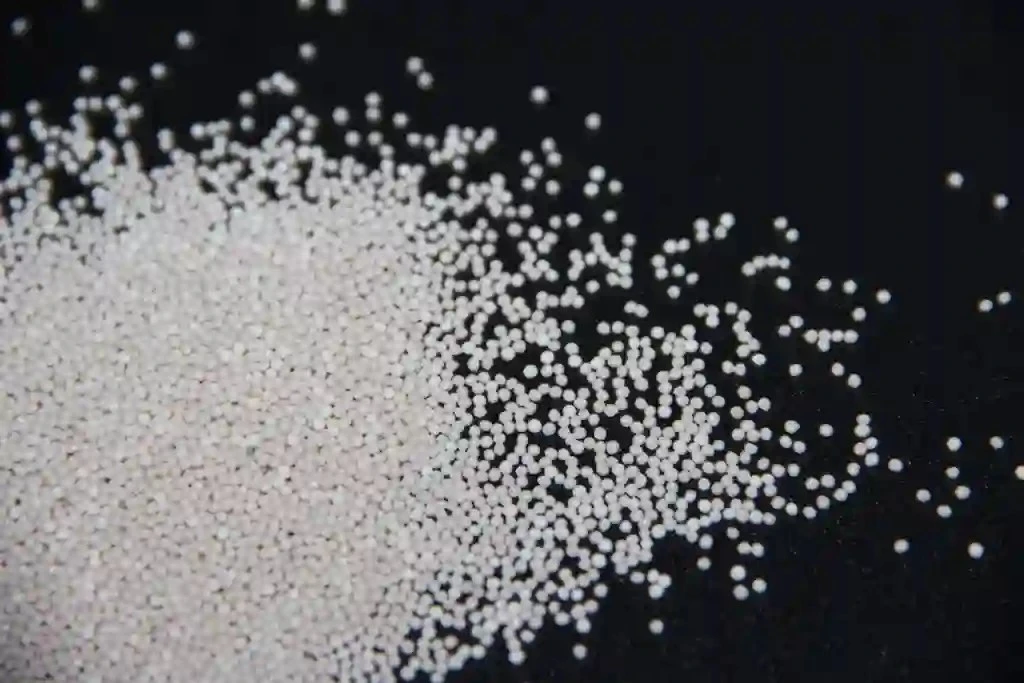
After separation and densification comes conversion. Shredding, grinding, melting, filtering, and pelletizing are possible routes. Polymer type, contamination, reuse target, and available equipment decide the route.
Reprocessing and Quality Control
Reprocessing should be controlled as a production step, not treated as disposal. Operators need target temperatures, throughput, filtration, and cooling conditions. Incoming material should be checked for polymer type, moisture, contamination, and obvious variation before it enters the line.
A program that includes rigid foam recycling should also connect the recovered material to measurable properties. Quality control should connect the recovered material to measurable properties. Depending on the next use, the supplier may test density, compression behavior, tensile or tear properties, dimensional stability, and appearance. Test methods should be recorded with the result. A single visual check cannot establish that a recycled foam feedstock will behave consistently in a new product.
Matching Recycled Feedstock to the Next Product
The same recycled PE foam is not suitable for every application. A material intended for protective packaging may need cushioning and flexural behavior, while a board or molded product may need different stiffness and dimensional control. The next-use requirement should be written before the recycling process is approved.
A sample trial is useful when it connects the recovered material to the actual production conditions. Start with the intended product, process, thickness, and load condition. Then decide which properties must be tested and which variation is acceptable. If the application is not defined, a low price or a high recycled-content percentage does not answer the material question.
For broader industrial recovery context, see the industrially recycled foam process. The page describes EPS recycling, so it should be read as an adjacent process example rather than proof that polyethylene and polystyrene foam are interchangeable.
What Safety and Handling Questions Matter?
Is polyethylene foam hazardous? The polymer name does not answer it. The finished foam is a manufactured article, but its additives, dust, fire behavior, and processing temperatures still require workplace controls. An industrial recycling program should use current safety data, local requirements, and equipment instructions.
Dust and fine particles may need capture or housekeeping controls. Heat-based reprocessing can require ventilation, temperature limits, and fire controls. Keep stored material away from incompatible waste and uncontrolled ignition. This is routine process safety, not a claim that every PE foam stream presents the same risk.
Workers also need clear instructions for handling compressed or densified material. A densified block can be heavy even when the foam is light in its original form. Compressed blocks need lifting and conveying rules that match their weight and shape. Run the safety review before scale-up, not after an incident.
How Buyers Verify a Recycled Foam Supply
Verify the material and the process behind it. Request polymer basis, source stream, contamination limits, recycled-content calculation, and chain-of-custody records. For a certificate claim, confirm the covered material and supplying site.
Ask how the supplier controls batch variation and whether the route includes recycling polyethylene foam at a controlled scale. The answer should include incoming inspection, process settings, test methods, retained samples, and a rule for nonconforming material. For a recycled foam feedstock, density, compression behavior, moisture, and contamination may all affect the next production run. The buyer needs to know which values are controlled and which are only estimated.
HUASHENG documents industrial recycling activity, compaction equipment, and a recyclable material development direction. That evidence supports a discussion of practical recycling capability, but it does not make every PE foam and EPS material chemically identical. Keep the product family and intended reuse explicit when reviewing recycled material development.
What an Industrial Recycling Program Should Specify
A workable Polyethylene foam recycling program begins with an acceptance protocol. Define which PE foam sources are allowed, how they are labeled, who inspects them, and what contamination level causes rejection. Include storage conditions and a maximum holding time if moisture or odor can change the material.
Next define the conversion route. Record whether the material will be compacted, densified, ground, melted, filtered, or pelletized, and identify the equipment and operating window. State how the output will be sampled and which properties will be tested before it is released to the next use.
The program should also define the commercial chain. Identify the collection point, transport method, reprocessing site, buyer, and approved end use. A recovered material that has no defined next product is still waste handling, even if it has been compressed into blocks.
Finally, include change control. If the incoming source, additive package, reprocessing equipment, or end-use requirement changes, the approval should be reviewed. Record the change, test the new condition, and compare it with the prior batch. That discipline turns a one-time recycling trial into a repeatable supply route. Product development teams can also review customized foam development when the next use requires a specific format or performance target.
Conclusion
Polyethylene foam becomes feedstock only after its identity, source, contamination, transport form, reprocessing route, quality evidence, and next use are connected. Densification is useful, but it is only one step. The practical test is whether the recovered material can meet a defined application and repeat that result across batches. Document those controls before scaling the program, and contact HUASHENG if the intended recovery route needs to be matched to a specific foam application.
FAQs
Q1: How To Recycle Polyethylene Foam without contaminating the next batch?
A1: Begin with the polymer and source stream. Remove incompatible polymers and obvious contamination. Then confirm the material can be inspected, compacted, transported, and reprocessed within the program.
Q2: Is polyethylene foam hazardous?
A2: The polymer name alone does not answer the question. Additives, dust, heat, and equipment conditions determine the handling controls, so use current safety data and local requirements. Densification itself changes transport volume, not material quality.
Q3: Which records should a buyer request from a foam recycler?
A3: Ask for polymer and source identification, contamination limits, recycled-content or chain-of-custody records, batch identification, reprocessing conditions, test methods and results, and the procedure for handling nonconforming material.
 English
  German
  Spanish
  French
  Arabic