
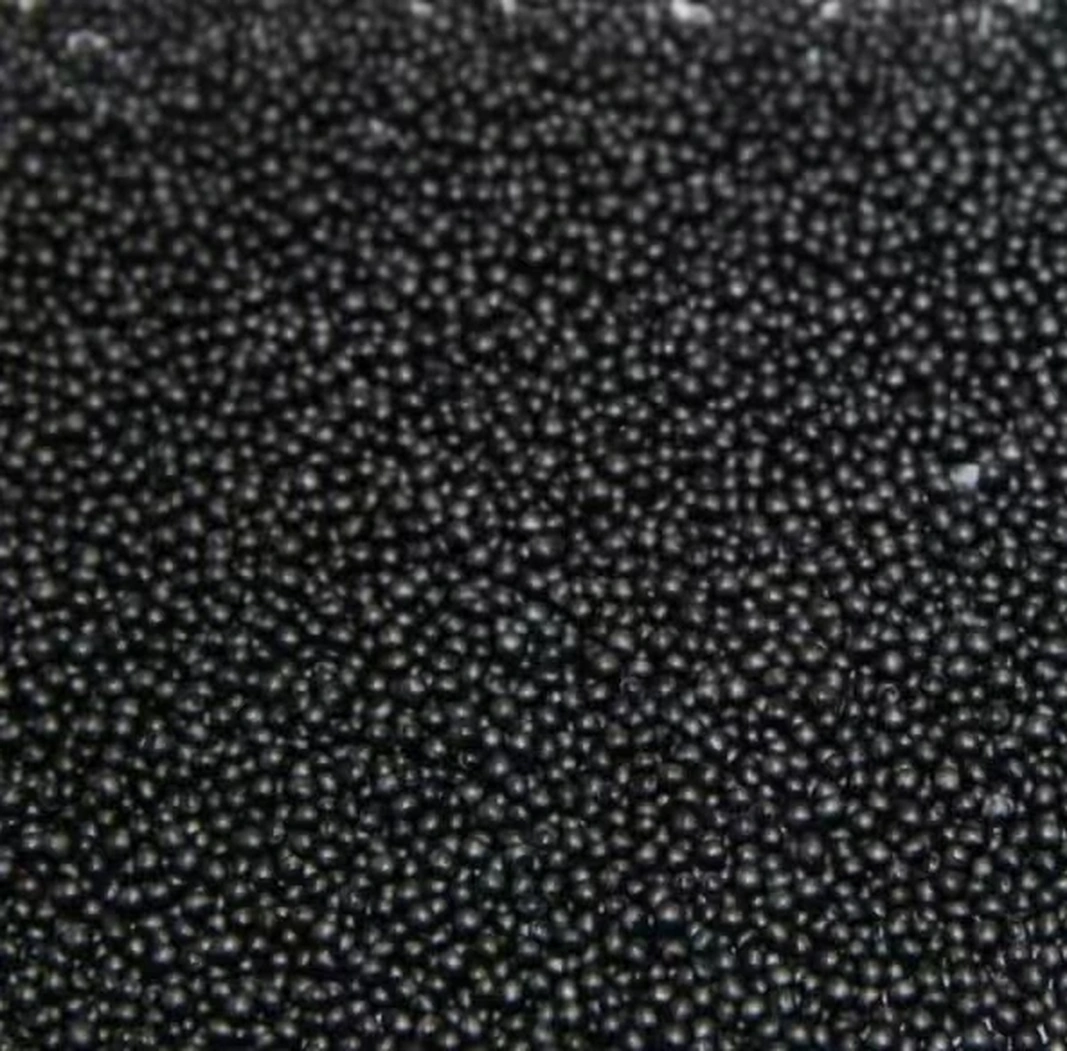
EPS filling material works wonderfully when a shipping carton contains too much open space. That extra room allows items to shift around dangerously during transit. However, you cannot expect this material to handle every single protective task all by itself. Sure, loose fill easily occupies empty gaps. It successfully limits unwanted movement inside the box. Still, it is not a magic replacement for a custom-shaped, rigid insert. Rigid inserts hold heavy items securely. They also support delicate items directly at highly specific, controlled contact points. Therefore, buyers achieve much better outcomes when they write highly detailed specifications. You need to explicitly describe exactly what parts must remain completely stationary. You also need to explain precisely where the fill should go. Finally, always outline how warehouse workers and shipping carriers will actually handle the fully packed unit.
HUASHENG proudly lists its G special grade specifically for filling material and intricate handicrafts. Their production process is deeply tailored to meet exact customer requirements. Because of this custom approach, your starting point should always be a detailed application brief. Do not just pick a random size from a generic catalog. You should do some homework before requesting physical samples. First, carefully map out the empty void inside your box. Calculate the exact product mass. Identify any highly sensitive or breakable features. Examine the carton’s dimensions. Finally, review your planned packing method. Only after gathering this data should you qualify the fill using the actual, real-world package.
A truly useful EPS loose fill packaging brief must do something else. It clearly distinguishes basic EPS void fill from a heavy-duty structural insert. You must boldly state the material’s primary job. Does it merely close an annoying air gap? Does it exist to block sideways, lateral movement? Or, does it absolutely have to cushion a very specific, hard impact? When dealing with fragile product packaging, you must be incredibly specific. Clearly name the exact product surface that absolutely cannot be rubbed or scratched. Point out the delicate component that cannot bear any top-down weight. Also, define the exact amount of shifting or movement that remains acceptable after normal handling. Using this precise language saves you from a common trap. It prevents a cheap, low-cost void-fill trial from failing simply because someone secretly expected heavy-duty cushioning. Furthermore, it provides your custom supplier with a crystal-clear roadmap. They can then propose the perfect material form and the most accurate testing method.
What Job Should EPS Filling Material Perform in the Carton?
Before you even think about selecting a specific material, define the exact job it must perform. A filler that successfully removes empty air space might still be the completely wrong choice for a load-bearing support task.
Separate void filling from load-bearing cushioning
Void filling primarily addresses empty volume inside a box. It acts to physically restrict unwanted movement once the carton is taped shut and handled properly. Load-bearing cushioning, on the other hand, performs a wildly different job. Cushioning must actively distribute heavy physical forces across defined contact areas. It essentially protects a product from harsh drops, sudden impacts, or crushing warehouse stacking loads. If you pour loose material into a box, it will naturally settle over time. It might even slowly move away from a highly sensitive product edge due to transit vibrations. Therefore, you should never blindly assume that poured fill will provide reliable, repeatable protection against a highly concentrated, heavy load.
Always start your evaluation by identifying the most dominant failure mode. Why do your products normally break? Is the item getting scuffed up simply because it slides around too much? Is the casing cracking because it violently slams into the hard carton wall? Or, is the chassis distorting because a massive amount of weight is bearing down on one single, tiny point? If your main risk is just a large, oversized gap surrounding relatively tough, robust goods, then a simple filling material trial makes perfect sense. However, suppose your product features a delicate glass lens, a brittle ceramic neck, or a weirdly projecting handle. If it possesses any other highly fragile zone, you must pause. You should strongly consider using a rigid, shaped support block instead. Alternatively, you could use a hybrid combination of custom-shaped supports alongside loose void fill. After designing this mixed solution, make sure to vigorously test the entire package as one complete, integrated system.
For further context on industry solutions, you can explore various options for EPS loose fill packaging.
Which Product and Carton Details Belong in the Specification?
Once the exact protection role is crystal clear, you can move forward. Your engineering drawings and your specific pack-out instructions can finally show everyone exactly where the fill needs to go.
Map the void, contact points, and packing sequence
Always provide a highly detailed drawing or high-resolution photographs of the actual product. You should also include images of the fully packed carton. Make sure to clearly list the exact dimensions and the total physical weight. If you know the exact center of gravity, include that crucial data point, too. Explicitly highlight the specific parts that must never take a direct, physical hit. Next, show the carton’s true internal dimensions. Illustrate the outer-case stacking arrangement. State your planned, ideal amount of internal headspace. A surprisingly simple side-view sketch can reveal a lot of hidden issues. It can quickly show whether the loose fill has a clean, clear path to flow into the deep gaps. Alternatively, it might reveal that the human packer will be forced to clumsily push the material around a highly delicate feature by hand.
You must also describe the exact, step-by-step packing sequence. Tell the team which specific surface gets supported first. Note whether the loose fill is poured into the box before or after the main product is physically placed inside. Explain exactly how the carton gets taped and closed. Also, mention whether the carton might be reopened and repacked later during customs inspections or retail staging. These granular details matter a great deal. A perfect, pristine lab sample can behave drastically differently on a chaotic, fast-paced factory packing line. For example, imagine an operator constantly needs to aggressively shake the box, compress the contents, or blindly add an uncertain, random amount of fill just to stop a rattling noise. If that happens, your official work instruction is clearly not yet repeatable or reliable.
Define handling, cleanliness, static, and settling concerns
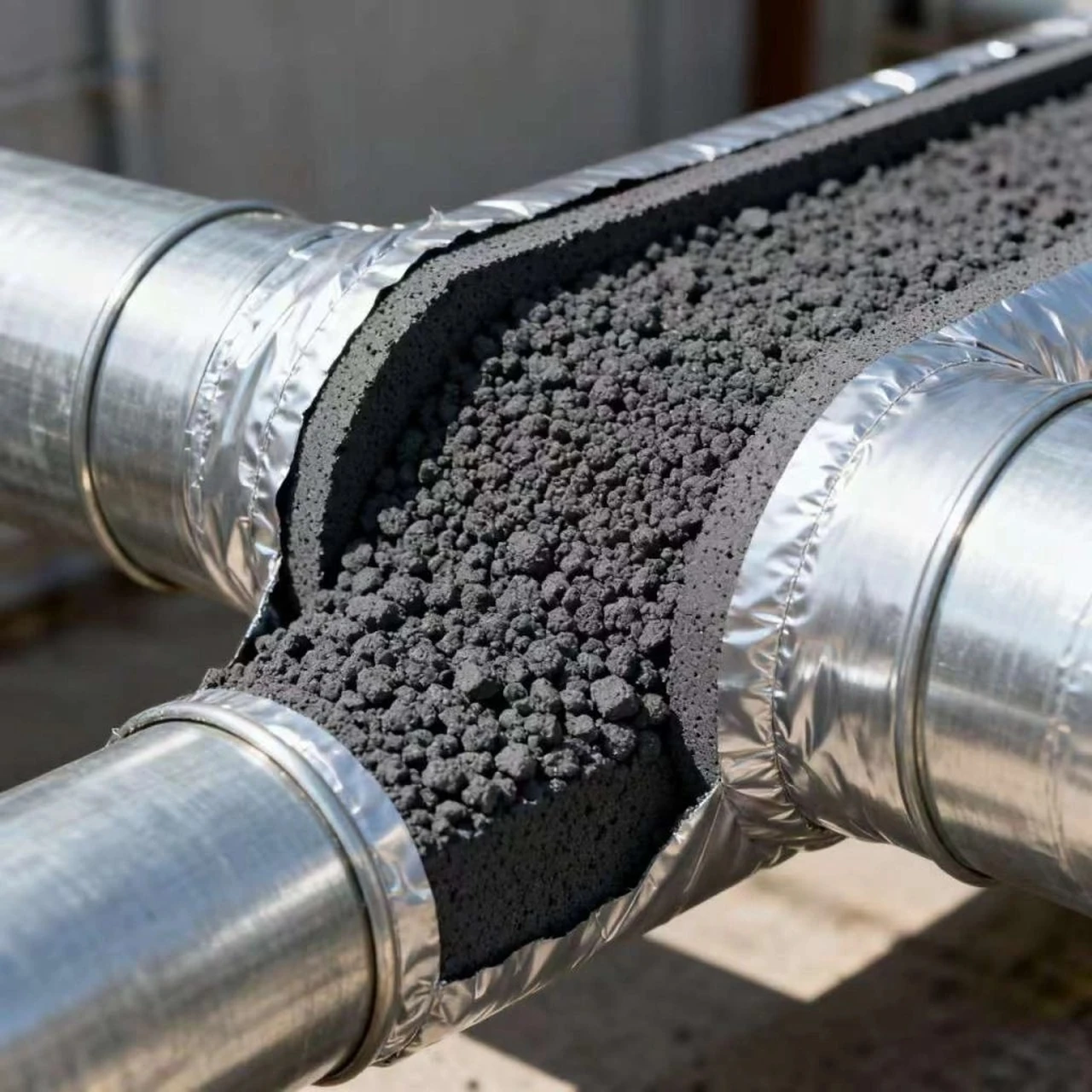
Next, clearly list the intended shipping route and the overall physical environment. Will it travel as a single parcel or strapped tightly to a massive wooden pallet? Will it pass through rough, automated transfer hubs? List all the likely orientation changes it will suffer. Note the expected warehouse storage period and the extreme temperature ranges it will endure. Don’t forget to mention the maximum stacking heights. After that, identify your strict operational requirements. These include strict particle containment rules, overall dust tolerance, and static electricity sensitivity. You might even have rules about material color, local disposal regulations, or facility reuse practices. Never just blindly assume that a generic EPS filler possesses a specific antistatic rating or a magical anti-abrasion behavior. Always wait until your chosen supplier explicitly confirms it. Then, thoroughly verify that claim with a real-world application test.
A truly useful Request for Quotation (RFQ) states your final acceptance criteria in highly observable, measurable terms. You should measure actual product movement after a rough handling test. Evaluate the final carton closure integrity. Look for visible surface abrasion or shattered, broken parts. Check for any messy fill escape leaking from the seams. Finally, declare exactly how much manual rework is deemed acceptable by your management team. Whenever you use standard drop tests or heavy vibration tests, always name the exact test method used. Describe the precise package configuration. This transparency allows your purchasing department, the packaging engineering team, and the material supplier to all evaluate the exact same, standardized outcome. This is infinitely better than subjectively arguing over vague, meaningless phrases like “good cushioning.”
How Should Buyers Qualify EPS Loose Fill Before a Bulk Order?
A written specification only becomes truly credible after a physical test. You need a highly repeatable sample pack that can be rigorously checked against your agreed-upon acceptance criteria.
Use an application sample and repeatable pack-out
Always run your initial trial using real, production-intent cartons. Include the actual cardboard dividers, the final shipping labels, and the exact, real-world packing steps. Do not just use one person. Ask multiple different operators to pack several sample boxes using your draft work instructions. Once the agreed-upon handling and dropping sequence is totally finished, carefully inspect those same vulnerable product features. Meticulously record whether the delicate product shifted, rubbed against the walls, or aggressively contacted the outer carton. If you plan to reuse these test packages, definitely note that fact in your report. Keep in mind that a highly successful first pack does not automatically guarantee repeatable, safe return handling down the line.
You should always compare a basic, unpadded baseline package directly with your proposed fill arrangement. Take the time to record the exact amount of material used. Measure the total packing time required per box. Weigh the final carton. Note any specific damage observations. Finally, record the time spent on any messy cleanup or tedious repacking. If noticeable damage magically appears during the test, stop. Inspect the actual physical contact pattern carefully. Do this instead of merely, lazily adding more fill to the box. Pumping a significantly larger quantity of loose foam into the box might just drastically increase the overall package weight. It often does this without actually fixing the dangerous gap located right at the critical impact point. If your heavy load desperately needs a firmly defined, rigid support surface, then you must redesign that specific support. Do this rather than stubbornly expecting loose, free-flowing fill to magically transform into a solid, molded cushion.
When Does a Custom G-Grade Filling Material Make Sense?
Material customization becomes incredibly useful when your initial trial identifies a highly specific, stubborn mismatch. It is perfect for problems that off-the-shelf, standard material simply cannot solve.
Ask for the properties that matter instead of a guessed size
A custom-engineered filling material is absolutely worth discussing in several scenarios. It makes sense when the weird void shape, the required rapid packing rate, the strict product movement limits, or the chaotic line handling simply is not served well by your current, standard approach. HUASHENG explicitly describes its G grade foam as being specially produced entirely according to specific customer needs. It is highly suitable for premium filling material and delicate handicrafts. Interestingly, its official product description does not explicitly provide a rigid, standard particle-size range. It also omits a generic, universal protective-performance value. Because of this, smart buyers should proactively request those exact, granular details tailored for their specifically proposed application. Never just blindly assume them based on past experiences.
When you reach out, make sure to send the complete product and carton engineering drawings. Highlight the highly fragile zones. Outline the step-by-step packing sequence. Detail the shipping route. Mention your target fill amount, assuming it is already known. Finally, list any strict static or cleanliness limits your facility demands. Ask the supplier to formally propose the ideal material form. Ask them to build a comprehensive sample testing plan. Then, collectively agree on exactly how the physical fit, the internal movement, the handling time, and the eventual transit damage will actually be checked and measured. Reviewing HUASHENG’s customized EPS material route can greatly help you frame a highly productive, project-specific discussion. Meanwhile, their broader EPS product overview easily helps buyers accurately identify which exact material family they should evaluate first.
FAQs
Q1: Can EPS loose fill successfully replace a custom molded insert for every single fragile product?
A1: No, it absolutely cannot. While loose fill can easily occupy empty voids and air gaps, it has limits. Highly concentrated heavy loads or sharply fragile contact points often desperately need a rigid, custom-shaped support. You must always physically test the full, complete package to be absolutely sure.
Q2: What specific information should I always provide when requesting G-grade EPS filling material?
A2: You should proactively send the exact product and carton dimensions. Include the total physical weight. Map out all highly fragile zones. Detail the step-by-step factory packing sequence. Map the expected shipping route. Finally, outline any strict static, cleanliness, or facility fill-containment limits you require.
Q3: Is there a standard, universal particle size for HUASHENG G grade material? A3: No. The publicly available product description clearly states that the G grade is custom-made entirely to strict customer requirements. Therefore, it does not state a basic, standard particle-size range. You must explicitly request the proposed, customized specification directly tailored for your unique application.
 English
 German
 Spanish
 French
 Arabic