
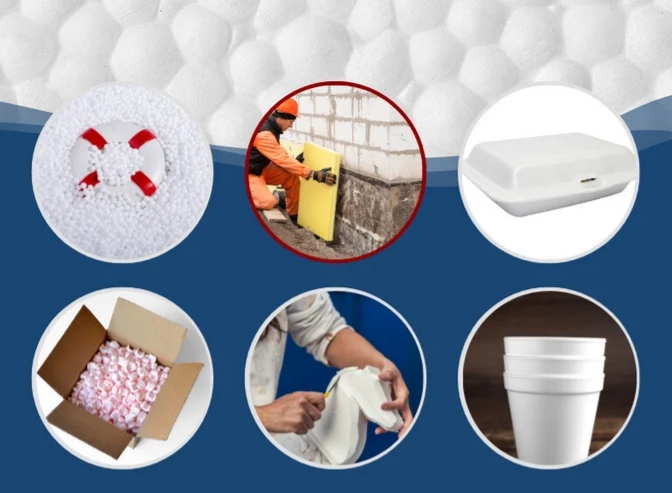
EPS blocks go beyond basic protective packaging these days. Their light weight, reliable insulation qualities, and simple shaping features make them handy in building projects, cold storage transport, item safeguarding, and custom foam uses. The next part explores how EPS blocks meet both support needs and heat-blocking roles in various fields.
Structural and Insulation Applications of EPS Blocks
Expanded Polystyrene (EPS) blocks are changing modern building work with their light but strong traits. As a smart foam type, EPS mixes solid support with great heat blocking. This makes it key for civil projects and green building designs.
EPS Blocks as Lightweight Structural Fill
EPS blocks often take the place of regular soil or gravel fills in raised ground and base layers. Their very low weight cuts down the pressure on soils below. As a result, it lowers risks of sinking and boosts stability in soft ground spots. P-extra light material is a common type of EPS. It works well with automatic vacuum forming machines, standard lifting hydraulic presses, and various large sheet machines. This is a high-foaming raw material. It can foam in one step to create lighter-weight bubble bits. These traits suit spots with hard access where big machines can’t move easily.
In jobs that need quick setup, EPS blocks speed up building schedules. They skip the need for soil packing or drying times. Plus, the light weight eases moving and handling at the site. This cuts total costs for projects. At the same time, it keeps design options open.
Thermal Insulation for Walls and Roofs
EPS blocks offer strong resistance to heat flow. This boosts energy savings in buildings by cutting heat movement through walls, floors, and roof setups. FGE-graphite polystyrene (suspension method) fits well for heat blocking in building and factory uses. During suspension polymerization, makers add graphite to the polymer. This gives the polystyrene special traits. The improved mix lowers heat flow rates. Yet, it holds good size stability for a long time.
Also, special types like graphite-modified ones, such as HUASHENG’s S-33 Graphite Polystyrene (Extrusion Method), give even better results. They provide up to 20% better blocking power than regular EPS. These blocks pair nicely with many surface finishes, like plaster, concrete coats, or metal sheets. So, designers can fit them into modern front designs without losing looks or safety rules.
EPS Blocks in Road and Bridge Construction
Building roads and bridges now often uses light fill options like EPS. This comes from their toughness and simple setup. Such uses show how foam materials can swap out old aggregates. And they keep strong reliability in tough settings.
Application in Road Embankments
EPS acts as a solid stand-in for standard fill in raised road areas. Its low weight eases side pressure on holding walls and buried pipes. Meanwhile, it spreads loads evenly over the base layer. FSH-European standard flame retardant grade suits heat blocking in building and factory work, plus passive house insulation. It foams evenly and cures quickly. The material yield beats the old B1 grade. Also, its crush strength is over 20% higher than other types. Without needing to pack it down, projects finish much faster. This helps a lot in road widening or city rebuild jobs where time matters most.
Use in Bridge Abutments and Approach Fills
EPS in bridge ends fills cuts and uneven sinking between bridge tops and nearby roads. It does this by spreading loads smoothly over different soil types. These materials stay steady even with repeated loads from vehicle shakes or weather shifts. Their sealed-cell design fights off water uptake and freeze swelling over years. These are main points for keeping structures lasting in rough weather.
EPS Blocks for Building Foundations and Subgrade Stabilization
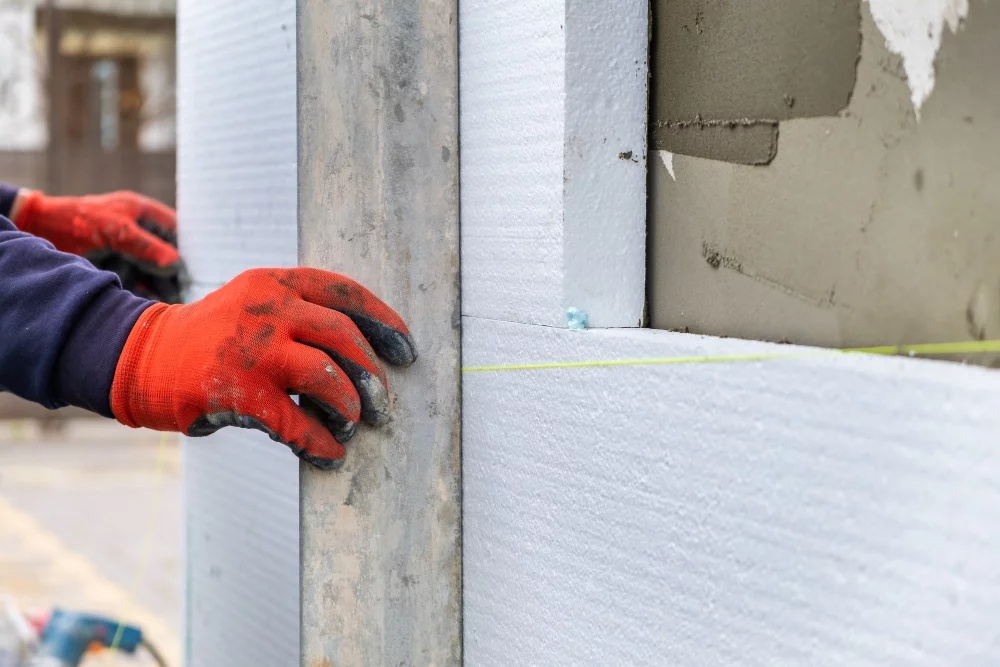
EPS blocks also help a lot under buildings where filling gaps or steadying slopes is needed. Their good strength-to-weight balance and flexibility make them vital for new builds and fix-up work.
Foundation Void Filling and Load Reduction
Placed under slabs or near base parts, EPS blocks lower total building weights without losing strength. E-standard material is a common EPS type. It fits automatic vacuum-forming machines, electric-drive forming machines, and standard lifting hydraulic presses. This feature lets engineers plan bases that hold up well. Even on soft soils or filled land that might sink, they work fine.
Slope Stabilization and Retaining Structures
As light backfill behind holding walls or raised areas, EPS reduces side soil push. It also stops erosion on sharp slopes. The block shape allows fast placement over gravel options. Thus, it fits well for fixing slides or hill builds where reaching is tough.
Acoustic and Vibration Control Applications of EPS Blocks
EPS does more than support structures. It aids sound comfort and shake control in places like performance halls, recording rooms, plants, or home areas.
Noise Reduction in Building Enclosures
The sealed cells in EPS soak up sound waves in the air well. This cuts noise passing between rooms or levels in buildings. Graphite-boosted types improve sound blocking more. Their thicker setup quiets echoes better.
Vibration Damping in Industrial Settings
Factory machines often create steady shakes that can wear out parts over time if unchecked. Adding EPS layers under machine stands cuts off shake sources from nearby builds. This leads to safer work spots through careful stake management plans.
Sustainable Construction Practices Using EPS Blocks
Green practices now guide most engineering choices. And better foam techs are pushing toward reuse economy ways.
Recyclability and Environmental Benefits of EPS Materials
HUASHENG recycles 300,000 tons of EPS each year. This saves 1,500,000 tons of crude oil and 1,200,000 tons of carbon dioxide. By adding reused parts to fresh items like FHE-N-HBCD Flame Retardant Grade, makers cut waste in dumps. They also lower carbon output in the making stages versus old mineral blockers. Low-energy manufacturing steps, along with solvent-reuse methods, meet world green rules like EU REACH and UL 2809 approvals.
Long-Term Performance and Maintenance Advantages
EPS shows great lasting power against water soak, mold spread, chemical wear, or sun damage. So, it needs little upkeep over its full use time. The thermal conductivity of S-32 is less than 0.032 W/M.K.; ordinary EPS thermal conductivity is 0.039 W/M.K.; S-32 improves insulation performance by more than 25%. Its steady heat blocking keeps inside spaces comfy all year. Plus, it holds mechanical power even after many years. This makes it a top pick for designers seeking green certs like LEED Gold.
FAQ
Q1: What makes EPS blocks preferable over traditional soil fills?
A1: Their very light makeup cuts down stress a lot. It also eases moving during setup. And they speed up building times since no packing is required.
Q2: How do graphite-modified EPS materials enhance insulation?
A2: Graphite bits bounce back heat rays inside foam cells. This drops heat flow by up to 25%. So, it boosts energy savings in building shells.
Q3: Are HUASHENG’s eco-friendly materials supported by verified certifications?
A3: Yes, HUASHENG, a certified producer under ISO 14067 and GRS standards, offers recyclable flame-retardant products such as FHE-N-HBCD grade that meet global environmental compliance requirements while delivering superior performance in sustainable construction projects.
 English
  German
  Spanish
  French
  Arabic