
Les poufs peuvent paraître bien remplis et offrir un bon soutien à la sortie d'usine, puis perdre en hauteur et en confort après quelques semaines ou mois d'utilisation. Ce phénomène est en partie normal : les billes se tassent en comblant les espaces plus étroits. Cependant, un aplatissement plus rapide ou irrégulier peut aussi indiquer une compression permanente des billes, une expansion excessive, une densité de livraison inadaptée, une taille de billes non uniforme, un sous-remplissage, des fuites au niveau des coutures ou une mauvaise répartition du rembourrage à l'intérieur de la housse.
Pour les fabricants et les importateurs, les billes de polystyrène pour poufs doivent donc être considérées comme un système de remplissage plutôt que comme un matériau bon marché vendu à l'unité. HUASHENG Qualité Spéciale (Matériau de Remplissage) G est un matériau de remplissage EPS personnalisé Grâce à une densité et une granulométrie personnalisables, des particules homogènes, une bonne fluidité et un amorti léger, et en combinant ces caractéristiques avec les capacités de recherche, de production, d'analyse d'application, de développement d'échantillons, de fabrication intelligente et de tests de précision de HUASHENG dans le domaine du PSE, l'acheteur peut définir un cahier des charges reproductible avant de passer du remplissage d'essai à la production en série.
Pourquoi le rembourrage des poufs perd-il du volume ?
Le tassement initial réorganise les espaces d'air entre les billes
Les poufs fraîchement remplis contiennent de nombreux espaces d'air irréguliers entre les billes. Le fait de s'asseoir, de soulever, de retourner et de transporter le garnissage le tasse, ce qui peut entraîner une légère perte de volume initial sans que les billes elles-mêmes ne soient endommagées. Ce tassement initial est généralement plus perceptible dans un pouf généreusement rempli, car la quantité de billes libres est plus importante. Un contrôle du volume de remplissage après conditionnement offre une référence plus pertinente qu'une évaluation immédiate du pouf après remplissage.
Des charges répétées peuvent comprimer de façon permanente les perles fragiles ou trop dilatées.
Chaque bille de polystyrène expansé (PSE) possède une structure cellulaire légère. Sous le poids du corps, les billes se déforment puis reprennent leur forme, plus ou moins complètement. Si le garnissage livré est trop gonflé par rapport à la charge prévue, s'il a une densité insuffisante pour le soutien requis ou s'il varie sensiblement d'un lot à l'autre, une partie de cette déformation peut devenir permanente. Le sac paraît alors plus mou et plus bas, même si aucun matériau ne s'est échappé. En pratique, la question n'est pas de savoir si le garnissage est léger, mais si sa densité et son degré de gonflement correspondent à la pression et à la durée de vie attendues.
Un remplissage insuffisant, des fuites au niveau des coutures et une répartition inégale créent des symptômes similaires.
Tous les poufs plats ne présentent pas forcément un problème de matériau. Il se peut que la housse soit sous-remplie, que les billes se soient déplacées hors de la zone d'assise principale ou que de petites particules s'échappent par une couture, une fermeture éclair ou la doublure intérieure défectueuse. Ces causes peuvent engendrer le même symptôme visible que le tassement des billes. Avant de changer de matériau, vérifiez si la perte de volume est uniforme, s'il y a des billes détachées autour du pouf et si le poids du garnissage correspond toujours à celui indiqué lors de la fabrication.
Quelles propriétés des billes EPS influencent la rétention de volume ?
Densité et taux d'expansion Forme Résistance à la compression
La densité et le taux d'expansion décrivent des aspects liés au remplissage. Une expansion plus importante donne généralement un garnissage plus léger, tandis qu'une expansion moindre permet de conserver plus de polymère dans un même volume. Aucune de ces options n'est intrinsèquement meilleure. Un garnissage très léger peut réduire le poids à l'expédition et procurer un toucher moelleux, mais il peut aussi présenter une moindre résistance à la compression répétée. Un garnissage plus dense offre un soutien plus ferme, mais il modifie le poids, le toucher, le coût et la quantité nécessaire pour atteindre le volume souhaité. Le critère pertinent est celui qui offre le meilleur compromis entre confort, poids final et maintien du volume pour la conception du pouf.
La taille des perles modifie la sensation, le soutien et le comportement de tassement.
La taille des billes influence la façon dont le garnissage se répartit, se tasse et réagit sous l'utilisateur. Les billes plus petites offrent une sensation plus douce et se logent plus facilement dans les espaces restreints, tandis que les plus grosses créent un garnissage plus aéré et mobile. Le tissu de la housse, la conception de la doublure intérieure, la fermeté souhaitée et l'ouverture de remplissage déterminent également la taille de billes la plus adaptée. Une taille idéale pour un petit coussin peut ne pas offrir le même soutien dans un grand pouf, même avec un poids total de garnissage similaire.
Une taille de billes constante réduit les tassements irréguliers
Une distribution granulométrique large ou instable peut entraîner des variations de tassement d'une zone ou d'un lot de production à l'autre. Les particules les plus fines peuvent se loger entre les billes les plus grosses, créant des différences de densité locales et modifiant le toucher du produit fini. Une granulométrie plus homogène facilite la reproduction du tassement et permet aux équipes de remplissage de comparer leurs essais sur une base commune. Elle simplifie également le contrôle des quantités de recharge et des commandes répétées, car un volume donné a moins de chances de s'écarter de l'échantillon approuvé.
Une bonne fluidité favorise un remplissage plus uniforme.
La fluidité influe sur l'efficacité du déplacement des billes dans les équipements de remplissage, les tuyaux, les entonnoirs et les ouvertures étroites des couvercles. Un matériau qui forme des ponts, des grumeaux ou s'alimente de manière irrégulière peut entraîner un surremplissage d'un côté du sac tandis que l'autre reste vide. Des billes fluides favorisent une répartition plus homogène et réduisent les ajustements manuels nécessaires après le remplissage. La fluidité ne remplace pas un réglage correct des équipements ni une manipulation appropriée du couvercle, mais elle assure une meilleure stabilité du matériau au départ.
Quelles spécifications les acheteurs doivent-ils indiquer pour les billes de polystyrène en vrac ?
Taille du produit fini, charge utilisateur, support et attentes en matière de réapprovisionnement
Pour bien choisir les billes de polystyrène destinées aux poufs, il est essentiel de se baser sur le produit fini, et non sur une description générique. Indiquez les dimensions de la housse, la conception du revêtement intérieur, la charge maximale d'utilisation prévue, la fermeté souhaitée et si le pouf doit être regarni occasionnellement. Ces détails permettent de distinguer un coussin décoratif léger d'un siège imposant soumis à une pression concentrée et répétée. Ils offrent également au fournisseur une base concrète pour discuter de la densité et de la taille des billes.
Densité, taille des billes et état d'expansion à la livraison
Lors de la commande de billes de polystyrène en vrac, précisez la densité et la granulométrie souhaitées, plutôt que de vous fier uniquement à la dénomination du produit. Confirmez si le matériau proposé est livré expansé et comment la conformité sera vérifiée entre l'échantillon et la production. L'état d'expansion est important car deux livraisons de sacs de dimensions extérieures similaires peuvent présenter des volumes de remplissage utilisables différents ou un support différent dans le produit fini.
Volume de remplissage utilisable, poids net et tolérances de commande
Les sacs d'expédition, les kilogrammes et le volume cubique répondent à des questions différentes. Le poids net indique la quantité de matériau fournie, tandis que le volume de remplissage utile détermine le nombre de couvercles pouvant être remplis au niveau approuvé. Le contrat d'achat doit définir la mesure de contrôle de l'acceptation et la tolérance réaliste. Un essai de remplissage doit également consigner la quantité utilisée par couvercle, l'état des billes et le toucher après tassement initial, afin de pouvoir comparer les commandes ultérieures avec cette même référence.
Emballage, compression pour le transport et récupération après ouverture
L'emballage protège les billes, mais peut aussi influencer leur aspect à la réception. Les matériaux compressés ou tassés nécessitent une manipulation appropriée après ouverture afin que l'acheteur puisse évaluer leur volume utile et leur fluidité. Le fournisseur et l'acheteur doivent convenir de la conception des sacs, des conditions de stockage, des limites d'empilage et de la méthode de vérification du volume avant remplissage. Ceci permet d'éviter de considérer la compression temporaire due au transport comme une perte de matière permanente ou d'accepter des emballages endommagés susceptibles d'entraîner des fuites de billes.
Comment HUASHENG Special Grade G assure-t-il un remplissage uniforme ?
Densité et taille des billes personnalisables pour différents niveaux de confort et objectifs de poids
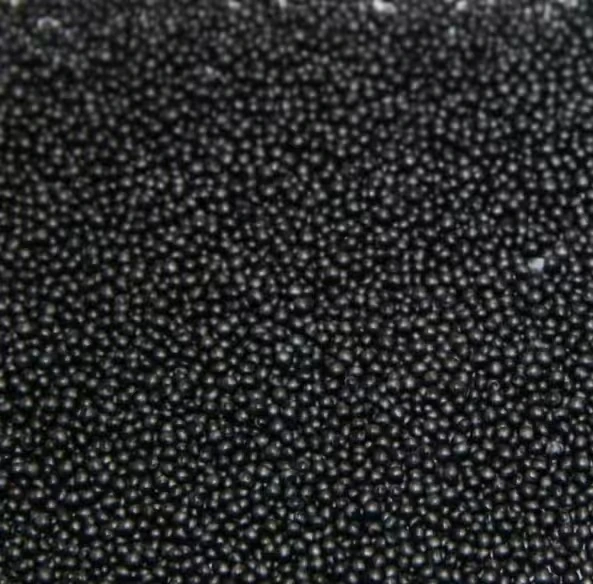
Le matériau de remplissage HUASHENG Special Grade ® G est produit selon les exigences spécifiques du client, notamment en termes de densité et de granulométrie. Les fabricants de poufs peuvent ainsi adapter le matériau de remplissage au soutien souhaité, au poids final et au mode de manipulation, au lieu de choisir un matériau standard unique pour chaque modèle. La personnalisation nécessite toujours un essai préalable précis, mais elle permet d'aligner le matériau sur le produit plutôt que d'imposer un matériau de remplissage inadapté.
Taille de perles constante pour un remplissage prévisible et un rendu final impeccable
Ce produit est conçu avec des billes de taille constante pour un amorti uniforme. Dans le cas d'un pouf, cette constance permet au garnissage de se répartir de façon plus homogène sur toute la surface. Elle réduit également une source de variation lors de la reproduction d'un échantillon validé en production de masse. L'élasticité du tissu, la conception de la doublure et la quantité de garnissage influencent toujours le résultat, mais la stabilité des billes facilite l'évaluation de ces autres variables.
Bonne fluidité pour un remplissage plus efficace et uniforme
Une bonne fluidité est l'une des caractéristiques de la qualité spéciale G. Lors des opérations de remplissage, elle facilite l'alimentation et assure une répartition plus homogène à l'intérieur du couvercle. Elle contribue à réduire la formation de ponts et les repositionnements manuels répétés, notamment lorsque l'ouverture de remplissage ou le revêtement interne limitent l'accès. La configuration de l'équipement et le mode opératoire restent essentiels ; il est donc impératif de vérifier la fluidité avec le dispositif de remplissage réel lors de la phase d'essai.
Rembourrage léger pour poufs, coussins, articles de loisirs créatifs et emballages personnalisés
Le polystyrène expansé de qualité spéciale G offre un rembourrage léger idéal pour le garnissage et la protection. Ce même matériau convient aux poufs, coussins, articles de loisirs créatifs, protections d'objets fragiles et emballages en mousse sur mesure, où la légèreté et la facilité de manipulation sont essentielles. Cette diversité d'applications ne signifie pas qu'une seule spécification soit universelle. La densité, la granulométrie, la quantité de remplissage et l'emballage doivent être adaptés à chaque produit.
Comment HUASHENG réduit-il les risques liés aux essais et aux commandes répétées ?
Recherche, production et approvisionnement en matériaux EPS sous un seul système
HUASHENG est spécialisée dans la recherche, la production et la fourniture de matériaux en polystyrène expansé. Le fait de centraliser le développement et la production des matériaux au sein d'une même organisation permet aux équipes techniques et de production de disposer d'une référence commune lorsqu'un échantillon doit être transformé en une nouvelle commande. Les acheteurs peuvent consulter Capacités EPS de HUASHENG dans le contexte de la demande plutôt que de traiter le remplissage comme un produit isolé.
L'analyse des exigences basée sur l'application relie les besoins du produit aux spécifications des matériaux.
Le processus technique de l'entreprise débute par l'analyse du scénario d'utilisation et des exigences de performance. Pour un projet de pouf, cela implique de traduire les dimensions de la housse, le volume cible, la charge d'utilisation, le confort souhaité, le poids final, le matériel de remplissage et les attentes en matière de remplissage en critères de matériaux et d'essais. Cette étape ne garantit pas un résultat sans tests, mais elle réduit le risque de comparer des échantillons produits ou évalués selon des hypothèses différentes.
Production intelligente et tests de précision : soutien à la densité et à la cohérence des lots
Les documents de HUASHENG décrivent des lignes de production intelligentes et modernes, des procédés de moussage EPS et des équipements de test de précision. Ces capacités constituent une base de contrôle de la production permettant de surveiller la densité et l'homogénéité des lots. Elles sont particulièrement précieuses lorsque l'échantillon approuvé présente des critères d'acceptation mesurables, car la production et les tests peuvent alors se concentrer sur les propriétés qui influencent le volume de remplissage, la fluidité, le support et la reproductibilité.
Production d'échantillons, fabrication, logistique et assistance technique : mise à l'échelle
L'offre de services de HUASHENG couvre l'analyse des besoins, la conception de la solution, la production d'échantillons, la fabrication, la livraison logistique et le suivi technique. Pour un nouveau projet de remplissage, cela permet de suivre un processus structuré, des spécifications à l'échantillon, puis à la production en série. L'acheteur conserve ainsi la trace de l'échantillon approuvé, du suivi du remplissage, des exigences de densité, de la plage de tailles de billes, du mode de conditionnement et des tolérances d'acceptation tout au long du processus, évitant ainsi de devoir procéder à une nouvelle évaluation à chaque étape de la commande.
Conclusion
L'aplatissement des sacs de billes de polystyrène peut être dû à un tassement normal, à une compression permanente des billes, à un remplissage insuffisant, à des fuites ou à une répartition inégale. Une spécification fiable prend donc en compte la densité, le taux d'expansion, la taille des billes, la consistance, la fluidité, le volume de remplissage utile, l'emballage et les conditions réelles de chargement, plutôt que de se baser uniquement sur le prix unitaire.
HUASHENG associe les caractéristiques personnalisables du polystyrène expansé de qualité spéciale G à la recherche, l'analyse des applications, la production d'échantillons, la fabrication intelligente, les tests de précision, la livraison coordonnée et le support technique. Les acheteurs peuvent communiquer les dimensions de la couverture, le volume de remplissage cible, le toucher souhaité, le poids fini, la méthode de remplissage et les critères d'essai à discuter des exigences de remplissage avant de confirmer une commande groupée.
Questions fréquentes
Q1 : L'aplatissement systématique des poufs est-il un signe de billes de mauvaise qualité ?
A1 : Non. Une légère perte de volume initiale est normale lors du tassement, et un aspect plat peut également être dû à un sous-remplissage, à l’étirement de la membrane, à une répartition inégale du cordon de remplissage ou à des fuites au niveau des joints. La qualité du matériau devient un problème plus préoccupant lorsque la perte est anormalement rapide, incohérente entre les produits ou accompagnée de dommages visibles au niveau du cordon. La vérification du poids de remplissage, des fuites et du tassement permet de distinguer un problème lié au matériau d’un problème lié à la membrane ou au processus de remplissage.
Q2 : Les billes de polystyrène plus petites sont-elles meilleures pour les poufs ?
A2 : Pas pour tous les modèles. Les billes plus petites offrent une sensation plus douce et se répartissent plus facilement dans les ouvertures étroites, mais elles peuvent aussi se tasser davantage et se comporter différemment à l’intérieur du matelas. Les billes plus grosses peuvent donner une impression de mobilité accrue ou offrir un niveau de soutien différent. La taille optimale dépend des dimensions de la housse, du tissu, de la fermeté souhaitée, du système de remplissage et de la charge de l’utilisateur. Il est donc conseillé de confirmer ce choix avec un échantillon représentatif.
Q3 : Le remplissage en EPS haute densité dure-t-il toujours plus longtemps ?
A3 : Une densité plus élevée peut offrir un soutien plus ferme et améliorer la résistance à la compression répétée, mais ne garantit pas automatiquement la durabilité. La structure des billes, les conditions d’expansion, l’homogénéité des dimensions, la quantité de remplissage, la conception du produit et la charge réelle influent également sur le maintien du volume. Un matériau de remplissage en PSE inutilement dense peut alourdir le produit et nuire au confort sans pour autant résoudre les problèmes de fuite, de sous-remplissage ou de répartition inégale du volume.
 French
  English
  German
  Spanish
  Arabic