
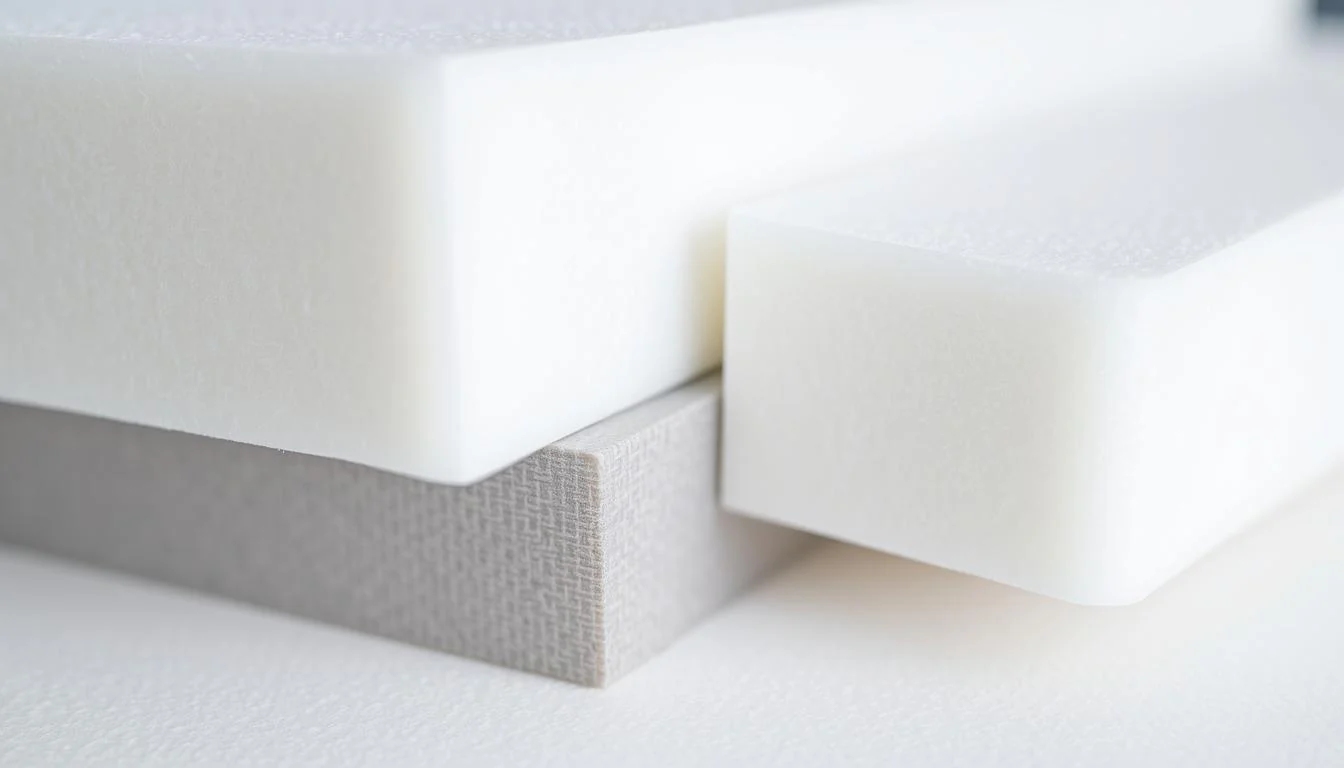
Mousse à cellules fermées is really good because the air is trapped inside the cells and that helps to slow down the way heat moves. This also stops moisture from getting in. Helps to absorb any shocks when you use it. That is why people use closed-cell foam for things like keeping things’ packaging items so they do not get damaged and making boxes that keep things cold.
Understanding Closed-Cell Foam and Its Core Properties
Composition and Structural Characteristics
Closed-cell foam consists of a densely packed amount of individual cells, which prevent penetration of air and moisture. In comparison to open-cell materials, closed-cell foams are of a higher density.
Comparing Closed-Cell Foam to Open-Cell Alternatives
The main variation between the two is that closed-cell foams are ‘sealed’ within their individual cells. This sealing provides higher moisture resistance than open-cell foams. Open-cell foams are best for fine foams, whether closed-cell or open-cell, and are made from the same basic chemical formulations. sound absorption, while closed-cell foams are better for insulation. The decision between the two foams is generally based upon the specific load-bearing requirements of a particular application, as well as environmental exposure.
Thermal Insulation Capabilities of Closed-Cell Foam
It is closed and stops heat from escaping by minimizing the transfer of heat. In doing so, it is helping with two-cell insulation, which is one of the main components of energy-efficient buildings. It is extremely efficient at insulating, meeting many of the world’s sustainability goals.
How Closed-Cell Foam Enhances Energy Efficiency
Closed-cell foam is really good at making buildings use less energy. It does this by slowing down the way heat moves through it. The foam has lots of cells that are sealed tight so the air inside them cannot move around. This helps keep the heat from moving from the inside of a building to the outside and the other way around. That means buildings, boxes that keep things cold, and insulated panels can stay at the same temperature without using as much energy.
Applications in Residential and Commercial Buildings
When people insulate their homes and offices, they often use closed-cell foam. This is especially true when they use spray foam insulation. Closed-cell foam is also great for places where they need to keep things cold, like special storage facilities. It helps keep the inside of a building at the same temperature all the time so you do not need to use as much energy to heat or cool it. Closed-cell foam is also a choice when you want to add insulation to older buildings.
Protective Qualities Beyond Insulation
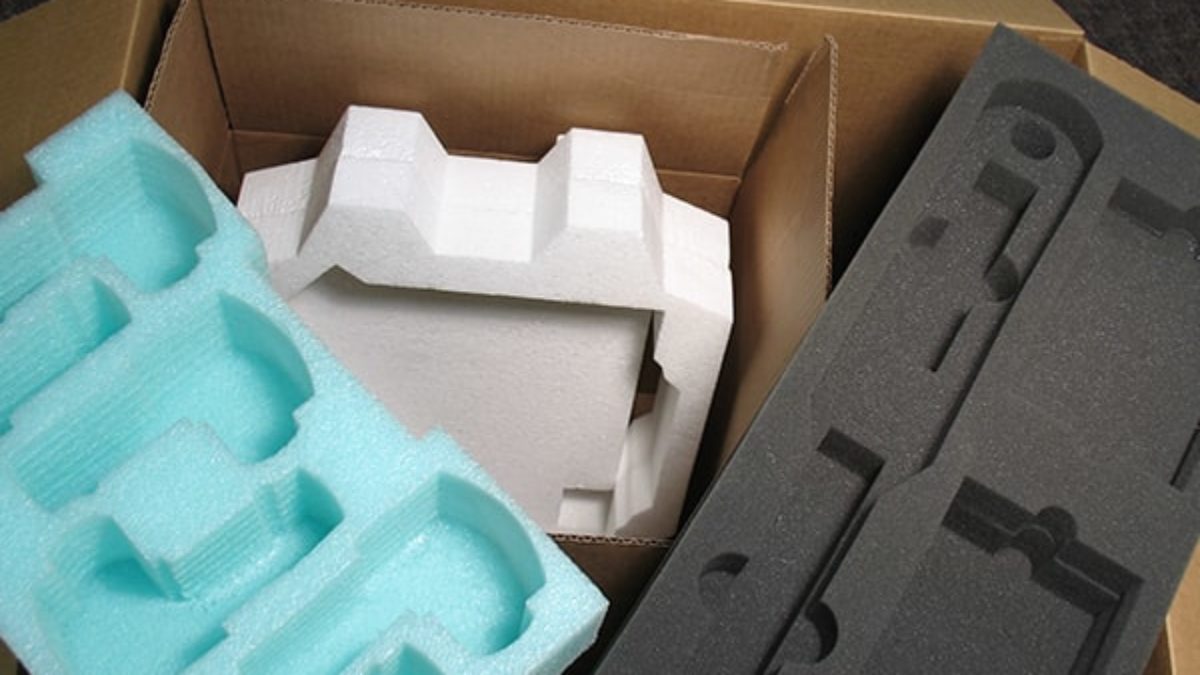
Closed-cell foam is more than just an insulator; it also offers protection from physical impact as well as environmental threats.
Moisture and Vapor Resistance in Harsh Environments
Closed-cell foam acts as a vapor barrier, preventing condensation-related damage that can compromise building materials or electronics. It is ideal for marine, automotive, and industrial environments exposed to humidity or water contact. This property also reduces risks of mold growth and corrosion beneath surface layers, ensuring long-term reliability even under fluctuating environmental conditions.
Impact Resistance and Structural Reinforcement
Dense cellular structures are designed to absorb physical shock and withstand constant vibration. These qualities make closed-cell foams particularly suitable for packaging products of a sensitive nature. Moreover, closed-cell foams can be used to reinforce composite panels, which are used in vehicles and also in aerospace. Their effect is to add mechanical value to a surface without significantly increasing its weight. The main advantage of closed-cell foams is that of energy efficiency in addition to durability.
Material Longevity and Sustainability Considerations
Sustainability is increasingly becoming a key consideration in material selection across industries. Closed-cell foams are no exception and are being engineered not only for performance but also for sustainability.
Durability Under Environmental Stressors
Closed as well as withstanding mechanical stress. When compared to the typical materials used for sound absorption such as fiberglass or mineral wool, the lifespan of the closed-cell foam is extended greatly. This extended life allows for cell foams that are resistant to degradation from UV exposure when coated or covered and can handle changes in temperature, needing fewer replacements and increasing overall lifespan.
Environmental Impact and Recycling Potential
New manufacturing solutions reduce the carbon footprint of foam production with solutions for recycling as well as with eco-friendly blowing agents. HUASHENG, for example, recycles 300,000 tons of EPS per year, saving 1,500,000 tons of crude oil and 1,200,000 tons of carbon dioxide. Closed-cell foams containing recycled materials, which fulfill the highest requirements for performance, are also available. Although end-of-life recycling on a global scale is not yet available, the possibility to recover materials by means of solvent-based recovery processes is examined more and more in order to increase the quality of the circular economy.
More sophisticated buildings, which strive to achieve higher sustainability levels than average, F Material’s Flame-Retardant Type REPS combines environmental compatibility with low thermal conductivity to create an effective solution for structural insulation.
Emerging Trends Shaping the Future of Closed-Cell Foam in 2026
Industry is developing more intelligent and greener production lines. Closed-cell foam is continuing to develop, with the industry using digitalization and also incorporating nanotechnology.
Innovations in Material Engineering and Application Techniques
The use of nanotechnology makes insulation work better. It does this with less material. They also have foams that are a mix of closed-cell and flexible polymers. These hybrid foams are really useful for things like making panels for vehicles or composites for the aerospace industry.
Automation is also used when spraying these materials. This automation helps make sure everything is covered evenly. It reduces the amount of material that is wasted during the installation process.
Market Outlook Across Industries Using Closed-Cell Foam
The construction industry will continue to use high-performance foams to build energy-efficient buildings in order to achieve carbon-neutral targets. The automotive industry is using lightweight foams for noise protection and thermal management in electric vehicles. This foam helps to increase the range of the vehicle by optimizing weight. In the aerospace industry, vibration-damping foams are used to meet strict safety requirements. Renewable energy systems also use thermally stable composite materials to be used around wind turbines or solar systems. The segment of protective packaging is also expected to grow due to e-commerce logistics, which need shock-protective cushioning materials.
FAQ (questions fréquentes)
Q1: What makes closed-cell foam better for moisture protection than open-cell foam?
A1: Closed-cell foam has a completely sealed cell structure. It stops water from entering and also remains strong under pressure. This makes it the perfect insulation for humid environments such as marine environments and basements.
Q2: How does the advanced EPS technology improve insulation efficiency?
A2: The advanced EPS includes the nano-closed pore structure. The structure increases the local compressive strength up to 40% and lowers the thermal conductivity noticeably. This new technology is developed by means of molecular chain directional weaving by quantum computing simulation.
Q3: Where can eco-friendly closed-cell foam materials be sourced from?
A3: HUASHENG supplies a wide variety of certified sustainable flame retardant foam materials, for example, REPS materials, which are 100% completely recyclable, thus allowing industries to achieve the highest level of performance while, at the same time, also being environmentally responsible.
 French
  English
  German
  Spanish
  Arabic