
L'isolation en mousse de polystyrène a servi de nombreuses utilisations depuis de nombreuses années dans les domaines de la construction et de l'emballage. Sa construction légère, son travail thermique constant et son ajustement facile en font un objet utile pour de nombreuses tâches. Pour comprendre pourquoi les constructeurs et les fournisseurs continuent de le choisir, nous devrions vérifier les principales causes de son attrait durable.
Pourquoi l'isolation en mousse de polystyrène est-elle encore populaire?
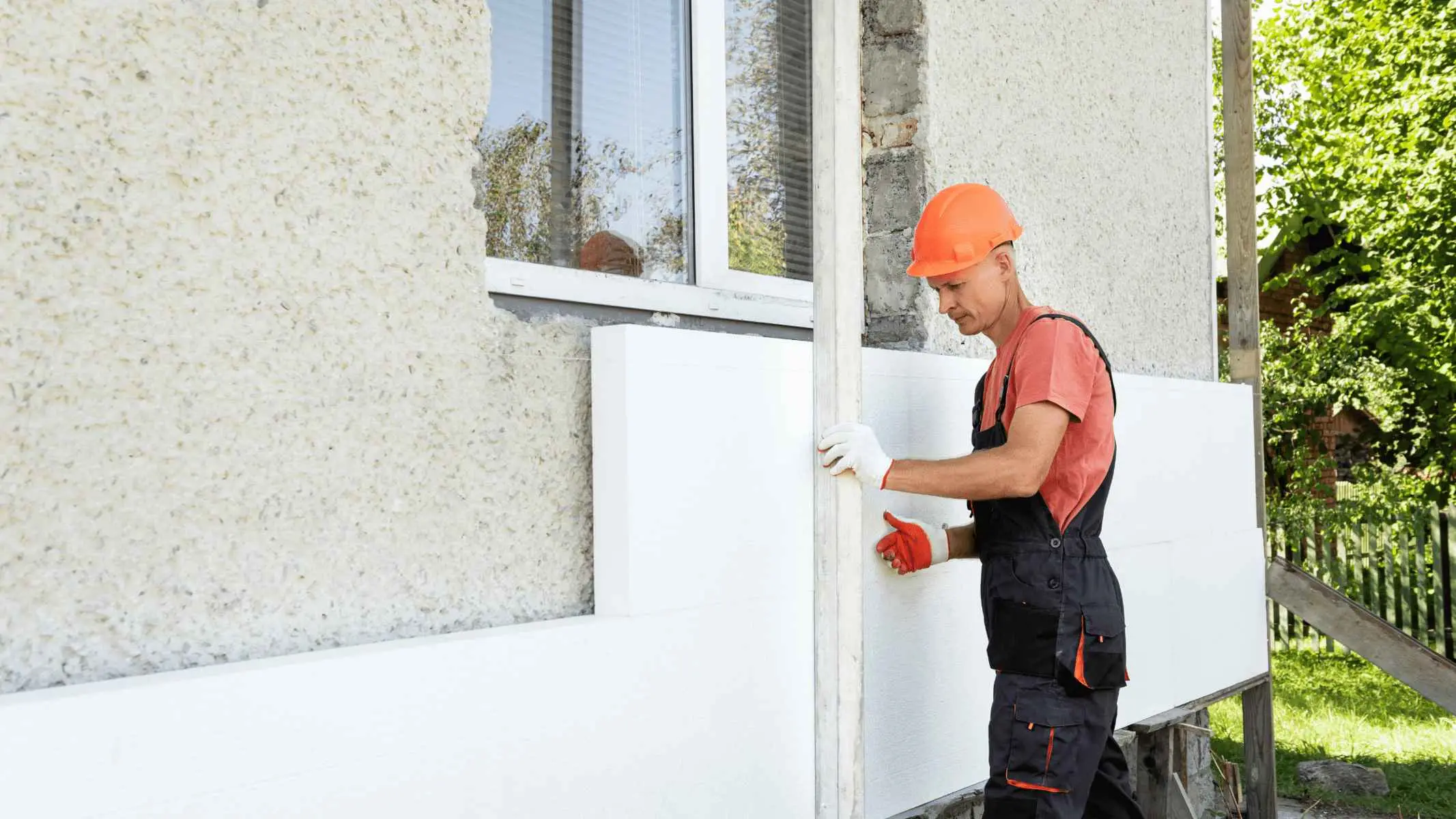
Isolation en mousse de polystyrène demeure une base principale dans les plans actuels de construction et d'usine parce qu'il allie bon travail, fabrication difficile et changement simple. Il apparaît dans les structures domestiques et les grandes entreprises. Et son tirage vient de l'égalité qu'il fait entre une faible utilisation de l'argent et une production solide.
Quels sont les principaux avantages de l'utilisation de l'isolation en mousse de polystyrène?
L'isolation en mousse de polystyrène apporte plusieurs points forts qui en font un choix privilégié dans différents domaines. Il donne une lutte fine contre la chaleur, ce qui aide à maintenir les niveaux de chaleur intérieurs uniformes et réduit l'appel à l'air chaud ou froid. La construction légère rend le déplacement et la mise en place faciles, et cela réduit l'argent de travail. De plus, sa lutte contre l'eau arrête la croissance de la moisissure et de la saleté, de sorte qu'il garde votre bâtiment’ s cadre sûr pendant longtemps.
Dans le domaine du remplissage de structures, Mousse EPS de HUASHENG Les marchandises se distinguent bien. Ces produits possèdent d'excellentes capacités de remplissage thermique et réduisent bien la consommation d'énergie dans les maisons. Ils offrent un bloc de chaleur stable, ce qui aide à garder la chaleur intérieure toute l'année. Ils réduisent ainsi le besoin de machines chaudes et froides. Cela montre comment l'isolation en mousse de polystyrène permet de réaliser de longues économies d'énergie et augmente le confort pour ceux qui sont à l'intérieur.
Comment l'isolation en mousse de polystyrène contribue-t-elle à l'efficacité énergétique?
L'économie d'énergie est la principale cause; cet article continue de régir le commerce de remplissage. La mousse de polystyrène réduit le flux de chaleur à travers les murs et les toits et réduit la chute d'énergie. Pour cette raison, vous devez faire face à des coûts d'électricité plus faibles et vous aidez à réduire la mauvaise sortie d'air.
Ils fournissent un bloc de chaleur constant, de sorte qu'ils aident à garder la chaleur intérieure toute l'année. Et ils réduisent le besoin d'installations chaudes et froides. Par conséquent, les maisons deviennent non seulement plus énergétiques, mais la réduction totale de l'énergie aide également beaucoup à lutter contre les gaz de réchauffement climatique. Ce mélange même de travail et de soins de la terre transforme l'isolation en mousse de polystyrène en une pièce nécessaire dans les styles de bâtiment écologiques.
Quelles sont les considérations environnementales avec la mousse de polystyrène?
Les anciens articles en polystyrène ont autrefois eu de l'éclat pour recycler les taches dures, mais de nouvelles étapes technologiques ont changé leur chemin de terre. Les façons actuelles font maintenant pression sur les idées d'économie de boucle, qui coupent les ordures et augmentent l'utilisation une fois de plus.
Comment l'isolation en mousse de polystyrène est-elle respectueuse de l'environnement?
Maintenant, l'isolation en mousse de polystyrène fonctionne pour le recyclage et résiste bien. Sa longue durée d'utilisation signifie que moins d'échanges sont nécessaires au fil des ans, ce qui permet d'économiser des marchandises tout en coupant les déchets.
HUASHENG recycle 300 000 tonnes de EPS chaque année, économisant 1 500 000 tonnes de pétrole brut et 1 200 000 tonnes de dioxyde de carbone. Cette grande poussée de recyclage montre comment les nouvelles technologies de recyclage peuvent transformer les déchets en marchandises pour de nouvelles tâches. La méthode de l’entreprise combine des installations intelligentes de récupération qui atteignent des taux de recyclage allant jusqu’à 95 % pour les déchets d’après-usine. Et cela fixe un objectif élevé pour le maquillage vert.
L'isolation en mousse de polystyrène peut-elle faire partie des pratiques de construction durables?
Oui, il glisse directement dans les bases du plan vert lorsqu’il est géré avec réflexion. En augmentant le travail thermique d’une structure et en abaissant les gaz de fonctionnement, la mousse de polystyrène aide immédiatement les objectifs de prix verts tels que LEED ou BREEAM.
En respectant les règles fermes de la terre et en mettant des voies vertes dans toutes ses tâches, il coupe bien les ordures, sauve les biens naturels et garde le monde. Lorsqu'il est mélangé à des plans de recyclage soigneux, cet article soutient vos objectifs écologiques sans nuire à la force de construction ou à la production.
Comment HUASHENG améliore-t-il l'utilisation de l'isolation en mousse de polystyrène?
Les nouvelles idées technologiques ont transformé ce qui était autrefois un élément simple en une solution intelligente pour les problèmes de construction d'aujourd'hui. Un des principaux guides de ce poste est HUASHENG, un ouvrier frontal qui change la façon dont le polystyrène extensible (EPS) aide les échanges mondiaux.
En seulement vingt ans, HUASHENG est devenu l’un des principaux fournisseurs EPS en tissant les soins de la terre dans chaque étape du processus. L’objectif de l’entreprise, « réduire le fardeau sur la Terre », conduit sa recherche d’articles recyclés qui battent les vieilles mousses en puissance et en chaleur. Son usine intelligente utilise des marchandises de démarrage 100% recyclées grâce à une première installation « à trois circulations » qui obtient plus de 95% de réutilisation des ordures. En même temps, il réduit la consommation d'énergie de 30%. D'ici 2026, il prévoit d'ouvrir une usine de spectacle sans carbone qui pourra réduire les gaz à chaîne complète de plus de 85%. Cela correspond à la création de 1,5 nouveaux parcs de bois de la ville chaque année. Ces mesures montrent la forte poussée de HUASHENG pour de meilleures façons sur le terrain. Les constructeurs recherchent souvent des entreprises comme celle-ci pour répondre aux besoins croissants en matière de choix écologiques.
Ce qui rend HUASHENG’ Les produits se démarquent-ils sur le marché ?
HUASHENG se distingue par de nouvelles pensées en continu dans le savoir-faire des articles et prend des mesures qui maintiennent les choses les mêmes à de grands niveaux.
Le groupe a dépensé des centaines de millions de yuans pour mettre en place la première ligne de fabrication intelligente au monde pour le polystyrène avec des produits de départ 100% recyclés. Pour sa première “ trois-circulation” configuration, il atteint un taux de recyclage de plus de 95% pour les ordures. En outre, il réduit la consommation d'énergie de 30%.
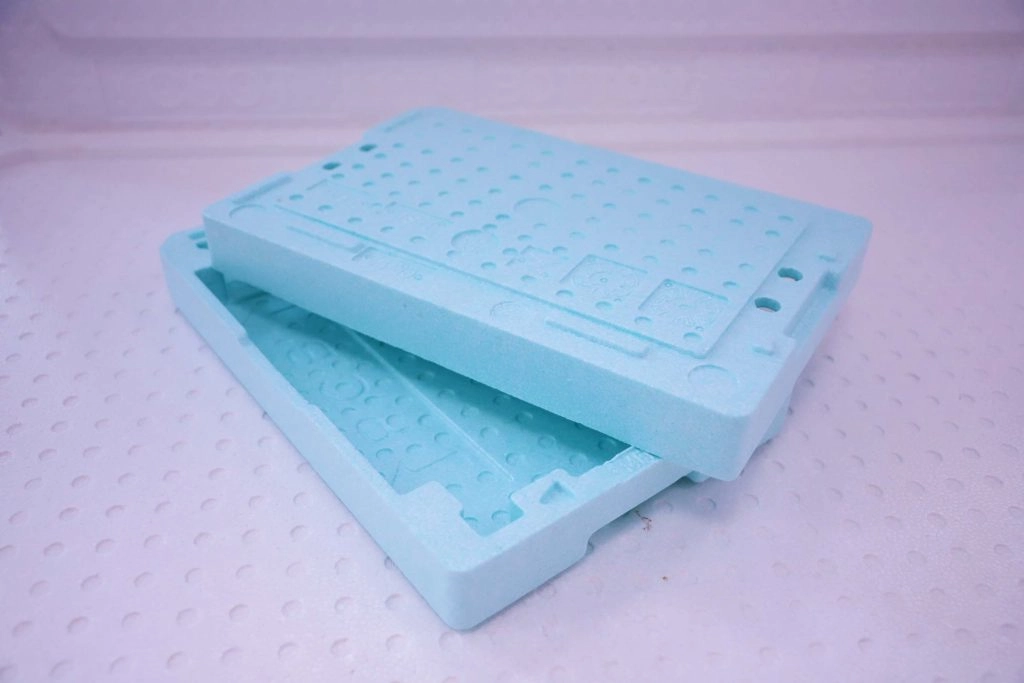
Sa gamme de produits contient des types retardants à la flamme conçus pour des tâches de remplissage de haut rendement comme REPSCet ensemble combine une tenue au feu fine, avec un indice d'oxygène supérieur à 30, et un faible débit de chaleur, ce qui le rend bien adapté aux endroits de construction difficiles où des joints sûrs et de bonnes économies sont nécessaires. Beaucoup d'utilisateurs les choisissent dans de vrais emplois parce que cet avantage clair s'avère précieux dans la pratique.
Pourquoi considérer HUASHENG pour vos besoins d'isolation?
Choisissez ce fournisseur, et vous obtenez l'accès à la qualité sûre et des réponses terrestres. Chaque bien est soumis à des tests rigoureux sous des points de contrôle ISO pour répondre aux règles mondiales telles que REACH et ROHS.
Quelles sont les préoccupations communes concernant l'isolation en mousse de polystyrène?
Même avec ses forces, certains travailleurs expriment des inquiétudes concernant la sécurité incendie ou les liens de santé liés aux mousses fabriquées.
Comment pouvez-vous répondre aux préoccupations de sécurité incendie avec la mousse de polystyrène?
La sécurité incendie reste la plus importante lors de l'ajout de tout remplissage à base de plastique dans les enveloppes de construction. Vous devez toujours suivre les règles locales qui demandent des blocs de protection ou des ajouts d'arrêt-feu dans la configuration.
La qualité retardante de flamme F a passé la certification du Laboratoire d'essai de sécurité des États-Unis (UL). Les normes nationales pour la qualité retardante de flamme F sont la mousse de polystyrène moulée adiabatique (GB / T10801.1-2002) et la classification des performances de combustion des matériaux de construction et des produits (GB8624-2012).
Un tel ajustement assure que les mélanges anti-incendie atteignent les niveaux B1 ou B2 en fonction des appels de travail. Et cela apporte le calme sans perdre le bon sentiment.
Y a-t-il des risques pour la santé associés à l'utilisation de la mousse de polystyrène?
Lorsqu'il est réglé correctement par des travailleurs formés, l'isolation en mousse de polystyrène ne présente pas de grands dangers pour la santé dans les temps habituels. Il échoue à émettre de mauvais gaz lors de l'utilisation quotidienne ou à pénétrer dans des substances toxiques à l'intérieur.
Il ne dégage pas de mauvais produits chimiques ou de gaz à des moments habituels, il convient donc aux tâches domestiques et commerciales. Un bon mouvement d'air dans l'installation réduit également les risques d'ouverture des colles ou des joints utilisés avec des panneaux de mousse. Globalement, cela en fait un choix sûr pour la plupart des endroits.
FAQ (questions fréquentes)
Q: L'isolation en mousse de polystyrène peut-elle être utilisée dans toutes les zones climatiques?
R : Oui. Son large ajustement lui permet de fonctionner dans de nombreux types météorologiques en raison de ses fortes caractéristiques de lutte contre la chaleur qui conviennent à la fois aux terres chaudes et froides.
Q: L'isolation en mousse de polystyrène est-elle rentable par rapport à d'autres matériaux?
R: Oui, il combine un prix de départ bon marché avec de longues économies de réduction de la consommation d'énergie au fil du temps.
Q: Comment puis-je assurer l'installation correcte de l'isolation en mousse de polystyrène?
R: Obtenez toujours des travailleurs qualifiés qui connaissent les règles de sécurité de la zone pour s'assurer du meilleur rendement tout en respectant les normes de garde-feu.
 French
  English
  German
  Spanish
  Arabic