
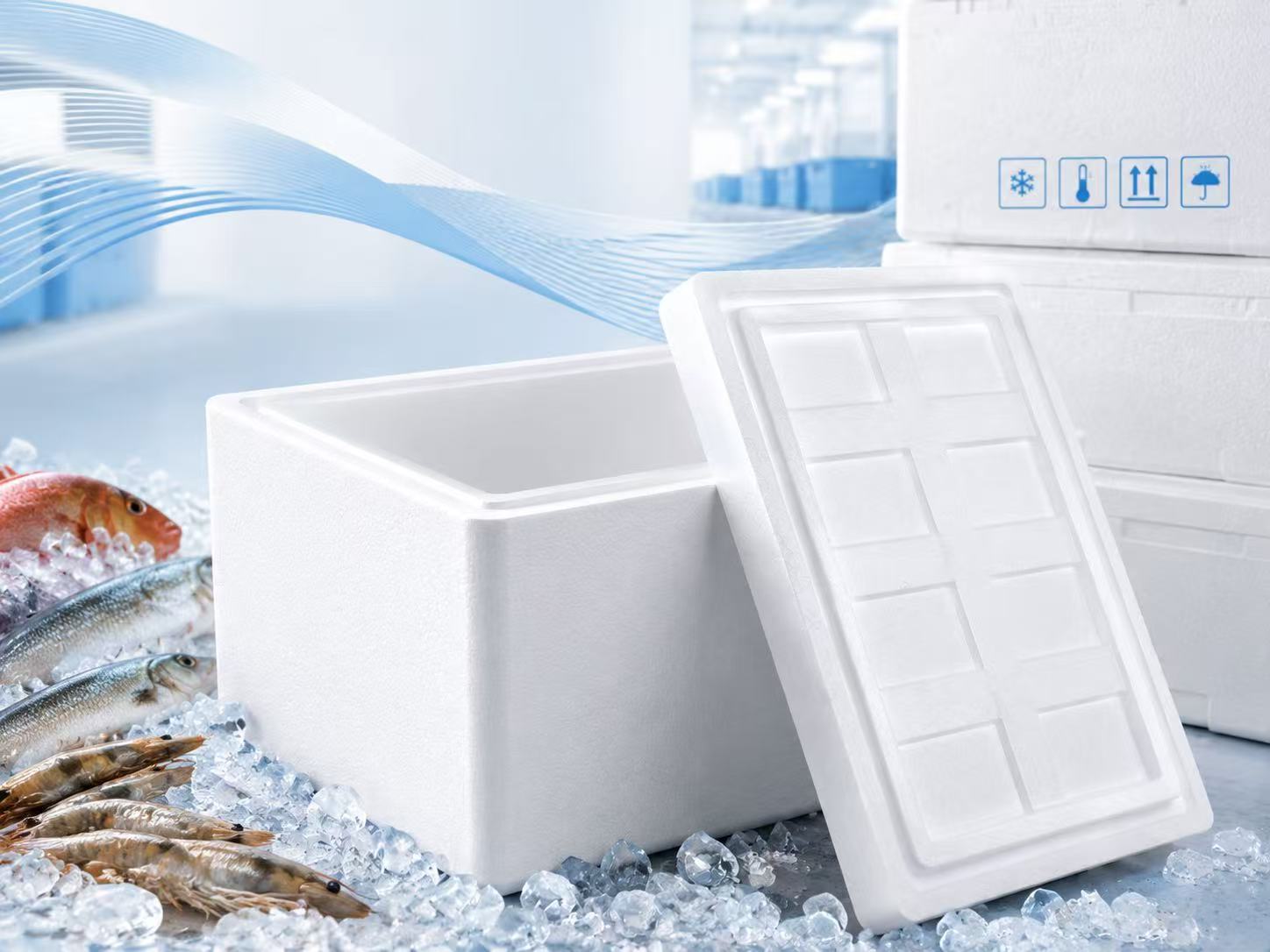
La manipulación de los paneles de exhibición se realizará antes de que lleguen a los clientes. Una bandeja puede moverse sobre un palé, los bordes pueden chocar contra esquinas duras o un módulo puede levantarse desde un ángulo inadecuado. En lo que respecta al embalaje de los paneles de exhibición, el material debe permitir soportar el panel a la vez que facilita la carga, descarga y apilamiento. La espuma REPS se convierte en una opción realista debido a su ligereza, resistencia suficiente y diseño moldeado, que permite especificar el diseño según el proyecto de la bandeja. Soluciones de embalaje de espuma REPS ofrecidas por HUASHENG Entre ellos se incluyen proyectos relacionados con pantallas, como módulos MNT, unidades OC-TV, placas de bandeja NB/TPC/OLED, etc.
¿Por qué el embalaje de los paneles de visualización necesita algo más que una ligera amortiguación?
El daño suele comenzar en los puntos de contacto.
La cuestión clave no es simplemente si una bandeja de espuma es ligera. Los compradores deben analizar dónde el panel entra en contacto con la bandeja, cómo se distribuye la carga y qué sucede cuando los operarios levantan, apilan, giran o retiran la pieza embalada. Un panel puede estar apoyado en la mayor parte de su superficie, pero quedar expuesto en una esquina, un borde, una zona de conexión o una nervadura estrecha.
Estos aspectos deben evaluarse a lo largo de todo el proceso de manipulación. Una bandeja que funciona correctamente en una mesa de embalaje puede comportarse de manera diferente tras el apilamiento de palés, el movimiento en el almacén y las vibraciones del camión. Un material con la resistencia adecuada puede ayudar a reducir la probabilidad de que un impacto breve provoque una grieta en el soporte, el aflojamiento de la pieza o una marca visible en la superficie.
Los cambios de formato hacen que la repetibilidad sea importante.
Los proveedores de pantallas pueden necesitar embalajes para módulos MNT, una estructura diferente para paneles OC-TV y una bandeja distinta para formatos NB, TPC u OLED. Lo más eficiente es comenzar con las dimensiones del panel, la dirección de carga, las zonas de contacto, el método de apilamiento y el proceso de extracción. La selección del material debe ser compatible con el diseño de la bandeja, en lugar de obligar a cada proyecto a utilizar una espuma genérica.
Qué deben comprobar los compradores antes de elegir un material para la bandeja de paneles
Resistencia al impacto y estabilidad dimensional
Una bandeja forma parte del sistema de manipulación. Necesita suficiente estabilidad para mantener su forma mientras los operarios colocan el panel, se apilan las cajas y el paquete se traslada entre producción y envío. La resistencia al impacto es importante cuando una bandeja se deja caer rápidamente o una caja cargada recibe un golpe breve.
REPS ofrece resistencia y tenacidad moderadas para proyectos de embalaje con mayores requisitos. Los datos relevantes del material abarcan la resistencia a la compresión, la resistencia al desgarro, la resistencia a la flexión, la resistencia a la perforación y la estabilidad dimensional. Los compradores deben considerar estas cifras como un punto de partida y confirmar la bandeja moldeada con muestras representativas. Hay más detalles disponibles en el Gama de materiales R-EPS.
Tamaño de partícula y estructura de la bandeja
El tamaño de partícula debe revisarse junto con la geometría de la bandeja. El rango estándar de REPS es de aproximadamente 0,8 a 1,2 mm, mientras que un proyecto de bandeja representativo utiliza un rango menor de 0,65 a 0,8 mm. El rango seleccionado debe coincidir con las nervaduras, esquinas, cavidades y elementos de separación requeridos por el panel.
La aprobación de la muestra debe abarcar el ajuste a la bandeja, la fuerza de extracción, las marcas de contacto, la deformación tras el almacenamiento y la uniformidad entre varias piezas. Esto resulta más útil que elegir un grado basándose únicamente en la ficha técnica.
Reciclabilidad y coste del proyecto
REPS se presenta como material reciclable dentro de la categoría 6 de reciclaje de PS, lo que puede respaldar proyectos que requieren una vía de recuperación práctica. Para los envases destinados a la exportación, esto puede ser útil cuando surgen simultáneamente cuestiones de manipulación de materiales y sostenibilidad para el cliente.
El beneficio comercial va más allá de una simple etiqueta de material. Los compradores deben preguntar si el proveedor puede mantener la especificación estable, identificar el grado utilizado en la muestra y ofrecer soporte para la producción repetida. Una bandeja de bajo costo que genere más daños, trabajo de clasificación o necesidad de reemplazo puede resultar costosa a nivel de proyecto.
Comparación entre la espuma REPS y el EPS convencional
Adaptabilidad flexible al proyecto
El EPS convencional sigue siendo útil para muchos proyectos de embalaje en general, especialmente cuando la forma es simple y el requisito de protección es moderado. El REPS es una opción a considerar cuando el comprador necesita una relación más precisa entre el tamaño de partícula, la geometría de la bandeja y las condiciones de manipulación.
Se trata de una decisión específica del proyecto, no de una sustitución universal. Compare el ajuste, la extracción, la repetibilidad, la recuperación y las reclamaciones por daños con el precio unitario.
Producción tras la aprobación de la muestra.
REPS utiliza un método de masterbatch físico y un proceso de pre-espumado y moldeo. Este proceso se asocia con un menor consumo energético total de moldeo y una mayor eficiencia que el proceso tradicional mencionado. Para los compradores, la cuestión práctica radica en si el proveedor puede reproducir las características de soporte aprobadas y mantener un programa de empaque estable a medida que aumenta el volumen.
La producción piloto debería ser la segunda fase de aprobación. Una buena muestra es solo el comienzo; el equipo de producción debe fabricar la misma bandeja repetidamente sin modificaciones que afecten el ajuste del panel o la carga de la caja.
Selección de una bandeja de espuma REPS según la aplicación de la pantalla.
Embalaje del módulo MNT
El embalaje de los módulos MNT requiere una relación adecuada entre el cuerpo del módulo, las nervaduras de soporte, las aberturas y la vía de extracción. La bandeja debe mantener el conjunto estable, permitiendo a los operarios colocarlo y retirarlo sin que se tuerza.
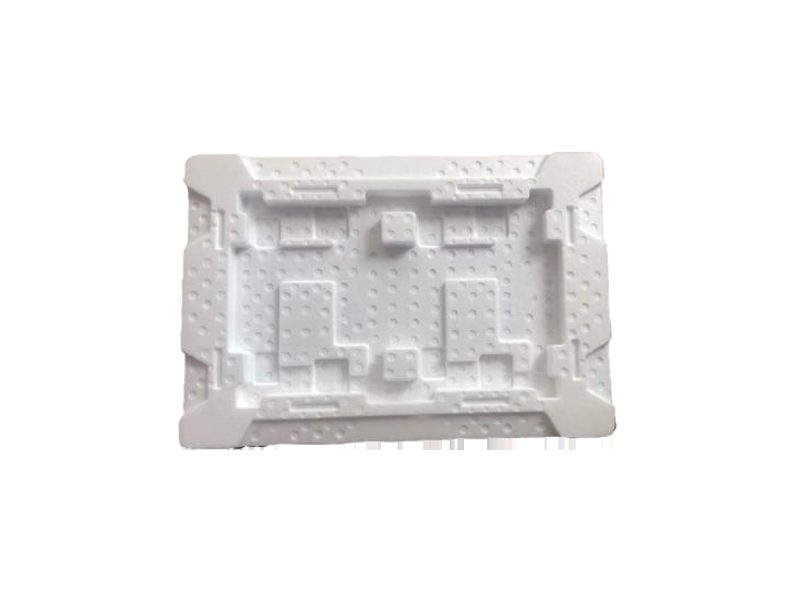
El módulo MNT es una de las aplicaciones de visualización REPS de HUASHENG. Verifique la dirección de carga, la estabilidad de la caja y la inspección de los puntos de soporte antes del envío; Gama de aplicaciones de visualización Proporciona un contexto útil para esta revisión.
Embalaje OC-TV
El embalaje de los televisores OC requiere una revisión minuciosa del área del panel, el soporte de los bordes, la altura de apilamiento y el traslado desde la línea de producción al almacén. Si el soporte es demasiado flexible, la carga puede desplazarse; si está demasiado concentrado, el panel puede recibir presión en puntos no deseados.
Tras la simulación de transporte, revise el apilamiento completo de las cajas, la protección de las esquinas, la manipulación por parte del operario y el estado del embalaje. Confirme un suministro constante para los pedidos repetidos.
Embalaje de bandejas para placas NB/TPC/OLED
Las placas de bandeja NB, TPC y OLED pueden requerir un equilibrio entre una construcción ligera y una separación precisa. Pequeñas variaciones en la profundidad de la cavidad, la altura del soporte o el espacio de extracción pueden afectar la velocidad de la línea y el riesgo de daños.
La bandeja para placas (NB, TPC, OLED) es otra aplicación en la industria de pantallas. Compare el ajuste de las muestras en los formatos previstos, confirme la ruta de carga utilizable y registre los criterios de aceptación antes de considerar la producción en grandes cantidades.
Un flujo de trabajo de selección práctico
Comience con el panel y la ruta de carga.
Comparta las dimensiones del panel, las áreas sensibles, la dirección de carga, el método de apilamiento, la disposición de las cajas, el equipo de manipulación y las condiciones previstas de almacenamiento y envío. Las fotos o dibujos del embalaje existentes pueden revelar puntos de contacto que no se mencionan en una especificación breve.
Utilice muestras para comprobar el ajuste y la extracción.
Coloque el panel en la bandeja, retírelo en el ángulo deseado, repita el movimiento y compruebe si hay marcas, nervaduras rotas, piezas sueltas o cambios en el ajuste. Si se almacena o reutiliza, inspecciónelo después del ciclo de manipulación correspondiente. Compare la protección del panel, el esfuerzo del operario, el espacio en la caja y el trabajo de recuperación.
Confirmar la consistencia del lote
Antes de emitir una orden de compra, confirme la descripción del material aprobado, el requisito de tamaño de partícula, el plano de la bandeja, los puntos de inspección, el método de embalaje, el plan de entrega y el proceso de reemplazo. HUASHENG describe un proceso de proyecto que abarca el análisis de requisitos, el diseño de la solución, la producción de muestras, la fabricación, la logística y el soporte posventa. Esta descripción completa del proceso resulta útil para un programa de exhibición continuo.
Por qué HUASHENG REPS encaja en esta conversación sobre selección
El valor de un proveedor REPS reside en su capacidad para vincular la selección de materiales con el proyecto de embalaje. HUASHENG ofrece apoyo en el análisis del tamaño de partícula, el desarrollo de muestras, la coordinación de la fabricación y la logística para proyectos de embalaje de espuma.
Para los compradores que comparan proveedores, pregunte si la muestra aprobada se puede identificar por la descripción del material, si la bandeja se puede reproducir en volumen y si el equipo puede responder cuando cambia el formato de un panel. Utilice el Contacto para muestras y cotizaciones de HUASHENG para iniciar esa discusión.
Recomendación final
La espuma REPS es práctica para el embalaje de paneles de visualización cuando el proyecto debe equilibrar protección, construcción ligera, tamaño de partícula, geometría de la bandeja, recuperación y producción repetida. Para módulos MNT, revise los puntos de soporte y su extracción. Para el embalaje de OC-TV, revise el apilamiento y la protección de los bordes. Para placas de bandeja NB, TPC y OLED, revise la separación, la precisión de la cavidad y la flexibilidad del formato.
Antes de realizar un pedido a granel, apruebe el material mediante muestras representativas y criterios de producción documentados. Un informe del proyecto que incluya el dibujo del panel, los requisitos de la bandeja, la ruta de carga, la cantidad prevista y el plan de entrega proporciona al proveedor el contexto suficiente para recomendar una bandeja de espuma REPS adecuada en lugar de una de embalaje genérica.
Preguntas frecuentes
P1: ¿Qué deben comprobar primero los compradores al elegir el embalaje de los paneles de visualización?
A1: Comience con los puntos de contacto del panel, la dirección de carga, las condiciones de apilamiento y el método de extracción. Luego, confirme la resistencia al impacto, la estabilidad dimensional, el ajuste de la bandeja y la repetibilidad mediante muestras representativas.
P2: ¿Las bandejas de espuma REPS son compatibles con diferentes formatos de paneles?
A2: Se pueden evaluar para diferentes formatos cuando el proveedor ajusta la estructura de la bandeja y adapta el material al proyecto. Los módulos MNT, las unidades OC-TV y las placas de bandeja NB/TPC/OLED deben muestrearse por separado.
P3: ¿Cómo puede HUASHENG gestionar un pedido de bandejas al por mayor?
A3: Comparta el plano aprobado, la descripción del material, el requisito de tamaño de partícula, los puntos de inspección, el método de embalaje y el cronograma de entrega. HUASHENG podrá entonces analizar la producción de muestras, la consistencia del lote, la logística y el soporte para cambios de formato posteriores.
 Spanish
  English
  German
  French
  Arabic