
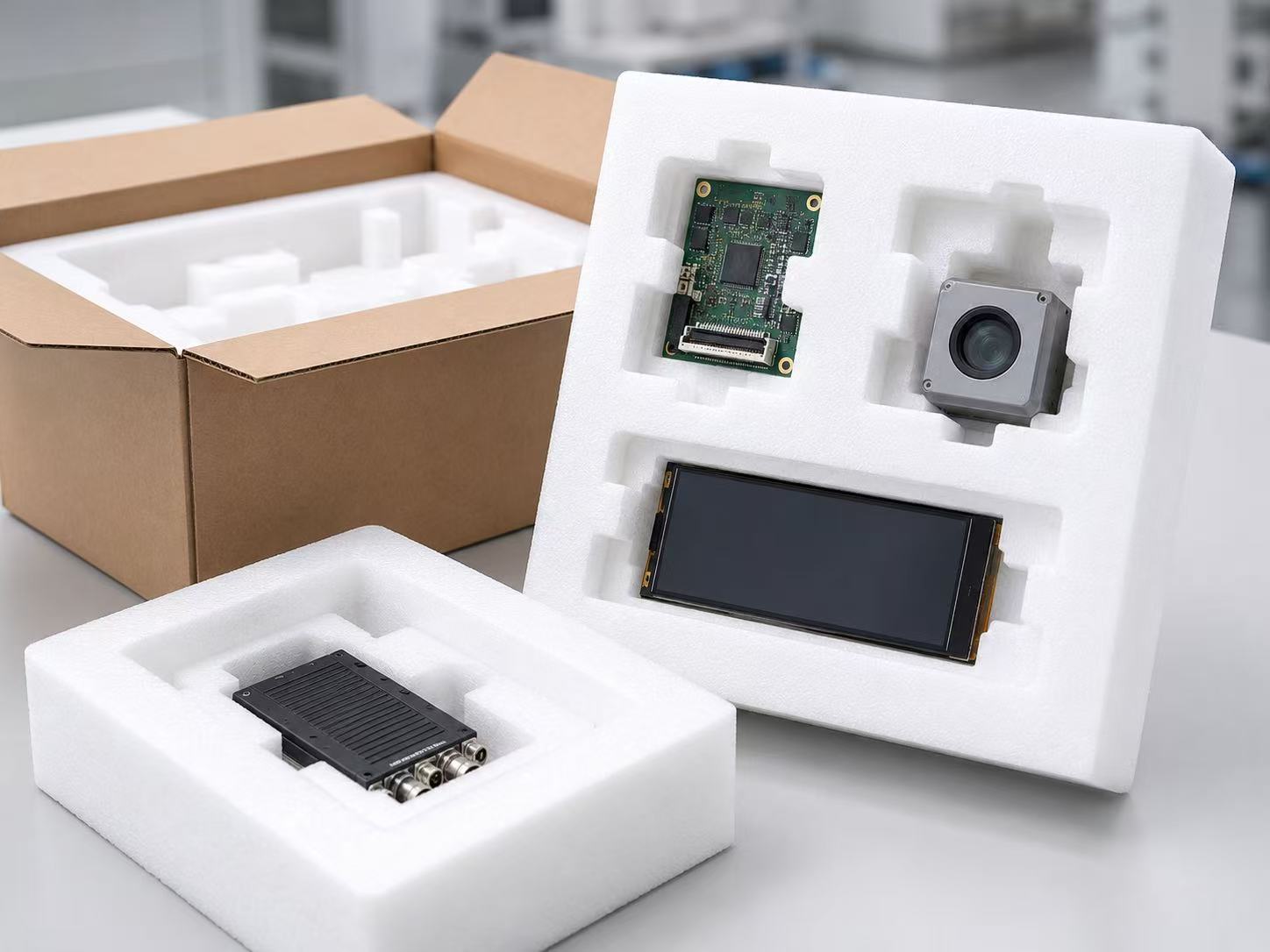
Los teléfonos, tabletas, sensores e instrumentos de precisión pueden salir de la línea de empaquetado en perfectas condiciones y, sin embargo, llegar con una esquina dañada, un conector suelto o incluso la carcasa marcada. El problema no suele ser la cantidad de espuma, sino la interfaz del producto, el inserto y la forma en que se levanta, apila y abre la caja. La espuma REPS debería considerarse cuando el embalaje de productos electrónicos requiere algo más que un simple material de embalaje blando.
¿Por qué los componentes electrónicos frágiles necesitan algo más que relleno blando?
Trayectorias de impacto alrededor de pantallas, bordes y conectores
Un teléfono o tableta puede tener una carcasa exterior resistente, pero seguir siendo sensible en el borde de la pantalla, la cámara, el puerto de carga o la abertura de los botones. Un instrumento de precisión puede tener un cuerpo más pesado, una ventana de visualización, un punto de calibración o una superficie de control sobresaliente que no debe soportar el peso de la caja.
Un inserto debe proteger estas áreas de impactos bruscos y distribuir los golpes cortos hacia zonas de mayor soporte. Para ello, es necesario revisar el dibujo del producto, el centro de gravedad, la dirección de carga y el movimiento de la caja. Un bloque genérico puede ofrecer protección a la vez que permite el movimiento del producto dentro de la caja.
Por qué es importante un ajuste perfecto en el embalaje de productos frágiles.
Un espacio libre excesivo permite que el producto se acelere antes de entrar en contacto con el inserto. Una presión excesiva genera otro problema: puede dañar la carcasa, tensar el borde de la pantalla o dificultar la extracción para el operario. Una buena espuma de embalaje electrónico debe sujetar el producto sin que el desembalaje se convierta en una tarea de torsión o palanca.
¿Qué hace que valga la pena probar los insertos de espuma REPS?
Resistencia al impacto y tenacidad
REPS ofrece una resistencia y dureza moderadas para proyectos de embalaje con mayores exigencias, además de una útil resistencia al impacto. Estas propiedades son importantes cuando una caja se deposita rápidamente, un palé cambia de dirección o un inserto recibe un impacto en el borde durante su manipulación.
Esto proporciona al diseñador del inserto un punto de partida más sólido para comparar las nervaduras de soporte, los bloques de esquina y las paredes de separación. La aprobación aún requiere muestras representativas que coincidan con el dispositivo y la caja reales.
Tamaño de partícula y ajuste moldeado
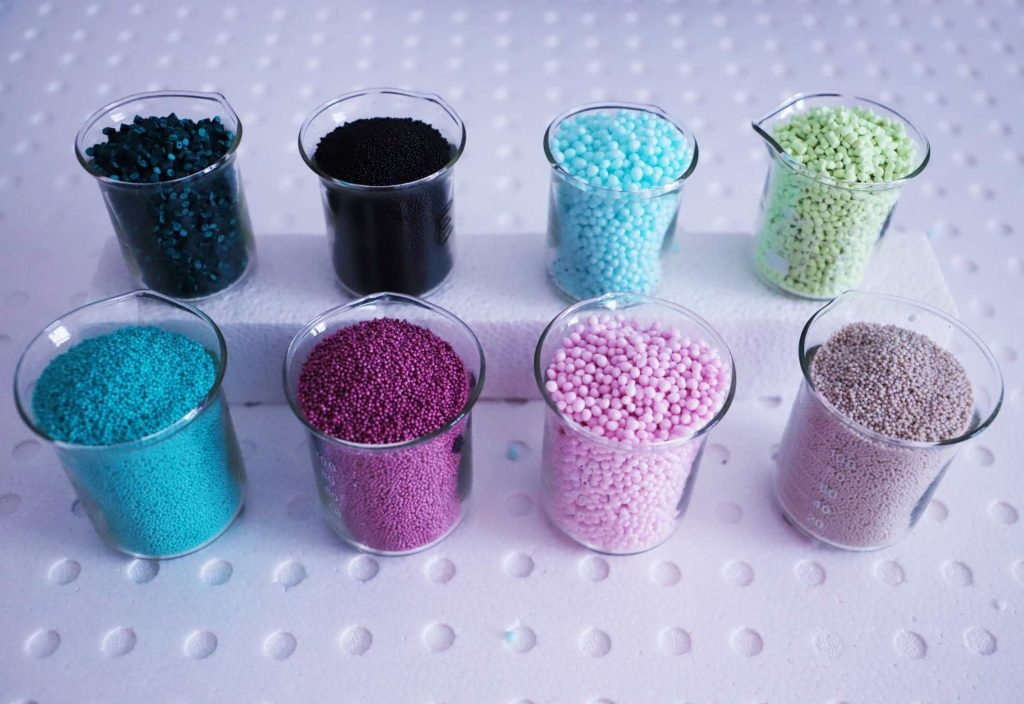
El tamaño de partícula de REPS puede considerarse en el diseño de la bandeja o inserto. Un rango estándar es de aproximadamente 0,8 a 1,2 mm, mientras que un proyecto de bandeja representativo utiliza de 0,65 a 0,8 mm. No se debe elegir un rango más fino o más grueso por costumbre; debe coincidir con las cavidades, nervaduras, radios y características superficiales que el inserto debe reproducir.
El equipo de producción independiente permite la fabricación de partículas en capas y el ajuste según las necesidades del proyecto. En el sector electrónico, esta flexibilidad ayuda al proveedor a equilibrar la precisión de los detalles con el peso, la resistencia y el rendimiento de desmoldeo. La muestra aprobada debe incluir la descripción del material seleccionado y el requisito de tamaño de partícula.
Plan de recuperación y aislamiento para reciclaje
Para los compradores que utilizan el término de búsqueda "aislante de reciclaje" en el abastecimiento transfronterizo, la cuestión práctica es cómo se gestionará el inserto después de la entrega. El REPS es reciclable dentro de la categoría 6 de reciclaje de PS y puede reciclarse internamente para su regranulación o tratamiento de degradación cuando el proyecto lo permita.
Esto no elimina la necesidad de verificar las condiciones locales de recolección y clasificación. Sin embargo, ofrece a las marcas de electrónica, fabricantes por contrato y empacadores de exportación una información más clara sobre los materiales que un inserto de espuma sin un plan de recuperación.
Cómo la estructura de la bandeja afecta el riesgo de daños
Costillas de soporte, cavidades y distribución de la carga
Un inserto para componentes electrónicos debe sujetar el marco o las zonas reforzadas, en lugar de presionar contra la superficie más delicada. Las nervaduras permiten fijar el producto en varios puntos, mientras que las cavidades reservan espacio para pantallas, lentes, conectores, cables y accesorios. El diseño adecuado depende del dispositivo, no solo de su longitud y anchura exteriores.
Para una tableta, el inserto puede requerir una superficie abierta y soportes en los bordes que mantengan el cristal alejado de la pared de la caja. Para un instrumento, pueden ser necesarios compartimentos más profundos alrededor de la sonda, el mango o el módulo extraíble. El dibujo debe mostrar tanto las zonas protegidas como las áreas que deben permanecer accesibles.
La comparación de materiales es solo una herramienta de selección; el prospecto aún necesita aprobación en función del dispositivo, la caja y la vía de manipulación.
Ángulo de extracción, presión de apilamiento y movimiento de transporte
La extracción forma parte del proceso de protección. Si un operario debe tirar contra una nervadura estrecha, el inserto puede romperse o el producto puede salir de la cavidad en ángulo. Si la caja se apila demasiado, la bandeja inferior puede deformarse incluso si el primer envío parece estar en buen estado.
Las revisiones de muestra deben incluir carga y descarga repetidas, apilamiento de cajas y movimientos que se asemejen al almacén previsto y a la ruta de envío.
Cómo adaptar los insertos REPS a diferentes dispositivos electrónicos
Embalaje de teléfonos móviles y tabletas
Los teléfonos y las tabletas suelen requerir un inserto ligero con un soporte preciso en los bordes, una separación limpia y espacio para cargadores o cables. Una cavidad compacta puede reducir el movimiento, pero no debe cubrir botones, puertos, módulos de cámara ni superficies que requieran inspección antes del envío.
El Embalaje de espuma REPS La gama de productos es un buen punto de partida para hablar de la espuma de embalaje electrónico ligera, mientras que el inserto final debe ser aprobado comparándolo con el dispositivo y el conjunto de accesorios reales.
Embalaje de instrumentos de precisión
Los instrumentos de precisión pueden combinar peso con elementos de calibración frágiles. El inserto puede requerir una base firme, soportes laterales con forma y un compartimento separado para sondas o componentes pequeños. Los compradores deben verificar si el producto se puede extraer sin dañar un punto de calibración y si el paquete se mantiene estable al ser movido por dos personas o un carrito.
HUASHENG La información del producto incluye el embalaje de instrumentos de precisión, entre otras aplicaciones relevantes para determinados materiales de espuma. Para un proyecto REPS, el proveedor debe confirmar el material exacto y el proceso de moldeo, en lugar de considerar que todos los tipos de espuma son intercambiables.
Qué deben comprobar los compradores antes de la producción en serie.
Ajuste, respuesta al impacto y manejo repetido
Solicite muestras fabricadas con la geometría de inserción prevista. Cargue el dispositivo en la dirección normal, cierre la caja, retírelo en el ángulo de desembalaje previsto y repita el proceso. Compruebe que no haya movimiento, marcas de presión, nervaduras rotas, dificultad para extraerlo y contacto con accesorios.
Las pruebas de transporte deben reflejar la disposición real de las cajas y la ruta de manipulación. Un resultado de laboratorio que no coincida con la configuración de envío puede generar una discrepancia entre la aprobación y el rendimiento en condiciones reales.
Estabilidad dimensional y consistencia entre lotes
El inserto debe conservar su forma tras el almacenamiento, el apilamiento y la manipulación habitual. Compare varias muestras de la misma tanda de producción y, a continuación, compare la muestra aprobada con piezas posteriores. Las diferencias en la profundidad de la cavidad, la altura de las nervaduras o la contracción pueden modificar el soporte del borde de la pantalla o del cuerpo del instrumento.
Documente el plano aprobado, la identificación del material, el rango de tamaño de partícula, los puntos de inspección y el método de embalaje. REPS utiliza un método de masterbatch físico y un proceso de pre-espumado y moldeo, por lo que el material previsto y la ruta de moldeo deben registrarse antes de introducir una nueva versión del dispositivo o un pedido de reemplazo.
¿Por qué HUASHENG REPS encaja en esta reseña de empaques?
Tamaños de partículas personalizados y desarrollo de proyectos
HUASHENG ofrece producción personalizada según los requisitos del proyecto, incluyendo el análisis del tamaño de las partículas y el desarrollo de insertos o bandejas. Esto es especialmente relevante cuando una bandeja para teléfono requiere un acabado de borde preciso, un inserto para instrumentos necesita un soporte más profundo o un kit mixto requiere varios compartimentos separados.
El Información sobre el material R-EPS Proporciona un punto de partida técnico para analizar la tenacidad, el tamaño de partícula, el moldeo y el reciclaje. Posteriormente, los compradores deben relacionar estos puntos con un dibujo de muestra y una lista de verificación de aceptación.
Pregunte cómo se llevará la muestra aprobada a la producción en serie, cómo se verifican las dimensiones de la cavidad y cómo se manejan las revisiones posteriores del dispositivo. HUASHENG describe un soporte coordinado en el análisis de requisitos, la producción de muestras, la fabricación, la logística y el servicio posventa; los compradores pueden utilizar el Alcance de la aplicación de pantallas y electrónica y el contacto del proyecto HUASHENG al planificar una discusión de muestra.
Preguntas frecuentes
P1: ¿Se pueden utilizar los insertos de espuma REPS para el embalaje de teléfonos y tabletas?
A1: Se pueden evaluar para el embalaje de teléfonos y tabletas cuando la cavidad, los soportes de los bordes, los bolsillos para accesorios y la vía de extracción coinciden con el dispositivo real. La aprobación de la muestra debe incluir movimiento, marcas de presión y carga repetida.
P2: ¿Qué detalles de la bandeja son más importantes para los aparatos electrónicos frágiles?
A2: Verifique las zonas de soporte, la profundidad de la cavidad, el espacio libre alrededor de las rejillas y los conectores, la resistencia de las nervaduras, el comportamiento de apilamiento y el ángulo de extracción. Estos detalles indican si el inserto protege el producto sin aumentar la mano de obra ni generar puntos de daño.
P3: ¿Cómo pueden los compradores confirmar la consistencia del lote antes de la producción en masa?
A3: Aprobar el dibujo y la descripción del material, registrar el rango de tamaño de partícula, inspeccionar varias muestras y comparar las dimensiones y el ajuste de la cavidad. Preguntar al proveedor cómo se documentarán las revisiones posteriores del dispositivo y los pedidos de reemplazo.
 Spanish
  English
  German
  French
  Arabic