
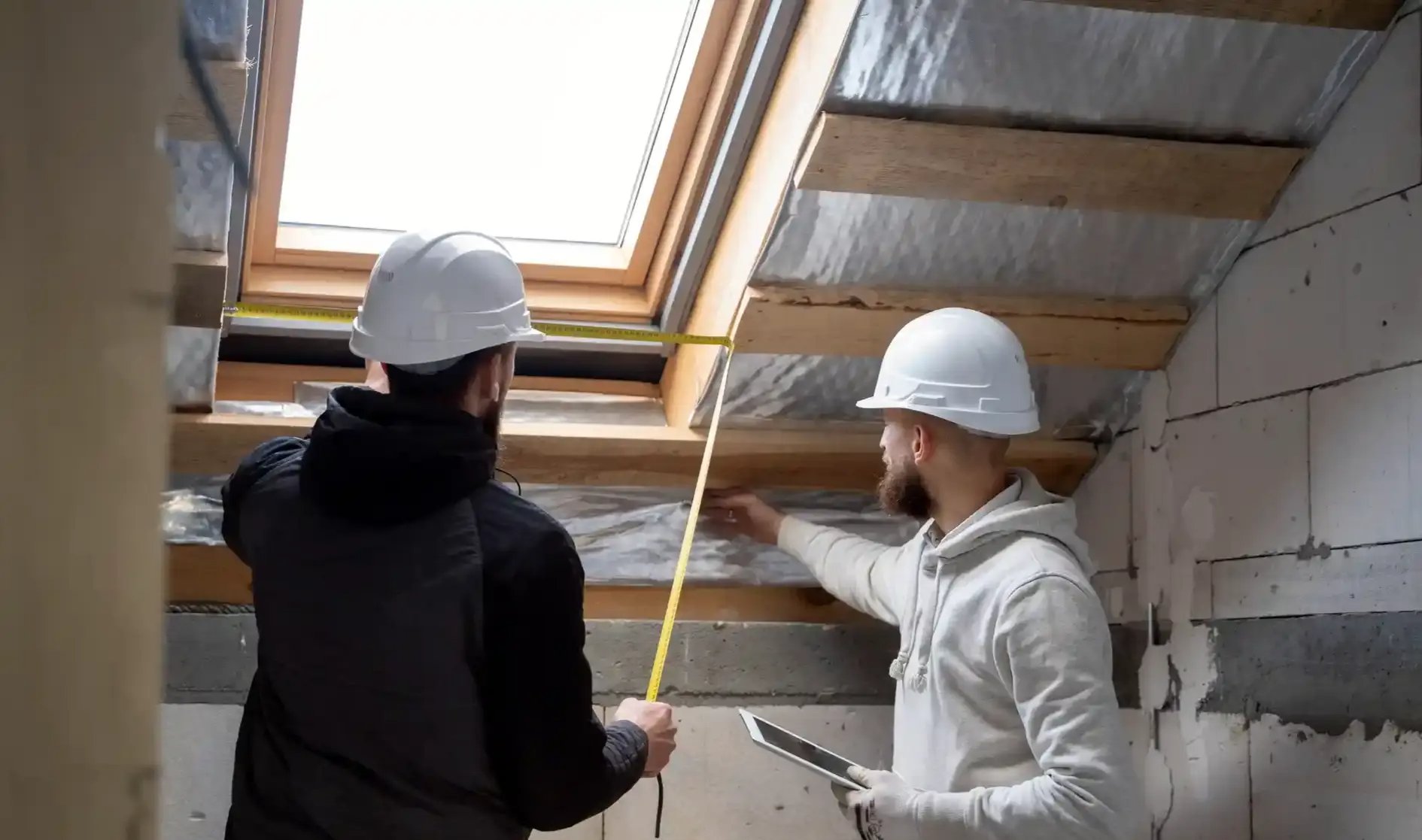
Para muchos compradores de proyectos, el aislamiento ya no es solo un elemento más en la lista de materiales. Afecta el costo de la energía, el espesor de la pared, la velocidad de instalación, el cumplimiento de las normas contra incendios, el peso del envío y el rendimiento del edificio a largo plazo. Por eso Espuma de EPS El aislamiento seguirá acaparando la atención en 2026, especialmente en la construcción, la cadena de frío, el aislamiento industrial y los proyectos de relleno ligero.
¿Por qué el aislamiento de espuma EPS sigue siendo importante para los proyectos de 2026?
El EPS tiene un peso ligero porque la mayor parte de su estructura está compuesta por celdas rellenas de aire. Esto facilita su manipulación en obra y reduce la presión durante el transporte en comparación con materiales aislantes más pesados. Para paneles de construcción de gran tamaño, cajas de cadena de frío o bloques de relleno ligeros, esto puede marcar una gran diferencia.
La principal razón por la que se utiliza aislamiento de EPS es la regulación térmica. El EPS aísla del flujo de calor y, por lo tanto, reduce las necesidades de calefacción y refrigeración de los edificios. En las cajas de la cadena de frío, el EPS ayuda a mantener la temperatura interior constante.
El EPS tiene múltiples aplicaciones. Puede moldearse para fabricar paneles aislantes, embalajes moldeados, contenedores para pescado, componentes ornamentales, bloques de relleno ligeros y productos de espuma personalizados. Esto ofrece a los compradores mayor flexibilidad para adaptar la forma del material a las necesidades específicas de cada aplicación. El fabricante puede modificar la densidad, el tamaño del grano, la proporción de espuma y la tecnología de moldeo según el diseño del proyecto.
¿Qué hace que la espuma EPS sea buena para el aislamiento térmico?
La estructura de espuma de celda cerrada ayuda a ralentizar la transferencia de calor.
El EPS se fabrica a partir de perlas de poliestireno expandido. Durante su producción, las perlas se expanden y se fusionan, formando una estructura de espuma con numerosas celdas pequeñas. Estas celdas atrapan el aire, que es un mal conductor del calor. Esta es la razón principal por la que el EPS proporciona aislamiento con poco peso. Una buena fusión es fundamental. Si las perlas no se adhieren correctamente, el producto final puede presentar zonas débiles o poca estabilidad dimensional.
La densidad y la calidad de la fusión afectan la estabilidad del aislamiento.
La densidad no solo influye en la resistencia, sino también en el comportamiento de la espuma durante su producción, almacenamiento y uso. El EPS de baja densidad puede reducir el peso y el coste del material, pero algunos proyectos requieren una mayor densidad para una mejor resistencia a la compresión y estabilidad dimensional. Por ejemplo, el aislamiento de paredes y suelos, los paneles para tejados y los proyectos de casas pasivas pueden requerir diferentes rangos de densidad.
Los grados de grafito y negro de humo mejoran el rendimiento térmico.
El EPS estándar ya proporciona un buen aislamiento térmico, pero las versiones con grafito y negro de humo pueden mejorar aún más su rendimiento. Las partículas de grafito ayudan a absorber y reflejar la energía radiante dentro de la espuma, reduciendo así la transferencia de calor.
Grados de negro de humo, como HUASHENGEl poliestireno expandido de carbono (FGE) de baja conductividad térmica de la marca está diseñado para el aislamiento térmico en la construcción y la industria. Ayuda a reducir la conductividad térmica y, al mismo tiempo, ofrece propiedades antiestáticas.
Opciones de aislamiento de espuma EPS para diferentes necesidades de proyectos
El aislamiento de EPS no es un producto único. Para una selección adecuada, se debe comenzar por la aplicación y luego elegir el grado correcto.
Grado estándar E para uso general en aislamiento y embalaje.
Grado estándar E Es un material EPS común utilizado en materiales de aislamiento térmico, embalaje eléctrico, flotadores de pesca, artesanías, decoraciones y moldeo por inyección de espuma. Es apto para máquinas de termoformado al vacío automáticas, máquinas de termoformado de accionamiento eléctrico y prensas hidráulicas de elevación tradicionales.
Para los compradores, este tipo de grado puede tenerse en cuenta cuando el proyecto requiere una opción de EPS estándar con un procesamiento estable y un uso general como aislante.
FSH: Grado de resistencia a la llama según la norma europea para aislamiento en edificios e industria.
Grado de retardante de llama según la norma europea FSH Es apto para el aislamiento térmico en edificios e industrias, incluyendo el aislamiento pasivo de habitaciones. Está diseñado para una formación de espuma uniforme, un curado rápido, una buena fusión y una mayor resistencia a la compresión.
Para los compradores de materiales de construcción, este tipo de grado es útil cuando el rendimiento del aislamiento, la resistencia al fuego, la resistencia mecánica y la eficiencia de producción son factores importantes. Debe verificarse junto con los requisitos del código de construcción local y los documentos de prueba.
Poliestireno grafitado S-33 y S-32 para edificios de bajo consumo energético.
S-33 y S-32 Grafito Poliestireno Son más adecuados para compradores que necesitan un mayor rendimiento de aislamiento. El S-33 se utiliza principalmente para el aislamiento de paredes exteriores y edificios de bajo consumo energético. El S-32 está diseñado para casas pasivas y construcciones de alto rendimiento energético.
Estas calidades de grafito son un buen ejemplo de cómo se puede mejorar el EPS para satisfacer las necesidades de la construcción moderna. No se trata simplemente de paneles de EPS blancos estándar con un color diferente. Su rendimiento térmico se debe a la modificación del material dentro de la estructura del polímero.
Las categorías de productos de HUASHENG incluyen grado común, grado ignífugo, grado grafito, grado de protección ambiental, grado negro de humo y REPS personalizados, lo que ofrece a los compradores varias opciones para comparar.
Dónde se puede aplicar el aislamiento de espuma EPS en 2026
El aislamiento de EPS se utiliza en mucho más que paredes exteriores. En 2026, los compradores lo están aplicando en edificios, sistemas industriales, cadenas de frío y proyectos de moldeo a medida.
Aislamiento de paredes exteriores y edificios de bajo consumo energético
El aislamiento de paredes exteriores sigue siendo uno de los usos más comunes del EPS. Se puede considerar el EPS estándar, el EPS ignífugo y el EPS con grafito, según el tipo de edificio, el rendimiento energético deseado y la normativa local contra incendios.
Proyectos de construcción de alta calidad y con certificación Passive House
Los proyectos de casas pasivas y edificios de alto estándar suelen requerir una menor conductividad térmica y una mayor estabilidad dimensional. Se pueden considerar grados de grafito como el S-32 y el S-33 cuando los compradores necesitan un aislamiento térmico superior al del EPS convencional.
Aislamiento térmico industrial y protección de equipos
Las aplicaciones industriales del EPS o R-EPS pueden incluir el uso de materiales para aislamiento térmico, relleno ligero, protección de equipos y soporte estructural. Es necesario investigar a fondo la resistencia a la compresión de estos materiales bajo diferentes temperaturas y condiciones ambientales.
Cajas para cadena de frío, cajas para mariscos y envases con temperatura controlada.
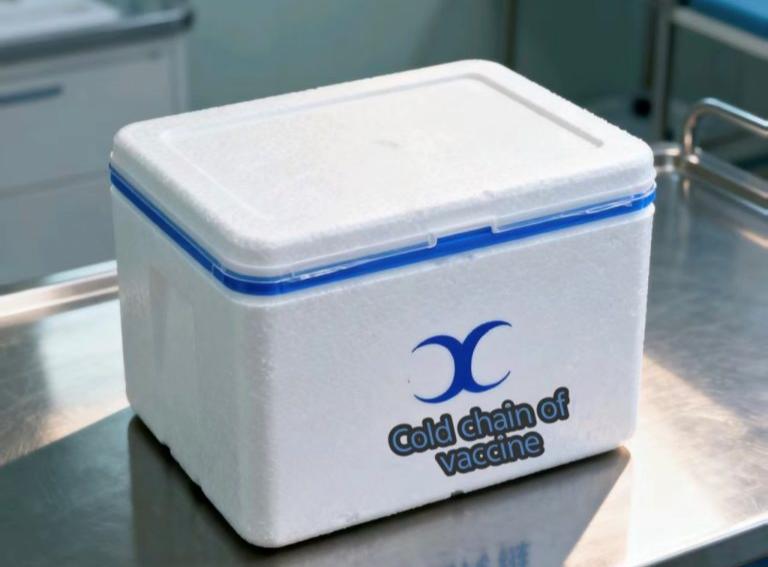
El EPS también se utiliza ampliamente en cajas de cadena de frío, Cajas para mariscos, frutas, verduras y embalaje para el transporte de productos farmacéuticos. El mismo principio de aislamiento ayuda a ralentizar la transferencia de calor durante el transporte. Para su uso en la cadena de frío, los compradores también deben verificar la resistencia a la humedad, el grosor de las paredes de la caja, el ajuste de la tapa y el tiempo de transporte.
Rellenos ligeros, materiales decorativos y piezas moldeadas a medida.
El EPS se puede utilizar como relleno ligero, material decorativo, para manualidades y para la fabricación de piezas moldeadas a medida. En estos casos, el aislamiento no siempre es el único objetivo. El bajo peso, la facilidad de moldeo y la estabilidad del moldeado pueden ser igualmente importantes.
Qué deben comparar los compradores antes de elegir el aislamiento de espuma EPS.
Un comprador debe comparar el aislamiento de EPS según las necesidades reales del proyecto, no según un solo parámetro.
Conductividad térmica y rendimiento energético objetivo
La conductividad térmica suele ser el primer dato que los compradores deben verificar. Es necesario determinar si el EPS estándar es suficiente o si se debe utilizar EPS con grafito o negro de humo. En el caso de edificios energéticamente eficientes, incluso una ligera variación en la conductividad térmica puede ser importante.
Densidad, resistencia a la compresión y estabilidad dimensional
La densidad y la resistencia a la compresión influyen en el comportamiento de la espuma bajo presión. Para paneles de pared, paneles de techo, pisos y aplicaciones de relleno, la estabilidad dimensional también es importante. Los compradores deben solicitar datos del producto y pruebas de muestras.
Requisitos de clasificación de resistencia al fuego, índice de oxígeno y códigos de construcción locales
La documentación relativa al fuego debe revisarse antes de su uso en la construcción. Si bien los grados de resistencia al fuego pueden cumplir con ciertos requisitos B1 o B2, las normas locales varían según el mercado. Los compradores deben confirmar la documentación antes de firmar pedidos al por mayor.
Exposición a la humedad, condiciones de almacenamiento y resistencia a la intemperie.
La humedad y las condiciones de almacenamiento pueden afectar el rendimiento del aislamiento y la estabilidad del panel. Los compradores deben confirmar si el producto se utilizará en interiores, exteriores, bajo sistemas de fachada, en almacenamiento húmedo o en condiciones de cadena de frío.
Equipo de procesamiento, relación de espumado y ciclo de moldeo
Los distintos grados de EPS se adaptan a diferentes máquinas y ciclos de producción. Los compradores deben confirmar la proporción de espumado, el tiempo de curado, el ciclo de moldeo y la compatibilidad del equipo antes de realizar pedidos grandes.
Preguntas frecuentes
P1: ¿Es adecuado el aislamiento de espuma EPS para grandes proyectos de construcción?
A1: Sí. El aislamiento de espuma EPS se puede utilizar para diversos fines constructivos, como aislamiento de paredes y techos, casas pasivas y relleno ligero. El consumidor debe verificar la densidad, la clasificación de resistencia al fuego, el coeficiente de transferencia de calor y las normativas locales antes de comprar grandes cantidades.
P2: ¿Qué grado de EPS de HUASHENG es mejor para un aislamiento de alto rendimiento?
A2: Para un mayor rendimiento de aislamiento térmico, los compradores pueden considerar el poliestireno grafitado S-33 y S-32 o el poliestireno de carbono de baja conductividad térmica FGE. Para cumplir con los requisitos de resistencia al fuego de los edificios, el grado ignífugo FSH (norma europea) también puede ser adecuado según las condiciones del proyecto.
P3: ¿Qué deben confirmar los compradores antes de pedir aislamiento de espuma EPS al por mayor?
A3: Los compradores deben confirmar la conductividad térmica, la densidad, la resistencia a la compresión, el grado de resistencia al fuego, el índice de oxígeno, la exposición a la humedad, los resultados de las muestras, la cantidad mínima de pedido (MOQ), el plazo de entrega, el embalaje de exportación, las opciones de personalización y el soporte técnico posventa antes de realizar pedidos al por mayor. Si tiene alguna pregunta, no dude en contactarnos. contacto HUASHENG.
 Spanish
  English
  German
  French
  Arabic