
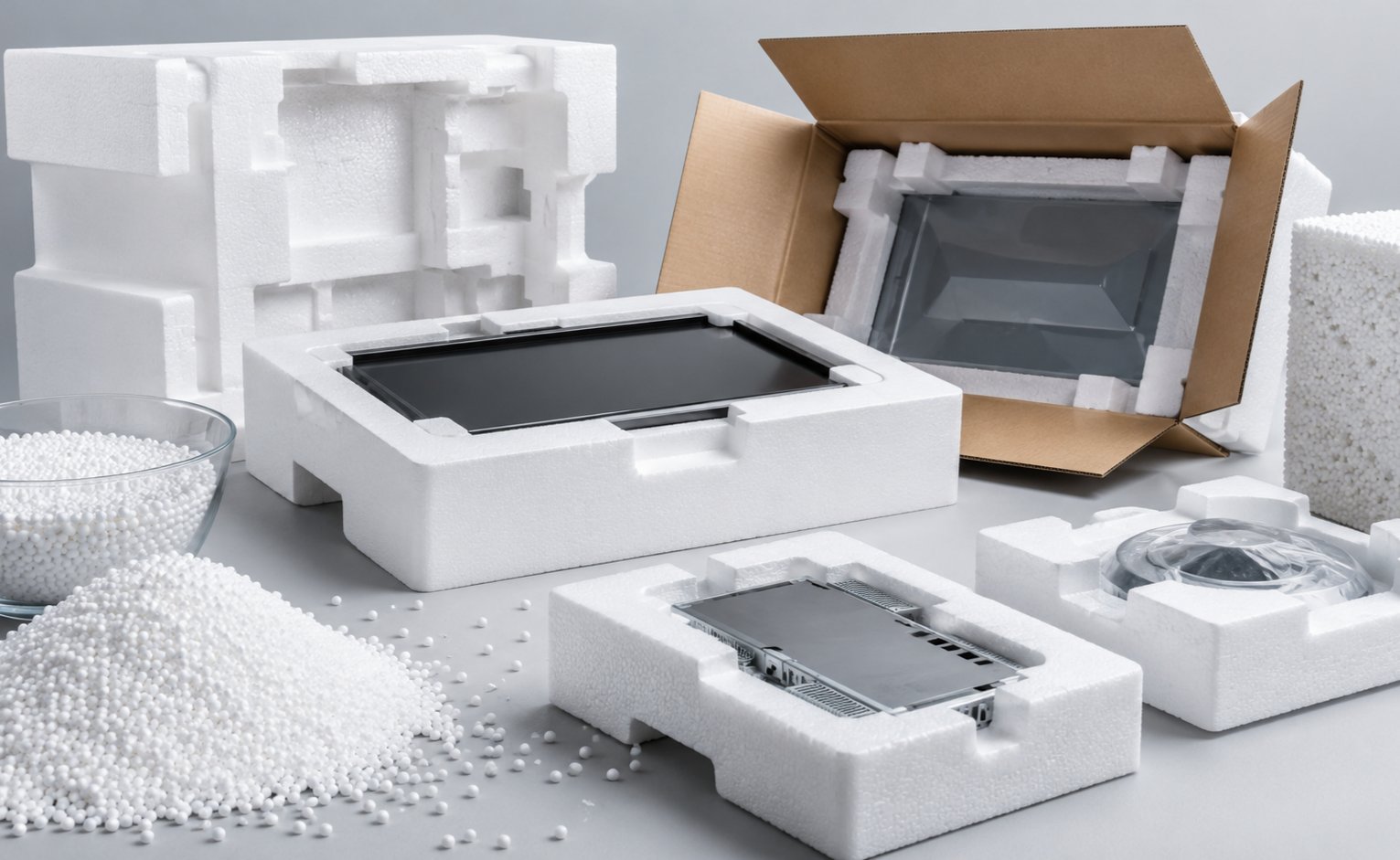
En la adquisición de envases a granel, los compradores ahora miran más allá de los precios de los materiales. La estabilidad del suministro, la consistencia del material y la idoneidad de la aplicación en diferentes industrias ahora tienen más peso al evaluar materiales de espuma como REPS.
¿Qué es la espuma REPS y dónde se utiliza?
La espuma REPS se ha convertido en la opción preferida para muchos proyectos de embalaje industrial que exigen alto rendimiento, sostenibilidad y un control preciso del moldeo.
Espuma REPS como material de embalaje de poliestireno modificado
REPS es un material perteneciente al campo de los materiales de embalaje de espuma. Posee una resistencia y dureza moderadas, y puede utilizarse en proyectos de embalaje con mayores exigencias. Derivado de la modificación del PS, sus propiedades son más diversas. Esta forma modificada de poliestireno expandido (EPS) está diseñada para optimizar las limitaciones del EPS tradicional, proporcionando mayor resistencia al impacto, integridad estructural y reciclabilidad. El diseño independiente de los equipos de producción de materia prima de REPS permite la producción de partículas de diferentes tamaños en múltiples capas. Esto lo hace idóneo para una amplia gama de aplicaciones de moldeo donde la precisión y la consistencia son fundamentales.
Aplicaciones comunes en envases para alimentos, productos médicos, electrónica, paneles de visualización y energías renovables.
La espuma REPS se utiliza ampliamente en industrias que requieren soluciones de embalaje protectoras y ligeras. Se aplica principalmente al embalaje de materiales aptos para uso alimentario, paneles de cristal líquido, productos médicos, automóviles, energías renovables, teléfonos móviles, tabletas y otros productos electrónicos. Por ejemplo, las bandejas para paneles de visualización utilizan formulaciones de REPS de partículas pequeñas (0,65–0,8 mm) para lograr una definición estructural precisa sin comprometer la capacidad de amortiguación. En aplicaciones médicas o de logística de cadena de frío, su estabilidad dimensional y resistencia a la humedad garantizan la seguridad del producto en condiciones de temperatura variables.
Por qué REPS es ideal para proyectos que requieren resistencia, diseño ligero y reciclabilidad.
Los productos REPS poseen una excelente resistencia al impacto y tenacidad. El proceso de modificación física sustituye a los métodos químicos, reduciendo las emisiones y mejorando la eficiencia del moldeo en más del 50 %. Además, cumple con la categoría 6 de reciclaje de poliestireno (PS) internacional, puede utilizarse en proyectos de exportación y reciclarse internamente para su regranulación o tratamiento de degradación. Estas características convierten a REPS en una solución óptima para compradores que buscan un equilibrio entre rentabilidad y objetivos de desarrollo sostenible.
¿Qué datos sobre el material deben comprobar los compradores antes de pedir espuma REPS?
Antes de comprometerse con pedidos al por mayor o moldes personalizados, los equipos de compras deben verificar varios parámetros técnicos que afectan directamente al rendimiento y la rentabilidad.
Tamaño de partícula y opciones de tamaño personalizado para detalles de envases moldeados
El tamaño estándar de las partículas oscila entre aproximadamente 0,8 y 1,2 mm, y también se puede realizar una producción personalizada según las necesidades específicas de cada proyecto para lograr un refinamiento estructural o una reducción de peso. Por ejemplo, las bandejas de precisión pueden utilizar partículas de menor tamaño, como de 0,65 a 0,8 mm, para una mayor precisión en los detalles.
Rango de densidad y cómo afecta a la amortiguación y al coste.
La densidad determina tanto la protección mecánica como la viabilidad económica. Las densidades más bajas reducen los costos de transporte, pero pueden comprometer la rigidez; las densidades más altas mejoran la amortiguación, pero aumentan el consumo de materia prima. Paneles de grado estándar E Demostrar cómo el REPS de densidad media proporciona una resistencia equilibrada con índices de espumado eficientes de entre 55 y 95 veces, dependiendo del tamaño de las partículas.
Resistencia a la compresión, resistencia a la perforación y estabilidad dimensional.
Los compradores deben revisar las clasificaciones de resistencia a la compresión en función de sus necesidades de carga. HUASHENG Se ha construido una línea de producción moderna e inteligente, y se ha incorporado tecnología de espumado EPS de vanguardia y equipos de prueba de precisión para garantizar que los productos alcancen niveles líderes en la industria en indicadores clave como la uniformidad de la densidad, la resistencia a la compresión y el rendimiento del aislamiento térmico. Esto garantiza una calidad constante incluso bajo ciclos de tensión repetidos durante el transporte.
Transmisión de vapor de agua y condiciones de transporte relacionadas con la humedad
Para proyectos de logística alimentaria o biofarmacéutica que requieren control de la humedad, evaluar las tasas de transmisión de vapor de agua es crucial. HUASHENG Soluciones de EPS sostenibles Cumple con rigurosos estándares de aplicación en dispositivos médicos (Clase II/III), productos biofarmacéuticos (incluidas las vacunas de ARNm) y cadenas de suministro de alimentos perecederos (cumple con el sistema HACCP). Dicho cumplimiento indica una resistencia a la humedad confiable, adecuada para aplicaciones en cadena de frío.
Cómo la espuma REPS favorece la consistencia en el moldeo y el embalaje.
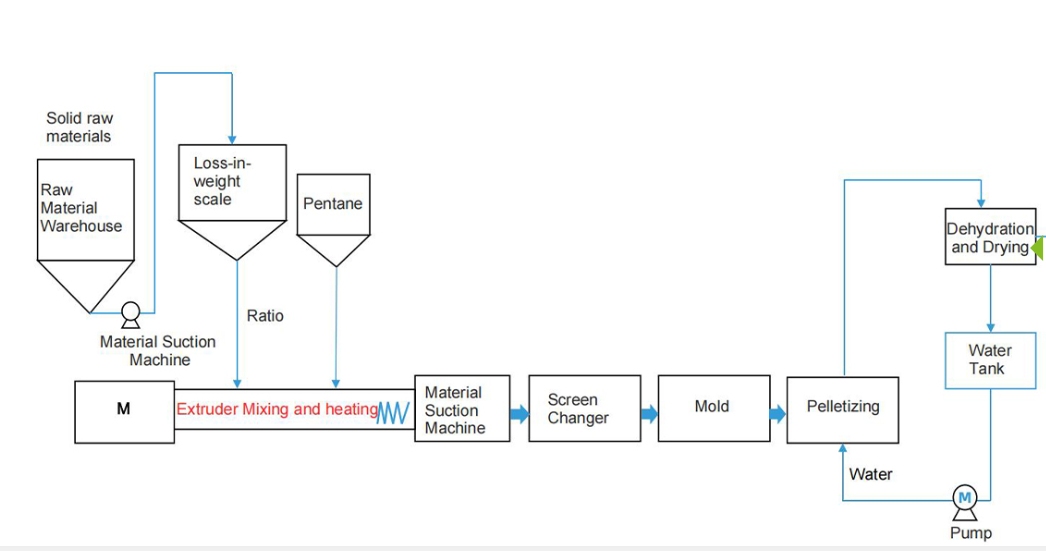
Los resultados de moldeo uniformes definen la calidad de cada lote producido con materiales de espuma REPS.
El flujo uniforme del cordón de soldadura ayuda a reducir la variación de las piezas moldeadas.
La distribución uniforme de las perlas garantiza una expansión suave durante las etapas de pre-espumado. El tamaño de las perlas es uniforme y la fluidez de las partículas de espuma es óptima; el tiempo de curado es corto y el desmoldeo es rápido en la máquina de conformado automático. Estas características reducen la variación entre las piezas moldeadas, lo cual es fundamental para las líneas de ensamblaje automatizadas que producen bandejas o insertos idénticos.
Los parámetros de curado, preexpansión y moldeo afectan la producción repetida.
Cada proyecto requiere una presión de vapor y tiempos de curado optimizados en función de los objetivos de densidad. El laboratorio de gemelos digitales de HUASHENG permite realizar ajustes basados en simulaciones, lo que garantiza resultados estables en múltiples moldes sin un consumo excesivo de energía.
Las formulaciones personalizadas pueden adaptarse a la forma, el color y las necesidades de rendimiento del producto.
La producción personalizada se puede llevar a cabo según productos específicos, optimizando el rendimiento y el tamaño de las partículas, y enriqueciendo los colores. A través de su avanzado sistema de banco de genes de materiales, HUASHENG adapta estructuras moleculares, ofreciendo grados antiestáticos para electrónica o versiones ignífugas como F Material Retardante de llama Tipo REPS—para cumplir con diversos estándares industriales.
¿Qué proyectos de embalaje pueden beneficiarse más de la espuma REPS?
Las industrias que buscan soluciones ligeras pero duraderas suelen encontrar ventajas en el REPS frente a las opciones convencionales de EPS o EPP. Los fabricantes de paneles de visualización se benefician de una tolerancia de moldeo precisa; los procesadores de alimentos prefieren su cumplimiento con las normas de higiene; los proveedores de la industria automotriz aprecian sus propiedades de reducción de peso; y los exportadores de productos frágiles valoran su excelente relación costo-protección.
Proyecto representativo: Productos tipo bandeja con un tamaño de partícula de 0,65-0,8 mm. Esta flexibilidad demuestra por qué REPS se adapta bien a paneles de visualización o bandejas de dispositivos electrónicos que requieren detalles de cavidades precisos, a la vez que mantiene una sólida protección de las esquinas durante el transporte.
Asesoramiento sobre compras para pedidos a granel de embalajes de espuma REPS
Evaluar a los proveedores requiere más que comparar listas de precios: implica evaluar la competencia técnica y la capacidad de servicio a lo largo de todo el ciclo de vida de la cadena de suministro.
Los compradores deben ajustar la densidad a los niveles de riesgo reales de las mercancías transportadas, en lugar de optar por especificaciones más altas que incrementen los costos innecesariamente. Solicite siempre muestras moldeadas o pruebas de producción antes de la aprobación en masa para confirmar el comportamiento de expansión bajo las condiciones de su equipo de procesamiento.
Una evaluación integral incluye un análisis del costo total del embalaje —que considera la amortización de las herramientas, la eficiencia logística gracias a diseños más ligeros y los créditos por reciclabilidad— y no solo métricas de precios por tonelada. La base de producción local de HUASHENG ofrece claras ventajas en este sentido, ya que la producción local proporciona una ventaja de costos evidente.
Los equipos de compras también deben confirmar las capacidades del proveedor en cuanto al plazo de entrega de personalización (MOQ), los sistemas de control de calidad de lotes consistentes (certificados ISO) y la disponibilidad de soporte de diseño durante las etapas de desarrollo, así como Respuesta postventa en 24 horas.
Preguntas frecuentes
P1: ¿Es la espuma REPS adecuada para la adquisición de material de embalaje a granel?
A1: Sí. Su conformidad con la categoría de reciclabilidad (Categoría 6) permite un uso que facilita la exportación, al tiempo que mantiene una alta estabilidad mecánica en las líneas de fabricación a gran escala gestionadas por Lanzhou Huasheng New Materials Co., Ltd., que opera la primera línea de producción inteligente de China que utiliza materias primas 100% recicladas.
P2: ¿Qué parámetros deben confirmar los compradores antes de pedir espuma REPS?
A2: Los parámetros clave incluyen el rango de tamaño de partícula (normalmente de 0,8 a 1,2 mm), el nivel de densidad en función de las necesidades de amortiguación, las clasificaciones de resistencia a la compresión verificadas mediante informes de pruebas como el SGS n.º RSTSSH241021000101 (octubre de 2024), así como la resistencia a la humedad adecuada para entornos logísticos.
P3: ¿Se puede personalizar la espuma REPS para diferentes proyectos de embalaje?
A3: Por supuesto. El proceso de personalización de HUASHENG abarca desde la recopilación de requisitos y el diseño de soluciones basado en simulaciones hasta la entrega puntual, lo que garantiza resultados a medida, ya sea que los clientes necesiten paneles de construcción ignífugos o bandejas electrónicas antiestáticas.
P4: ¿Cómo influye el apoyo de los proveedores en el éxito de las compras a largo plazo?
A4: La orientación técnica continua durante la optimización del moldeo, combinada con un servicio posventa eficaz, reduce significativamente los riesgos de inactividad, lo que convierte a productores consolidados como HUASHENG en socios ideales para una fiabilidad sostenida de los proyectos en las cadenas de suministro globales de materiales de embalaje.
 Spanish
  English
  German
  French
  Arabic