
Hoy’ en las industrias, la selección del material adecuado ayuda a equilibrar el buen rendimiento, el bajo costo y el cuidado del medio ambiente. Las empresas a menudo buscan opciones que se adapten a muchos usos sin perder la fiabilidad. Para ver por qué la espuma EPS sigue siendo popular, necesitamos ver sus principales puntos fuertes.
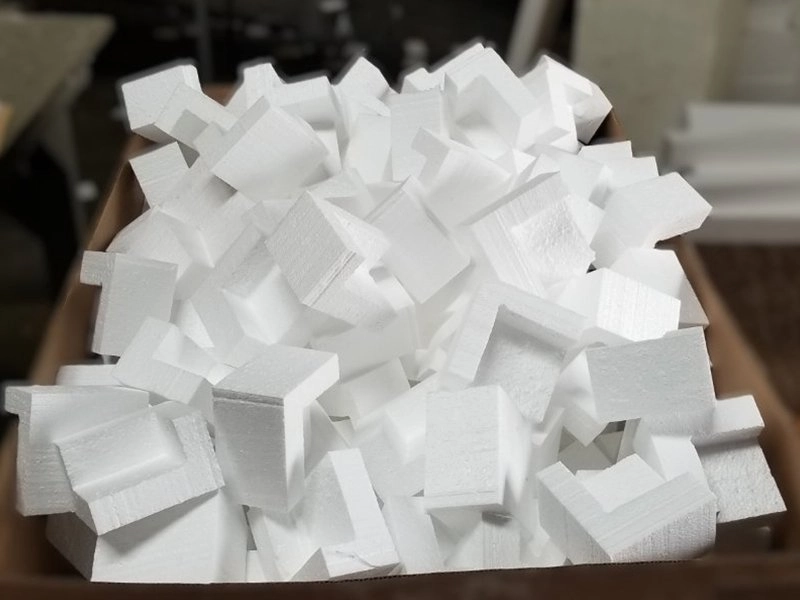
¿Qué hace que la espuma de poliestireno expandido (EPS) sea un material preferido?
La espuma de poliestireno expandido (EPS) ha seguido siendo una de las mejores opciones para materiales ligeros en muchos campos. Su combinación especial de resistencia, deformabilidad y bajo precio lo hace vital para construir, empaquetar y mantener el calor dentro. Encontrará su utilidad en usos desde empaquetado seguro para gadgets hasta tablas de bloqueo térmico fuertes en edificios que ahorran energía.
¿Cómo ofrece la espuma EPS versatilidad en varias aplicaciones?
La flexibilidad de Espuma de EPS proviene de su construcción ligera pero fuerte, lo que le permite ser moldeado en muchas formas o grosores para las necesidades exactas. El material estándar E sirve como un tipo común de EPS, y funciona bien con máquinas de formación al vacío automáticas, así como prensas hidráulicas de estilo antiguo. Esta facilidad permite a los fabricantes crear muchos tipos de artículos, desde rellenos de embalaje suaves hasta tablas de construcción resistentes. Por ejemplo, el B-Rapid Prototyping Grade EPS ofrece una gran protección contra golpes y rasgos de formación rápida, por lo que es adecuado para el embalaje de herramientas o artículos de arcilla exactos. Su tamaño uniforme ayuda a crear superficies uniformes y una construcción sólida después de dar forma. De la misma manera, los materiales ligeros P-extra se adaptan a grandes paneles de luz o paneles de mantenimiento térmico porque ofrecen un alto nivel de espuma y una buena estabilidad.
¿Por qué la espuma EPS es considerada amigable con el medio ambiente?
A pesar de que proviene de fuentes hechas por el hombre, hoy’ La fabricación de EPS se centra en formas verdes a través de la reutilización y el uso pequeño de energía. HUASHENG reutiliza 300.000 toneladas de EPS cada año. Esto ahorra 1.500.000 toneladas de petróleo crudo y 1.200.000 toneladas de dióxido de carbono. Este trabajo muestra cómo los sistemas de reutilización inteligentes convierten la basura en cosas útiles. Al mismo tiempo, reducen el daño a la naturaleza. Además, la empresa’ La fabricación en circuito cerrado alcanza tasas de reutilización de más del 95% para los residuos de las fábricas. La elección de retardantes de llama no HBCD en artículos como materiales de grado retardante de llama FHE-N-HBCD cumple con las normas REACH y ROHS de la UE. Esto demuestra que la fabricación verde puede ir con velocidad de fábrica.
¿Cómo contribuye el poliestireno expandido a la eficiencia energética?
A medida que el ahorro de energía es cada vez más importante en todo el mundo, la espuma EPS ayuda mucho a manejar el calor en los edificios. Su pequeña configuración de células mantiene bien el aire. Como resultado, corta el flujo de calor entre los espacios interiores y exteriores.
¿De qué manera la espuma EPS mejora el rendimiento del aislamiento?
La clave para la máxima potencia de mantenimiento térmico de EPS es su diseño de celdas selladas. El poliestireno de grafito S-33 agrega grafito plano natural al plástico a través de un método de prensado. Los trozos de grafito absorben y rebotan los rayos de calor en las bolas espumadas. Esto aumenta el bloqueo de calor en más de un 20% sobre el EPS regular. Por lo tanto, disminuye el flujo de calor mientras mantiene una construcción fuerte. Los tipos impulsados por grafito como el S-32 lo llevan más allá con un caudal de calor tan bajo como 0,032 W/m. ·K. Se adaptan a hogares que consumen poca energía o edificios con altas normas de ahorro energético. Estos artículos no solo reducen los costos de calefacción, sino que también apoyan objetivos más amplios para reducir el carbono en el aire. De esta manera, aportan ahorros al tiempo que ayudan a los objetivos ambientales.
¿Cómo puede la espuma EPS reducir el consumo de energía en la construcción?
Cuando se agregan a las paredes o techos de edificios, las tablas EPS reducen la pérdida de energía a lo largo del año. En el área de mantenimiento de calor de edificios, Espuma EPS de HUASHENG Los artículos muestran grandes habilidades en bloquear el calor, por lo que funcionan bien para reducir el uso de energía en los edificios. Al mantener el calor de la habitación constante, reducen la necesidad de sistemas de aire, y esto conduce a ahorros reales en las facturas de energía. Además, los tipos a prueba de incendios como el material retardante de llama F dan seguridad y buen trabajo porque mezclan un bajo flujo de calor con un bloqueo de incendios probado hasta el nivel B2 bajo las normas GB8624-2012.
¿Por qué elegir material EPS para soluciones de envasado?
Fuera de las tareas de construcción, el poliestireno expandido supera a otros en usos de embalaje seguros debido a su potencia de cojín suave y buen precio. Las cosas’ s incorporado protectores de toma de choques artículos finos de temblores o golpes en el camino.
¿Qué ventajas ofrece EPS para proteger los bienes durante el tránsito?
La espuma de EPS funciona como una pared dura que toma la energía de movimiento bien. El grado de prototipo B-Rapid se adapta al embalaje para herramientas domésticas, embalaje de arcilla, cajas de pescado, cajas de frutas, cajas de verduras, flotadores, artesanías y piezas de embalaje habituales. Este amplio uso se asegura de que las cosas, desde aparatos domésticos hasta piezas de fábrica, se alcancen sin daño. Su construcción duradera también significa que puede ser utilizado de nuevo muchas veces antes de su reutilización.
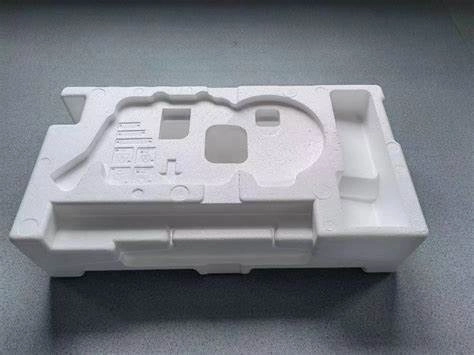
¿Cómo satisface el material EPS las necesidades de los requisitos de embalaje modernos?
En este momento, el mercado quiere cosas verdes pero fuertes que encajen con las ideas de economía redonda. Las construcciones ligeras reducen el peso del barco y el uso de combustible en la carretera. El material P-extra ligero se adapta a las máquinas de formación al vacío automáticas para tablas grandes o artículos de embalaje de herramientas. Funciona debido a su trabajo de espuma muy alto, y tales artículos combinan una construcción fuerte con el cuidado de la naturaleza. Esta mezcla es clave para las empresas que utilizan planes de mudanza verde. Además, las opciones de tamaño de cuentas permiten planes exactos de forma a artículo, que hacen el mejor uso del espacio mientras dan la máxima protección en cadenas de envío en todo el mundo.
¿Cómo puede beneficiarse de los productos EPS de HUASHENG?
Trabajar en equipo con un proveedor seguro trae una calidad constante en todos los usos, desde la construcción hasta el movimiento de mercancías. También ofrece ayuda personalizada con habilidades durante todo el tiempo del proyecto.
¿Qué diferencia a los productos de poliestireno expandido de HUASHENG?
HUASHENG da EPS superior respuestas hechas para satisfacer las necesidades exactas. Sus artículos provienen de un trabajo cuidadoso y nuevas ideas que aseguran la confianza en muchos usos. A través de su nueva tecnología de construcción de agujeros nanosellados, copiada por modelos de computadora cuántica, la resistencia de la prensa ha crecido en un 40%. Al mismo tiempo, reduce el paso del calor casi a la mitad en comparación con las opciones habituales. Si necesita tablas a prueba de incendios como el grado estándar europeo FSH para mantener el calor en el hogar de baja energía o cosas de forma rápida como perlas de grado B para líneas de forma automática, la firma ofrece selecciones cultivables que coinciden con las reglas mundiales como ISO 14067:2018 y UL 2809 certificados. Al elegir esta marca’ con nuevas mezclas, incluyendo la serie FGE reforzada con grafito, obtiene respuestas de construcción verde hechas para un buen trabajo y un ajuste verde largo.
Preguntas frecuentes
P: ¿Se puede reciclar eficazmente el poliestireno expandido?
R: Sí. El poliestireno expandido puede ser reciclado a través de procesos especializados que lo convierten en nuevos productos o materias primas. Estos métodos ayudan a convertir la vieja espuma en artículos frescos, lo que apoya el uso continuo sin mucho desperdicio.
P: ¿Es la espuma EPS segura para el envasado de alimentos?
R: Absolutamente. Es inerte y no tóxico. Muchos recipientes de alimentos utilizan variantes de grado alimentario porque conservan la frescura mientras cumplen con los estándares HACCP mencionados en iniciativas de soluciones sostenibles. Esto lo convierte en una opción fiable para mantener los alimentos seguros y frescos durante el almacenamiento y el transporte.
P: ¿Cómo se compara el costo del uso de EPS con otros materiales?
R: La rentabilidad proviene de menores necesidades de energía de producción combinadas con ahorros a largo plazo a través de una mayor eficiencia de aislamiento. Ofrece un equilibrio óptimo entre asequibilidad y beneficios de rendimiento en todos los sectores. En resumen, ahorra dinero por adelantado y con el tiempo, lo que lo convierte en una elección inteligente para muchas empresas.
 Spanish
  English
  German
  French
  Arabic