
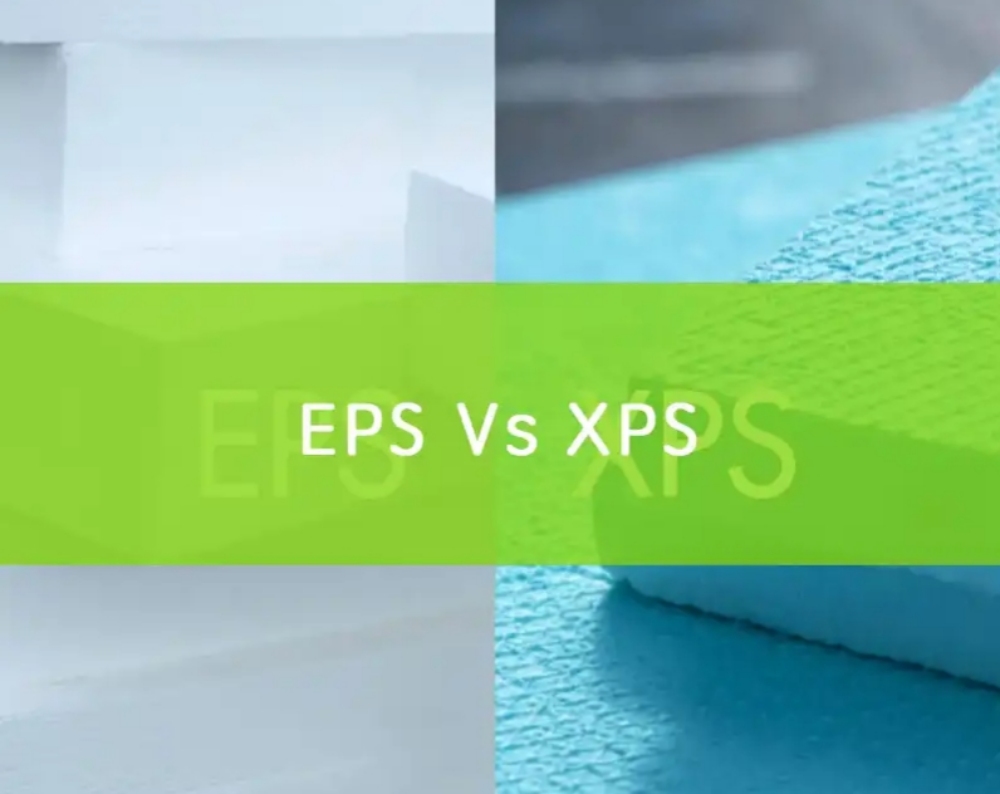
Energy efficiency in foam materials goes beyond just resisting heat transfer well. It also involves density, how it handles moisture, installation factors, and lasting thermal stability. Before directly comparing EPS and XPS, we should grasp what truly makes a foam material efficient for energy use in actual building and insulation tasks.
Understanding the Energy Efficiency of Different Foams
The energy efficiency of insulation foams matters greatly in sustainable building. Today’s construction rules stress materials that cut down heat movement, boost comfort, and lower energy use over the full life of a structure.
The Role of Insulation Materials in Energy Conservation
Insulation materials help save energy because they limit heat flow between inside and outside spaces, which boosts thermal results. We measure their success with R-value, a sign of thermal resistance—the bigger the R-value, the better the insulation works. Foams like Expanded Polystyrene (EPS) and Extruded Polystyrene (XPS) rank high in popularity thanks to their light weight, resistance to moisture, and simple setup.
Comparing EPS and XPS in Thermal Performance
EPS (Expanded Polystyrene) and XPS (Extruded Polystyrene) mainly differ in how they are made—EPS forms from pre-expanded beads through molding, while XPS comes from extrusion into steady sheets. These basic differences affect their heat conduction and vapor flow. EPS often lets vapor spread more freely, which avoids trapped moisture that might harm performance later. On the other hand, XPS starts with a bit higher R-values, but it can drop in efficiency as its gas agents escape over years. By looking at both, we can see which one gives better energy savings in everyday settings over the long run.
Composition and Manufacturing Differences Between EPS and XPS
Knowing how these materials get made helps explain why EPS blocks for sale usually do better than XPS options in terms of overall green benefits and balanced performance.
How EPS Foam Is Produced
EPS comes from expanding polystyrene beads with steam and pentane gas to create a closed-cell setup with densities that fit various needs. Its spaces between cells, which are somewhat open, improve vapor spread and lower risks of moisture getting stuck in walls or roofs.
The Production Process of XPS Foam
XPS foam arises from an extrusion method that builds a more even closed-cell setup with greater starting strength against compression yet less vapor flow than EPS. Still, as time passes, its held gases leak out, which cuts its heat-blocking power—a key point when thinking about energy efficiency that lasts.
Evaluating Energy Efficiency: Where EPS Can Offer Stronger Long-Term Value
When checking long-term heat stability and effects on the environment, EPS regularly shows better results than XPS.
Long-Term Thermal Resistance Stability
EPS keeps its R-values steady over time since its cells filled with air hold up well without breaking down. In comparison, XPS begins with somewhat higher R-values but slowly loses its insulating strength as gases slip away. Because it offers a dependable heat shield, EPS helps keep indoor spaces comfortable all year, which cuts the need for heating or cooling systems. This reliable action leads to real drops in energy use for daily building operations when using top-quality EPS blocks.
Moisture Management and Vapor Permeability Advantages
EPS’s partly open design lets vapor move in a controlled way, which stops water buildup from forming inside wall or roof setups—a vital trait for wet areas or places with freezing and thawing cycles. By contrast, XPS’s limited flow can hold moisture behind outer layers, which might cause mold or lessen insulation strength as years go by.
Environmental Impact and Sustainability Considerations
From a green viewpoint, EPS holds strong edges over XPS because it uses less carbon in making and offers more options for recycling.
HUASHENG recycles 300,000 tons of EPS each year, which saves 1,500,000 tons of crude oil and 1,200,000 tons of carbon dioxide. These green habits show how careful making can match worldwide goals to cut carbon while keeping product standards high.
Practical Applications of Energy-Efficient EPS Blocks for Sale
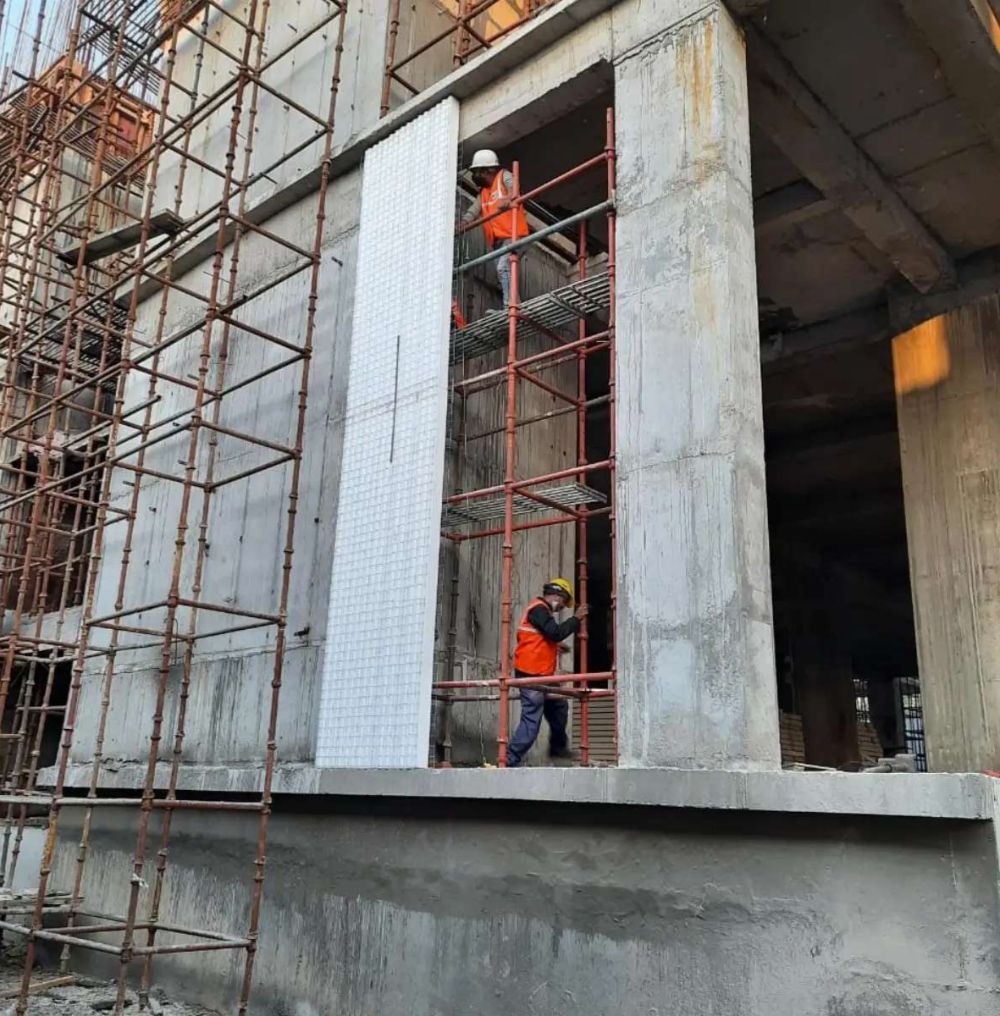
EPS blocks play a key part in current building designs because they adapt well to many construction setups focused on strong energy performance.
Use in Building Envelopes and Wall Systems
EPS blocks improve heat blocking in outer wall setups, bases, and roof structures by creating nonstop shields against heat loss or gain. Their light build makes setup easier without losing strength—perfect for home projects or big business builds aiming for LEED approval or other green scores. A clear case is the F Material Flame-Retardant Type, which has great sticking power and low heat conduction, fitting for tough outer building uses.
Integration with Modern Construction Technologies
EPS pairs smoothly with insulated concrete forms (ICFs), ready-made panels, or prefab building ways that target net-zero energy aims. It also fits well with green tech like solar-added fronts, which adds to its draw for designers chasing cutting-edge eco plans.
Economic Advantages of Choosing EPS Over XPS Blocks for Sale
Besides better tech features, picking EPS brings solid money benefits over a project’s full span—from buying to running.
Cost-Efficiency in Material Selection and Installation
Making EPS takes less power than the extrusion for XPS, so it costs less per unit of heat resistance gained. Plus, its light makeup lowers costs for moving and setting up, all while meeting toughness rules in current standards.
Return on Investment Through Energy Savings
Better blocking cuts are needed for heating and cooling all year, leading to big savings in running costs over many years. When added to green design plans like passive house rules or LEED builds, strong EPS adds real value over time through lower bills and less upkeep.
One fresh item to consider is the S Material Graphite Grade – Flame-Retardant Panels, which gives Class B1 fire safety along with low heat conduction of 0.033 W/(m·K). This makes it great for passive house outer layers that need top energy holding at fair prices.
FAQ
Q1: What makes EPS more energy efficient than XPS?
A1: EPS holds steady R-values over time since it relies on air-filled cells rather than man-made gases that leave XPS foam. Its vapor flow also stops moisture from building up, which could weaken insulation over time.
Q2: How does environmentally friendly manufacturing improve the performance of EPS blocks?
A2: Environmentally friendly manufacturing can reduce material waste, improve raw material control, and support more consistent foam expansion. For EPS blocks, this often means better material uniformity, steadier insulation performance, and fewer defects during cutting, shaping, or installation.
Q3: Where can I purchase reliable high-performance EPS blocks?
A3: Builders looking for approved fire-safe or graphite-boosted choices can check HUASHENG’s line of energy-efficient EPS blocks for sale. These come from advanced nano-closed-pore methods to give leading insulation in various weather spots around the world.
 English
  German
  Spanish
  French
  Arabic