

A black EPS container may look purpose-built for temperature-controlled shipping, but color and a low-conductivity product description do not establish how a complete package will perform. This article will help packaging buyers decide what evidence to request when evaluating carbon black EPS Carbon black grade for a cold-chain applicationCold-chain logistics applications. It will separate resin selection from the performance of the molded container, closure, payload, conditioning, and shipping profile.
That is where an assessment of carbon black EPS for cold chain packaging begins. The molded body may use the proposed resin, but the trial also depends on the closure, the way the payload and coolant are packed, and their starting conditions. A successful trial applies to that assembled pack and the shipping conditions represented in the trial.
What Can Carbon Black EPS Tell a Cold-Chain Buyer?
The material description helps narrow the candidates for a trial. HUASHENG describes its FGE modification as incorporating carbon black during suspension polymerization. This identifies the offered resin, without telling the buyer how a loaded box will behave over a delivery route.
Two descriptions appear in the Carbon black grade range: Black Polystyrene (Suspension) and Low Thermal Conductivity Carbon Polystyrene (Suspension). HUASHENG lists construction and industrial thermal insulation among the uses of the low-conductivity version. Before adopting it for a shipper, request the supporting material data and check which conditions those measurements represent.
Black Polystyrene FGE has a packaging application as well as electrical structural and special black product uses. A packaging application still leaves the finished shipper to be assessed. Ask which grade, foam density, specimen and test conditions support any proposed thermal value. A material measurement and a validated package temperature profile answer different purchasing questions.

Which Cold-Chain Conditions Should Be Defined Before Material Selection?
Material selection needs a temperature range for the goods and a time period for protection. The buyer also has to decide how excursions will be assessed. A transit quote is worth examining here: if it excludes the wait between packing and collection, that wait has to be added to the package’s required duration, together with an allowance for foreseeable delays.
Follow the shipment through each handoff to identify ambient exposure and handling responsibilities. Include waiting areas and planned openings, not just the period inside the vehicle. The brief for EPS cold chain packaging also needs seasonal conditions at departure and destination, plus orientation, stacking and other handling constraints.
In a temperature-controlled packaging brief, “the box” and “what goes into the box” need separate specifications. Describe dimensions, closure and insulation for the shipper. For the payload, specify mass, layout and starting temperature; for the coolant, specify type, quantity and preparation. Transport staff need the handoff and opening rules. A requirement such as “keep chilled during delivery” is too vague to tell any of those parties what to supply or do.
How Can Buyers Evaluate a Molded EPS Shipper as a System?
For this review, obtain the proposed molded body and lid as well as the specified carton and inserts. The packing team needs to assess cold chain packaging insulation in the arrangement it will actually load. There is no way to check lid engagement or usable cargo space from the resin sample alone.
The drawing provides the reference for wall thickness and corner geometry. Check the lid on the actual body, including the engagement and seams, and load the box to establish the available clearance. Note any coolant pack resting against a vulnerable product face rather than in its intended pocket. Cracks, weak fusion or damaged edges also belong in the inspection record because they may affect fit and protection.
Make the loading method repeatable. Record the number and position of coolant packs, the payload orientation, dividers and closure sequence. Have another packer follow the instructions with representative components. Any gap that needs adjustment by eye is a point to resolve in the written packing method.
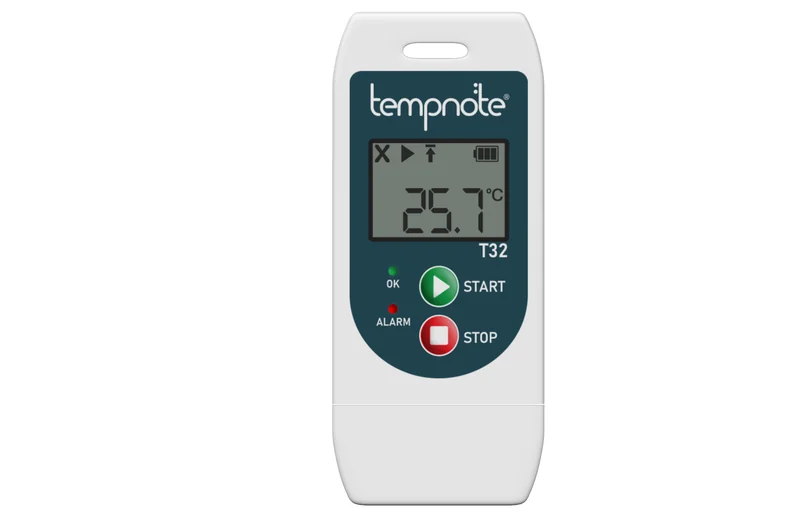
Where the likely warm and cold positions are unknown, map temperatures within the load before fixing the sensor locations for qualification. This is particularly useful after a change of geometry or coolant layout. Follow with route-representative testing of the assembled EPS cold chain packaging; neither a central air reading nor resin information establishes the temperature history across the cargo.
What Should a Qualification Test Measure?
The test protocol needs acceptance criteria before the first pack is loaded. Name the cargo or payload simulant and state the load range, sensor positions and recording interval. A substitute should represent relevant thermal behavior and packing geometry. Its selection needs a documented basis beyond simply occupying the same volume.
The starting state matters as much as the exposure schedule. Record the preparation of the payload, shipper and coolant and compare their actual starting conditions with those prescribed. For the schedule itself, use the intended route duration and ambient profile. Temperature limits and excursion rules must already be agreed when results are reviewed. Select the repeat count with the responsible technical reviewer against the risk and expected variation. One convenient run should not silently become evidence for every loading condition.
The review file should contain original temperature readings and the equipment calibration records. Mark each sensor position on the packing record. Openings and handoffs need timestamps on the same clock as the temperature readings. An excursion then has a location and duration to investigate. Checking only the temperature at receipt would miss that part of the shipment’s history.
Document the cold chain packaging insulation configuration with each run. Unpacking offers another source of evidence: visible damage, a displaced lid or coolant that has moved from its pocket. Record these observations before disturbing the contents. They can explain why fit, cargo support or the loading method needs to change. The revised design will need its own test result before approval.
When Should Buyers Discuss Carbon Black EPS with HUASHENG?
Once the drawing and route requirements are available, HUASHENG can discuss the material option against an identifiable application. Carbon-black grades appear within the HUASHENG EPS product range. Ask which proposed grade merits a sample trial in this molded design and what evidence would support that choice.
In its customization service, HUASHENG describes reviewing density and performance targets before solution design and sampling. The application review should therefore include the intended density, part dimensions, processing route and validation plan. Available material data and samples are useful starting points. Agree who will arrange the remaining package tests rather than assuming the resin supply includes them.
The company’s Cold-chain logistics applications show the application context for the discussion. Route approval still depends on a package test record for the conditions in question. Neither the color nor the category name verifies conductivity, ESD behavior or food-contact compliance. A cold-chain certification claim likewise needs documentation applicable to the product and intended use.
Send a shipper drawing and route profile to Discuss a cold-chain application. Include the temperature window, duration, ambient exposures and payload range. Add the proposed coolant arrangement and conditioning method. The sample review can then address a defined pack, with responsibilities agreed between the resin supplier, molder and buyer for the remaining validation work.
FAQs
Q1: Does black EPS automatically keep a shipment within its required temperature range?
A1: No. Black appearance does not establish hold time. The molded container, lid, load, coolant and starting conditions must be assessed together against the specified route exposure and cargo temperature limits.
Q2: What should be tested before approving a carbon black EPS shipper?
A2: Test the representative packed configuration for its temperature performance and relevant protection requirements. Check sensor positions, conditioning, loading repeatability, closure and post-test damage, using acceptance limits agreed before the run.
Q3: Can a resin description replace thermal testing of the finished package?
A3: No. Resin information helps select a candidate material. Only a test with the finished pack and its intended contents can provide the relevant temperature history for the shipping conditions being assessed.
Conclusion
Evaluating carbon black EPS for temperature-controlled packaging leads back to the assembled shipper and its tested conditions. Start by writing the required thermal profile. Review the molded design against it, then validate with representative payloads and the proposed coolant preparation. Discuss the drawing and route brief with HUASHENG. Any approval should name the configuration and conditions demonstrated by the test evidence.
Carbon black EPS may be considered as one material option, but cold-chain suitability belongs to the complete shipper and its tested route conditions. Buyers should define the thermal profile, review the molded design, and validate the assembled pack with representative payloads before making a performance claim. Invite HUASHENG to review the application requirements and the evidence needed for a responsible material decision.
 English
 German
 Spanish
 French
 Arabic