
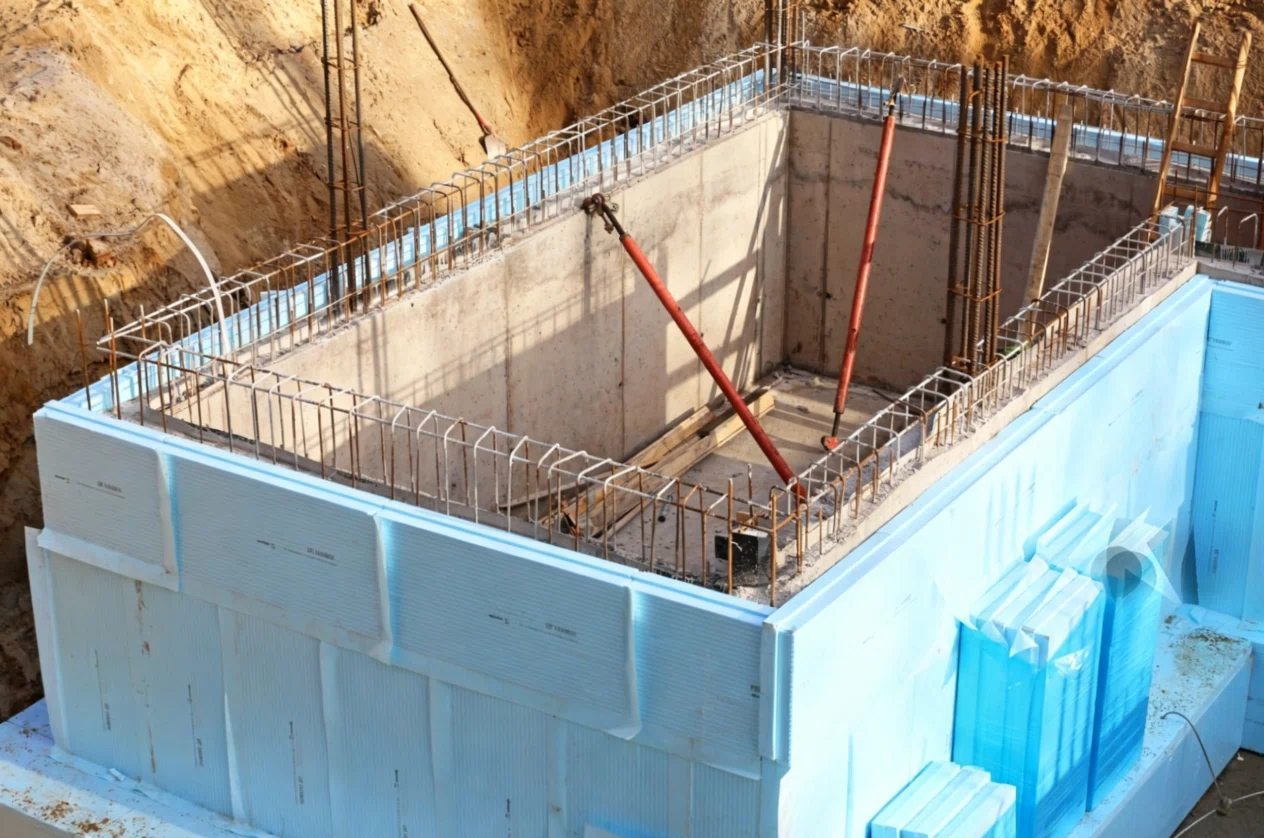
يواجه قطاع الإسكان لعام 2026 مزيجًا صعبًا من المشاكل. في أمريكا الشمالية، يتعامل المصنعون مع الارتفاعات الحادة في قواعد الطاقة والطلب القوي على المباني التي تتحمل فترات العواصف القاسية. وفي نفس الوقت، في أمريكا الجنوبية، تدعو مجموعات جديدة من المنازل المتوسطة إلى العليا إلى طرق بناء أسرع لمكافحة تصاعد نفقات العمال. هذا التغيير العالمي يفسر القفزة الكبيرة في استخدام أساليب البوليستيرين الموسعة. نترك وراءنا أوقات الإطارات الخشبية الأساسية. الآن ، يبحث صانعو المنتجات التي تتعامل مع العديد من المهام: الحفاظ على الدفء والدعم والحماية ، كلها مجتمعة. هذا هو السبب في تحول أشكال الخرسانة المعزولة EPS من عنصر صغير إلى قوة رائدة في الميدان. عندما نتحقق من الخطط لسنوات قادمة، فإنه يظهر أن الرغوة تخدم أكثر من مجرد التغليف. إنه يشكل إطار اليوم’ منزل قوي ودائم.
بناء المناخ المتغير مع المنازل المقاومة للكوارث
تظهر حقيقة عام 2026 أن الطقس يتحول إلى أسوأ. شركات التأمين في فلوريدا وتكساس ومنطقة البحر الكاريبي ترفع أسعار أو تترك بالكامل. يحدث هذا لأن المنازل الخشبية المعتادة تفشل ضد 200 ميل في الساعة. يبحث المصنعون عن طريقة لضمان الأمن دون تكاليف كبيرة على المعادن الصلبة أو أعمال الحجر الواسعة.
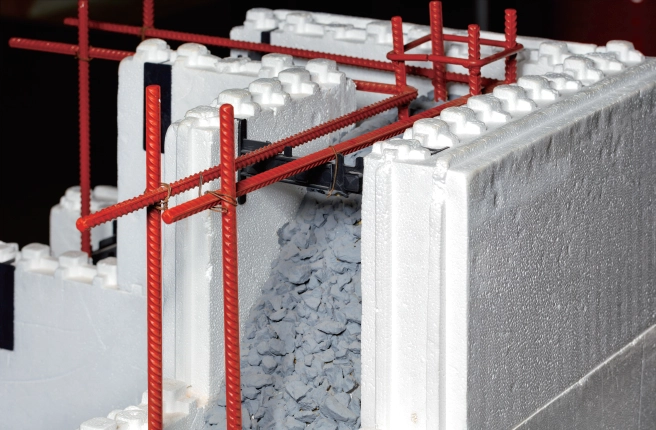
الانتقال إلى إعدادات الجدران ICF يعطي درجة من قوة الدعم التي يفشل الخشب في المساواة. صب الخرسانة السائلة في قطع الرغوة. هذا يبني جدار صلب واحد يحمل قوة كبيرة. هذه المنازل المقاومة للكوارث تتجاوز خيار الراقية الآن. تصبح ضرورية للمناطق الشاطئية والمخاطر للعواصف. مزيج من الخرسانة’ s قد ورغوة’ s انحناء يسمح الإعداد تأخذ ضربات أفضل بكثير من العناصر الصلبة وسهلة الكسر.
الهندسة وراء لوحات الرغوة الهيكلية
لوحات الرغوة الهيكلية الحالية تبني لتخدم كقالب ثابت في المكان. في خطوة صب ، تحتفظ الرغوة بالخرسانة في المكان الصحيح. إنها تتوقف عن التورمات أو المناطق الناعمة. ومع ذلك ، لا يتوقف دورها بعد مجموعات الخرسانة. الرغوة تبقى دائما. يحمي الخرسانة من الرطوبة. بالإضافة إلى ذلك ، يضيف مستويين من الدرع الحراري. هذه الخطة المكونة من مهمتين هي ما يجذب أشكال الخرسانة EPS للمخططين الذين يجب أن يتناسبوا مع احتياجات الاهتزاز والحمولة الضيقة في أماكن الزلازل مثل تشيلي أو مناطق الرياح القوية في الغرب الأوسط.
السلامة من الحرائق ودور المواد المضادة للحريق
في عام 2026 ، ستكون السلامة من الحرائق في قمة قائمة التحقق لكل مهندس معماري. لا يمكنك بناء مساكن عالية الكثافة دون إثبات المواد won’ تساهم في كارثة. هذا هو السبب في استخدام نوعية عالية مقاوم للشعلة الصف-F EPS مهمة. هذا الصف المحدد لديه مؤشر الأكسجين فوق 30 ، مما يعني أنه أصعب بكثير أن يشتعل ويفوز ’ t نشر اللهب مثل الرغوة الرخيصة غير المعالجة. بالنسبة للمشترين B2B ، هذا هو ’ t مجرد ميزة سلامة ؛ it’ وهو متطلب قانوني يساعد المشروع على اجتياز عمليات التفتيش بشكل أسرع ويحافظ على انخفاض تكاليف التأمين المستقبلية لأصحاب المباني.
زيادة الأداء الحراري للإسكان الفعال في استخدام الطاقة
وظلت أسعار الطاقة العالمية مرتفعة بشكل عنيد، ولم يعد أصحاب المنازل مستعدين لدفع 400 دولار شهريا لتدفئة أو تبريد منازلهم. الحكومات تستجيب بتفويض “ الصافي صفر” الاستعداد لجميع البناء الجديد. هذا الضغط يجبر الصناعة على البحث عن حلول العزل التي تعمل فعلا في العالم الحقيقي ، وليس فقط في اختبار مختبر.
The “ الجسر الحراري” هو عدو أي مشروع سكني فعال في استخدام الطاقة. في الإطارات الخشبية أو الفولاذية ، كل مسمار هو مسار للهروب من الحرارة. أشكال الخرسانة المعزولة EPS القضاء على هذه المشكلة تماما. من خلال توفير طبقة مستمرة من العزل على كل من الداخل والخارج من الجدار، يمكنك إنشاء استراحة حرارية تبقي درجة الحرارة الداخلية مستقرة بغض النظر عن ما يحدث في الخارج.
التوفير على المدى الطويل من كتل رغوة EPS
استخدام كتل رغوة EPS عالية الكثافة يسمح للمبنين بالوصول إلى قيم R التي تكاد تكون مستحيلة مع الخفافيش من الألياف الزجاجية. نحن نرى المنازل في عام 2026 التي تستخدم طاقة أقل بنسبة 70٪ للتكيف والتبريد مقارنة بالبنايات التقليدية. بالنسبة للمطور ، هذه نقطة بيع ضخمة. أنت’ فقط بيع منزل؛ أنت تبيع “ خصم للأبد” على فواتير المرافق. وفي سوق أمريكا الجنوبية، حيث يمكن أن تكون البنية التحتية للطاقة غير موثوقة، يعد هذا المستوى من الاكتفاء الذاتي محركا رئيسيا للتطورات المجتمعية المغلقة الراقية.
تحقيق أهداف LEED بمواد البناء الخضراء
الاستدامة هي الكلمة الرئيسية للمسؤولية الاجتماعية للشركات لعام 2026. يحتاج المطورون الكبار إلى إثبات أنهم يستخدمون مواد البناء الخضراء لإرضاء المستثمرين والجهات التنظيمية المحلية. هواشنغمن ريبس انها مناسبة تماما هنا. مع بصمة الكربون المحققة من 719.14 كيلوغرام فقط من الكربون2 eq لكل طن، REPS يسمح للمبنين لتخفيض بشكل كبير “ الكربون المتجسد” من هياكلها. إن الأمر يتعلق بأخذ النفايات البلاستيكية وتحويلها إلى أصل هيكلي لمدة 100 عام. هذا النهج الاقتصادي الدائري هو بالضبط ما تبحث عنه شهادات البناء الأخضر الحديثة.
حل أزمة العمل بأساليب بناء أسرع
إن العثور على بنانيين ماهرين أو نجارة ماهرين أصعب من أي وقت مضى في عام 2026. وتشكل تكاليف العمالة الآن ما يقرب من 50٪ من إجمالي الميزانية في العديد من المشاريع. إذا استغرق تثبيت المادة ضعف الوقت ، فهي مادة سيئة ، بغض النظر عن مدى رخصتها. يبحث المقاولون عن “ أحمق-دليل” أنظمة يمكن وضعها معا من قبل طاقم أصغر وأقل تخصصا.
The “ أسلوب ليغو” تجميع أنظمة الجدران ICF هو الحل النهائي لهذه أزمة العمالة. أنت لا’ تحتاج إلى فريق ضخم من البناء الرئيسيين لتكوين كتل الرغوة. يمكن لطاقم صغير مدرب بشكل جيد بناء جدران منزل قياسي في بضعة أيام. هذه السرعة لا’ فقط توفير الأجور؛ يقلل من الوقت الذي يتعين على البناء دفع أمن الموقع وتأجير الأدوات وتمويل المشروع.
تبسيط موقع العمل باستخدام نماذج الخرسانة EPS
العمل مع أشكال الخرسانة EPS يبسط سلسلة اللوجستيات بأكملها. بدلًا من طلب العزل والتغليف المنزلي والبرامج وحواجز البخار من أربع شركات مختلفة ، تحصل على كل شيء في شحنة واحدة. هناك فوضى أقل في موقع العمل ، وأقل شاحنات تأتي وتذهب ، وأقل نفايات بشكل كبير. ونرى المقاولين يبلغون عن انخفاض بنسبة 15٪ في إجمالي مدة المشروع عندما يتحول من كتل CMU التقليدية (وحدة البناء الخرساني) إلى ICF. في سوق مزدحمة مثل عام 2026 ، فإن القدرة على الانتقال إلى المشروع القادم قبل أسبوعين هو الفرق بين عام جيد وسنة رائعة.
تنوع لوحات الرغوة الهيكلية في بناء مخصص
يقدر المصممون مجموعة الرغوة التي تقدمها. بالنسبة للمشتري الذي يبحث عن جدار منحني أو شكل لوحة خاصة ، فإن قطع لوحة رغوة هيكلية أبسط بكثير من صيد الخشب أو صب أشكال الخرسانة المصنوعة حسب الطلب. هذا الانحناء يسمح للخطط المخصصة العليا تحدث دون تكاليف مخصصة قياسية. سواء كان منزلًا حديثًا في أمريكا الشمالية أو عقارًا قديمًا في أمريكا الجنوبية ، فإن أشكال الرغوة تتطابق مع الخطة. يربط مجموعات جعل السرعة مع مصممة لتناسب الطرف العالي.
اختيار الشريك المناسب للازدهار الإسكاني لعام 2026
في حقل حيث كل المطالبة “ أخضر” or “ صعب ” يجب على المشترين التجاريين التحقق من الأدلة وجودة البند الأساسي. يتم عقد الهيكل فقط بقوة أجزائه. إذا اختلفت الرغوة ، فإن الجدار يكتسب نقاط ناعمة. الدفء سيكسر. لا يوجد عامل ماهر يخاطر بذلك.
الفوز في عام 2026 يعتمد على مسار إمدادات ثابت. يجب على المصنعين التأكد من أن موادهم المضادة للشعلة تصل إلى علامات SGS و ISO. تتطلب أجزاء تم فحصها وإعادة استخدامها. هذه الرؤية الواضحة تقسم المورد الأعلى من البائع القريب.
لماذا درجة المواد مهمة لنزاهة ICF
حجم الخرز ونسبة التوسع من EPS المستخدمة في الأشكال تحدد القوة النهائية للكتلة. استخدام شيء مثل الصف القياسي E لـ HUASHENG يضمن أن الكتل ترتبط بشكل مثالي ويمكنها التعامل مع الضغط الهائل للصب الخرساني دون الانفجار. لقد رأينا أشكال رخيصة تفشل تحت وزن الخرسانة الرطبة، مما يؤدي إلى كارثية “ انفجارات” هذا يكلف عشرات الآلاف من الدولارات لإصلاحها. توفير بضعة سنتات على الرغوة الخام هو خطأ كلاسيكي لم يعد المقاولون الحديثون ذوو الخبرة مستعدين لارتكابه.
النمو مع هواشنغ في الأسواق العالمية
مع استمرار الطلب على ICF في الانفجار في أمريكا الشمالية واكتساب الجر في أمريكا الجنوبية ، فإن وجود شريك يفهم كل من المواد العذراء والمعاد تدويرها هو ميزة كبيرة. هواشنغ يوفر مجموعة كاملة من منتجات مصممة خصيصا لصناعة البناء. من REPS المعتمد ISO 14067 إلى درجاتنا عالية الأداء لمقاومة اللهب ، نحن نوفر الأساس التقني للجيل القادم من المنازل. نحن لا’ t ببساطة بيع الرغوة؛ نحن نقدم الخبرة الكيميائية التي تجعل هذه الأنظمة المبنية المتقدمة ممكنة.
استنتاج
إن هيمنة أشكال الخرسانة المعزولة EPS في عام 2026 هي نتيجة للتطور الذي طال أمده في صناعة البناء. من خلال الجمع بين فوائد الإسكان الفعال في استخدام الطاقة والقوة القوية للمنازل المقاومة للكوارث، توفر أنظمة ICF حلاً مستقبلياً للبناة على جانبي خط الاستواء. سواء كنت تحاول تلبية القوانين البيئية الصارمة الجديدة في أمريكا الشمالية أو تبحث عن ميزة تنافسية في سوق الفخامة في أمريكا الجنوبية ، فإن الانتقال إلى لوحات الرغوة الهيكلية هو أذكى خطوة يمكنك اتخاذها. إنها أسرع وأكثر أمانا وأفضل بكثير للكوكب. إذا كنت على استعداد لترقية عملية البناء الخاصة بك مع مستوى عالمي EPS أو ريبس المواد، اتصل بنا اليوم دعونا نبني الهياكل التي ستظل قائمة - ولا تزال كفاءة في استخدام الطاقة - في عام 2126.
 Arabic
  English
  German
  Spanish
  French