
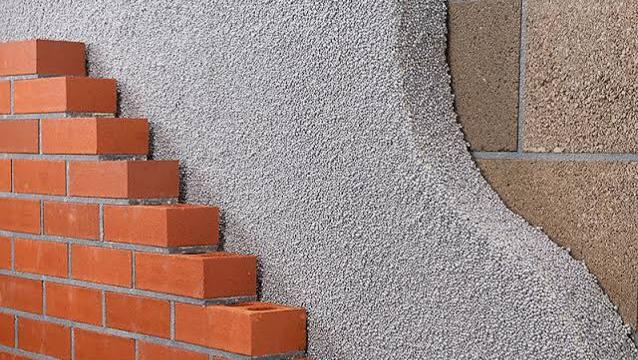
Insulation made through traditional means is still useful. Mineral fiber, glass wool, and foam boards can be used in the proper construction framework. However, the problem is that constructions of 2026 are more restricted in terms of time frame, increased labor cost, light weight, improved energy performance, and strict fire and moisture analysis. Under such circumstances, EPS foam insulation remains relevant in most purchasing processes.
What Problems Do Traditional Insulation Materials Create in Building Projects?
Traditional insulation materials are not “bad materials”. The problem is that each one brings trade-offs. Some are heavy. Some are harder to cut cleanly. Some need more careful moisture protection. Some create more waste on site. For a small project, these issues may be manageable. For bulk orders, they can become real cost items.
Heavy Materials Raise Transport and Installation Costs
Weight matters more than many buyers expect. Weightier insulation board raises container loading pressure, handling effort in warehouses, and on-site labor. Where high-rise buildings, roofs, or prefabricated or modular construction is involved, a lighter material will save effort in lifting and ease day-to-day installation.
This is one reason EPS foam is often preferred in projects where workers need to cut, move, and fix many boards within a short schedule. EPS panels are light, easy to handle, and suitable for building insulation and construction projects.
Moisture and Handling Damage Can Affect Site Quality
Moisture is another common headache. Some traditional insulation materials need more careful protection during storage and installation. If boards or rolls absorb water, get compressed, or lose shape before installation, the project team may see uneven surfaces, damaged corners, or extra cutting waste.
EPS has a closed-cell structure. In practical terms, that means it can help slow heat transfer while offering better resistance to moisture than open-cell foam materials.
How Does EPS Foam Solve These Insulation Challenges?
EPS foam solves several common project problems because it is light, moldable, easy to cut, and available in different performance grades. It can be used as insulation boards, foam sheets, panels, filling materials, or shaped construction components.
Lightweight EPS Boards Reduce On-Site Handling Pressure
EPS foam insulation is easy to carry and cut. That sounds simple, but it matters on busy sites. Workers can move more boards with less effort. Cutting is cleaner when the density and board quality are stable. For large exterior wall areas, floor insulation, roof insulation, and prefabricated building elements, this helps keep installation practical. It also helps during export. Lighter boards and beads can reduce handling difficulty across factory loading, warehouse storage, site distribution, and final installation.
Closed-Cell Foam Helps with Thermal Insulation and Shape Stability
The thermal value of EPS comes from its closed-cell, air-filled structure. The many sealed cells help reduce heat movement through the material. In building use, this supports energy-saving goals without adding much structural weight.
Standard EPS has a thermal conductivity reference around 0.039 W/M.K. Graphite-modified EPS can go lower. HUASHENG’s S-33 الجرافيت البوليستيرين is listed with thermal conductivity below 0.033 W/M.K, more than 20% better than regular EPS; S-32 is below 0.032 W/M.K, more than 25% better than regular EPS.
Molded EPS Gives More Flexibility for Project Applications
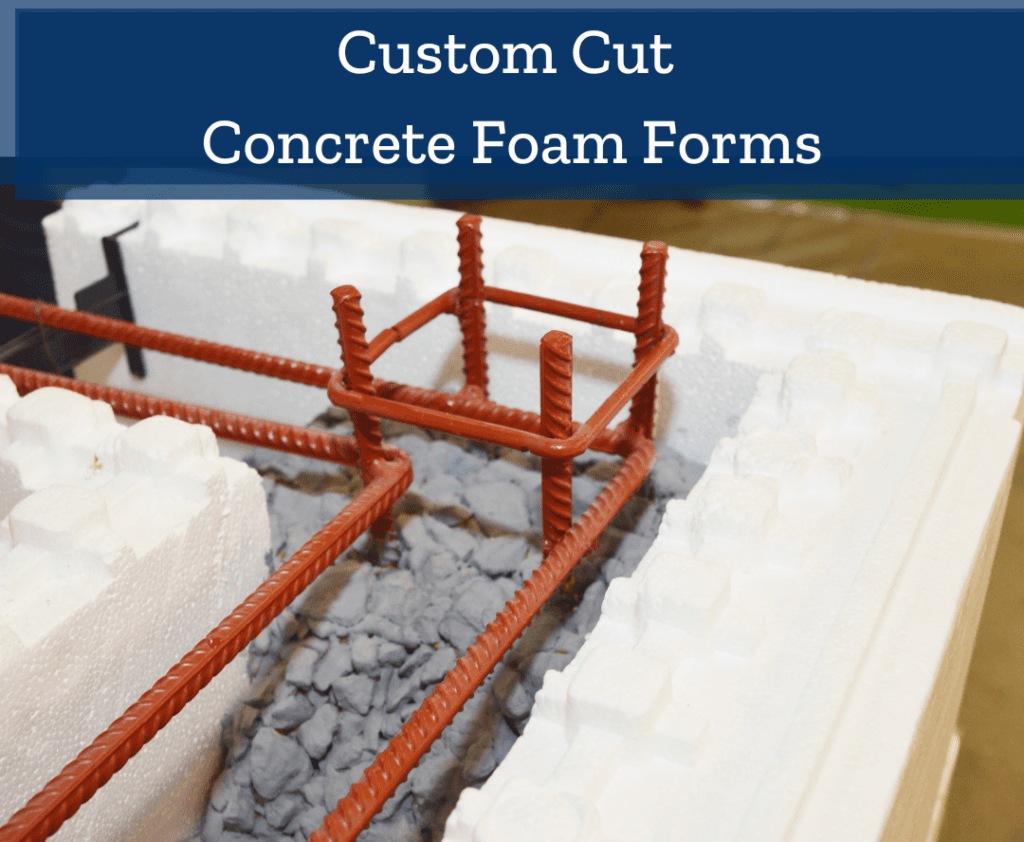
Unlike some insulation materials that are mainly supplied in standard boards or rolls, EPS can be molded and cut into many shapes. That is useful for decorative building lines, construction blocks, insulation panels, packaging for project materials, and custom construction parts.
هواشنغ’s product categories include common grade, flame-retardant grade, graphite grade, environmental protection grade, carbon black grade, and customized REPS. For a building-material buyer, this range makes it easier to discuss one project across several needs: standard boards, higher thermal performance, flame retardancy, non-HBCD requirements, or special density targets.
How Does EPS Compare with Traditional Insulation in Procurement Terms?
A fair comparison should look beyond thermal conductivity. Procurement teams should compare cost after transport, installation, trimming loss, rejection risk, and project compliance. EPS foam can be very competitive in this full-cost view, especially when the correct grade is selected early.
Cost Should Include Transport, Cutting Loss, and Installation Time
A low material price can become less attractive if the insulation is heavy, difficult to cut, or easily damaged during handling. EPS foam often helps reduce these hidden costs. Its low weight supports easier loading and site movement. Its board form is familiar to many installers. Its molded or cut shapes can also reduce extra processing work.
Thermal Performance Depends on Grade and Density
Not all EPS foam insulation performs the same. Density, bead quality, graphite content, board production, and flame-retardant system all affect final use. For general building insulation, standard EPS may be enough. For energy-saving buildings, exterior wall systems, or passive-house-related projects, graphite EPS is more relevant.
S-33 is mainly positioned for external wall insulation and energy-saving buildings, with B1 combustion performance and an oxygen index of at least 30. إس - 32 is aimed at passive houses and high-standard energy-saving buildings, with B1 performance and an oxygen index of at least 32.
Fire Rating and Compression Strength Need Separate Checks
Fire performance should never be guessed from the material name. EPS insulation buyers should confirm local code requirements, flame-retardant grade, test standard, oxygen index, and ageing requirements. HUASHENG Flame Retardant Grade F has UL certification no. E360952 and is connected with EPS wall insulation and building material insulation use.
For projects that need stronger board performance, European Standard Flame Retardant Grade FSH is more suitable for discussion. It is positioned for construction and industrial insulation, including passive room insulation, with compressive strength more than 20% higher than other grades.
What Should Buyers Check Before Choosing EPS Foam Insulation?
Confirm Building Application Before Asking for Price
Exterior wall insulation, roof insulation, floor insulation, sandwich panels, ICF blocks, decorative building lines, and passive house projects do not share the same requirement. Before asking for price, buyers should define the application, climate condition, installation method, and local building codes.
For general wall and board use, common EPS or flame-retardant EPS may be enough. For higher energy-saving requirements, S-33 or S-32 graphite EPS should be considered. For stricter environmental purchasing, FHE or FGH non-HBCD grades may be more relevant.
Compare Thermal Conductivity, Density, Fire Rating, and Strength Together
A strong RFQ should include thermal conductivity target, density, board size, thickness, compressive strength, flame-retardant level, oxygen index, and required certification. Buyers should also ask whether the grade is suitable for their board machine or molding process.
For bulk purchases, samples and trial production are worth the time. A small trial can show cutting quality, board appearance, fusion, dimensional stability, and packaging strength before a full shipment is placed.
Ask Suppliers for Grade Matching and Batch Trial Support
A reliable EPS supplier should not only quote the cheapest material. They should ask where the material will be used, which density is needed, what fire rating is required, and whether the buyer needs regular supply or project-based delivery.
For long-term cooperation, ask about MOQ, lead time, packaging, batch traceability, technical documents, and after-sales response. If the project uses custom density, color, non-HBCD flame retardancy, or special graphite performance, confirm this early rather than after the first shipment.
استنتاج
Building experts prefer EPS foam over many traditional insulation choices because it gives a practical balance: light weight, workable board form, thermal insulation, shape stability, and several grade options for different project risks. It is not a universal replacement for every insulation material, and it still needs proper installation and code checking. But for B2B buyers, distributors, contractors, and project owners, EPS foam offers a clear procurement path.
الأسئلة الشائعة
Q1: What should buyers confirm before placing an EPS foam insulation order?
A1: The buyer needs to ensure that the details such as the building application, board size, thickness, density, target thermal conductivity, fire resistance rating, compressive strength, number of boards, packaging, destination port, and certificates needed are clearly known. In case of large orders, testing or production trials are advised.
Q2: Can HUASHENG support MOQ, custom density, and special insulation grades?
A2: MOQ depends on grade, specification, packing method, and whether the order is standard or customized. HUASHENG offers product options across common grade, flame-retardant grade, graphite grade, environmental protection grade, carbon black grade, and customized ريبس, so buyers can discuss density, particle size, graphite performance, non-HBCD needs, and project-specific requirements before quotation.
Q3: What should contractors know about installation, maintenance, and after-sales?
A3: The EPS insulation panels must not be placed near the sunlight, fire, and moisture for an extended period of time prior to installing the panels. The contractors must adhere to the local regulations regarding fixing, rendering, waterproofing, and fire code. To provide after-sales service, keep the batch number and installation information of EPS panels.
 Arabic
  English
  German
  Spanish
  French