
EPS REACH test reports are documentation-intensive records, and they are usable only when the material, sample, substance-list version and dates match the purchase decision. Passing a SVHC screen on one submitted bead sample (and this means just that: tested and stated scope) does not automatically qualify every grade, batch, molded part or finished article. Four checks must be made before a report becomes actionable: what was tested, which formulation or lot version was screened, what the result says, and how it relates to the production lot.
That distinction is important when a sourcing team needs to move fast. A report stamped “Pass” can look reassuring at first glance, yet its footnotes may limit the result to one named raw-material sample tested against an older list version. Before inserting a compliance statement into the specification or customer response, read that scope first.
EPS compliance documentation in this guide means the full evidence file pertaining to a material, not a logo or single line supplier statement. An SVHC report has practical scope boundaries. It tells you which sample, list version, substance(s), limit and dates support a claim. Store those fields in the purchase record. When the documentation is refreshed, compare the new sample identity and test scope against the previous record before releasing any production change.
Even an EPS REACH test report is time-limited, as the date it was compiled and its publication on a list of tests are factors that testify to this. Reference an EPS REACH test report in the internal file only together with its report number and sample identity, so future updates remain comparable.
What Does an EPS REACH Test Report Actually Cover?
Begin with the report identity. The conclusion only makes sense after the sample and tested article or material have been identified.
Start with the named sample and report date
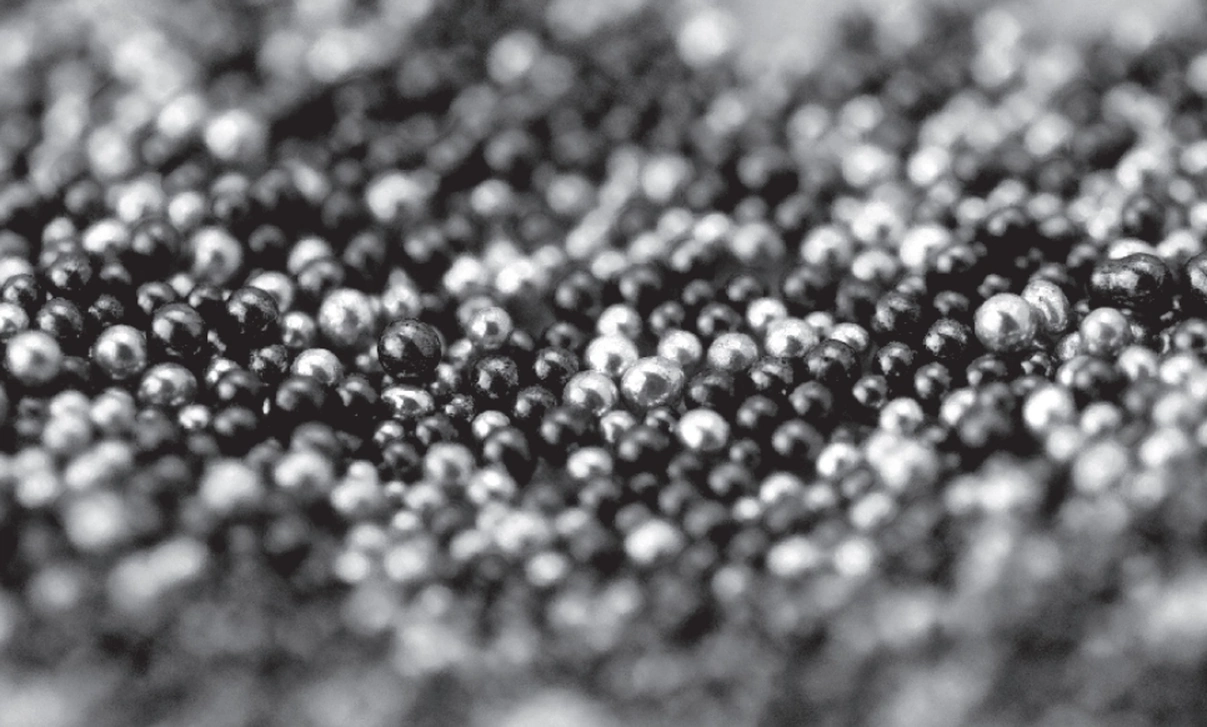
Before reading the conclusion, find the client, name of sample, id number for that sample as well as report number receiving date and test period. A customer’s SGS report (SHAEC24020829209, dated September 18, 2024) shows that the tested sample was recycled expandable polystyrene beads. This is a description for one product, not every EPS finished package. Inquire if the report is technically representative, and what additional evidence may be necessary if your order does not match exactly in formulation (or alternate system), color, flame-retardant system or production batch date.
The client provided the sample and related information for this report as well. Hence, buyers must verify that the tested sample and the material offered in the quote are the same. Be able to identify the grade, trace back each lot or batch as required and declare that what was purchased is linked to a formulation tested. The familiar name on the company letterhead does not itself define sample identity.

Separate SVHC screening from finished-article obligations
REACH is a regulatory framework with duties determined by the type of material or article in circulation. One piece of evidence could be a supplier’s SVHC screen, but this is no substitute for the finished article assessment, use and communication obligations by importers nor does it free them from any other dossier requirements. SGS report itself states, that a result for the tested homogeneous material may not correspond to the SVHC concentration of an article made from this homogeneous material.
If EPS beads will be made into an insert for a lamp, instrument tray or any other mixed-material article, then separate the report on raw material from that of finished article evaluation. The data should follow the product along its placement on market, coatings and adhesives for example where relevant as well as labels etc.
How Should Buyers Read the Screening Result and Threshold?
Once the sample is clear, read the result as a dated screening against named lists and limits.
Read the candidate-list date and potential-SVHC scope
This report includes screening against 241 substances by the Candidate List (published by ECHA on or before June 27, 2024) and a further 14 potential SVHCs described in separate lists up to the dates indicated. Its summary reports screenings from the submitted sample at or below 0.1% by weight in screened results. That is what the report claims to have found for its stated purpose and test date. A pass does not extend to future list additions, a revised formulation or another production batch.
Verify whether the report differentiates “not detected” from “zero.” In laboratory reporting, ND usually means below the method’s reporting or detection limit and that it really is not absent in an absolute sense. Read the report’s limitations notes alongside any summary line: the result is a snapshot of the tested sample, and it does not extend to data outside the stated screening scope. If you have received a question from an end customer on substance, confirm that the substance and threshold are actually within the scope of tests instead of inferring it simply by using REACH jargon.
Where a report does not answer your question, ask the supplier for current compliance evidence covering the exact grade in your quotation before relying on a one-line summary.
What Should Be Matched Before a Report Is Used for Procurement?
The next step is to connect the lab record to the material and batch that will actually enter production.
Connect the report to the grade, batch, and molded application
Construct a small evidence chain before the supplier file is issued: correlate the product name in the quote with the technical sheet, then match the TDS grade to a sample and report number. Note the report date, tested substances, limits claim and exclusions. Determine whether adding a coating, adhesive, color concentrate or other material changes the parameters that must be evaluated by the customer.
Practical buyer review question: 1) Is the sample formulation and manufacturing site identical to that of quoted material? 2) Is the information within test scope for applicable list version and requested substances? 3) Can the order be traced back to a lot that has followed a change-control route? 4) Are the raw beads, molded material of a single part type or compound product included in this report? 5) what updated evidence will cover a future substance-list or formulation change? The responses make a document into procurement governance rather than an ornamental clip-on.
Current docs: ask Huasheng to state which available product and lot the evidence covers, and whether a newer report or a customer-specific test is required. This EPS space contains families of recycled and other materials, so restricting the request to one application prevents a report on one sample from being reused where it does not apply. Review the EPS material range listing, then submit grade, use and destination-market needs through Huasheng’s technical contact route.
Which Questions Should You Send to an EPS Supplier?
A short, precise evidence request can close gaps before a purchase order locks the specification.
Request the missing evidence instead of assuming coverage
The clearer the request, the more useful response; better than “Please send REACH.” Identify the product grade, the intended finished use, the destination market, any customer-specific substance sub-list, and whether the concern is raw material or finished article. Instead, demand the complete report (not a partial image of the results page), and request verification that what is quoted corresponds with the tested specimen. If you need a finished-product statement from your client, state that upfront.
DO NOT write an unconditional statement like “all Huasheng EPS is REACH compliant” from a one-time report. An accurate statement identifies the product tested, date of reporting, scope of assessment and applicable limit. It also makes a note of when the conclusion applies only to this particular sample that was submitted. That language is also easier to defend and cues the next person on when they should be asking for new evidence.
Conclusion: How Can a Buyer Use a REACH Report Responsibly?
Treat an EPS REACH test report as scoped evidence. Check the sample ID and report date, read which SVHC lists were screened and what “not detected” and the stated thresholds mean, then link the result to the exact grade and production batch being purchased. Next, check whether the finished article introduces materials or obligations that this raw-bead report does not answer. An SGS report on one sample, with its dates, results and limitations, does not describe the current status of every product. Before relying on any claim, ask Huasheng to match available documentation to your grade, lot and end use, then request a scope-matched document review through the contact page.
الأسئلة الشائعة:
Q1: Does a passing REACH SVHC screen certify every finished EPS product?
A1: No. It applies to the submitted sample and stated screening scope. Confirm the finished article, other components, and current production lot separately.
Q2: Does “not detected” mean a substance is completely absent?
A2: No. ND means the result was below the method’s reporting or detection limit stated in the report. It is not the same as an absolute zero.
Q3: What should I send a supplier to request relevant REACH evidence?
A3: Send the grade, destination market, intended use, relevant customer substance list, and whether the request concerns raw material or the finished article. Ask the supplier to identify the report and sample that match.
 Arabic
 English
 German
 Spanish
 French