
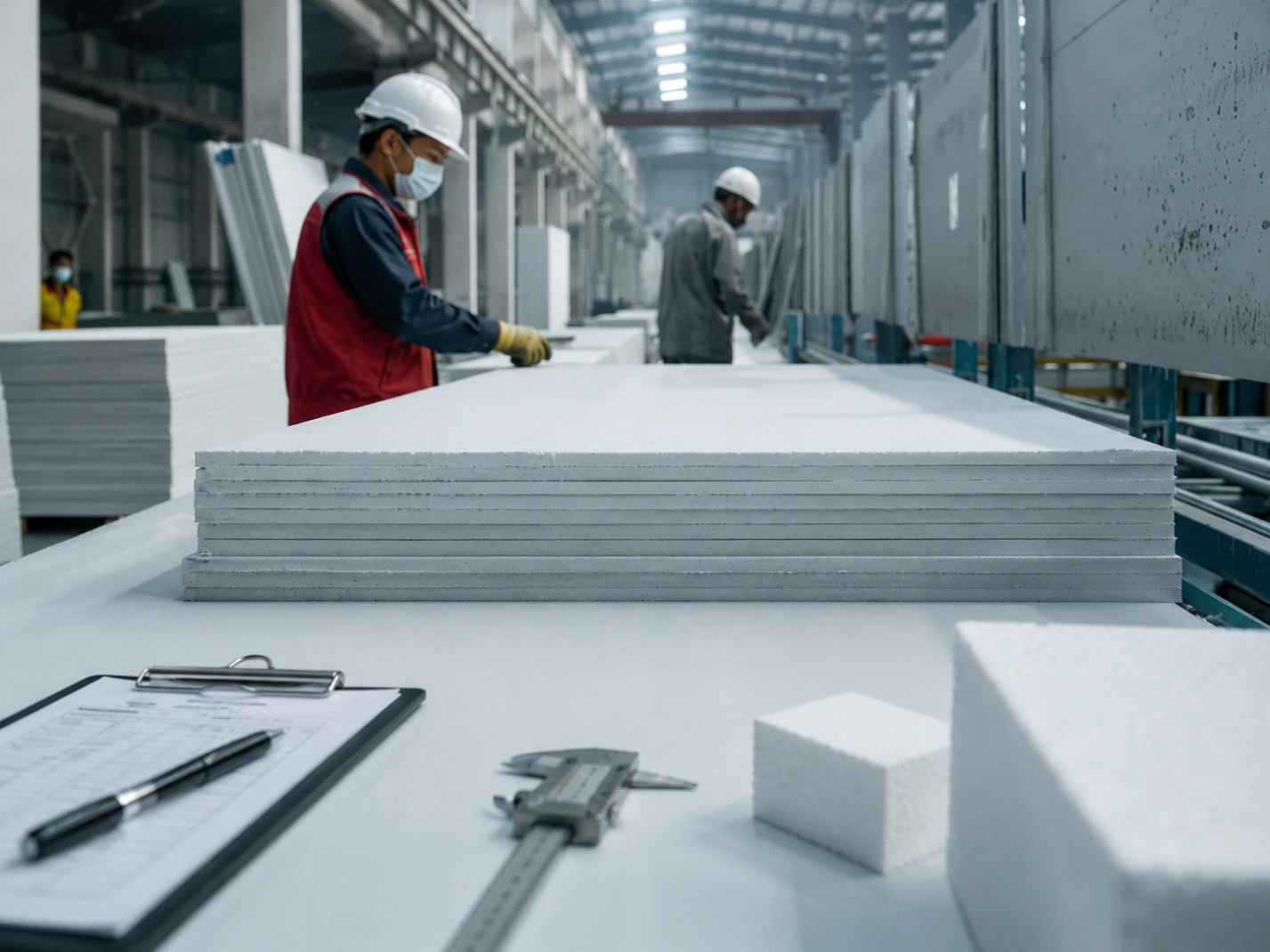
يجب أن تُثبت عملية تدقيق فعّالة لمصنع تغليف الفوم قدرة المورّد على إنتاج منتج مُعتمد بشكل متكرر، وليس مجرد إثبات وجود الآلات داخل المصنع. قبل تقديم طلبية بالجملة، ينبغي على المشترين فحص مراقبة المواد الخام، والتمدد المسبق، ومعدات التشكيل، وسجلات الكثافة، والاختبارات، وحفظ العينات، وتتبع الدفعات، والتحكم في التغييرات، والتعبئة، والطاقة الإنتاجية، وكيفية تعامل المصنع مع الشحنات الفاشلة.
هذا الأمر مهم بالنسبة للبوليسترين الموسع لأن الجزء المصبوب قد يبدو بسيطًا بينما لا تزال جودته النهائية تعتمد على مواصفات الخرزة والتمدد والانصهار والكثافة وظروف الدورة وفحص الجزء النهائي.
ما الذي يجب عليك التحقق منه قبل البدء في الإنتاج؟
ابدأ بمواصفات المنتج.
هل يعرف المصنع بالضبط ما الذي يقوم بالتدقيق بناءً عليه؟
تكون عملية التدقيق ضعيفة إذا لم يتشارك المشتري والمورد نفس الهدف.
أحضر العينة المعتمدة، والرسم، والكثافة المستهدفة، والأبعاد، وتكوين التغليف، والأسطح الحرجة، ومتطلبات الأداء، وأي مستندات مطلوبة.
ينبغي أن يكون المصنع قادراً على ربط هذه المتطلبات بدرجة المادة، ومسار الإنتاج، وطريقة الفحص، وسجل الدفعة.
إذا لم يتمكن المورد من تحديد المادة الخام التي أنتجت العينة المعتمدة، فسيكون من الصعب تتبعها لاحقاً.
هل تتطابق مجموعة المنتجات مع ادعاءات المصنع؟
لا يكون الكتالوج الواسع مفيداً إلا إذا استطاع المصنع شرح كيفية اختلاف الدرجات.
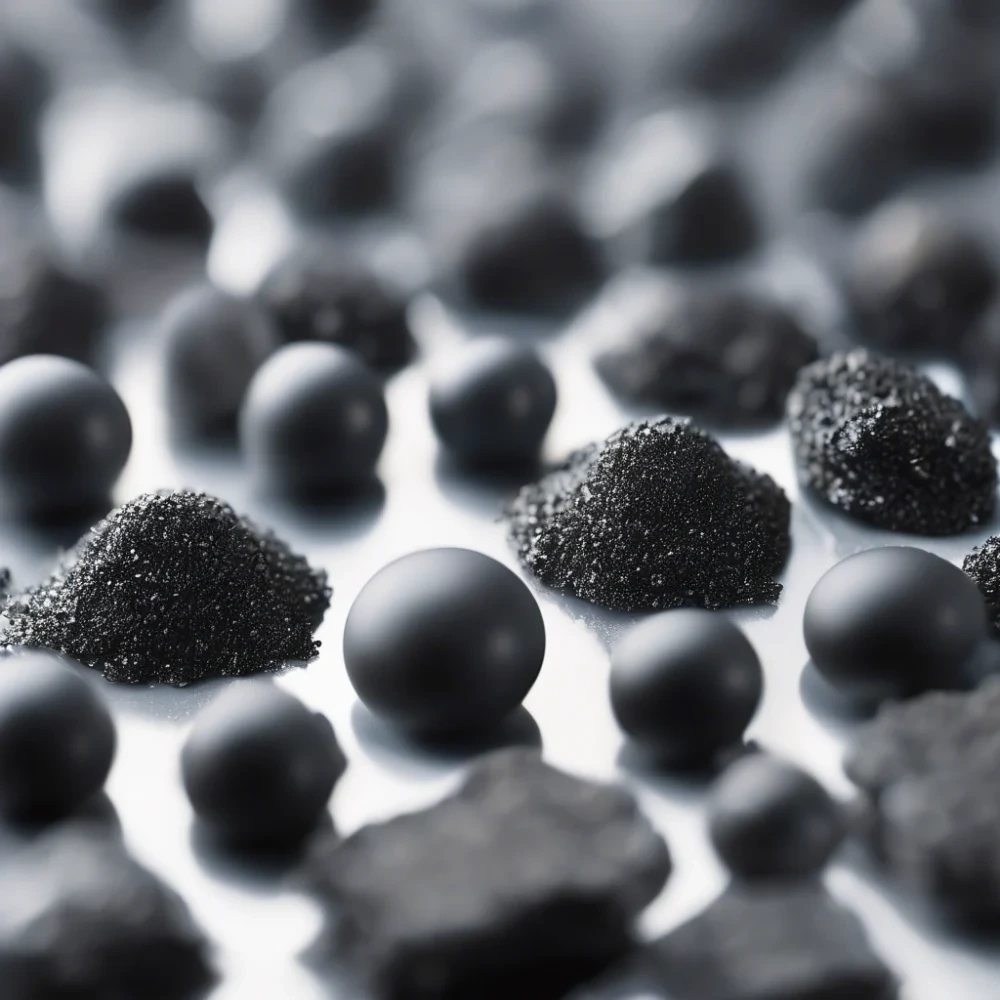
تشمل محفظة منتجات شركة هواشنغ مواد EPS الشائعة، والمواد المقاومة للهب، ومواد الجرافيت، ومواد حماية البيئة، والكربون الأسود، والمواد EPS المصممة حسب الطلب. مجموعة مواد EPS الكاملة لشركة HUASHENG يوفر للمشترين مرجعًا مفيدًا للتحقق مما إذا كان المورد يفصل بالفعل بين متطلبات التعبئة والتغليف العامة، والعزل، ومثبطات اللهب، والجرافيت، والمتطلبات البيئية، والمتطلبات المتخصصة.
ينبغي أن يكون المورد الذي يصنع صواني التعبئة وجدران ألواح EPS قادراً على إظهار كيفية تغير اختيار المواد والمعدات والكثافة والفحص بين تلك التطبيقات.
ما الذي يجب أن تبحث عنه في مراقبة المواد الخام؟
تُعدّ المواد الخام أول نقطة يمكن أن تبدأ عندها مشكلة التشكيل اللاحقة.
هل المواد محددة بوضوح ومفصولة؟
تحقق من كيفية تحديد المصنع للدرجة والمواصفات والدفعة وتاريخ الوصول وموقع التخزين.
لا ينبغي التعامل مع المواد المقاومة للهب بشكل عشوائي مع البوليسترين الموسع العادي. كما يجب أن تظل المواد المصممة حسب الطلب، أو المصنوعة من الجرافيت، أو الكربون الأسود، أو المعاد تدويرها قابلة للتتبع.
ابحث عن الملصقات على الحقائب الحقيقية ومناطق التخزين بدلاً من الاعتماد فقط على لقطة شاشة من نظام تخطيط موارد المؤسسات (ERP).
السؤال الرئيسي بسيط: إذا تعطل جزء نهائي غدًا، فهل يستطيع المصنع تحديد الخرزات التي دخلت فيه؟
هل تتطابق نتائج الفحص الوارد مع مخاطر المنتج؟
لا تحتاج كل شحنة إلى نفس مستوى الفحص، ولكن يجب أن يكون لدى المصنع عملية محددة للتحكم في الواردات.
قد تشمل الفحوصات ذات الصلة الهوية والمواصفات ونطاق الجسيمات والمظهر والوثائق أو التوسع التجريبي اعتمادًا على المادة والتطبيق.
بالنسبة للموردين المتكررين، ينبغي على المشترين أن يسألوا عما يحدث عندما تتصرف المواد الواردة بشكل مختلف عن خط الأساس المعتمد.
هل يستطيع المصنع التحكم في التمدد المسبق والتشكيل؟
لا تستطيع آلة التشكيل تصحيح كل مشكلة تتعلق بالمواد الخام أو العملية بشكل تلقائي.
ما هي السجلات التي ينبغي أن تكون موجودة حول الكثافة؟
لا ينبغي أن تقتصر الكثافة على تقرير الفحص النهائي فقط.
استفسر عن كيفية تحكم المصنع في عملية التمدد المسبق وعدد مرات تسجيل الكثافة أثناء الإنتاج. ثم تحقق مما إذا كان بإمكان المشغلين ربط هذه القراءات بالمنتج النهائي.
إذا كانت لوحة رغوة EPS أو الحشوة المصبوبة خارج النطاق المستهدف، فيجب أن يُظهر سجل التدقيق ما فعله المصنع بعد ذلك.
يُفرّق النظام الفعال بين التعديل والقبول. وإلا فقد يُغيّر المشغلون الإعدادات حتى يبدو المنتج مقبولاً دون تسجيل السبب.
هل تتوافق أنواع الآلات مع منتجات الرغوة؟
يمكن أن تناسب المعدات المختلفة درجات وأشكال المنتجات المختلفة.
اسأل عن الآلة التي ستنفذ طلبك. لا تقبل بعبارة "إحدى هذه الآلات". تحقق من خط الإنتاج، ومسار القالب، وطريقة التبريد، ودورة الإنتاج المتوقعة.
إذا كان المصنع يحتوي على عدة أجيال من الآلات، فاسأل عن سبب تخصيص منتجك لهذا الجيل.
عادة ما تكون قدرة المورد على شرح مطابقة المعدات والمواد أكثر قيمة من عدد الآلات الموجودة في المصنع.
كيف ينبغي عليك تدقيق جودة الأجزاء النهائية؟
الفحص البصري ليس سوى طبقة واحدة.
هل يقوم المصنع بفحص ما يمكن أن يتعطل بالفعل؟
بالنسبة للتغليف، قد تشمل الفحوصات المفيدة الأبعاد والوزن أو الكثافة والانصهار وسلامة الزوايا وحالة السطح والملاءمة وأي متطلبات للضغط أو التأثير.
بالنسبة لألواح رغوة البوليسترين الموسع، قد يتطلب الفحص التركيز على التسطيح، والسمك، والكثافة، وحالة الحواف، والاستقرار الأبعاد، والمتطلبات الحرارية أو المتعلقة بالحريق ذات الصلة.
لا ينبغي للمصنع الذي ينتج العديد من منتجات الرغوة أن يستخدم نفس قائمة التحقق من القبول لجميعها.
هل يمكن للمفتشين أن يعرضوا عليك عينة مرفوضة؟
هذا أحد أكثر أسئلة التدقيق فائدة.
ينبغي أن يكون المصنع الذي يتحكم في الجودة قادراً على شرح شكل الجزء غير المقبول، وسبب رفضه، وكيفية تسجيل العيب، وماذا يحدث للدفعة.
إذا كانت كل عينة معروضة أثناء التدقيق مثالية، فاطلب الاطلاع على عملية عدم المطابقة.
لماذا يُعد الاحتفاظ بالعينات أمراً مهماً للطلبات بالجملة؟
تصبح العينة المعتمدة هي المرجع المادي عندما لا تستطيع الرسومات وصف كل التفاصيل.
كم من الوقت يتم الاحتفاظ بالعينة الذهبية؟
اسأل عما إذا كان المصنع يحتفظ بعينة معتمدة، وكيف يتم تصنيفها، ومن يمكنه الوصول إليها، وماذا يحدث عندما تتغير مواصفات المنتج.
ينبغي ربط العينة المحفوظة بالعميل، ورقم الصنف، والمراجعة، والمادة، وتاريخ الموافقة.
بالنسبة للمنتجات ذات الحجم الكبير، من المفيد أيضاً الاحتفاظ بعينات تمثيلية من دفعات الإنتاج.
كيف تعمل آلية التحكم في التغيير؟
لا ينبغي للمورد أن يغير بهدوء المواد الخام أو مواصفات الجسيمات أو القالب أو هدف الكثافة أو الآلة أو المحتوى المعاد تدويره أو مسار الإنتاج عندما يمكن أن تؤثر هذه التغييرات على الأداء.
اسأل عن التغييرات التي تتطلب موافقة العميل.
ثم اطلب مثالاً حقيقياً لسجل سابق للتحكم في التغييرات.
هذا أكثر إفادة بكثير من السؤال عما إذا كان المصنع "يطبق نظام مراقبة الجودة".
ما هي الوثائق التي يجب أن يكون المصنع الجاد قادراً على إنتاجها؟
ينبغي أن تدعم الوثائق المواد التي يتم شراؤها.
ما هي الشهادات والتقارير ذات الصلة؟
بحسب المنتج والسوق المستهدف، قد يطلب المشترون بيانات REACH و RoHS و MSDS والبيانات الفنية ونتائج الخصائص الفيزيائية وشهادة المحتوى المعاد تدويره ومعلومات البصمة الكربونية ووثائق مثبطات اللهب أو تقارير أخرى خاصة بالتطبيق.
تحتفظ شركة HUASHENG بوثائق تتضمن اختبارات REACH و RoHS لـ REPS، وشهادة نطاق GRS، والبيانات الفنية ووثائق MSDS، واختبار الهالوجين، واختبار الخصائص الفيزيائية، والتحقق من البصمة الكربونية للمنتج بموجب ISO 14067:2018 للمزيج الرئيسي من البوليسترين القابل للتمدد المعاد تدويره.
تبلغ البصمة الكربونية المعتمدة من المهد إلى البوابة لـ 1 طن من مادة البوليسترين المتمدد المعاد تدويرها 719.14 كجم من ثاني أكسيد الكربون.
يمكن للمشترين مراجعة معلومات التصنيع والشهادات الخاصة بشركة هواشنغ كنموذج لنوع الأدلة التي ينبغي أن تدعم ادعاءات الموردين.
هل المستندات مرتبطة بالشحنة الفعلية؟
لا تكون الشهادة مفيدة إلا إذا استطاع المشتري تحديد ما تغطيه.
تحقق من اسم الشركة، واسم العينة، ورقم التقرير، والتاريخ، ونطاق الاختبار، والمادة القابلة للتطبيق، وما إذا كانت الدفعة التي يتم شراؤها تندرج ضمن هذا النطاق.
لا تقبل ملف الشهادة كدليل حتى تتضح الصلة بالطلب.
كيف يمكنك اختبار ما إذا كانت ادعاءات السعة حقيقية؟
ينبغي تقييم القدرة الإنتاجية من خلال أدلة الإنتاج.
كيف يبدو فحص السعة المفيد؟
اطلب خط الإنتاج المقترح، والدورة الواقعية، وعدد الورديات في اليوم، وتوافر القوالب، وجدول الصيانة، والحمل الحالي، والوقت المعتاد للتسليم، وخطة الطوارئ.
ثم احسب ما إذا كانت السعة المذكورة قادرة على دعم طلبك دون افتراض وقت تشغيل مثالي.
قد لا يكون المصنع الكبير مناسبًا إذا كان خط إنتاج القوالب المطلوب مُحمّلاً بشكل كبير. بينما قد يكون المصنع الأصغر حجمًا أكثر موثوقية إذا احتفظ بطاقة إنتاجية احتياطية وتحكّم جيدًا في العملية المعتمدة.
ما الذي ينبغي فعله بعد تقديم شكوى تتعلق بالجودة؟
اطلب من المصنع أن يشرح لك بالتفصيل آلية تقديم الشكاوى.
من يتلقى الصور ومعلومات الدفعة؟ ما مدى سرعة تتبع الدفعة المتضررة؟ من يقرر ما إذا كانت المشكلة ناتجة عن المواد الخام، أو عملية التشكيل، أو التعبئة، أو النقل؟ كيف يتم توثيق الإجراءات التصحيحية؟
يشمل نموذج خدمة هواشنغ تحليل المتطلبات، وإنتاج العينات، والتصنيع، وتنسيق التسليم، والمتابعة الفنية بعد التسليم. وقد صُمم هيكل الدعم الخاص بها للاستجابة لمشاكل الإنتاج والاستخدام في غضون 24 ساعة.
يمكن للمشترين أيضًا استخدام إطار تقييم جودة الموردين لدى شركة هواشنغ لمقارنة اتساق المنتج وقدراته ووثائقه ودعمه بدلاً من الاعتماد على جولة في المصنع فقط.
كيف ينبغي أن يبدو قرار التدقيق النهائي؟
لا تختم بعبارة غامضة مثل "موافق عليه" أو "غير موافق عليه".
ما هي المخاطر التي يجب إغلاقها قبل إصدار أمر الشراء؟
قم بتسجيل كل مشكلة مفتوحة مع تحديد مالكها وموعد تسليمها.
قد تشمل الظروف النموذجية عينة مصبوبة جديدة، أو تقرير مفقود، أو ترقيم دفعات غير واضح، أو قاعدة تحكم تغيير غير مكتملة، أو تأكيد القدرة، أو مراجعة التعبئة والتغليف، أو تجربة إنتاج مطلوبة.
لا ينبغي تحويل أمر الشراء إلى طلب شراء بالجملة حتى يتم إغلاق المخاطر الحرجة.
يمكن للمشتري الذي يرغب في مقارنة مورد محتمل بهيكل إنتاج وتوثيق EPS ناضج أن قم بمقارنة المصنع بنظام تصنيع EPS الخاص بشركة HUASHENG قبل الموافقة النهائية على المورد.
استنتاج
ينبغي أن تجيب عملية التدقيق في المصنع على سؤال واحد: هل يستطيع هذا المورد إعادة إنتاج منتج EPS المعتمد في ظل ظروف محكمة وبالكمية المطلوبة؟
الآلات والشهادات مهمة، لكنها ليست كافية بحد ذاتها.
ينبغي على المشتري تتبع المنتج بدءًا من حبيبات البوليسترين الموسعة الواردة مرورًا بمراحل ما قبل التمدد، والتشكيل، والفحص، والعينات المحفوظة، والتوثيق، والتعبئة، ومعالجة الشكاوى.
بالنسبة لرغوة EPS، وألواح رغوة EPS، والتغليف المصبوب، أو جدران ألواح EPS، فإن أقوى مورد هو الذي يستطيع شرح ما يتحكم فيه، وعرض السجلات، وتحديد ما يحدث عندما يحدث خطأ ما، وتكرار نفس العملية بعد الشحنة الناجحة الأولى.
الأسئلة الشائعة
س1: ما الذي يجب على المشترين فحصه أولاً أثناء تدقيق مصنع EPS؟
أ1: ابدأ بمواصفات المنتج المعتمدة وتتبعها عكسيًا من خلال درجة المواد، وتحديد الدفعة، والتحكم في الكثافة، والمعدات، والتفتيش، والاحتفاظ بالعينات، والوثائق، والتعبئة، وسجلات الموردين.
س2: ما هي الوثائق المفيدة عند تدقيق مورد البوليسترين الموسع؟
A2: اعتمادًا على التطبيق، يمكن أن تشمل المستندات المفيدة TDS وMSDS وتقارير الخصائص الفيزيائية وREACH وRoHS ووثائق مثبطات اللهب وشهادة المحتوى المعاد تدويره والتحقق من البصمة الكربونية وسجلات فحص الدفعات وسجلات التحكم في التغيير.
س3: كيف يمكن للمشتري التحقق من قدرة المصنع على التعامل مع طلبية بالجملة؟
A3: تحقق من خط الإنتاج الدقيق، وتوافر القوالب، والدورة الواقعية، ونوبات العمل، والحمل الحالي، وخطة الصيانة، وإمدادات المواد، وقدرة مراقبة الجودة، والمهلة الزمنية، وخطة الطوارئ بدلاً من قبول القدرة السنوية المعلنة فقط.
 Arabic
  English
  German
  Spanish
  French