
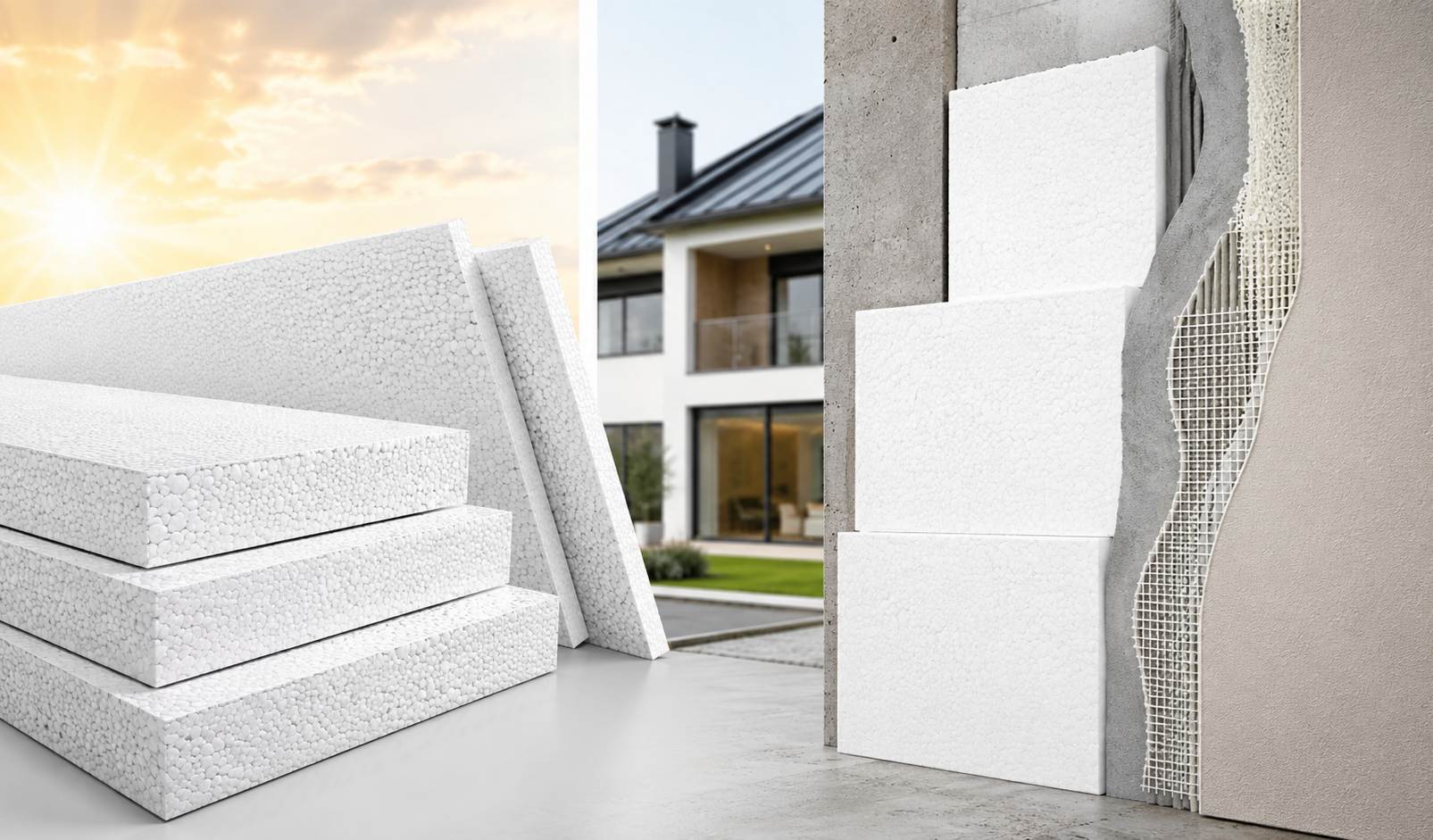
نادراً ما تحافظ أنظمة التسقيف وحاويات سلسلة التبريد والتغليف الواقي على درجة حرارة ثابتة. قطعة إسفنجية قد تغادر العينة مصنعًا باردًا، ثم تُنقل في شاحنة ساخنة، وبعد ذلك تقضي أسابيع بجوار جدار مُعرّض لأشعة الشمس أو آلة دافئة. يجب أن تتحمل قيمة العزل المعتمدة في العينة هذه الرحلة.
ماذا تعني مقاومة رغوة البوليسترين الموسع للحرارة حقاً؟
مقاومة الحرارة هي أكثر من مجرد رقم درجة حرارة واحد
مقاومة رغوة البوليسترين الموسع للحرارة هي قدرة البوليسترين الموسع على الحفاظ على وظائفه في ظل درجات حرارة عالية خلال فترة زمنية محددة. تشمل الاختبارات المفيدة تحديد أقصى درجة حرارة تشغيل، والاستجابة لدورات درجات الحرارة، وتأثير ذلك على الرغوة نفسها.
وهنا تبرز المسألة العملية المتعلقة بمقاومة رغوة البوليسترين الموسع للحرارة. لا شك في قدرة هذه الرغوة على تحمل ارتفاعات مفاجئة في درجات الحرارة، بل يكمن التحدي في الحفاظ على خصائصها الوظيفية عند تعرض المنتج النهائي للحرارة.
ما هي الخصائص التي يجب أن تظل مستقرة تحت تأثير الحرارة؟
يجب أن يحافظ جزء EPS المقاوم للحرارة على توصيل حراري ثابت، وثبات في الأبعاد، وقوة ضغط، وبنية خلوية مغلقة. إذا انكمشت اللوحة، أو فقد غطاء الصندوق إحكامه، أو تليّن غلاف التغليف، فإن رقم العزل المذكور في ورقة البيانات الأصلية لم يعد يعكس الصورة كاملة.
لماذا تُعدّ مقاومة الحرارة مهمة في تطبيقات رغوة البوليسترين الموسع؟
حماية أداء العزل بمرور الوقت
يمكن للحرارة أن تُغير توازن الغازات داخل خلايا الرغوة وتزيد من انتقال الحرارة عبر المادة. وقد يؤدي تغيير طفيف إلى زيادة استهلاك الطاقة في المبنى أو تقصير فترة التبريد الفعالة في صندوق النقل. هواشنغ تشير البيانات المرجعية إلى أن الموصلية الحرارية العادية لـ EPS تبلغ حوالي 0.039 واط/م·ك، بينما تكون درجات الجرافيت المعدلة أقل، لذلك يجب على المشترين تتبع كل من القيمة الأولية واحتفاظها بعد التعرض للحرارة.
التحكم في ثبات الأبعاد وملاءمة التركيب
يجب أن تحافظ ألواح السقف، وواقيات الزوايا، والصواني المصبوبة على شكلها بعد التسخين والتبريد. تُجري تقارير REPS فحوصات استقرار الأبعاد خلال دورة حرارية من 23 درجة مئوية إلى 80 درجة مئوية ثم العودة إلى 23 درجة مئوية، ودورة أخرى منفصلة من 23 درجة مئوية إلى -30 درجة مئوية ثم العودة إلى 23 درجة مئوية. تُعدّ هذه النطاقات مفيدة لأن المشاريع الحقيقية غالبًا ما تشهد تقلبات في درجات الحرارة بدلًا من حالة ثابتة واحدة.
الحفاظ على قوة الضغط والبنية
عندما يكون الفوم أسفل منصة نقالة، أو تحت حمولة سقف، أو في جزء هش، فإن التليين الناتج عن الحرارة قد يقلل من قوة التلامس ويزيد من الزحف. ولا يقتصر الخطر على الانهيار المفاجئ، بل إن بضعة ملليمترات من التشوه قد تؤدي إلى انفصال الغلاف، أو تسرب في الوصلة، أو فشل في دقة التركيب.
ما هي العوامل التي تحدد مقاومة رغوة البوليسترين الموسع للحرارة؟
بنية الخلية وكثافتها
تُبطئ الخلايا المغلقة المتجانسة انتقال الحرارة وتساعد الرغوة على استعادة شكلها. كما أن الكثافة مهمة أيضًا: فالرغوة الخفيفة جدًا تحتوي على كمية أقل من البوليمر حول كل خلية، بينما توفر المواد ذات الكثافة الأعلى عادةً دعمًا أكبر، ولكنها قد تتطلب إعدادات مختلفة للتشكيل والتبريد. ينبغي النظر إلى حجم الجسيمات، ونسبة التمدد، والسماكة، وتماسك الخرز معًا بدلًا من استخدامها كنقاط بيع منفصلة.
إضافات ودرجات EPS معدلة
يمكن للجرافيت والمواد المضافة القائمة على الكربون امتصاص أو عكس جزء من الطاقة الإشعاعية وخفض الموصلية الحرارية. على سبيل المثال، الجرافيت S-32 EPS تم إدراجها عند ≤0.032 واط/م·ك، مقارنة بحوالي 0.039 واط/م·ك للـ EPS العادي.
المعالجة والتجفيف والتدوير الحراري
تؤثر درجة حرارة التمدد المسبق، وتقادم الخرز، وضغط البخار، ووقت التبريد، وفك القالب، جميعها على بنية الخلية النهائية. تشير بيانات عملية REPS إلى درجة حرارة تمدد مسبق تبلغ 85 درجة مئوية ± 2 درجة مئوية، وفترة معالجة تتراوح بين 4 و8 ساعات. هذه ظروف عملية، وليست درجات حرارة التشغيل القصوى. ينبغي على المشترين التمييز بوضوح عند مقارنة الموردين.
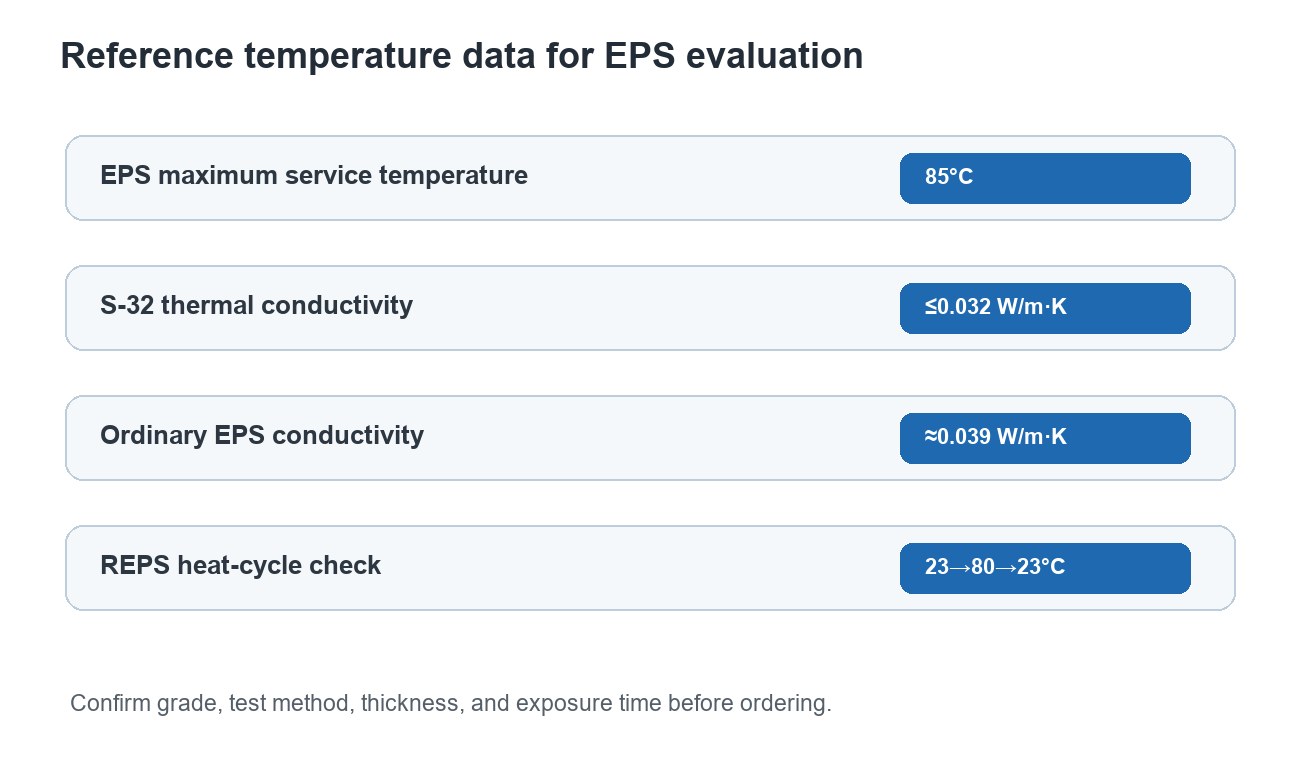
تُعدّ دورة التسخين المُتحكّم بها مفيدةً للغاية في التغليف المُخصّص، إذ تُظهر ما إذا كان الجزء لا يزال مُطابقًا للرسم بعد التسخين والتبريد والتكديس وفترة استعادة قصيرة. وهذا أكثر فائدةً من تقييم عينة دافئة باللمس.
كيف يؤدي البوليسترين الموسع (EPS) أداءه في تطبيقات درجات الحرارة العالية المختلفة؟
عزل الأسقف والمباني
تتعرض أسطح المباني لأحمال شمسية، ودرجات حرارة سطحية داكنة، وتغيرات موسمية، وضغط من الطبقات المجاورة. لذا، ينبغي على المشترين في هذه المشاريع مقارنة درجة حرارة التشغيل، وثبات الأبعاد خلال دورات التسخين والتبريد، وقوة الضغط عند الكثافة المحددة، ومدة التعرض المتوقعة. قد يُحسّن استخدام نوع من الجرافيت ذي موصلية حرارية منخفضة من كفاءة الطاقة، بينما يظل تصميم الألواح والطبقة الواقية عاملين أساسيين في النتيجة النهائية.
صناديق سلسلة التبريد وتقلبات درجات الحرارة
غالبًا ما يُقيّم عزل سلسلة التبريد باستخدام الرغوة في أبرد الأماكن، إلا أن أرصفة التحميل وشاحنات التوصيل قد تكون حارة. قد يؤدي الصندوق الذي يحافظ على قيمة العزل ولكنه يفقد إحكام غلق الغطاء أو متانة الزوايا إلى تلف الشحنة. لذا، اختبر الصندوق بالكامل، بما في ذلك الوصلات والأقفال، من خلال سلسلة درجات الحرارة الفعلية بدلاً من اختبار عينة مسطحة فقط.
التغليف الواقي والتعرض للمستودعات
قد تبقى المعدات الإلكترونية والأجهزة المنزلية وقطع الغيار الدقيقة في المستودعات أو الحاويات لساعات طويلة حيث تتراكم الحرارة. يجب أن يوازن غلاف البوليسترين الموسع (EPS) بين الوزن الخفيف والكثافة الكافية والتماسك اللازم للحفاظ على شكله تحت الكراتين المكدسة. إذا تحرك الغلاف الداخلي بعد التسخين، فقد يجتاز المنتج فحص المصنع ولكنه قد يصل متضررًا من الصدمات.
كيف ينبغي للمشترين تقييم مقاومة مادة EPS للحرارة؟
اطلب معرفة أقصى درجة حرارة للخدمة وظروف الاختبار
اطلب درجة حرارة التشغيل القصوى بالإضافة إلى طريقة الاختبار، وكثافة العينة، وسمكها، ووقت التعرض، وما إذا كانت القيمة تنطبق على الخرز أو الألواح أو جزء مصبوب.
تحقق من استقرار الأبعاد بعد دورة التسخين
اطلب قياس التغيرات في الطول والعرض والسماكة بعد دورة تسخين قريبة من مواصفات المشروع. بالنسبة للأسقف، قد يشمل ذلك التسخين الشمسي والتبريد الليلي. أما بالنسبة للتغليف، فقد يشمل ذلك التخزين في مستودع ساخن ثم النقل المبرد. يجب إعادة قياس العينات المحفوظة بعد استعادتها، وليس فقط مباشرة بعد التسخين في الفرن.
درجة المطابقة والكثافة وظروف الإنتاج
اختر مادة عادية، أو مقاومة للهب، أو جرافيتية، أو معدلة بالكربون، أو مادة مصممة خصيصًا للتطبيق. تحقق من الكثافة، ونسبة التمدد، وقوة الضغط، والانصهار، والتصلب، وتجانس الدفعة في الوقت نفسه. بالنسبة لهيكل خاص أو فترة تسليم محددة، دعم مخصص من ممثلي المبيعات يمكن مناقشة التفاصيل بعد تحديد الرسم ونطاق درجة الحرارة والمعدات. إذا كان المشروع يتطلب خطة اختبار رسمية أو مراجعة عينة، فيمكن للمشترين أيضًا مقارنة مواد HUASHENG EPS قبل الطلب. جيماتصال هواشنغ قبل تحديد جدول الإنتاج النهائي. الهدف هو مقارنة عينة معتمدة بعينة إنتاجية تحت نفس ظروف التسخين والتحميل.
أسئلة متكررة
س1: هل مادة EPS ذات درجة حرارة تشغيل 85 درجة مئوية مناسبة لكل مشروع عزل؟
ج1: لا. القيمة المذكورة هي قيمة مرجعية للمقارنة المذكورة، ويجب التحقق منها وفقًا للدرجة والكثافة والسماكة ومدة التعرض وتصميم القطعة النهائية. قد يتطلب الحمل الشمسي العالي أو الحرارة المستمرة إجراء اختبار خاص بالمشروع.
س2: هل انخفاض الموصلية الحرارية يعني بالضرورة مقاومة أفضل للحرارة؟
ج٢: لا. انخفاض الموصلية يحسن العزل، لكن مقاومة الحرارة تعتمد أيضاً على ثبات الأبعاد، وقدرة التحمل للضغط، وبنية الخلايا بعد التعرض للحرارة. ينبغي مراجعة النتائج الحرارية والميكانيكية على حد سواء.
س3: ما هي بيانات مقاومة الحرارة التي يجب على المشترين طلبها قبل تقديم طلب بالجملة؟
أ3: اطلب درجة حرارة التشغيل، وظروف الاختبار، والتغيرات البعدية الناتجة عن دورة التسخين، والتوصيلية قبل وبعد التعرض للحرارة، وقوة الضغط، والكثافة، وسجلات الدفعات. اختبر عينة مصبوبة على معدات قريبة من خط الإنتاج المخطط له.
 Arabic
  English
  German
  Spanish
  French