
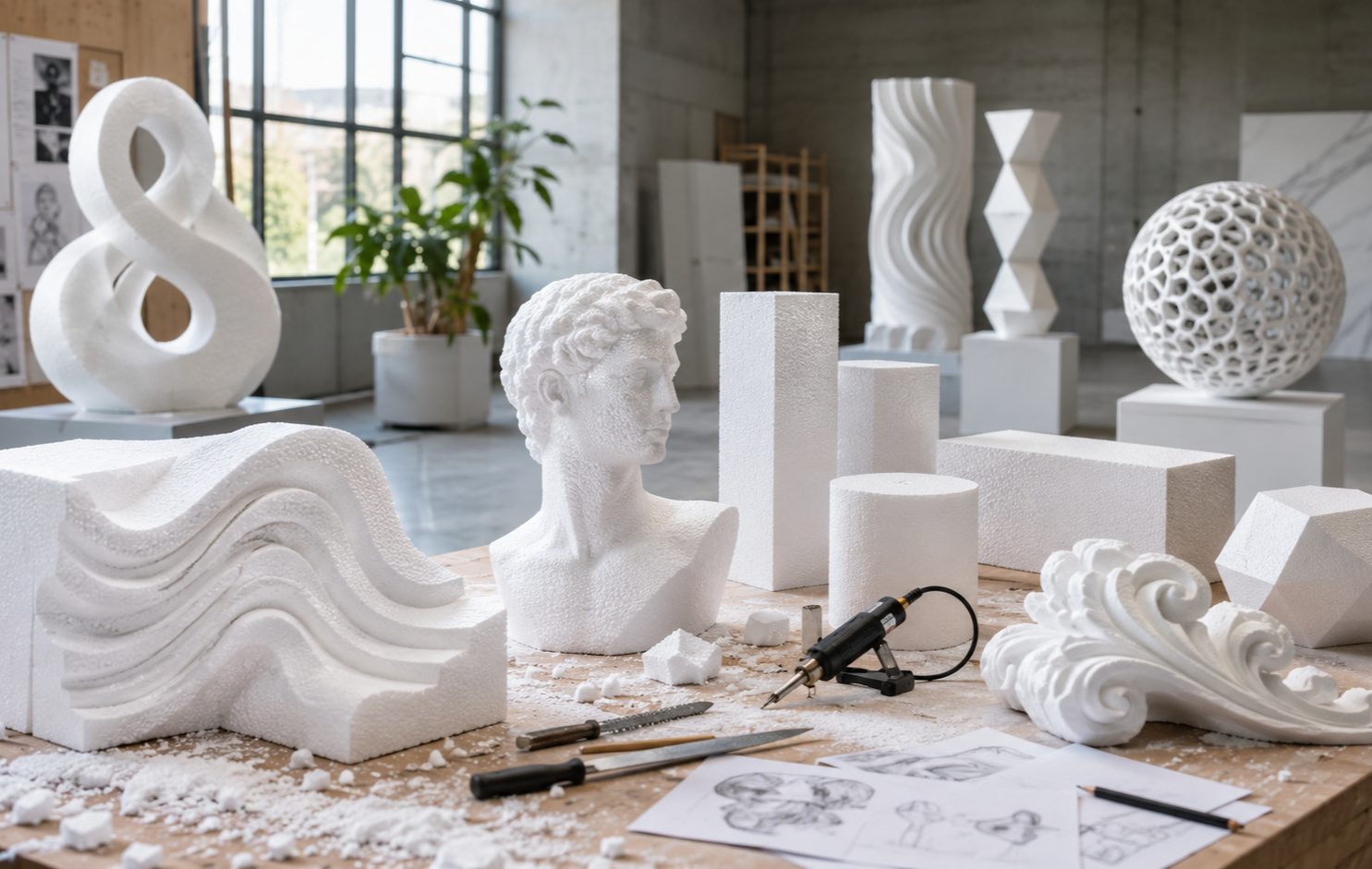
رغوة EPS يحظى هذا المنتج باهتمام متزايد في مشاريع الفنون والنحت. فهو خفيف الوزن، سهل التشكيل، ومناسب للهياكل البصرية المصممة حسب الطلب. يمكن للاستوديوهات، ومنظمي المعارض، ومشتري المشاريع بين الشركات تقليل جهد المناولة مع الحفاظ على دعم الأشكال الكبيرة، والتفاصيل الزخرفية، والإنتاج المتكرر.
رغوة البوليسترين الموسع في مشاريع الفن الحديث والنحت
أصبحت رغوة البوليسترين الموسع (EPS) مادة أساسية في مجالات الفن والتصميم، وخاصة في الأعمال النحتية والتركيبية. فمرونتها وتكلفتها المنخفضة وإمكاناتها الصديقة للبيئة تجعلها قاعدة مفضلة لكل من المشاريع التجريبية والمشاريع الإبداعية الكبيرة.
تعريف رغوة البوليسترين الموسع وخصائصها الأساسية
رغوة البوليسترين الموسع (EPS) عبارة عن بوليمر خفيف مصنوع من حبيبات البوليسترين الموسع التي تندمج لتشكل كتلة صلبة. تتميز بكثافة ثابتة، وقوة ضغط جيدة، وعزل حراري ممتاز. هذه الخصائص تمنح العمل النحتي ثباتًا ودقة. عند مقارنتها بالبولي يوريثان أو الراتنج، توفر رغوة البوليسترين الموسع سهولة أكبر في التشكيل وسمية أقل أثناء التصنيع.
لماذا تجذب رغوة البوليسترين الموسع الفنانين والمصممين؟
يُفضّل الفنانون رغوة البوليسترين الموسّع (EPS) لسهولة استخدامها. إذ يُمكن نحتها، أو تركيبها على طبقات، أو قصّها باستخدام آلات CNC لتشكيل أشكال معقدة مع الحفاظ على ثبات الحجم. كما تُتيح رغوة البوليسترين الموسّع حرية إبداعية عالية، وتُقدّم نتائج دقيقة بفضل توافقها الجيد مع الطلاءات، والدهانات، والتشطيبات المعدنية.
يُعدّ انخفاض التكلفة ميزةً واضحةً أخرى. ففي العروض قصيرة الأجل أو الأعمال العامة الضخمة، تُمكّن تقنية EPS الفنانين من الوصول إلى نطاق واسع دون إنفاق مبالغ طائلة على المواد أو مواجهة مشاكل النقل المعقدة.
إمكانيات التخصيص لتطبيقات الفنون والنحت بين الشركات
تُعتبر التخصيصات جوهر صناعة الفن الحديث.
تصميم رغوة البوليسترين الموسع (EPS) وفقًا لمتطلبات فنية محددة
أصبح بإمكان المصنّعين الآن توفير قطع دقيقة باستخدام أدوات CNC لمطابقة النماذج الرقمية عالية الدقة. وتتيح تقنية البناء متعدد الطبقات إمكانية إنتاج منحوتات كبيرة مع الحفاظ على نسب الوزن إلى القوة عملية. تستخدم شركة هواشنغ بنكها الجيني المتقدم للمواد ونظام محاكاة العمليات لتعديل خصائص المنتج الرئيسية بسهولة. ويمكن للمعالجات السطحية محاكاة مظهر الحجر أو المعدن. وهذا مناسب تمامًا للأعمال الفنية متعددة الوسائط التي تتطلب أسطحًا واقعية ذات لب خفيف.
إحدى الحالات الواضحة هي ArtFrame إمدادات النحت مشروع. تم استخدام جزيئات EPS المصبوغة حسب الطلب كحشوات هيكلية في معارض الفنون الجميلة مثل بينالي البندقية.
التعاون بين المصنّعين واستوديوهات الفنون
يُسهم التعاون الجيد بين الموردين والاستوديوهات في تسريع تحويل النماذج الأولية إلى منتجات نهائية. كما يُساعد التخصيص الشامل المجموعات التي تُدير أعمالاً فنية متعددة وفق معيار جودة واحد أو موضوع مشترك.
تقدم شركة هواشنغ خدمات متكاملة وشاملة تغطي تصميم الحلول المخصصة، وإنتاج العينات، والإنتاج، والخدمات اللوجستية. تتيح أدوات النمذجة الرقمية للمصممين التحقق من المقاسات قبل بدء الإنتاج الكامل. وهذا أمر بالغ الأهمية عند الانتقال من النماذج الصغيرة إلى التركيبات الكبيرة للمتاحف أو المساحات التجارية.
المزايا التقنية لرغوة البوليسترين الموسع (EPS) لمشاريع عام 2026
تحتاج الموجة القادمة من المشاريع الفنية إلى مواد تجمع بين المتانة الهيكلية والخصائص الصديقة للبيئة. وقد تطورت تقنية رغوة البوليسترين الموسع (EPS) لتلبية هذه الاحتياجات.
تحسينات في استقرار المواد ومتانتها
أدت الخطوات الجديدة في التحكم بالكثافة إلى تعزيز القوة الهيكلية. أصبحت المنحوتات الآن تحافظ على شكلها في ظل الضغط أو تقلبات الطقس. هواشنغ حققت الشركة تقدماً كبيراً في مجال تقنية البنية النانوية ذات المسام المغلقة. إذ تقوم ببناء شبكة ثلاثية الأبعاد دقيقة المسام تشبه خلية النحل باستخدام تقنية النسيج الاتجاهي للسلاسل الجزيئية، والتي تحاكي الحوسبة الكمومية. وقد أدى هذا التغيير إلى رفع قوة الضغط بنسبة 40%، مما يمنحها متانة تدوم طويلاً، سواءً للمعارض الداخلية أو الأعمال الفنية الخارجية التي تتعرض لتغيرات في درجات الحرارة أو الرطوبة.
اتجاهات التصنيع المستدام في إنتاج رغوة البوليسترين الموسع
باتت الاستدامة تُشكّل قواعد الشراء في قطاعات الفنون بين الشركات. يمكن للفنانين الراغبين في استخدام مواد صديقة للبيئة دون المساس بالأداء، الاستفادة من تركيبات البوليسترين الموسع المعاد تدويره في أعمال التصميم الدائري. في مصنع هواشنغ الذكي، تُطبّق الممارسات الخضراء في جميع مراحل الإنتاج. ويحقق نظامه الأصلي "ثلاثي الدورات" معدل إعادة تدوير يتجاوز 95% للنفايات، ويُقلّل استهلاك الطاقة بنسبة 30%.
مقارنة رغوة البوليسترين الموسع بالمواد البديلة في المشهد السوقي لعام 2026
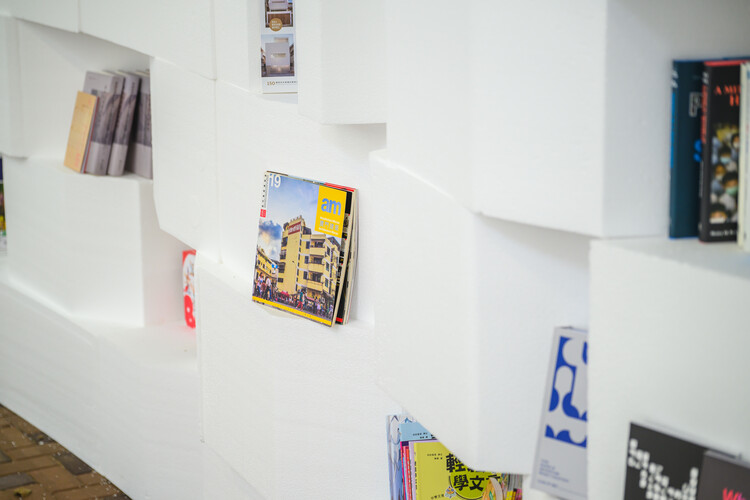
مع انتشار الممارسات الفنية، تساعد مقارنة خيارات المواد القيّمين على القيّمين على المعارض والمشترين على الموازنة بين المظهر والقيمة الإجمالية طوال العمر.
تقييم الأداء مقارنةً بوسائل النحت التقليدية
يُظهر البوليسترين الموسع (EPS) نسبة وزن إلى قوة استثنائية مقارنةً بالجص أو الطين، مما يُقلل من أعمال النقل والتركيب. كما أنه يتماشى مع اتجاهات التصميم الحديثة التي تمزج بين مواد مختلفة مثل طبقات الراتنج أو أسطح العرض الرقمي. وتبقى احتياجات الصيانة منخفضة. تقاوم قطع البوليسترين الموسع المطلية التشققات أو التشوّه مع مرور الوقت، متفوقةً بذلك على المواد العضوية كالخشب التي قد تتأثر بعوامل الطقس.
اعتبارات الكفاءة الاقتصادية واللوجستية للمنشآت الكبيرة
تُساهم الكثافة المنخفضة لمادة EPS في توفير تكاليف النقل بشكل مباشر. فانخفاض الوزن لكل وحدة حجم يُقلل من تكاليف الشحن، ويُتيح سهولة التجميع في الموقع باستخدام أجزاء مُنفصلة بدلاً من الكتل الثقيلة. هذا النطاق الواسع - من النماذج الصغيرة إلى المنحوتات العامة الكاملة - يُساعد على التحكم في التكاليف طوال دورة المشروع بأكملها.
الاعتبارات الاستراتيجية لمشتري الشركات الذين يستثمرون في حلول رغوة البوليسترين الموسع
تعتمد خيارات الشراء على كل من الجودة التقنية وقوة المورد بالإضافة إلى توقعات السوق في القطاع الإبداعي المتغير.
تقييم موثوقية الموردين ومعايير الجودة
ينبغي على المشترين اختيار شركاء يتمتعون بأنظمة جودة مثبتة. كما أن الدعم الفني خلال مرحلة الانتقال من التصميم إلى الإنتاج يُعزز العلاقات مع الموردين من خلال تقليل المخاطر في كل مرحلة من مراحل النموذج الأولي أو الإنتاج النهائي.
يضمن اتساق الدفعات نتائج موثوقة أثناء التشكيل أو النحت. وهذا أمر بالغ الأهمية عندما تدير الفرق مشاريع متعددة الفنانين ضمن مواعيد نهائية ضيقة للعرض.
التنبؤ بالطلب في السوق عبر المؤسسات الفنية والمعارض
يتزايد استخدام المواد المستدامة باستمرار بين المجموعات الثقافية التي تسعى إلى تحقيق أهداف الحوكمة البيئية والاجتماعية والمؤسسية. وتقود شركة هواشنغ تحولاً عالمياً في استخدام المواد من خلال حبيبات البوليسترين، مستندةً إلى تقنيات متطورة ومسؤولية بيئية.
مع قيام المهندسين المعماريين بإضافة أجزاء نحتية إلى واجهات المباني أو معالم المناظر الطبيعية، فإن العمل المشترك بين الفنانين والمهندسين وعلماء المواد سيشكل خطط الشراء حتى عام 2026 وما بعده.
أسئلة متكررة
س1: ما هي كميات الطلب الدنيا (MOQ) لرغوة EPS المخصصة المستخدمة في مشاريع النحت؟
ج1: يتغير الحد الأدنى لكمية الطلب حسب حجم الجسيمات المطلوبة. ويبدأ عادةً من عدة أمتار مكعبة لكل دفعة. ولا يزال موردون مثل هواشنغ يقدمون خططًا مرنة من خلال برنامج REPS المخصص الخاص بهم، والمصمم خصيصًا لاستوديوهات الفنون التي تنتقل من النماذج الأولية إلى الإنتاج بكميات أكبر.
س2: كيف ينبغي للمشترين تقييم متطلبات التركيب عند اختيار درجات رغوة البوليسترين الموسع؟
أ2: تحقق من مستويات الكثافة مقابل متطلبات التحميل. الأنواع الأخف وزنًا، مثل P-extra light، مناسبة للعروض المؤقتة. أما الأنواع الأكثر كثافة والمعدلة بالجرافيت فتمنح قوة أفضل في الهواء الطلق. يمكن للفرق الفنية المساعدة في مواءمة الأهداف الفنية مع متطلبات الأداء الميكانيكي.
س3: هل تقدم شركة هواشنغ الدعم الفني لما بعد البيع للمؤسسات الفنية التي تستخدم منتجاتها؟
ج٣: نعم. تقدم شركة هواشنغ إرشادات وتدريبات فنية احترافية لمساعدة العملاء على تحقيق أقصى استفادة من منتجاتها. نظام الاستجابة السريعة يحلون أي مشاكل أثناء تجهيز المعرض في غضون 24 ساعة. وهذا ما يجعلهم شريكاً موثوقاً به للعمل المؤسسي طويل الأمد.
 Arabic
  English
  German
  Spanish
  French