
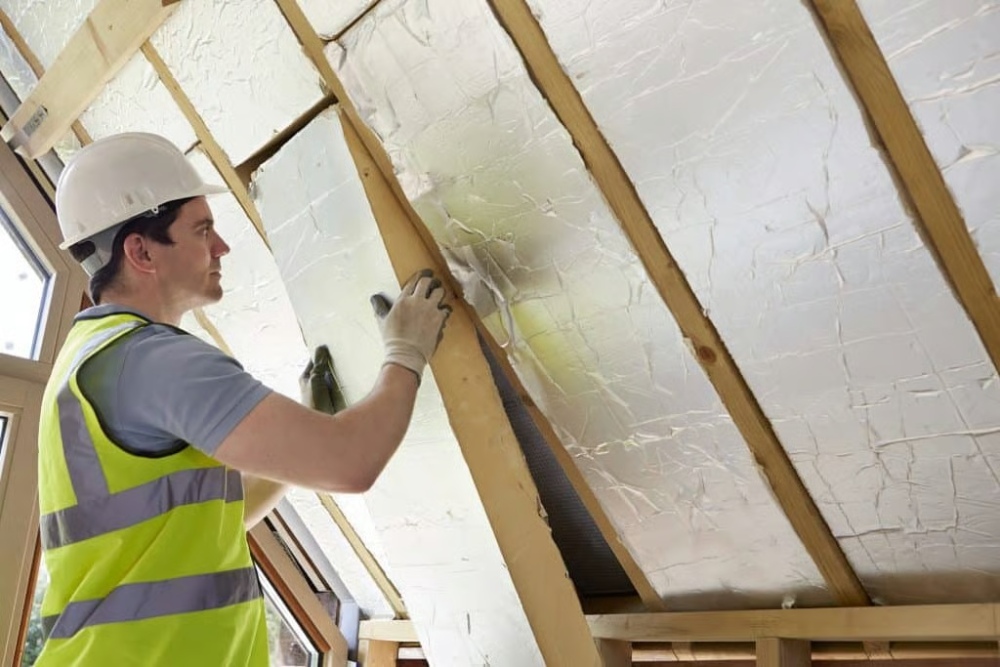
تحولت رغوة العزل الحراري إلى خيار شعبي لتعزيز الأداء الحراري في المباني والمعدات والاستخدامات الصناعية. يختلف عن طرق العزل القديمة من خلال إضراب مزيج فريد من الحجب الحراري وسرعة الإعداد وتخفيضات الطاقة الدائمة.
فهم رغوة العزل الحراري ودورها في كفاءة الطاقة
رغوة العزل الحراري تخدم جزءا رئيسيا في اليوم’ مشاريع البناء الموفرة للطاقة. يقلل من حركة الحرارة غير المرغوب فيها ويحافظ على استقرار المساحات الداخلية. أحد أهم اللاعبين في هذا المجال هو لانجو هواشينغ المواد الجديدة المحدودةشركة تركز على التكنولوجيا تتعامل مع البحث وصنع وبيع رغوة البولي ستيرين القابلة للتوسع (EPS).
العلم وراء رغوة العزل الحراري
عزل الرغوة يقلل من نقل الحرارة عن طريق التوصيل والحوالي والإشعاع. إعدادها الفقاعة يحتجز الهواء في جيوب مغلقة أو مفتوحة. تتميز رغوة الخلايا المغلقة ببناء أكثر ضيقة تعطي مقاومة حرارية أفضل. في الوقت نفسه ، تزن الرغوة المفتوحة أقل وتتنحني بسهولة أكبر. تظهر عناصر رغوة EPS من HUASHENG مهارات حظر حرارية قوية. إنها تقلل من استهلاك الطاقة في الهياكل بفعالية. سمكها المتساوي وتصميمات الثقب المغلقة بالنانو الذكية تعزز التعامل الحراري. هذا يقلل من الموصلات ويزيد من قوة سحق. مثل هذا النمط من الخلايا الصغيرة يحمل تدفق الحرارة بشكل جيد. ونتيجة لذلك، فإنه يساعد على تقليص احتياجات التدفئة والتبريد.
مقارنة مواد الرغوة بخيارات العزل التقليدية
تعتمد المواد القديمة مثل الألياف الزجاجية أو السليلوز على الحجم الكبير لمنع الحرارة. ومع ذلك ، غالبا ما يخلقون مساحات تسمح للهواء بالانزلاق من خلالها. أنواع الرغوة مثل EPS أو REPS تختم الهواء بشكل أفضل لأنها تنمو أثناء وضعها في مكانها. رغوة EPS يشكل درعا حراريا صلبا. هذا يبقي الدفء الداخلي ثابتًا طوال السنة. كما يقلل من استخدام نظام HVAC. بالإضافة إلى ذلك، الرغوة تحارب الرطوبة بشكل جيد. هذا يوقف تراكم العفن وأضرار البناء. إنه يعطي صلابة دائمة أن خيارات ملء فضفاضة أو الخفيفة يمكن’ t تطابق.
أنواع رغوة العزل الحراري المستخدمة في البناء الحديث
تتيح مجموعة من أنواع الرغوة للمصممين والبنائين اختيار الخيارات التي تناسب كل وظيفة ’ المطالب.
الخلية المفتوحة مقابل رغوة الخلية المغلقة: الاختلافات الرئيسية
رغوة الخلايا المفتوحة تناسب داخل الوظائف حيث الانحناء وحجب الضوضاء أهمية أكبر. رغوة الخلايا المغلقة تقدم قيم R أفضل لكل بوصة. كما تضيف قوة إلى الجدران أو الأسطح. HUASHENG FGE-الجرافيت البوليستيرين (طريقة التعليق) ينخفض الموصلية الحرارية لألواح البوليستيرين. هذا يعزز كل من حجب الحرارة والحد من الضوضاء. وبالتالي ، فإنه يعمل بشكل جيد لمهام البناء المعبأة التي تحتاج إلى الطاقة والإعداد الذكي.
حريق تصنيف توسع الرغوة لتحسين السلامة
الخلاطات الآمنة من الحريق ضرورية لتلبية قواعد البناء. حصلت شركة HUASHENG على موافقة مختبر اختبار السلامة في الولايات المتحدة (UL). هذه المواد تتحمل الحرارة العالية. إنها تبطئ نمو النار بالقرب من ثقوب الأسلاك أو الأنابيب. البضائع مثل F مادة اللهب REPS نوع مزيج الموصلات الحرارية المنخفضة مع قوة الالتصاق كبيرة. لذلك فإنها تضمن السلامة وتنتج عن بناء الأماكن حيث يحسب حجب الحريق أكثر.
تقييم إمكانات توفير الطاقة لعزل الرغوة في عام 2026
كما الأهداف الخضراء العالمية الحصول على أكثر صرامة، قبض الرغوة’ ويصبح الدور في التخفيضات المستمرة في الطاقة أمراً أساسياً.
مقاييس الأداء الحراري التي تؤثر على كفاءة الطاقة
تظهر قيمة R لكل بوصة مدى مكافحة المادة لتدفق الحرارة. أرقام أعلى تعني حظر أقوى. عن طريق إغلاق فجوات الهواء، الرغوة تقطع المسودات التي تتأرجح درجات الحرارة. في مشروع صندوق لوجستيات سلسلة التبريد FrostSafe لشركة HUASHENG ، ضرب EPS الموصل الحراري المنخفض جدا λ = 0.032W / m · K. هذه درجة الحرارة الممتدة تستمر بنسبة 40٪. ترتبط هذه الإحصاءات مباشرة بانخفاض احتياجات تكييف الهواء والتبريد والسهولة الداخلية المستمرة في جميع الطقس.
فوائد التكلفة على المدى الطويل لاستخدام مواد الرغوة
قد تفوق تكاليف الإعداد المسبق للرغوة تكاليف العزل القديم. ومع ذلك ، يعوض عمره الطويل عن ذلك عن طريق دفعات المرافق الأصغر. HUASHENG إعادة استخدام 300،000 طن من EPS كل عام. وهذا يوفر 1,500,000 طن من النفط الخام و 1,200,000 طن من انبعاثات ثاني أكسيد الكربون. نهجها القائم على الحلقة يدعم الأهداف الخضراء في جميع أنحاء العالم. كما يعزز توفير التكاليف عن طريق تقليل النفايات مع مرور الوقت.
دمج رغوة العزل الحراري في التطبيقات السكنية والتجارية
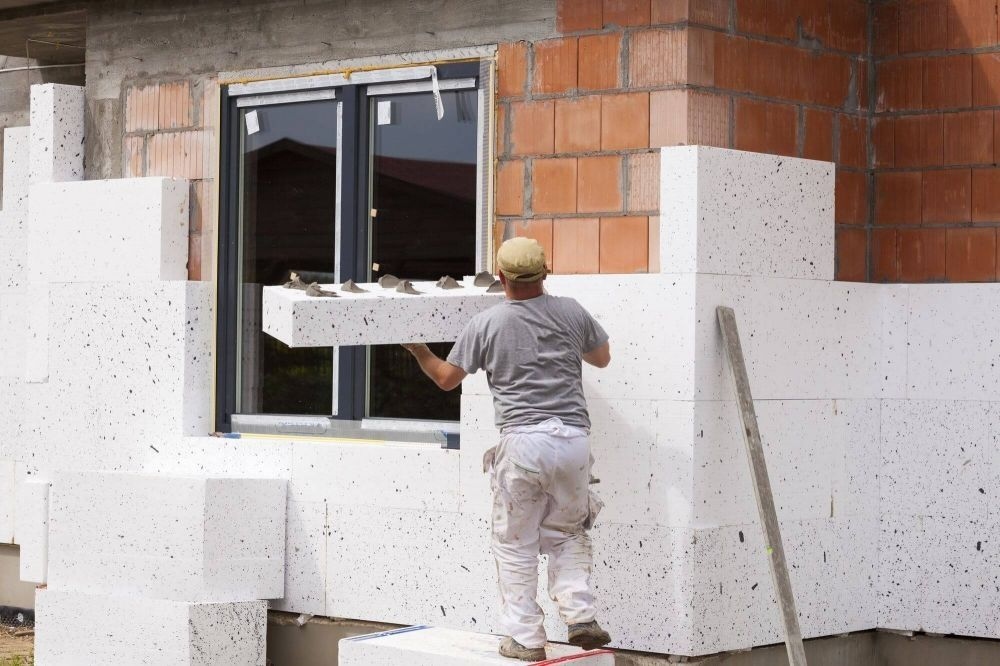
الاستخدامات السكنية للراحة والكفاءة
في المنازل ، تحتوي الرغوة المتنامية على مساحات في العليا والجدران والقبو والمناطق السفلية. إنها تمسح بقع فقدان الطاقة. تساعد سلع EPS من HUASHENG المباني في عقد حتى الدفء الداخلي على مدار السنة. كما أنها تقلل من إجمالي إنفاق الطاقة بشكل كبير. يستفيد المالكون من الراحة الأفضل لأن المساحات تبقى دافئة أو باردة بشكل متساو بغض النظر عن الطقس في الخارج.
تطبيقات البناء التجاري لتحسين الأداء
المباني التجارية مثل أماكن التخزين أو المكاتب تحتاج إلى معالجة المناخ بدقة لإنتاج العمل وسلامة المعدات. إعدادات الرغوة تخفض تكاليف التشغيل عن طريق استقرار الدفء الداخلي بشكل جيد. في مشروع GreenBuild Eco-city لـ HUASHENG مع جزيئات EPS المضادة للشعلة B1 (الكثافة 22 كيلوغرام / متر مكعب) ، ارتفع معدل توفير الطاقة الكامل بنسبة 14٪. كما حصلت على شهادة LEED Gold. تظهر هذه النتائج كيف تتوافق إصلاحات الرغوة الطازجة مع قواعد البناء الأخضر العالمية.
التقدم التكنولوجي الذي يقود مستقبل عزل الرغوة
الطريق الأمامي لرغوة العزل الحراري يجمع بين اختراقات المواد والروابط الذكية الرقمية.
الابتكارات في مواد الرغوة الصديقة للبيئة
يقوم المصنعون بصنع رغاوي منخفضة الكربونات الجوية التي ترفع جودة الهواء الداخلي. كما يحتفظون بنتائج قوية. HUASHENG إنشاء العالم’ أول خط ذكي للبوليستيرين. يستخدم المواد الخام التي أعيد استخدامها بنسبة 100٪ من خلال نظامه الخاص بثلاث حلقات. هذا يصل إلى أكثر من 95٪ من معدل إعادة استخدام النفايات. عناصر مثل الجرافيت الصف-S-اللوحات المضادة للشعلة عرض المباني الذكية الخضراء. إنها تعطي حظر حريق أفضل (درجة B1) مع حمولة بيئية أقل.
أنظمة العزل الذكية المتكاملة مع تقنيات البناء
الإعدادات الذكية الجديدة تضع أجهزة الاستشعار في طبقات الرغوة. هذه المسارات تغيرات الرطوبة أو الحرارة على قيد الحياة. يمكن للمعلومات المجمعة ضبط عمل HVAC بنفسها. هذا يقلل من إهدار الطاقة مع الحفاظ على سهولة المستخدم. ربط مع برنامج التحكم في المبنى سيسمح بتغيير أعمال العزل. ويتناسب مع خطط الصيانة المتوقعة المحددة لاستخدامها على نطاق واسع بحلول عام 2026.
العوامل التي يجب مراعاتها عند اختيار رغوة العزل الحراري لمشروعك
اختيار أفضل رغوة العزل الحراري يعني التحقق من نقاط تقنية مختلفة بعد قيم R الأساسية.
معايير الأداء ما وراء قيمة R
وتغطي النقاط الرئيسية قوة السحق لوظائف الاحتفاظ بالوزن ، وتدفق البخار للتعامل مع الرطوبة ، ومستويات كتلة الحريق وفقًا للقواعد المحلية. تقدم درجة مقاومة اللهب القياسية FSH-الأوروبية من HUASHENG قوة سحق أكثر من 20٪ فوق الأنواع الأخرى. كما يضرب أداء حرق B1 بشكل أسرع. التطابق مع المواد الحالية يضمن الالتصاق الجيد في الإعداد. ويقوم الخبراء بوضع وعود، حتى وعود منتشرة. هذا’ مفتاح القوة الدائمة.
المعايير التنظيمية وشهادات الجودة للتحقق من قبل الشراء
يجب على المشترين التحقق من مطابقة ASTM بالإضافة إلى خطوات صنع معتمدة من ISO. هذه تضمن الثقة في الإعدادات الحقيقية. تم التحقق من البوليستيرين القابل للتوسع الذي تم إعادة استخدامه في هواشنغ تحت ISO 14067: 2018. لديها بصمة كربونية من 719 kg CO₂ eq لكل طن. تضيف الموافقة على GRS إثبات اتباع قواعد إعادة الاستخدام العالمية. وهذا يعطي الثقة بأن كل عنصر يلبي علامات الجودة الصعبة. وفي الوقت نفسه، يدعم طرق البناء الأخضر.
أسئلة متكررة
Q1: ما الذي يجعل رغوة العزل الحراري الخلية المغلقة أكثر فعالية من أنواع الخلية المفتوحة؟
A1: تتميز رغوة الخلية المغلقة بإعداد جزيئي أكثر صرامة يحد من تدفق الهواء داخل الجيوب. هذا يؤدي إلى قيم R أعلى لكل بوصة من أنواع الخلايا المفتوحة ، والتي تركز على الانحناء بدلا من حجب الحرارة العليا.
س2: كيف تساهم الرغوة المتوسعة المصنفة للحريق في سلامة المبنى؟
A2: تشمل الرغوة المتوسعة المصنفة للحريق الإضافات التي تحارب إطلاق الحرائق وتبطئ نمو الحريق بالقرب من الثقوب مثل الأنابيب أو الأسلاك. يحافظون على بناء القوة لفترة أطول في الحرارة العالية ، والتأكد من اتباع قواعد السلامة.
س3: لماذا تعتبر هواشنغ رائدة في تكنولوجيا العزل المستدامة؟
A3: تجمع الشركة بين تصاميم ثقوب ذكية مغلقة بالنانو وأنظمة إعادة الاستخدام الكاملة. تصل هذه إلى أكثر من 95٪ من معدل إعادة استخدام المواد. بالإضافة إلى ذلك ، تهدف إلى إنشاء مصنع محايد للكربون من خلال 2026 خفض الانبعاثات الصناعية بأكثر من 85%.
 Arabic
  English
  German
  Spanish
  French