
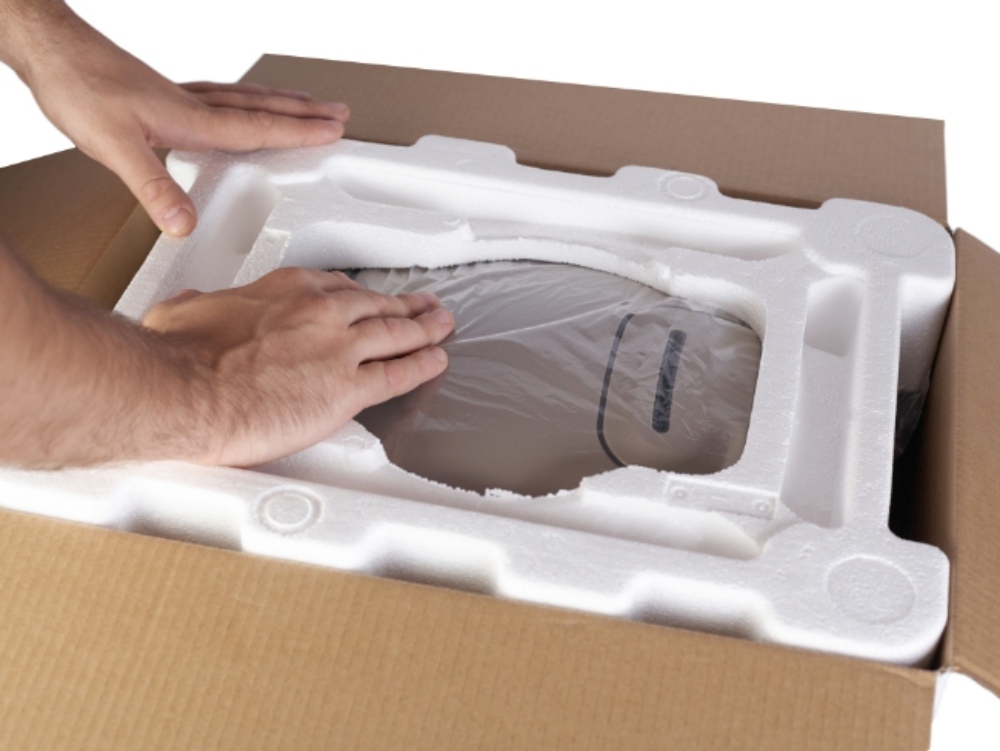
EPS(البوليستيرين الموسع) التعبئة والتغليف يفعل أكثر من مجرد تقديم وسادة أساسية. إنه يجمع بين بناء خفيف ومقاومة تأثير قوية وقيمة جيدة مقابل المال. هذه الميزات تناسب بشكل جيد مع العديد من الاحتياجات الحالية للشحن وسلامة المنتجات. قبل أن ننظر إلى فوائدها ، من المهم فهم ما هي رغوة EPS في الحقيقة. يجب أن نفهم أيضًا كيفية عملها ولماذا تبقى شائعة في مهام التعبئة والتغليف.
فهم مواد التعبئة والتغليف EPS والرغوة
تتعامل الشركات الآن مع تكاليف الشحن المتزايدة ودفع أقوى للتعبئة والتغليف الصديقة للبيئة. البنود الحساسة والبضائع التي تحتاج إلى درجات حرارة ثابتة والأجهزة الإلكترونية الغالية كلها تتطلب حماية قوية أثناء التنقل. لا تزال الكثير من الشركات تستخدم خيارات ثقيلة أو صعبة إعادة تدويرها التي تعزز النفايات والنفقات. هذا’ حيث أنواع الرغوة الطازجة ، وخاصة EPS ، تدخل كخيار أفضل.
ما هو EPS؟
EPS هو رغوة خفيفة قوية تتكون من حبات البوليستيرين التي تنمو مع الحرارة والبخار. يستخدمها الناس كثيرا في التعبئة والتغليف والعزل والأدوار السلامة بسبب صلابتها وسعرها الرخيص. تصميم الخلية المختومة من EPS يعطي حشوة كبيرة وحجب الحرارة.
دور مواد الرغوة في التعبئة والتغليف الحديثة
تلعب أنواع الرغوة مثل EPS دورا هاما في التعبئة والتغليف الحديثة لأنها تساعد على حماية المنتجات من التأثير والاهتزاز والضغط أثناء النقل. هيكلها الخفيف الوزن يمكن أن يمتص الصدمات من قطرات، والصدمات، والتعامل الخشن، مما يقلل من خطر الشقوق، والثقوب، أو تلف السطح. في نفس الوقت، إدراجات الرغوة أو تغليف الرغوة المصبوبة تبقي المنتجات موضعًا راسخًا داخل الصندوق، مما يمنع الحركة التي يمكن أن تسبب الاحتكاك أو الاصطدام. هذا يجعل مواد الرغوة مفيدة بشكل خاص للمنتجات الهشة أو عالية القيمة أو الدقة التي تحتاج إلى حماية مستقرة طوال التخزين والتعامل والتسليم.
على سبيل المثال، هواشنغيوفر B Rapid Prototyping Grade EPS حتى أحجام الخرز ومقاومة ضربة قوية. وهذا يجعله مثاليًا لتغليف الإلكترونيات أو الفخار ، حيث تعتبر المناسبات الدقيقة الأكثر أهمية.
ميزة 1: حماية استثنائية وامتصاص الصدمات
القوة الرئيسية لـ EPS تأتي من مهارتها في أخذ القوى الضارة بشكل جيد ، كل ذلك مع الحفاظ على شكل ثابت.
كيف تمتص رغوة EPS قوى التأثير
ينتشر بناء الخلية خارج الضغط بشكل متساو على المنطقة. ونتيجة لذلك، فإنه يقلل من الضرر للسلع القابلة للكسر أو الحساسة أثناء النقل. حتى بعد عدة ضربات ، يحتفظ EPS بشكله. لذلك ، فإنه يضمن سلامة ثابتة طوال الرحلة. هذه الخيارات تعطي السلامة الراقية للأشياء في الطريق. فهي تحمي ضد الضرر المحتمل من الصدمات والاهتزازات والضربات.
التطبيقات في التعبئة والتغليف الوقائي
غالبا ما تذهب قطع الرغوة EPS إلى التعبئة والتغليف للإلكترونيات والأدوات الصحية والمواد الزجاجية أو قطع غيار السيارات. تتأكد الأشكال المخصصة من تناسب ضيق لكل نوع من البنود. وفي الوقت نفسه ، يقللون من الدعوة إلى المواد المضافة ، مما يزيد من القيمة. تظهر عناصر REPS مقاومة ضربة دقيقة وقوة. وكان الهدف الأول من إنشائها هو تحسين دور EPS القياسي في مهام التعبئة والتغليف.
ميزة 2: خفيفة الوزن ولكن قوية هيكليا
في الشحن وصنع الأشياء ، فإن إيجاد توازن بين القوة والوزن الأقل أمر حيوي. هذا يساعد على خفض تكاليف النقل دون المخاطرة بالسلامة. على الرغم من الخفيفة ، يمكن لـ EPS التعامل مع أحمال الضغط الكبيرة. وبالتالي ، فهي تناسب كل من التعبئة والتغليف اليومية للبضائع واستخدامات المصنع. خفض وزن التعبئة والتغليف يقلل من استخدام الوقود في الشحن. ومع ذلك ، فإنه يحافظ على استقرار الكومة للتخزين أو النقل.
في مجالات البناء، تخدم لوحات EPS الخفيفة ولكن القوية كحواجز حرارية أو حشوات فارغة. تقدم دعم حمولة عالية مع حجم صغير. هذه السمة تناسب بشكل جيد للشحن الكبير أو إعدادات المباني المبنية مسبقا. إجابات رغوة EPS من HUASHENG توفر سلامة خفيفة ولكن صعبة. فهي تقلل من الحاجة إلى الكثير من المواد مع الحفاظ على الممارسات الخضراء.
ميزة 3: خصائص العزل الحراري من EPS
التحكم في درجة الحرارة في الشحنات الحساسة
الشحنات التي تتفاعل مع درجة الحرارة، مثل الأدوية أو الأطعمة الطازجة، تحتاج إلى ظروف داخلية على طول مسار التسليم بأكمله. يساعد تدفق الحرارة المنخفض لـ EPS على الحفاظ على استقرار درجات الحرارة الداخلية ، حتى مع تغيير الإعدادات الخارجية. غالبا ما تظهر في صناديق سلسلة الباردة ، مثل نظام FrostSafe من HUASHENG. هذا التصميم يمتد وقت الاحتفاظ بدرجة الحرارة بنسبة 40٪.
كفاءة الطاقة في التطبيقات الأوسع
خارج التعبئة والتغليف ، يضيف EPS الكثير إلى توفير الطاقة في البناء. يقلل من التحولات الحرارية عبر الجدران أو الأسطح. بالإضافة إلى ذلك ، فإنه يحارب دخول المياه. ويقلل استخدامه من الحاجة إلى التدفئة أو التبريد، مما يدعم طرق البناء الأخضر بما يتماشى مع أهداف خفض الكربون العالمية.
ميزة 4: مقاومة الرطوبة والاستقرار الكيميائي
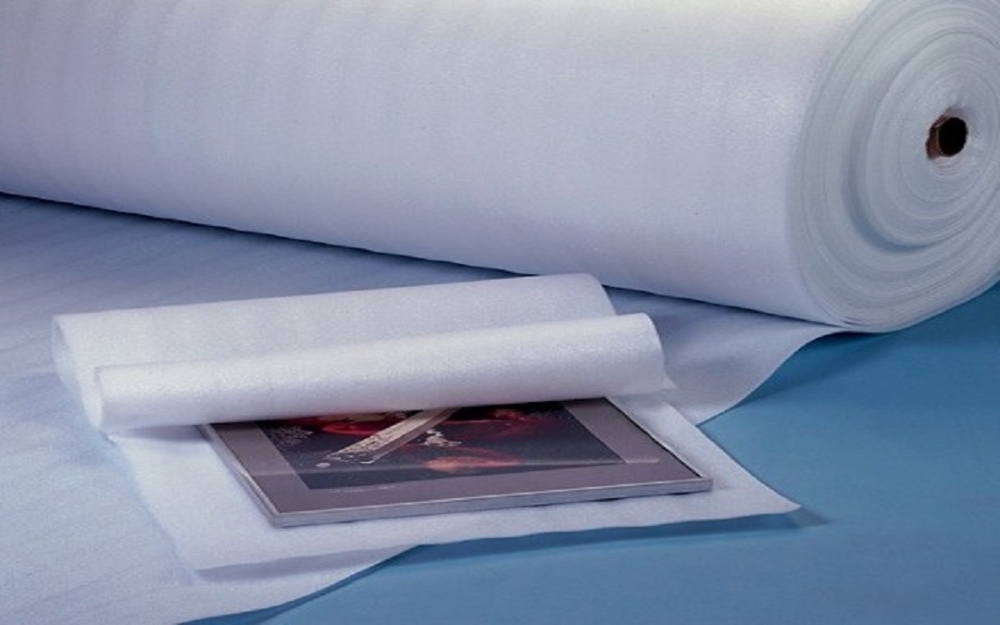
بناء الخلايا المختومة لـ EPS يمنع المياه من الدخول إلى الجزء الرئيسي. هذه سمة رئيسية عند نقل المعدات الحساسة عبر المناطق الرطبة. هذه المقاومة للماء تحافظ على قوة الشكل على المدى الطويل حتى في البقع الرطبة. وفي الوقت نفسه ، يحمي المحتويات من التآكل الناجم عن الرطوبة أثناء الحفاظ أو السفر. كما أنها تتصدى للعديد من المواد الكيميائية مثل الأحماض أو الزيوت. لذلك ، فإنه يعمل لأدوار المصانع حيث قد تلمسها الأشياء الصعبة.
الميزة 5: الاستدامة من خلال قابلية إعادة التدوير وكفاءة الموارد
ومع أن الأهداف الخضراء تزداد مركزية لخطط الأعمال في جميع أنحاء العالم، فإن العناصر القابلة لإعادة الاستخدام مثل EPS تحصل على تركيز جديد.
فرص إعادة تدوير رغوة البوليستيرين الموسعة
يمكن ضغط أو ذوبان EPS لاستخدامه مرة أخرى في أشكال جديدة مثل إطارات الصور أو لوحات الحرارة. خطط إعادة الاستخدام قطع القمامة في النفايات من صناديق الرغوة. كما أنها تساعد جهود الاقتصاد الدائري.
HUASHENG تدوير 300،000 طن من EPS كل عام. وهذا يوفر 1,500,000 طن من النفط الخام و 1,200,000 طن من ثاني أكسيد الكربون. تقنية الضغط الأفضل تقلص حجم الرغوة إلى واحد التسعين من البداية. هذا يعزز نجاح إعادة الاستخدام في جميع أنحاء العالم.
كفاءة الموارد في عمليات التصنيع
بجانب العديد من المواد البلاستيكية الأخرى ، يحتاج صنع EPS إلى مواد خام قليلة مقارنة بحجم العائد. ويدعم استخدامه المنخفض للطاقة العمل الصديق للأرض عبر خطوط التصنيع. أفكار جديدة مستمرة مثل تكنولوجيا بناء المسام المغلقة بالنانو قد زادت قوة الضغط بنسبة 40٪. وهذا يظهر أن الناتج يمكن أن تزوج مع الطرق الخضراء.
الاتجاهات الناشئة في تصميم التعبئة والتغليف EPS والابتكار
المرحلة التالية للتغليف القائم على الرغوة هي حيث تلبي دقة البناء الرقمي خطوات علم المواد الخضراء إلى الأمام.
دمج تقنيات التصميم الذكي
التشكيل القائم على الكمبيوتر يتيح الآن للمبنين اختبار انتشار الإجهاد في بناء الرغوة قبل البدء. هذا نغمة’ توازن السلامة إلى الوزن بشكل جيد. أشكال مصممة خصيصا يمكن التحول بسرعة إلى أحجام البنود الجديدة أو احتياجات الشحن دون تكاليف تغيير الأداة الكبيرة.
تسمح اختبارات الهندسة المتقدمة بمساعدة الكمبيوتر (CAE) بإجابات رغوة EPS دقيقة. إنها تعزز الإنتاج مع تقليل الضرر الأخضر.
توقعات المستقبل لحلول التعبئة والتغليف القائمة على الرغوة
التركيز العالمي على قواعد الاقتصاد الحلقي يدفع الخيارات القائمة على النباتات من مصادر جديدة. كما أنه يحسن إعادة استخدام العلامات بموجب قواعد مثل توجيه التعبئة والتغليف في الاتحاد الأوروبي 94/62 / EC والصين ’ معايير GB / T 40006-2021.
كما تتحرك هواشنغ نحو إنتاج أكثر كفاءة في استخدام الموارد وحلول المواد المنخفضة الكربون. المواقع تلبي هذه بالفعل. يستمر في الخلط الذكاء الخضراء في كل خطوة، من الخلق إلى التصنيع. هذا يساعد المشترين على الوصول إلى أعلى إنتاج وتتناسب القواعد الخضراء في وقت واحد.
أسئلة متكررة
Q1: ما الذي يجعل رغوة البوليستيرين الموسعة مختلفة عن رغوات التعبئة والتغليف الأخرى؟
A1: يحتوي EPS على بناء خلية مغلقة تعطي رطب هزة أفضل وكتلة حرارة من الرغوة الخلية المفتوحة مثل أنواع البولي يوريثان أو البولي إيثيلين.
Q2: كيف يمكن إعادة تدوير المواد EPS الحديثة؟
A2: تكنولوجيا إعادة الاستخدام الجديدة تتيح ما يصل إلى 95٪ العودة. شركات مثل هواشنغ تتعامل مع مئات الآلاف من الأطنان كل عام كمشتري طازج أو بنود المصنع.
Q3: هل EPS مضاد للشعلة آمن لعزل المبنى؟
A3: نعم. الأنواع التي تم التحقق منها مثل نوع REPS من نوع F Material flame-retardant تلبي علامات السلامة من الحريق على مستوى B1 في العالم. يحافظون على تدفق حرارة منخفض مناسب لإعدادات الجدران الخارجية.
Q4: هل يمكن تصميمات EPS المصبوبة حسب الطلب تقليل التكاليف اللوجستية الإجمالية؟
A4: نعم - إدراجات مصنوعة تقطع المساحة الفارغة في الصناديق ، مما يقلل من وزن السفينة. وهذا يتحول مباشرة إلى تكاليف شحن أقل وعلامات خضراء أفضل عبر خطوط الإمداد.
 Arabic
  English
  German
  Spanish
  French