
في اليوم’ مشاريع البناء ، المواد للسلامة من الحرائق تحتاج إلى اتباع قواعد صارمة وإظهار نتائج قوية. ومع تزايد قواعد البناء في جميع أنحاء العالم، فإن اختيار المواد التي تتطابق مع هذه القواعد هو المفتاح للحفاظ على أمان المباني والناس. معرفة قواعد السلامة الصحيحة تساعد على التأكد من أن المواد الرغوية المتوسعة توفر حماية قوية من الحريق في الاستخدام اليومي.
ما هي معايير السلامة الأساسية للرغوة المتوسعة المقاومة للحريق؟
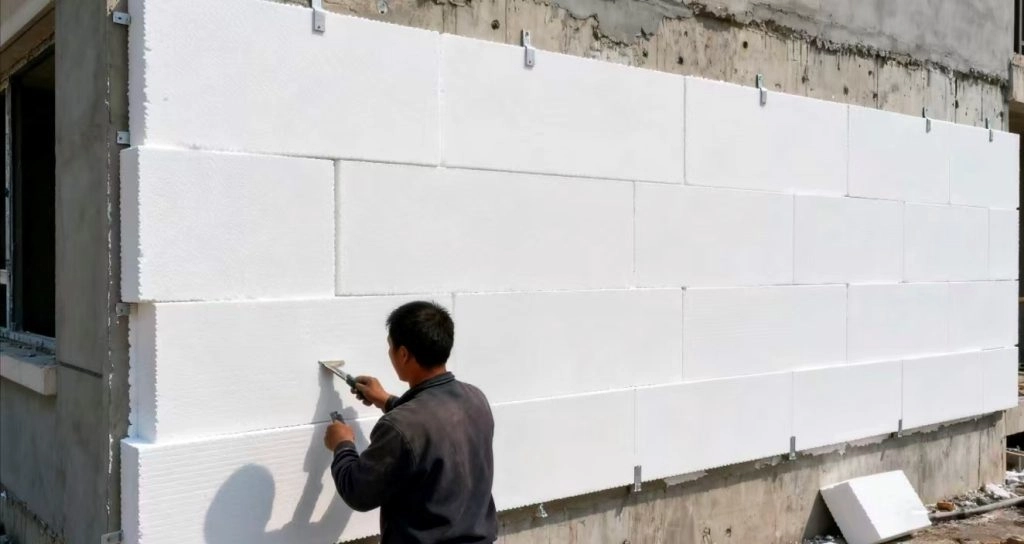
رغوة متوسعة مقاومة للحريق لديها وظيفة مهمة في إعدادات البناء والسلامة الحالية. إنه يغلق فتحات، ويوقف تسرب الهواء، ويعمل كجدار ضد الحريق التي تتحرك من مكان إلى آخر. لجعلها موثوقة ، يجب أن تتبع هذه العناصر قواعد سلامة صارمة تتحكم في مكياجها والفحوصات وكيفية عملها.
كيف تؤثر معايير السلامة على تطوير المنتج؟
تشكل قواعد السلامة كيفية إنشاء الموردين واختبار الرغوة المتوسعة المقاومة للحريق قبل أن تصل إلى المتاجر. وتضمن هذه القواعد أن المنتجات يمكن أن تتعامل مع الحرارة العالية، وتقليل الدخان الضار، والحفاظ على شكلها أثناء الحريق. يجب على الشركات الالتزام بالدليل المحلي والعالمي مثل GB / T10801.1-2002 لمواد الحفاظ على الحرارة و GB8624-2012 لكيفية حرقها.
متى الموردين اتبع هذه الأدلة ، يمكنهم الوعد بجودة ثابتة وحماية المشترين من البنود السيئة. في النهاية ، يؤدي هذا إلى أماكن أكثر أمانا للعيش والعمل ، بالإضافة إلى إعدادات الحفاظ على الحرارة الأصعب التي تعمل بشكل جيد لفترة طويلة.
لماذا الشهادة مهمة للرغوة المتوسعة المقاومة للحريق؟
الحصول على شهادة يعطي دليل من الخبراء الخارجيين على أن المنتج يصل إلى أهداف السلامة المحددة. يتيح لك معرفة أن الرغوة تم اختبارها في ظروف محددة لكيفية انتشار الحريق ، وكم من الدخان الذي تصنعه ، وكم من الحرارة التي تنبعها. على سبيل المثال ، يصل عمل الاحتراق في SEPC بالكامل إلى علامات الفئة B1 (طريقة تصنيف GB8624-1997 لأداء الاحتراق لمواد البناء) ، والتي تظهر قوة وقف الحريق الكبيرة.
غالبا ما تحتوي الرغوة ذات الشهادة على علامات من مجموعات مثل UL أو SGS ، والتي تثبت أنها تتبع أوامر الخضراء والسلامة مثل REACH و ROHS.
كيف تتأكد من الامتثال لقوانين السلامة من الحرائق؟
اتباع القواعد مهمة ثابتة تتضمن التحققات والسجلات والمراجعات والإصلاحات الثابتة لإنشاء الأنظمة. يضمن أن كل مجموعة من الرغوة المتوسعة المقاومة للحريق تحافظ على نفس مستوى السلامة.
ما هي الخطوات اللازمة لتحقيق الامتثال؟
يبدأ الموردون بتخطيط المزيجات التي تضرب نقاط معينة من محاربة الحرارة. ثم ، يقومون بإجراء اختبارات مختبرية للتحقق من نقطة البداية للنار ، وإنتاج الدخان ، وقوة الشكل تحت الضغط الحراري. المراجعات المنتظمة والتغييرات في خطوات السلامة تبقي الأمور في خط مع مرور الوقت.
بالإضافة إلى الفحوصات الداخلية ، تقوم المختبرات الخارجية باختبارات عادلة بناء على طرق محددة مثل ISO 5660 (اختبار مقياس السعرات الحرارية المخروطي) أو ASTM E84 (خصائص حرق السطح). تحتاج الشركات أيضًا إلى الاحتفاظ بسجلات تتبع المواد البدائية وإنشاء مجموعات.
في حالة واحدة، هواشنغ قامت بإنشاء خط صنع ذكي جديد وأضافت طرق رغوة EPS العليا وأدوات التحقق الدقيقة للتأكد من وصول البنود إلى النقاط الرائدة في النقاط الرئيسية مثل الكثافة حتى وقوة الضغط وقوة الحفاظ على الحرارة. هذا النوع من الإعداد يسمح لهم بالالتزام بقوانين السلامة المنزلية والعالمية دون فشل.
كيف يمكنك التحقق من امتثال المنتج؟
يمكنك التحقق من ما إذا كانت تتبع القواعد عن طريق النظر إلى علامات الموافقة على المربع أو ورق المعلومات. تظهر هذه العلامات أنها تتطابق مع القواعد المعروفة مثل UL 94 لمخاطر الاحتراق أو EN 13501-1 لمجموعات البناء. إذا كنت بحاجة إلى ذلك ، يمكنك مطابقة أرقام الموافقة في القوائم الرسمية أو طلب من الموردين الأوراق على الفور.
كيف تبرز HUASHENG في سوق الرغوة المتوسعة المقاومة للحريق؟
الأفكار الجديدة تميز الشركات الكبرى عن الباقي في مجالات مثل دراسة المواد. تظهر إحدى الشركات هذا بشكل جيد من خلال خلط طرق صنع الخضراء مع مهارات البناء البلاستيكي الذكي.
لماذا يجب عليك النظر في منتجات هواشنغ؟
HUASHENG هي شركة تركز على التكنولوجيا تعمل على دراسة وصنع وبيع رغوة البوليستيرين القابلة للتوسع (EPS). يركز هدفها على "تقليل العبء على الأرض"، والذي يدفع التغييرات الخضراء من خلال تكنولوجيا صنع الذكية. الأعمال’ إجابات EPS - من الأنواع الأساسية إلى أنواع وقف اللهب المشحونة بالجرافيت - تستخدم كثيرًا في الحفاظ على الحرارة في المباني ، وشحن التعبئة ، وقطع غيار السيارات ، وأكثر من ذلك.
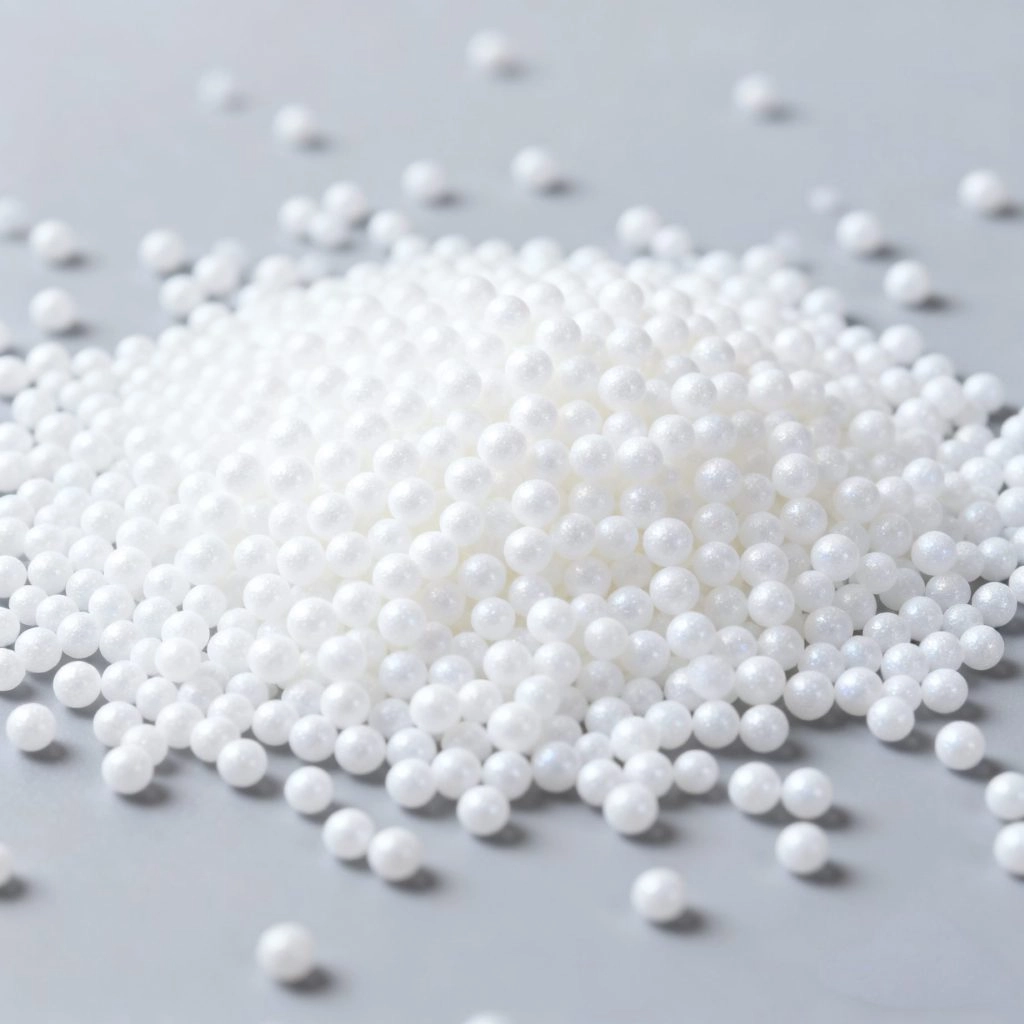
في مصنع هواشنغ الذكي، الجانب الأخضر يعمل بعمق في كيفية صنع الأشياء. من خلال إعدادها الخاص "ثلاثية الدورات" باستخدام جميع المواد البدائية المعاد تدويرها ، يحصل على معدل إعادة استخدام يزيد على 95٪ مع خفض استهلاك الطاقة بنسبة 30٪. بحلول عام 2026 ، تخطط لتصبح أفضل مصنع عرض للكربون الصفر في العالم الذي يقطع أكثر من 85٪ من الهواء السيئ.
عندما تختار HUASHENG ، تضع المال في جودة مثبتة مدعومة بخطوات جديدة تجمع بين الرعاية الخضراء والطاقة بدون قطع - مما يجعلها رائعة للعمال الذين يبحثون عن إجابات رغوة متوسعة ثابتة لوقف الحريق في جميع أنحاء العالم.
ما هي الاعتبارات الرئيسية عند اختيار الرغوة المتوسعة المقاومة للحريق؟
اختيار أفضل المواد يعني وزن التفاصيل التقنية مقابل إعدادات الوظيفة الحقيقية. مدى فعاليته لا يعتمد فقط على المزيج ولكن أيضا على كيفية وضعه في مكانه أثناء الإعداد.
كيف تؤثر خصائص المواد على الأداء؟
يقرر المكياج مدى كفاءة الرغوة في محاربة الحريق أو إعاقة حركة الحرارة عندما تضربها اللهب. تؤثر أشياء مثل سرعة نموها على مدى كونها جيدة في ملء الثقوب. القوة اللصقة تغير قوة السندات؛ ومرور الحرارة من خلال تعيين مهارة الحفاظ على الحرارة.
FSH-الأوروبية القياسية درجة مضادة للشعلة تعمل بشكل جيد للحفاظ على الحرارة في وظائف البناء والمصانع. حتى النمو يجعلها تعيين بسرعة؛ قوة الضغط تفوز أنواع أخرى بأكثر من 20٪؛ مرور البخار في تشكيل قوي؛ وانضمام البند أفضل. هذه الصفات تجعله اختيارًا رائعًا حيث يهم كل من البناء الصعب وحرس الحريق كثيرًا - بشكل رئيسي في المنازل المنخفضة الطاقة أو استخدامات المصانع التي تحتاج إلى تطابق الفئة B1.
ما الدور الذي تلعبه طريقة التطبيق في الفعالية؟
حتى أفضل الرغوة تحتاج إلى العناية المناسبة عند إعدادها لإعطاء النتائج المتوقعة. أشياء مثل حرارة الغرفة ومستويات الهواء الرطب والعمل الجاهز للسطح والوقت المحدد كلها تغير النتائج النهائية. التمسك بالقرب من دليل المورد يضمن قوة ملء أعلى دون الإضرار بمهارة وقف الحريق.
على سبيل المثال، عند استخدام أنواع مشحونة بالجرافيت مصنوعة لمرور الحرارة المنخفضة (≤0.033 W / m · K) ، تأكد من وجود تدفق هواء جيد خلال الأوقات المحددة كما تقترح أوراق معلومات الموردين، مثل تلك التي تحتوي على لوحات مقاومة للشعلة من نوع S Material Graphite Grade. الإعداد الصحيح يعزز كل من قيمة الحفاظ على الحرارة والاستقرار على المدى الطويل في إعدادات الجدران أو مرور الأنابيب.
الأسئلة الشائعة
س: كيف يمكنني التأكد من أن الرغوة المتوسعة المقاومة للحريق آمنة للاستخدام؟
ج: تحقق دائما من علامات شهادة طرف ثالث مثل UL أو SGS للتحقق من الامتثال لمعايير مقاومة الحريق ذات الصلة مثل GB8624-2012 أو EN13501-1.
س: ماذا يجب أن أفعل إذا كنت غير متأكد من طريقة التطبيق الصحيحة؟
ج: راجع تعليمات الشركة المصنعة التقنية بعناية أو اتصل بفريق الدعم الخاص بهم - يمكنهم تقديم توجيهات مصممة خصيصا لبيئة المشروع الخاصة بك.
س: هل يمكن استخدام هذه الرغوة المتقدمة عبر المشاريع السكنية والتجارية؟
ج: نعم. الرغوة الموسعة المعتمدة مقاومة للحريق متعددة الاستخدامات بما فيه الكفاية لكلا القطاعين ، بشرط أنها تلبي قوانين البناء المحلية المطلوبة فيما يتعلق بتصنيف انتشار اللهب ومراقبة انبعاثات الدخان.
 Arabic
  English
  German
  Spanish
  French