
EPS products see broad use in fields like building work, packing tasks, and factory operations. This trend makes the abilities of suppliers more key as buyer needs turn sharper and more focused. Yet, not every supplier hits the same marks for good work and solid trust. To spot what sets one apart from others, it pays to look closely at the traits that make an EPS product manufacturer really special.
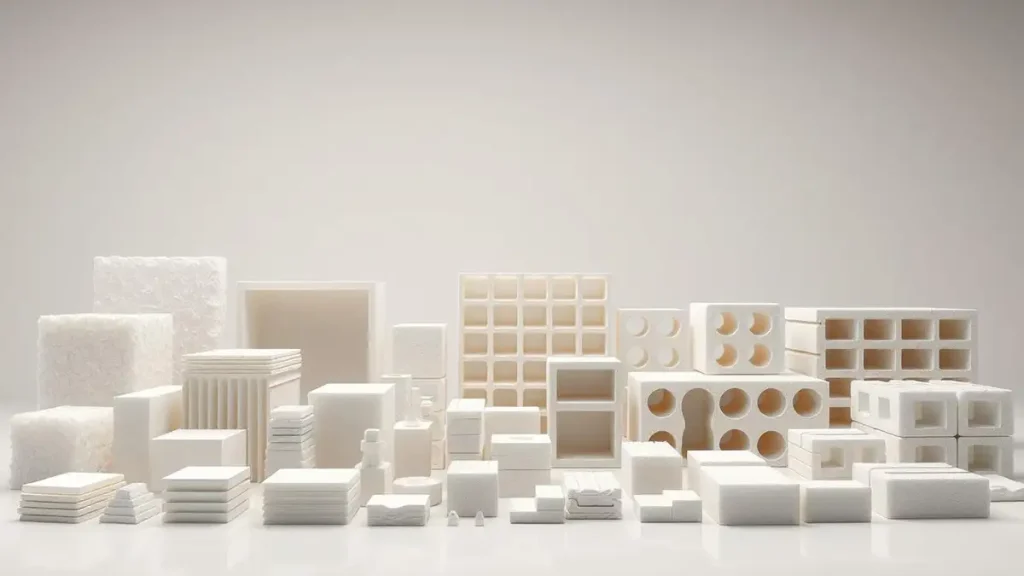
What Makes an EPS Products Manufacturer Stand Out?
Any winning EPS products manufacturer shows its edge with new tech ideas, a mix of different items, and ways to produce that care for the earth. What truly marks top skill in this area is the power to bring steady quality to all sorts of uses. Firms that lead often build on these strengths to stay ahead.
How Does Expanded Polystyrene Benefit Various Industries?
Expanded polystyrene, known as EPS, gets noticed for its light weight and strong power to block heat. Such features make it a must-have for areas that call for smart energy use and solid safety steps. On building sites, EPS panels serve as shields against heat. They help keep room warmth even, and they cut down bills for warming up or cooling off spaces. When it comes to packing, the way EPS soaks up bumps keeps items safe and whole on far trips. Suppliers of cars turn to EPS parts to make rides use less fuel. They do this by cutting the total load of the vehicle.
In the field of structure heat protection, HUASHENG’s EPS foam goods stand out well. These goods hold great skills to guard against heat, and they cut energy needs in homes and offices. Folks also apply them in shipping chains that need cold to keep items like medicines or foods that spoil fast at the right chill. The flexible nature of EPS lets it swap out bulkier or less earth-kind options. All the while, it holds up strong and offers easy ways to shape it for different jobs.
What Are the Core Offerings of EPS Manufacturers?
A trained EPS products manufacturer usually hands out a wide choice of goods aimed at clear needs in various trades. These span from heat guard boards to parts shaped just right for the task. Suppliers rely on better mixing methods for materials and exact tools for watching the process. In turn, they make certain that every group of goods hits firm rules for how heavy it is and how tough it stays.
Producers blend in computer help for building tests, called CAE simulations, so they can fine-tune foam setups for set needs. This may mean making press power better or dropping heat pass rates. As a result, each good lines up with tech calls and earth care rules, while suppliers plan these steps to fit what users seek in real ways.
Why Should You Consider HUASHENG for Your EPS Needs?
Selecting the best supplier looks past just the cost tag. It centers on trust that lasts and the skill to bring new ideas. HUASHENG has set itself as a guidepost for the trade. It earns this spot with a sharp focus on exact build skills and top spots in green lead.
What Sets HUASHENG Apart in the EPS Manufacturing Industry?
Deep at the core of HUASHENG’s wins lies its firm focus on fresh ideas and continued steps ahead in tech. The firm works with leading study groups to create new material methods, which boost how goods perform and also ease harm to the world around us. Its small closed-hole build tech lifts press power by 40% over usual stuff, so it proves ideal for tough spots like pre-made structures or car bits.
Outside of material learning, HUASHENG pours much into auto-run tools and number-based shifts. It’s clever to make lines drawn on watch systems that run live. These keep an even spread of weight in every EPS small ball. So, quality holds firm no matter the size of the run or how tricky it gets. This setup lets them shine in steady results day after day.
How Does HUASHENG Ensure Quality and Sustainability?
Quality checks begin at every stage, starting with the selection of base stuff and ending with final inspection. The business invested many millions of yuan to build the world’s first smart line for polystyrene, and it runs on fully reused base stuff. Through its three-loop plan, over 95% of scrap finds new use inside the shop, while energy pull drops by 30%.
Their earth-friendly product lines also include fire-block grades without HBCD, which match EU REACH and ROHS guides. These fit best for buyers who put earth care first while still valuing steady work holds. As a result, such choices make HUASHENG a go-to partner for smart, forward-thinking teams.
How Do EPS Products Enhance Efficiency and Cost-Effectiveness?
Trade buyers in factories often look for ways to trim daily costs while still keeping quality and safe steps in place. This is where planned EPS fixes do their best work, because they support smarter runs and help save money over time.
In What Ways Do EPS Products Contribute to Cost Savings?
EPS stuff brings long-term money gains because of its built-in toughness and its small need for upkeep. In addition, its light setup cuts the cost of moving goods by a big chunk, especially when set against old picks like rock wool or concrete boards for heat guards.
These goods also carry fine heat guard powers, so they trim energy use in structures well. When heat moves less, it turns into real savings on systems for air and heat over months and years. What’s more, choices that can reuse, like REPS kinds, let shops fold scrap foam back into fresh make rounds. This slices costs to toss stuff away even more. At the same time, it backs plans for circular economies that keep things going.
Take S Material Graphite Grade-Flame-Retardant Panels as one example, as they can reach heat flow marks as low as 0.033 W/(m·K), which gives stronger guard power at slimmer builds. As a result, less stuff is needed for each task, and that leads straight to lower spending.
How Do Custom Solutions from Manufacturers Improve Project Outcomes?
Made-just-for-you work makes sure every task gets goods built spot-on for its frame or moves hurdles. Suppliers pull in digital tools for fake runs tied with fixes at the tiny build level. From there, they shape things like how bits spread in size or how much they grow for top work when putting in place.
These steps help cut the time needed for whole projects while also improving how the full setup runs. For example, ready panels can slide directly into block walls, which reduces hours of work on site. At the same time, such fits improve tight seal scores, and these matter a lot for builds that save energy. In the end, these custom paths lead to stronger overall results, with less waste and more gain for users who plan ahead.
FAQs
Q: Can EPS be recycled after use?
A: Yes. Expanded polystyrene packs down tight to just 1/90 of its starting size with ease. This opens doors for fresh uses in new goods via top reuse setups built into fresh plants.
Q: Are there any environmental concerns associated with using EPS?
A: Old shapes brought worries from poor reuse chances. But today’s ways reach past 95% reuse of scrap. They also slash carbon outpour per ton of make by clear amounts.
Q: How does the insulation capability of EPS compare to other materials?
A: Strong levels with carbon mixes show up to 25–30% better fight against heat than plain foams at like weights. This sets them as top picks for value in heat block tools out there now.
 English
  German
  Spanish
  French
  Arabic