
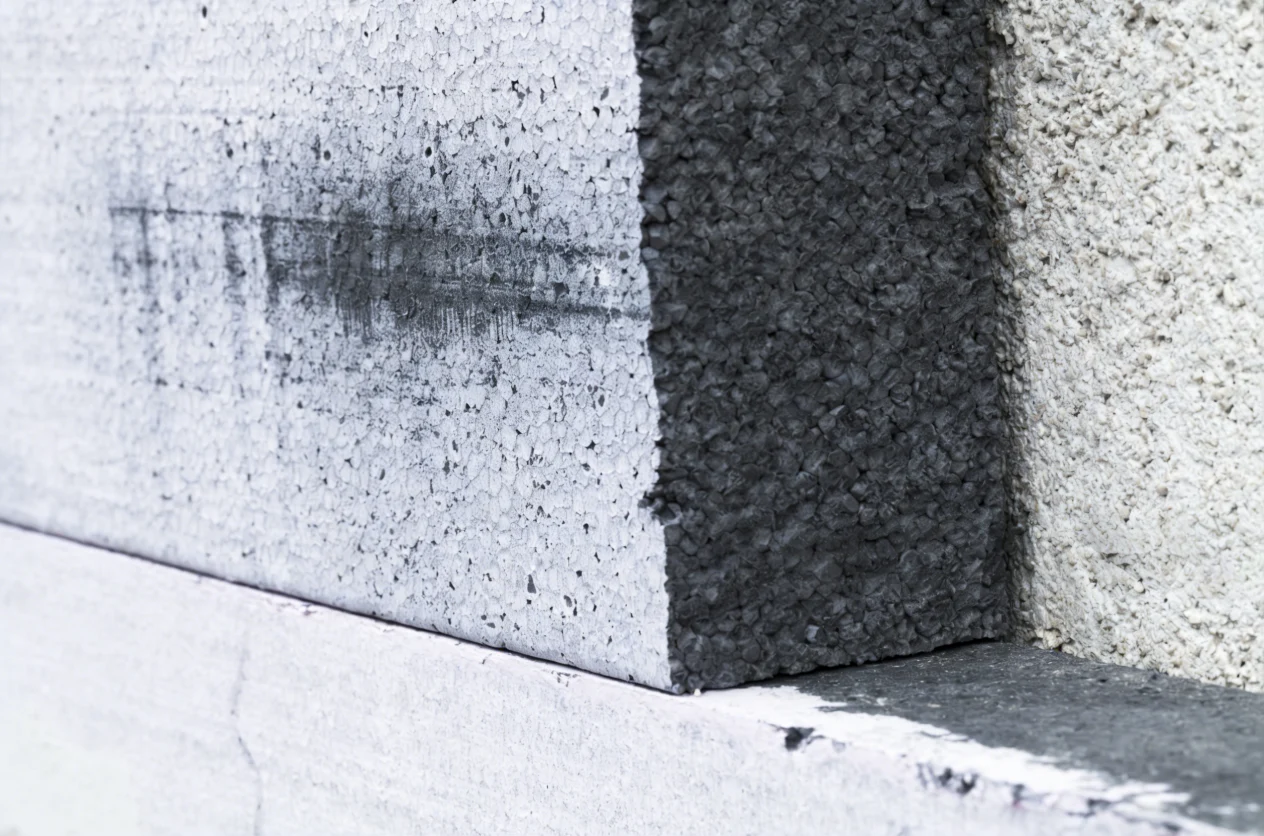
The construction industry is dealing with a tough situation right now. In the last few years, there has been a huge rise in bad weather events. These include strong polar vortexes that freeze the northern areas and long heavy rainstorms that flood cities near the coast. The weather is putting our commercial and residential buildings to the test in new ways. Because of these climate changes, builders, architects, and contractors are thinking again about how they design the building envelope. You cannot simply set up a regular wall and expect good results anymore. When water enters the wall cavity, it ruins the thermal performance and damages the full supporting structure. So material selection becomes the most key decision on your project. At present, many professionals are choosing graphite grade EPS as their main solution. This material is more than just another building piece. It works as a tough barrier against the elements. Let us examine how this specific grey material holds up to freezing temperatures and heavy moisture. It keeps your projects protected and your clients satisfied.
Why Traditional Insulation Fails When the Weather Turns Harsh
It is quite easy to look at nice lab results and believe a material will do well on a real job site. But the real world is messy and hard to predict. For instance, when a sudden rainstorm hits a building that is only half done, or when heavy snow melts slowly against a concrete foundation, water always finds a path inside. Traditional open-cell materials soak up this liquid like a huge sponge. That is why the industry really needs a better weather-resistant foam to stop the damage before it even starts.
The Hidden Cost of Water Absorption
Water is a fantastic conductor of heat. When standard insulation materials get wet, they stop trapping still air and immediately start transferring cold right into the living space of the building. Field studies consistently show that even a tiny 1% increase in moisture content can drop the thermal resistance (R-value) of some traditional fiber materials by 5% to 8%. For a large commercial building, this thermal drop means thousands of dollars in extra heating and cooling costs every single year. You completely lose the energy savings you promised to your client. The material might look perfectly fine on the outside, but hidden inside the wall cavity, it is failing to do its job. Furthermore, replacing wet insulation means tearing down drywall, paying for extra labor, and disrupting the occupants.
Freeze-Thaw Cycles Destroy Cellular Structures
The problem gets much worse when the outside temperatures drop below the freezing mark. If a building material holds water inside its core, that water will eventually turn into solid ice. Science tells us that water expands by about 9% when it freezes. This sudden expansion violently tears apart the delicate inner fibers and open cells of standard insulation products. When the ice finally melts a few days later, it leaves behind larger cracks and open voids. These new gaps then hold even more water during the very next storm. This vicious cycle happens dozens of times during a single rough winter. Over a few short years, the material simply falls apart into pieces. This physical breakdown is why EPS durability matters so much; you need a solid material that physically fights back against this internal breaking process.
How the Grey Board Blocks Moisture Effectively
So, how do we actually stop the water from causing all this structural trouble? We have to look deep into the physical structure of the material itself. A high-quality graphite EPS board uses a highly specific manufacturing process to lock liquid water out of the picture. It does not rely on thin chemical coatings or tapes that will wash away or peel off over time. The main defense mechanism is built right into the core of the product.
The Closed-Cell Matrix Advantage
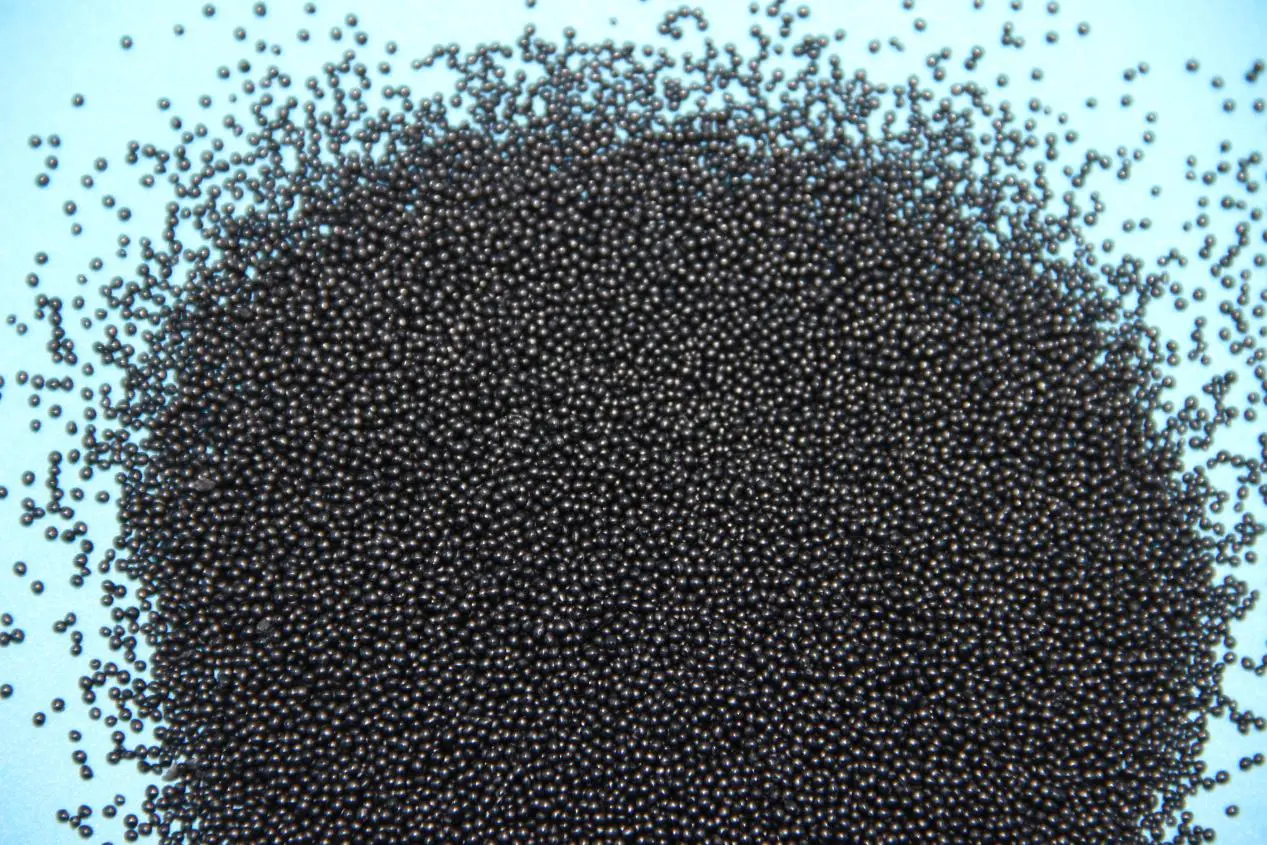
In the factory production process, small raw polystyrene beads expand with steam. They fuse together tightly in a mold. This creates what we call a closed-cell matrix. Imagine it like millions of tiny sealed plastic balloons pressed close to each other. Since these balloons are fully closed, water cannot pass through them easily or find spaces to stay inside. Even if a piece of moisture resistant EPS sits in a muddy puddle of water for several days on a job site, the moisture only touches the outer surface. It cannot go deep into the core. Third-party testing always shows that its water absorption rate by volume stays well below 2%. This holds even when it is completely under water in tough conditions.
Hydrophobic Nature of the Raw Material
Besides the shape of the fused cells, the plastic polymer itself is hydrophobic. This means it naturally pushes water away on a chemical level. When you add high-purity graphite particles to create graphite grade EPS, you improve its ability to reflect heat radiation a lot. But you do not change its water-pushing nature at all. The dark graphite flakes stay locked inside the polymer matrix forever. Because of this, you get a big boost in thermal performance. It is often up to 20% better than standard white foam panels. And you do not add any extra water weight. This special mix makes it a very useful tool for builders in wet or changing climates.
Long-Term Performance in Severe Climates
Blocking a single heavy rainstorm is great, but commercial buildings and custom homes are expected to stand strong for many decades. Your clients want a tough, durable insulation foam that performs just as well in year twenty as it did on day one of construction. Let us break down how this grey foam holds its ground over the long haul without losing its value.
- Stable Thermal Resistance: Many competing foam products suffer from something called “thermal drift.” This means they slowly lose their special insulating gases over time. So their R-value drops year after year. Because expanded polystyrene uses regular atmospheric air inside its cells instead of heavy chemical blowing agents, the R-value stays exactly the same for the entire life of the building. You get 50 years or more of consistent thermal performance from this moisture resistant EPS.
- Structural Integrity and Strength: High winds, heavy snow loads, and settling foundations put a lot of physical pressure on walls and roofs. A dense graphite EPS board handles this daily stress with ease. With compressive strengths easily ranging from 100 kPa to over 150 kPa, depending on the exact density you order, these boards do not compress, sag, or warp over time. They stay exactly where you install them. This provides a solid backing for exterior finishes.
- Rot and Mold Prevention: Fungi and mold only need two things to live and grow: liquid moisture and an organic food source. Because this material is made of a synthetic plastic and actively pushes water away, it gives mold nothing to feed on. It will not rot. It will not decay in the damp earth. And it will not become a dangerous place for harmful bacteria to grow. This keeps the indoor air quality safe and clean for the people living or working inside the building.
Selecting the Right Board for Your Projects
Knowing the basic science behind the material is just the first step in the process. When you are actually buying materials for a big commercial project, you have to be very careful with your budget and your suppliers. The market is full of many different products, and not every grey board offers the exact same level of physical protection. You have to look closely at the company making the material.
Looking Beyond Basic Specifications
Many material suppliers will simply hand you a basic spec sheet, but you need to ask the hard questions before you sign a purchase order. Ask them directly about their quality control during the bead expansion and molding process. If the raw beads are not fused properly under the correct steam pressure, you will get microscopic gaps in the final board. Those tiny gaps will eventually let water in, completely ruining the EPS durability you paid top dollar for. Always check for independent laboratory tests that prove the water absorption rates and the compressive strength. Real quality always stands up to tough third-party testing.
Partnering with a Reliable Manufacturer
To get the absolute best results on your job site, you should work directly with a factory that understands both the deep chemistry and the practical application of these building materials. HUASHENG is a prime example of a direct manufacturer that puts quality first. We carefully control every single step of the production process to deliver a top-tier durable insulation foam to our partners. If you are building in areas that see heavy rain, harsh snow, or extreme temperature swings, you need a product you can actually trust. I highly recommend taking a look at our Graphite Grade S EPS. It offers outstanding fire resistance and incredible thermal insulation, making it the perfect fit for the toughest weather environments. Reach out to our team today to get the exact specifications for your next build.
Conclusion
Global climate patterns will keep changing. Extreme weather will continue to challenge how we build our structures. Relying on old methods and outdated materials is a quick way to fail building inspections and deal with unhappy clients. By upgrading your material choices to graphite grade EPS, you give your buildings a lasting tough shield against freezing temperatures and damaging moisture. It keeps energy bills low, prevents dangerous mold growth, and holds its physical shape for decades. Stop letting bad weather dictate the lifespan of your hard work. Choose a weather-resistant foam that fights back. If you want to learn more about how our advanced materials can protect your projects, please contact us at info@r-eps.com today. We are ready to help you build stronger.
 English
  German
  Spanish
  French
  Arabic