
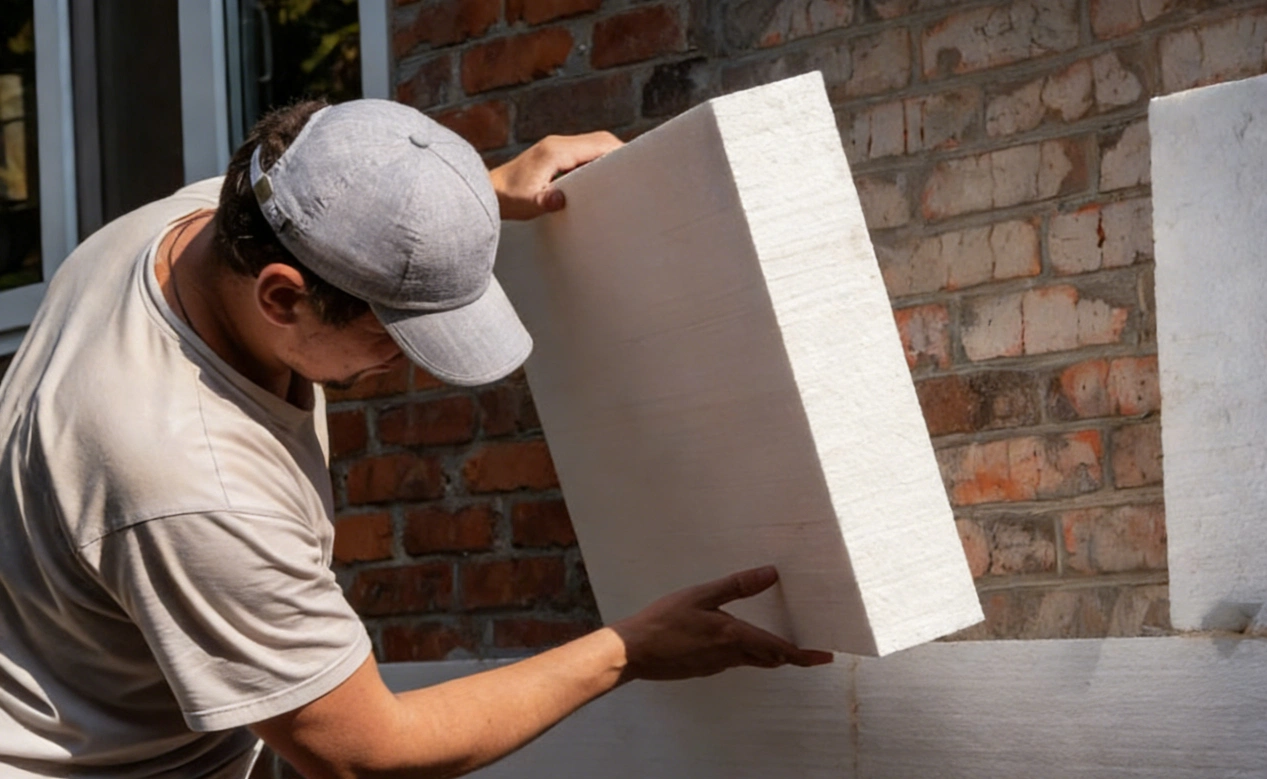
In the past ten years, several notable facade fires in large cities have pushed the construction sector to closely examine the insulation materials it employs. From the heartbreaking Grenfell Tower event in London to tall building fires in Dubai, talks about facade protection have changed. They have gone from an added perk to a firm legal must-have. For experts dealing with External Insulation and Finish Systems (EIFS) or External Thermal Insulation Composite Systems (ETICS), the heart of the discussion lies in the insulation board. Expanded polystyrene (EPS) has long been a top pick due to its affordable price and strong heat-blocking ability. But now, the main attention falls on how it responds to fire. These days, just getting any type of foam no longer suffices. Builders and designers seek out effective materials that can halt a fire right away, instead of letting it spread further.
The Reality of EPS Fire Rating and Building Compliance
When folks discuss fire protection in today’s building work, they typically mean rules and classifications. Getting through the details of an EPS fire rating can seem like tackling a foreign tongue. In Europe, the EN 13501-1 rule leads the way, whereas other places follow their own sets of guidelines. Still, the purpose stays constant: assessing how a material adds to a blaze. Plenty of individuals think all foam poses a threat, yet that notion is way off base. The contrast between a basic bead type and a superior flame-retardant kind truly separates a structure prone to burning from one that resists it well.
Prior to examining the precise lab experiments, consider how these substances behave in an actual crisis. A regular fire classification is far more than a form for reviewers. It provides a vital span of moments that could protect numerous lives, particularly in a high building where each instant matters greatly.
What B1 Grade EPS Actually Means on a Construction Site
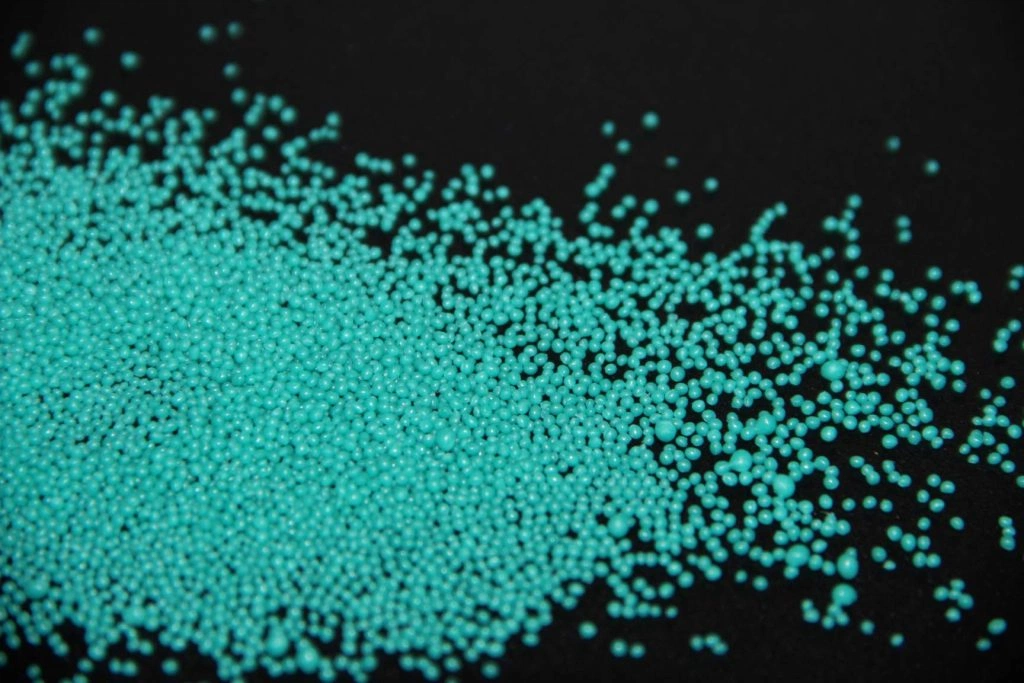
Across numerous areas, B1 grade EPS stands as the prime choice for medium-to-high structures. To gain this “tough to start” label, the foam requires unique additives that modify its structure. Should you apply a flame to a section of this stuff, it avoids turning into a raging ball of fire. On the contrary, it draws back from the warmth and douses itself the moment the flame pulls away. This reaction proves essential, as it blocks the insulation from forming a route for flames to climb along the building’s exterior. For a project leader, opting for a B1 classified board offers the simplest route to clear end checks without pricey alterations at the last moment.
Interpreting Global Standards for Fireproof Facade Materials
Choosing fireproof facade materials often involves looking at more than just the flame spread. Modern standards like the Euroclass system look at “smoke production” (s1 or s2) and “flaming droplets” (d0 or d1). In a fire, smoke is often more deadly than heat. A top-tier fire resistant EPS board will be engineered to produce minimal smoke and, more importantly, it won’t drip molten plastic. When droplets don’t fall, the fire doesn’t spread to lower floors, which keeps the emergency exit paths clear for residents. It’s this deep technical engineering that separates cheap foam from professional-grade construction materials.
Why EPS Board for ETICS is a Non-Negotiable Safety Component
In the EIFS and ETICS world, the insulation board is the heart of the system. If you use the wrong material, the entire facade is at risk. Here is why choosing a dedicated EPS board for ETICS with built-in fire protection is the only smart move for B2B projects:
- The Chimney Effect Prevention:High-rise buildings can act like giant chimneys. If a fire starts on the ground floor, it wants to rush up the facade. A flame retardant EPS board breaks this cycle by refusing to act as fuel, effectively slowing down the vertical spread of heat.
- System Integrity:An ETICS system is a “sandwich” of glue, foam, mesh, and plaster. When fire hits a standard foam, it melts away, causing the heavy outer plaster to collapse and fall on firefighters. A fire-rated board maintains its structure longer, keeping the “sandwich” together.
- Insulation vs. Safety:You don’t have to give up warmth for safety. A good B1 grade EPS still offers a thermal conductivity of around 0.032 W/mK. This means you get a warm, energy-efficient building that is also safe to live in.
- Precision Manufacturing:High-quality boards are cut to exact sizes. This means there are no gaps between the boards on the wall. Gaps are dangerous because they let air and fire pass through behind the insulation.
Technical Advantages of Fire Resistant EPS in Construction
Beyond the obvious safety benefits, there is a lot of science happening inside a fire resistant EPS board. It isn’t just about adding a chemical and calling it a day. The manufacturing process has to ensure that the flame retardant is spread perfectly throughout every single bead. If the mix is off by even a tiny percentage, you could end up with “weak spots” in your wall that don’t meet the safety specs you paid for.
The long-term performance of these materials is just as important as their fire behavior. Builders need to know that the foam won’t lose its fire-retardant properties after ten or twenty years of sitting inside a wall in the sun and rain.
Chemical Stability and Longevity
A major concern for architects is the “aging” of insulation. Cheap flame retardant EPS might use additives that leach out or break down over time. However, a professional-grade board uses polymer-stabilized retardants. These are molecules that are physically bonded to the plastic, so they stay put. This means the EPS fire rating you get on day one is the same rating you will have on day 10,000. For a B2B client, this durability is key to avoiding massive liability issues decades down the line.
Balancing Weight and Density for Facade Safety
Numerous individuals believe “greater weight means superior” regarding fire protection, but such a view does not hold for EIFS. A solid EPS board for ETICS generally ranges from 15 to 20 kg/m³. This weight level suits ideally, being light sufficient to spare the building’s frame any burden while firm enough to form a sturdy foundation for the fire-safe finish. Maintaining uniform density allows an EPS foam manufacturer to assure that heat and fire characteristics remain uniform throughout the whole 5,000 square meter undertaking.
Selecting a Global EPS Foam Manufacturer for High-Stakes Projects
Should you serve as a builder or expansive developer, your standing hinges on the providers you pick. Sourcing from an arbitrary plant may trim a bit of expense per panel, yet it risks millions should a blaze erupt or substances flunk an unexpected lab check. A dependable EPS foam manufacturer ought to furnish straightforward, followable test documents for each foam lot that exits their facility.
Dependability within the delivery network surpasses mere paperwork. It involves confidence that the plant possesses the means to supply steady, top-notch fireproof facade materials despite enormous project sizes and pressing due dates.
Why HUASHENG Grade FS is a Trusted Choice for B2B
At HUASHENG, the focus is on the “FS” (Fire Safety) grade. This isn’t just a marketing label; it represents a refined manufacturing process designed specifically for the global ETICS market. The Flame Retardant Grade FS is built to meet the toughest B1 and B2 standards. By using advanced pressure-molding and high-purity additives, they ensure that every board provides the “self-extinguishing” protection that modern building codes demand. It is the kind of peace of mind that allows project managers to sleep at night.
Quality Control and Batch Consistency
When you are covering a 30-story building, you can’t afford to have inconsistent boards. HUASHENG uses a closed-loop system for the flame retardant EPS production. This means they monitor everything from the steam temperature to the cooling time of the blocks. This level of detail ensures that the B1 grade EPS you receive in the first shipment is identical to the last one. For B2B partners, this consistency means the plaster sticks the same way, the boards cut the same way, and the fire protection is total and complete.
Conclusion
Fire safety in the EIFS industry is not something anyone can afford to ignore. As global regulations become tighter, the use of a high-quality flame retardant EPS is the only way to future-proof your construction projects. It is about finding that perfect balance between keeping a building warm, keeping the costs manageable, and, most importantly, keeping the people inside safe. By choosing the right EPS board for ETICS and partnering with a reliable EPS foam manufacturer, you aren’t just building a wall; you are building a legacy of safety. If you are planning a large-scale project and need insulation that meets the highest fire ratings, don’t leave it to chance. Reach out to HUASHENG at info@r-eps.com to discuss your specific needs for flame retardant grade EPS today.
 English
  German
  Spanish
  French
  Arabic