
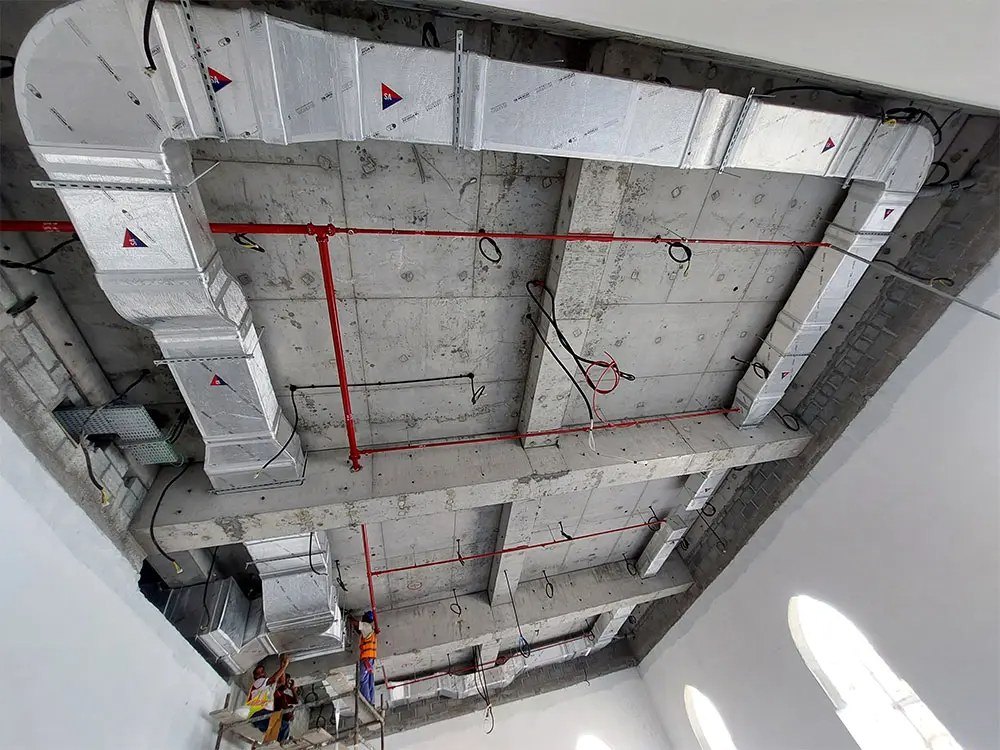
Heat insulation foam is turning into a vital material in today’s construction. Builders seek improved thermal results, lighter buildings, and quicker setup. Due to growing needs for energy savings and green building designs, foam-based insulation should take a larger part in 2026 options.
Understanding Heat Insulation Foam in Modern Construction
Today’s construction deals with two main issues: boosting building efficiency while following tougher green standards. Developers and architects face demands to create structures that mix performance, comfort, and care for the environment. One strong way to reach this goal is by using advanced heat insulation foam materials. Lanzhou Huasheng New Materials Co., Ltd., a top leader in green foam tech, sets a standard for how insulation can change energy use in 2026 projects.
The Role of Insulation in Building Efficiency
Insulation acts as the unseen support for energy-saving designs. It cuts down heat movement between inside and outside spaces, keeping indoor temperatures steady with less need for HVAC systems. Good insulation not only drops heating and cooling expenses but also boosts the building’s long-term work by holding steady heat levels.
In building insulation areas, HUASHENG’s EPS foam products stand out. These items show strong thermal insulation skills, cutting energy use in structures well. This solid heat block helps keep cozy indoor settings all year, adding to lower carbon output and cleaner living spaces.
What Makes Heat Insulation Foam Distinct from Other Materials
Foam-based insulation differs because of its better heat resistance and light build. Unlike mineral wool or fiberglass, foam items—mainly closed-cell types—give great moisture protection and lasting strength.
The company follows “innovation-driven, green intelligent manufacturing” as its main growth idea. It works hard to offer high-quality and eco-friendly EPS material answers for areas like building insulation. This mix of new ideas and green practices makes sure foam insulation stays a top choice for homes and business uses.
Key Advantages of Using Heat Insulation Foam in 2026 Building Projects
As world rules get stricter on carbon output and energy spending, high-work insulation materials turn essential, not just extra.
Enhanced Energy Efficiency and Thermal Comfort
Heat insulation foam greatly lowers heat escape in winter and cuts heat entry in summer. As a result, indoor temperatures stay even with little use of mechanical setups. Since they offer a steady heat block, these foams keep pleasant indoor warmth all year. They reduce the need for heating and cooling systems.
Fire Retardant Properties for Safer Structures
Safety stays a main focus in current construction. Fire retardant foam sheets are built to meet tough fire safety rules while keeping thermal work. F-flame retardant grade has passed the United States Safety Testing Laboratory (UL) certification, document certification number E360952. These foams slow fire spread, giving key time for escape in crises. They also build overall building strength when paired with other fire safety setups.
Sustainability and Environmental Considerations
Sustainability is now a must for all future work, not a choice. HUASHENG truly gets the value of steady growth and handles its green and social duties with care. The company’s closed-loop making process reaches over 95% waste reuse, and it lowers production energy use by 30%. By 2026, HUASHENG plans to run a world-top carbon-neutral show factory that reduces carbon output in its whole supply chain by more than 85%. These steps match circular economy ideas, where materials get reused instead of thrown away.
Cost Efficiency Over the Building Lifecycle
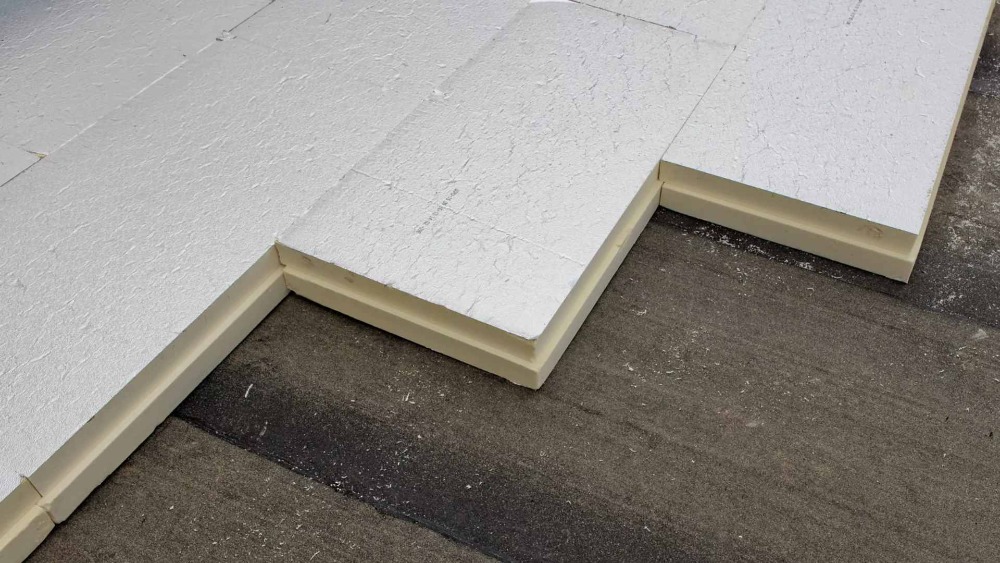
While starting setup costs for top foam materials might be more than old choices, their running savings soon cover the costs through lower energy bills and less upkeep.
The enterprise has spent hundreds of millions of yuan to create the world’s first smart line for polystyrene using 100% reused raw materials. Long-term strength means fewer changes over many years. Plus, green-certified buildings often get tax breaks or better loan options.
Comparing Foam Materials for Different Construction Needs
Picking the best type of heat insulation foam relies on project size, weather conditions, and goals for performance.
Types of Heat Insulation Foams Available in the Market
Polyurethane (PU) Foam – Famous for good sticking power and low heat flow, PU foam fits uses that need tight seals, like roofs or walls.
Extruded Polystyrene (XPS) Foam—Gives high strength against pressure, perfect for weight-bearing spots like floors or bases where water resistance matters a lot.
Expanded Polystyrene (EPS) Foam—Light but cheap, EPS sees wide use in wall setups because of its easy shaping and cutting.
Future Trends Driving Adoption of Heat Insulation Foam by 2026
The coming years will change how buildings add smart materials into their main setups.
Integration with Smart Building Technologies
New patterns involve placing heat sensors inside foam boards to check work live. Then, data review can fine-tune HVAC actions based on real situations, not fixed guesses. This boosts efficiency in big projects even more.
Regulatory Shifts Toward Energy-Efficient Materials
Governments around the world are making rules tighter for building outer layer performance. Builders who use advanced foams like HUASHENG’s graphite-grade series keep ahead of rules. They also hit clear green goals backed by ISO 14067 certifications.
Innovations in Fire Retardant Formulations and Material Science
Studies go on for safe flame blockers that skip harmful halogen parts without losing safety or strength. Work centers on creating safe, halogen-free fire blocker additives. This new step makes sure green initiatives work with strict fire safety needs—a match that every current developer has to hit.
Strategic Considerations When Choosing Insulation Solutions for Upcoming Projects
Selecting a fitting insulation setup means grasping both tech needs and money facts special to each project step.
Assessing Project Requirements and Climate Conditions
Each area brings its own weather issues—from wet shore zones to dry inner lands. This calls for custom R-value math that weighs cost against reachable heat resistance.
Our skilled tech team looks closely at customers’ special use cases and needs in fields like building insulation. Using model tools in HUASHENG’s digital twin lab, clients get exact predictions before work starts.
Balancing Performance, Cost, and Sustainability Goals
Leaders must check long-term returns beyond first buy prices. Mixing and matching materials—for example, linking EPS boards with shiny coatings—can give the best outcomes without wasting money. The Graphite Grade–S–Flame-Retardant Panels show this mix well. They offer Class B1 flame resistance along with very low heat flow (0.033 W/m·K). These suit passive house users who want both safety and efficiency boosts.
FAQ
Q1: What makes heat insulation foam more efficient than traditional fibrous materials?
A1: Foam materials give full cover without breaks or air leaks seen in fibrous types. Their closed-cell design also fights water entry while holding top R-values over time.
Q2: How does HUASHENG ensure product sustainability?
A2: The company runs a closed-loop setup, reaching over 95% waste recycling, and aims to hit carbon neutrality by 2026 through its smart manufacturing sites and ISO-certified methods.
Q3: Are fire-retardant foam sheets suitable for residential use?
A3: Yes. Certified foams such as HUASHENG’s F-grade REPS meet global UL standards. At the same time, they provide better safety levels fit for home fronts and business insides, where controlling fire spread is key.
 English
  German
  Spanish
  French
  Arabic